

Working in Zone 1 environments means accepting that the atmosphere itself can turn against you. Flammable gases hang in the air, and any spark from monitoring equipment could trigger catastrophe. Explosion-proof CCTV systems exist precisely for this reality. They let operators maintain eyes on critical processes without introducing new ignition sources. The engineering behind these cameras reflects decades of hard lessons from industrial incidents, and the certification requirements that govern them leave little room for compromise.
What Zone 1 Certification Actually Requires
Zone 1 classification means flammable gases or vapors are likely to occur during normal operations. Equipment operating in these spaces must carry certifications that prove it cannot become an ignition source. ATEX certification covers European Union requirements, while IECEx provides a globally recognized framework. Both demand rigorous testing of enclosure integrity, surface temperatures, and electrical component isolation.
WAROM TECHNOLOGY INCORPORATED COMPANY builds explosion-proof CCTV cameras to meet these standards. The BJK-S/G Series Explosion Proof Camera holds both IECEx and ATEX certifications, qualifying it for Zone 1, 2, 21, and 22 classifications. This dual certification matters because facilities often need equipment that satisfies multiple regulatory bodies simultaneously.
| Certification | Scope | Key Focus |
|---|---|---|
| ATEX | EU | Equipment and protective systems intended for use in potentially explosive atmospheres |
| IECEx | Global | Certification system for equipment for use in explosive atmospheres |
| UL | North America | Safety science company, testing and certification |
| EAC | Eurasia | Customs Union certification for hazardous equipment |
The certification process examines how equipment behaves under fault conditions. An internal arc or spark must remain contained within the enclosure. Surface temperatures cannot exceed the ignition point of gases present in the rated environment. These requirements shape every design decision in explosion-proof CCTV cameras.
How Explosion-Proof Cameras Survive Harsh Industrial Conditions
The enclosure does the heavy lifting in explosion-proof camera design. It must contain any internal explosion while preventing flame propagation to the surrounding atmosphere. This containment principle, called flameproof protection, relies on precisely machined joints that cool escaping gases below their ignition temperature.
Material selection follows from the operating environment. Chemical plants expose equipment to corrosive substances that would destroy standard housings within months. Offshore platforms combine salt spray with temperature extremes. The BJK-S/G camera carries an IP66 or IP68 rating, meaning it resists both dust ingress and water jets or temporary submersion. This protection level keeps internal electronics functional when conditions turn hostile.
Temperature ratings define the operational envelope. Explosion-proof CCTV cameras must function across wide ranges without their surface temperatures creating ignition risks. The rating system uses T-classes, with T6 being the most restrictive, limiting surface temperatures to 85°C.
WAROM’s work on the Tilenga project in Uganda demonstrated what reliable performance looks like in practice. The project required explosion-proof electrical systems that could handle extreme conditions while maintaining continuous operation. The installation achieved zero safety incidents and showed low maintenance requirements over its operational period. That outcome reflects both proper equipment selection and attention to installation quality.
Connecting Explosion-Proof CCTV to Plant Control Systems
Surveillance cameras generate data. The value of that data depends on how easily operators can access and correlate it with other information streams. Modern explosion-proof CCTV systems connect to industrial control networks through standard protocols, placing video feeds alongside process measurements and alarm states.
Integration typically happens through Modbus, OPC UA, or manufacturer-specific platforms. SCADA systems can display camera feeds in context, showing operators what a temperature alarm or pressure spike actually looks like at the equipment level. This correlation speeds incident response and helps identify root causes.
The General Paint project in Mexico illustrates comprehensive integration. WAROM supplied explosion-proof solutions including gas detectors and distribution boxes alongside monitoring equipment. The combined system created layered protection where detection, monitoring, and control worked together. This approach prevented potential fires and explosions by enabling rapid response to developing hazards.
Remote monitoring capabilities extend the reach of limited personnel. A single control room can oversee multiple hazardous areas without requiring constant physical presence. This reduces exposure risk while maintaining situational awareness across the facility.
Focus on electrical equipment to improve efficiency. If you’re interested, check 《Electrical Equipment for Hazardous Areas》.
What specific certifications should I look for in Zone 1 explosion-proof cameras?
ATEX and IECEx certifications are the primary requirements for Zone 1 explosion-proof cameras. ATEX covers European Union compliance while IECEx provides international recognition. For North American installations, UL certification applies. Eurasian markets require EAC certification. The specific certifications needed depend on installation location and which regulatory bodies have jurisdiction over the facility.
The Financial Case for Quality Explosion-Proof CCTV
Cheaper equipment costs less upfront and more over time. This pattern holds especially true in hazardous area applications where equipment failures carry safety consequences alongside operational disruptions.
Robust construction reduces maintenance frequency. Corrosion-resistant materials and properly sealed enclosures mean fewer replacement cycles and less technician time spent in hazardous zones. Each maintenance intervention in a Zone 1 area requires safety procedures, permits, and often production interruptions. Minimizing these events delivers compounding savings.
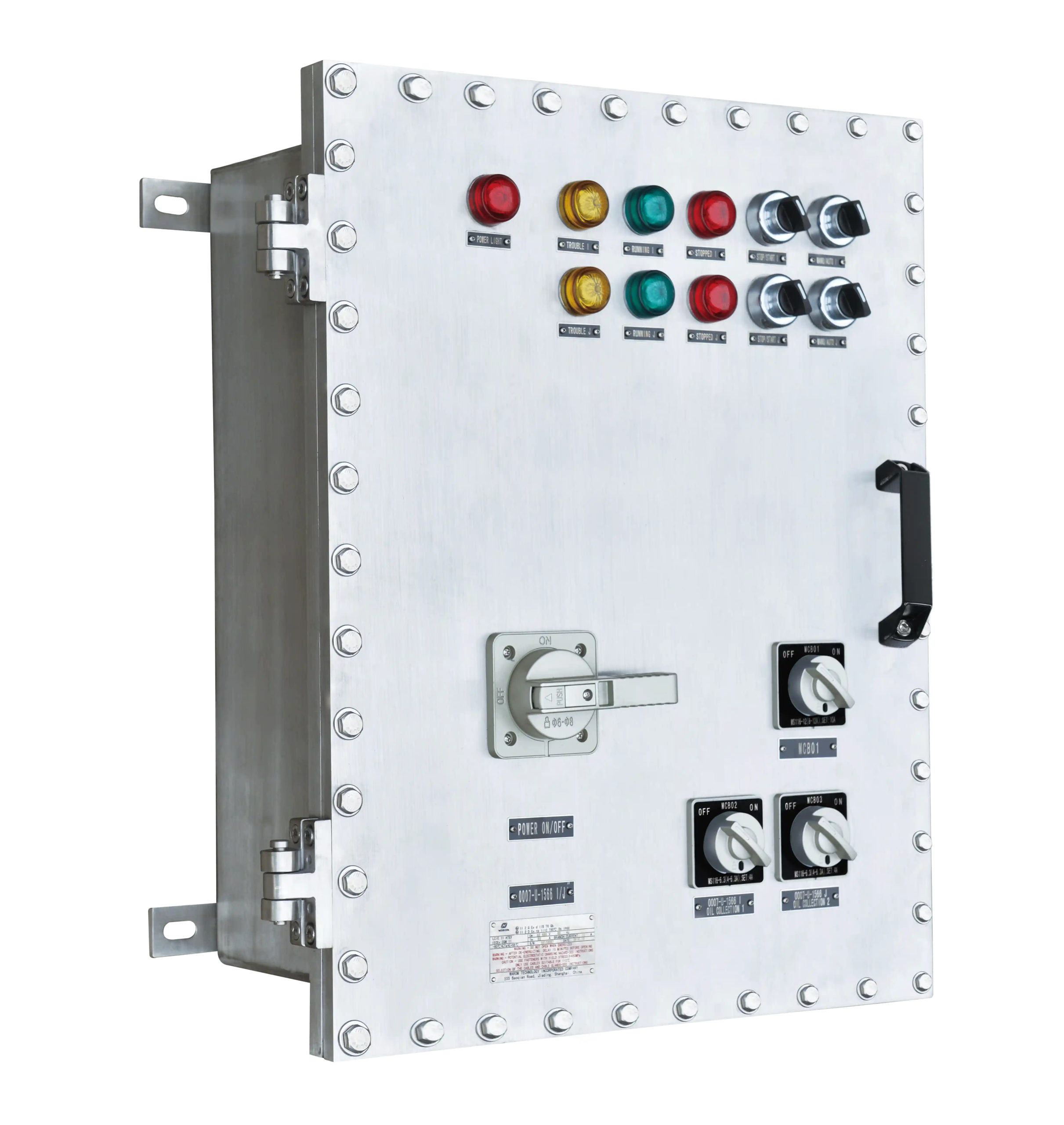
Uptime matters in continuous process industries. A camera failure at a critical monitoring point may require shutting down operations until repairs complete or alternative monitoring arrangements are made. The cost of lost production typically dwarfs equipment price differences.
WAROM’s work with Fushilai Pharmaceutical emphasized timely delivery and consistent quality. Pharmaceutical manufacturing operates under strict schedules, and equipment delays cascade through production planning. Reliable supply chains and proven equipment performance build the trust that sustains long-term partnerships.
How does an explosion-proof CCTV system integrate with existing industrial control systems?
Integration uses standard industrial protocols including Modbus and OPC UA. Most explosion-proof CCTV manufacturers provide software platforms that interface with SCADA systems. Video feeds display alongside process data, giving operators visual confirmation of conditions at monitored locations. The specific integration method depends on existing infrastructure and the capabilities of both the camera system and the control platform.
WAROM’s Track Record in Hazardous Area Projects
Project experience reveals capabilities that specifications alone cannot capture. WAROM has delivered explosion-proof CCTV and electrical systems across diverse industries and geographies, building practical knowledge of what works in real installations.
The Tilenga project in Uganda required equipment that could handle remote location challenges alongside technical requirements. Supply chain logistics, local support capabilities, and equipment durability all factored into project success. The zero safety incident record demonstrates that proper equipment selection and installation practices produce measurable results.
General Paint in Mexico needed customized solutions for their specific chemical handling operations. Gas detection, distribution equipment, and monitoring systems had to work together as an integrated safety layer. The project improved overall plant security and prevented incidents that could have caused injuries or production losses.
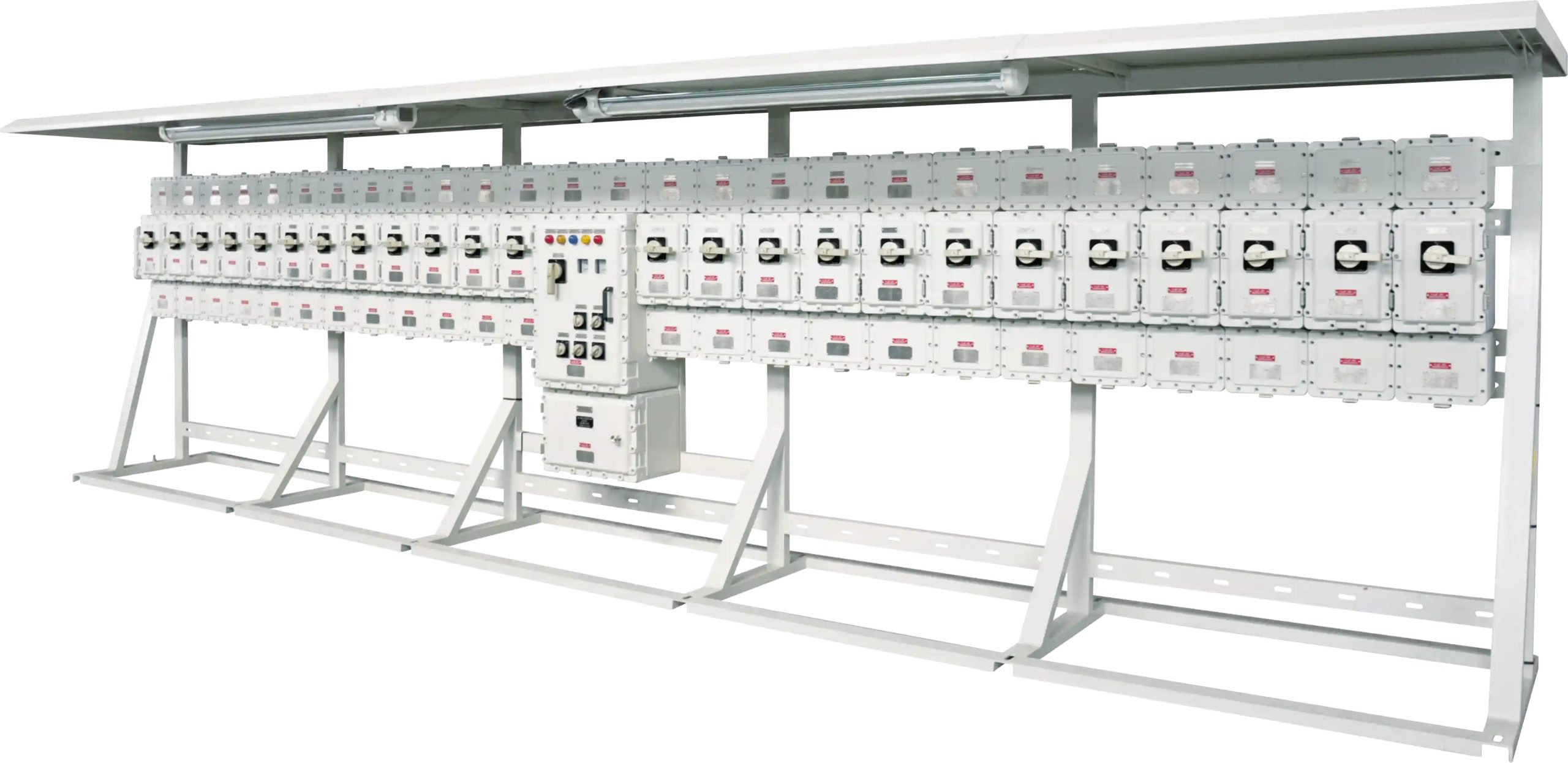
Fushilai Pharmaceutical showed that hazardous area expertise applies beyond oil and gas. Pharmaceutical manufacturing uses solvents and other flammable materials that create Zone 1 conditions. The explosion-proof illumination distribution boxes and related equipment WAROM provided met both safety requirements and the tight timelines pharmaceutical production demands.
Secure Your Operations with WAROM
WAROM TECHNOLOGY INCORPORATED COMPANY provides explosion-proof CCTV solutions engineered for Zone 1 hazardous areas. Contact our technical team at +86 21 39977076 or gm*@***om.com to discuss your facility requirements and identify the right equipment configuration for your monitoring needs.
Frequently Asked Questions About Explosion-Proof CCTV for Zone 1
What are the maintenance considerations for explosion-proof cameras in harsh environments?
Scheduled inspections should check enclosure seals, cable gland integrity, and surface condition for corrosion. Flameproof joints require particular attention since damage to these surfaces compromises the protection principle. Cleaning camera lenses and checking mounting hardware completes routine maintenance. WAROM designs equipment for minimal intervention, but documented inspection programs remain necessary for compliance and long-term reliability.
How do Zone 1 explosion-proof CCTV cameras differ from standard industrial cameras?
Zone 1 explosion-proof CCTV cameras use certified enclosures that contain internal faults and prevent external ignition. The enclosure design, material selection, and electrical component specifications all follow certification requirements like ATEX and IECEx. Standard industrial cameras lack these protective features and would create unacceptable ignition risks in flammable atmospheres. The certification process verifies that every aspect of the camera design meets hazardous area requirements.
Can WAROM’s explosion-proof CCTV systems be customized for unique site requirements?
WAROM provides customized explosion-proof solutions based on site-specific conditions. Engineering assessments consider the gas groups present, temperature classifications required, environmental exposure factors, and integration requirements with existing systems. This customization ensures that the final installation meets both regulatory requirements and operational needs for the specific hazardous area application.
With over a decade of experience, he is a seasoned Explosion-Proof Electrical Engineer specializing in the design and manufacture of safety and explosion-proof products. He possesses in-depth expertise across key areas including explosion-proof systems, nuclear power lighting, marine safety, fire protection, and intelligent control systems. At Warom Technology Incorporated Company, he holds dual leadership roles as Deputy Chief Engineer for International Business and Head of the International R&D Department, where he oversees R&D initiatives and ensures the precise delivery of design documentation for international projects. Committed to advancing global industrial safety, he focuses on translating complex technologies into practical solutions, helping clients implement safer, smarter, and more reliable control systems worldwide.

Qi Lingyi