

Marine environments with flammable gases, vapors, or combustible dusts demand communication equipment that will not become an ignition source. Explosion proof marine communication equipment is engineered to operate in these volatile atmospheres without generating the spark or heat that could trigger an explosion. This equipment protects personnel and assets while maintaining the operational continuity that marine and offshore operations require. The certification requirements, zone classifications, and available technologies form a framework that anyone specifying or operating this equipment needs to understand.
How Hazardous Zones Are Classified in Marine Operations
Marine operations encounter hazardous zones across oil and gas platforms, chemical tankers, and port facilities. These areas are classified based on how often an explosive atmosphere is likely to be present.
Zone 0 describes areas where an explosive atmosphere exists continuously or for extended periods. Zone 1 covers areas where an explosive atmosphere is likely to occur occasionally during normal operations. Zone 2 applies to areas where an explosive atmosphere is unlikely under normal conditions, and if it does occur, it will persist only briefly.
ATEX (Atmosphères Explosibles) and IECEx (International Electrotechnical Commission System for Certification to Standards Relating to Equipment for Use in Explosive Atmospheres) provide the certification framework for equipment used in these zones. ATEX is a European directive, while IECEx operates as a global certification system. Both require equipment to meet rigorous safety criteria before it can be deployed in classified hazardous areas on vessels or offshore installations.
The Tilenga project in Uganda illustrates how these requirements translate to real conditions. The project included wellpads, a central processing facility, and pipelines, with some infrastructure located within Murchison Falls National Park. The regulated environment and extreme conditions required explosion proof lighting and electrical systems that met both international and local standards. The project completed with zero safety incidents, which demonstrated that equipment meeting baseline regulatory requirements can perform reliably in demanding field conditions.
What Regulatory Requirements Apply to Hazardous Area Marine Communication
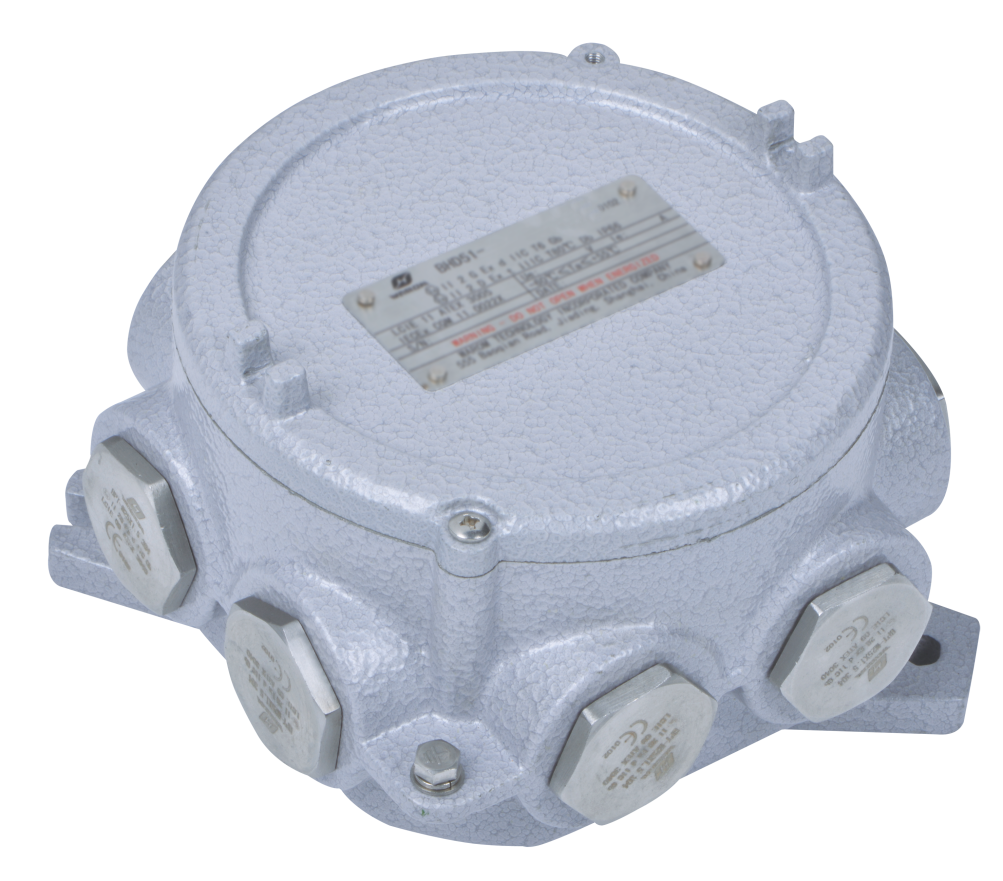
Regulatory requirements for hazardous area marine communication derive from international conventions such as SOLAS (Safety of Life at Sea) and from national maritime authorities. These regulations mandate certified explosion proof or intrinsically safe communication equipment in classified hazardous zones.
ATEX and IECEx compliance is typically required. This means devices must be designed and tested to prevent ignition in explosive atmospheres. The certification process evaluates construction materials, electrical characteristics, thermal properties, and fault tolerance. Equipment that passes receives markings indicating which zones and gas groups it is approved for.
Regular inspections and maintenance protocols form part of these requirements. Inspections verify that enclosures remain intact, seals have not degraded, and electrical connections maintain their integrity. Documentation of these inspections is often required for regulatory compliance.
Why Explosion Proof Marine Communication Systems Matter
Explosion proof marine communication systems prevent ignition of flammable gases, vapors, mists, or dusts present on ships, offshore platforms, or in port facilities. Without properly certified equipment, a radio transmission or a faulty connection could provide the ignition source for a catastrophic event.
Intrinsically safe communication devices operate with power levels low enough that they cannot generate sufficient thermal or electrical energy to ignite an explosive atmosphere, even under fault conditions. This approach limits energy at the source. Flameproof enclosures take a different approach: they contain any internal explosion within a robust housing and prevent its propagation to the surrounding atmosphere. Both methods eliminate ignition sources, but they do so through different engineering principles.
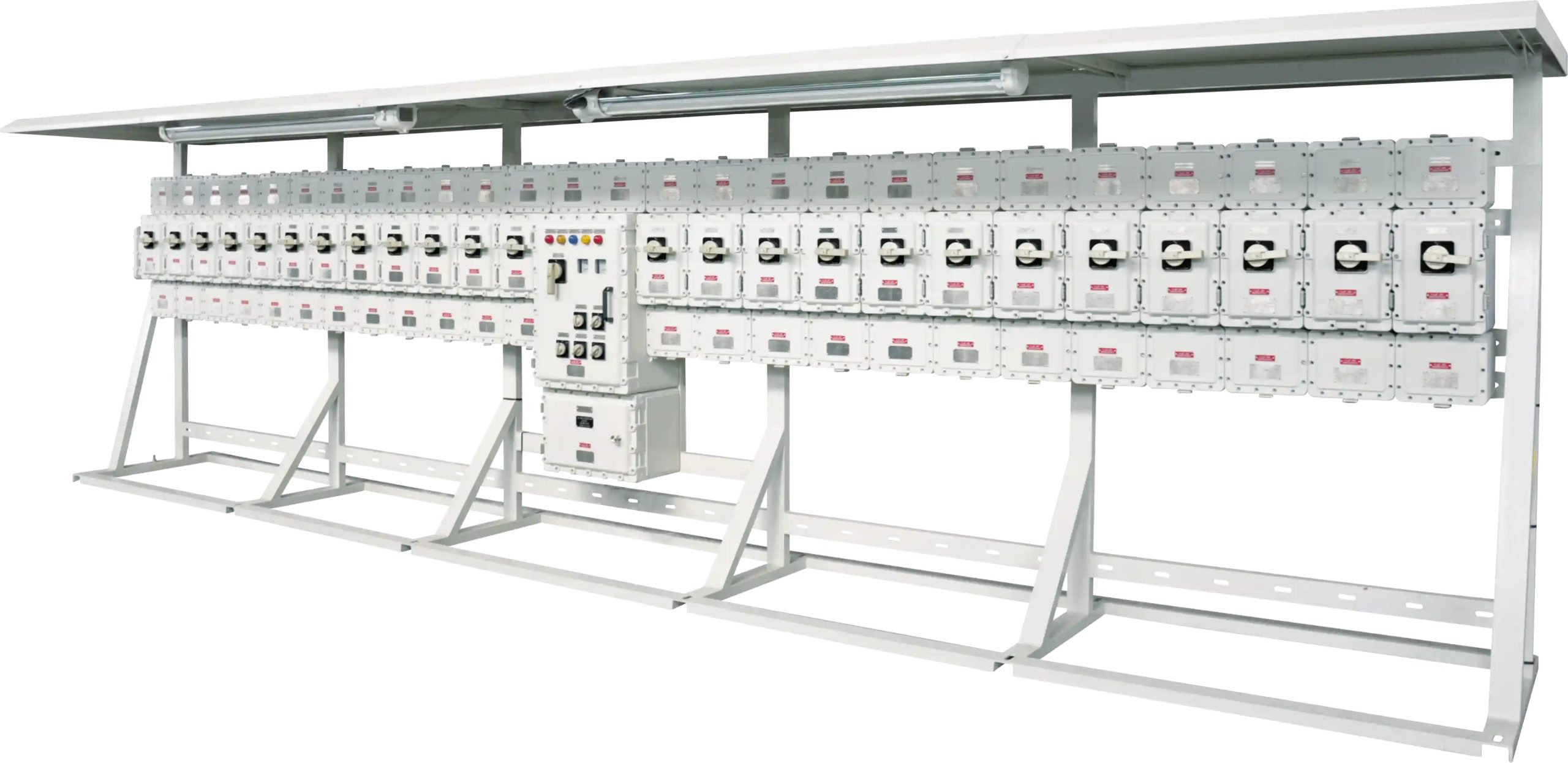
A project at General Paint in Mexico demonstrated how these principles apply in practice. The chemical plant had flammable risks and serious electrical safety hazards. The solution included specialized explosion proof plugs, junction boxes, and distribution boxes. This intervention addressed the specific hazards present and prevented potential fires or explosions. The project showed that equipment selection must match the specific hazards of each facility rather than following a generic specification.
What Makes Communication Equipment Explosion Proof for Marine Use
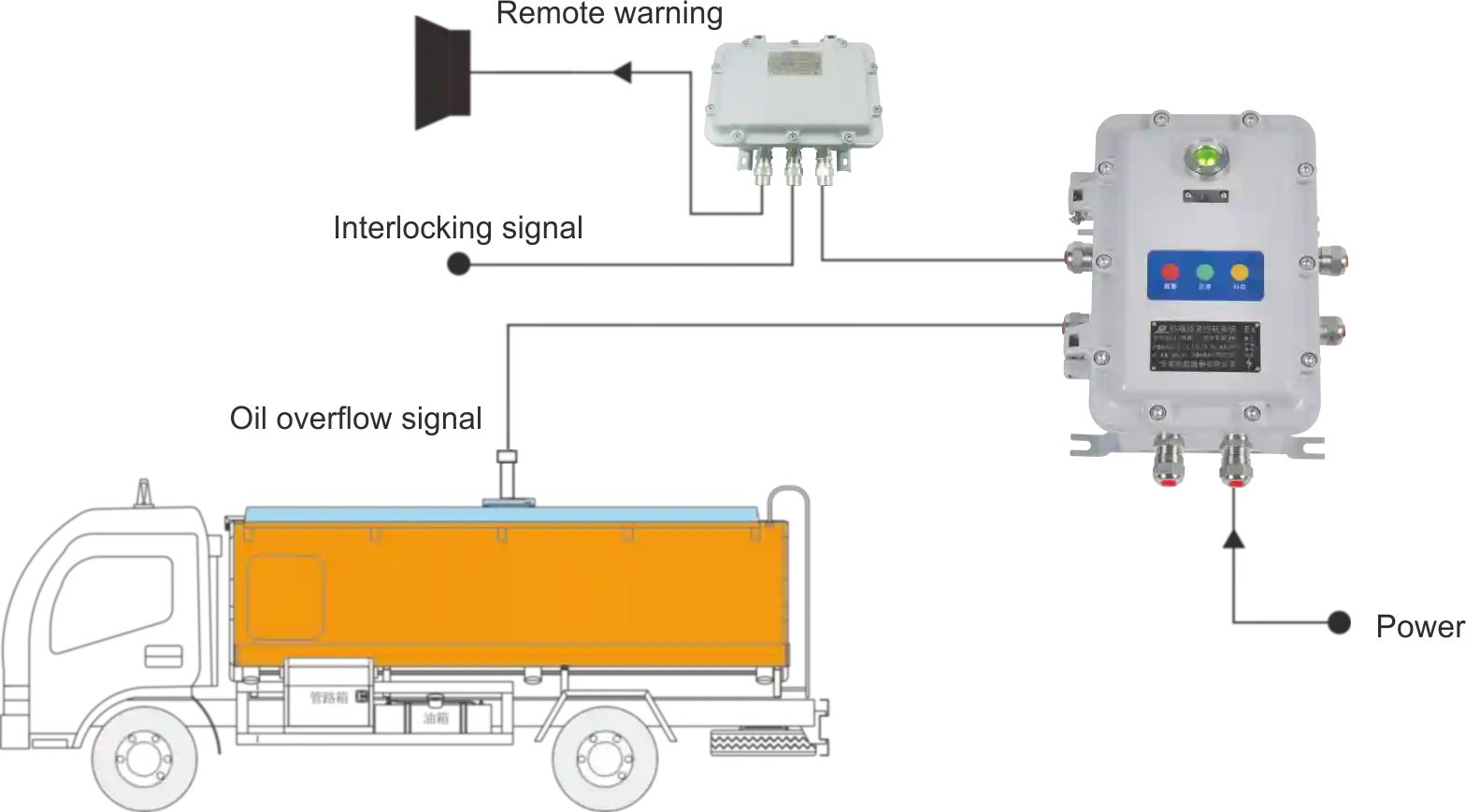
Explosion proof marine communication equipment is constructed to prevent ignition of explosive atmospheres through one of two methods. Intrinsically safe designs limit electrical and thermal energy to levels incapable of causing ignition. Flameproof designs contain any potential internal explosion within a robust enclosure.
Materials must withstand harsh marine conditions. Specialized alloys and reinforced plastics provide corrosion resistance in saltwater environments. Enclosures are designed to maintain their integrity despite exposure to waves, spray, and humidity.
ATEX or IECEx certification confirms that equipment meets safety standards for designated hazardous zones. The certification process includes type testing, manufacturing audits, and ongoing surveillance. Equipment markings indicate the specific zones, gas groups, and temperature classes for which the equipment is approved.
How Marine Communication Systems Ensure Safety in Hazardous Zones
Marine communication systems ensure safety in hazardous zones by eliminating the equipment itself as a potential ignition source. Certified explosion proof or intrinsically safe designs prevent sparks, hot surfaces, or electrical arcs from reaching the surrounding atmosphere.
These systems facilitate clear, reliable communication between personnel, vessels, and shore. This communication supports routine operations, emergency response, and coordination of safety procedures. When an incident occurs, the ability to communicate quickly and clearly affects how effectively personnel can respond.
Robust construction and adherence to international standards mean these systems function reliably in challenging environments. Equipment that fails during an emergency creates additional hazards. Reliability under stress is a fundamental requirement, not a desirable feature.
Technologies and Features for Reliable Marine Communication
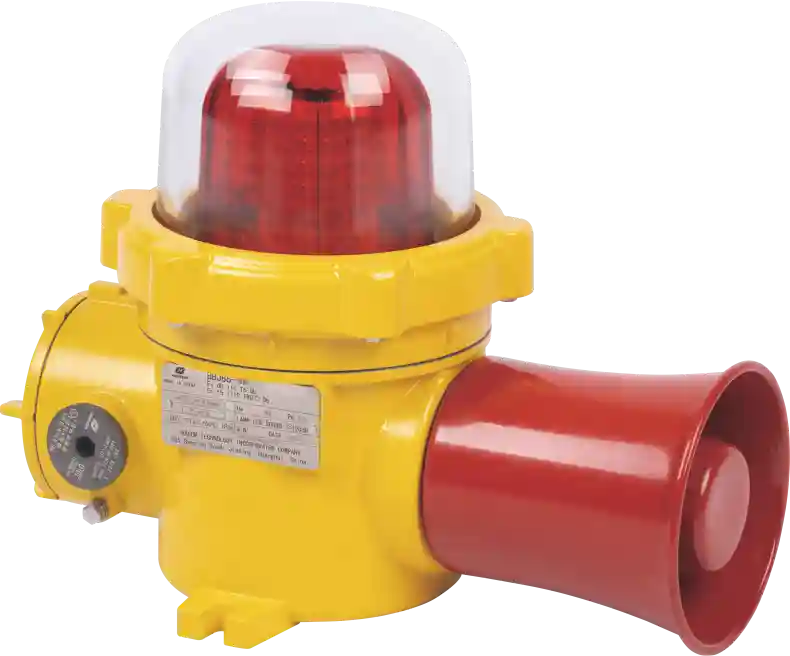
Modern explosion proof marine communication integrates several technologies to meet the demands of hazardous environments. Two-way radios remain a primary tool, offering immediate voice communication. Digital radio systems provide clearer audio and enhanced security compared to analog systems.
VHF (Very High Frequency) marine radio is typically used for short-range communication, such as ship-to-ship or ship-to-shore within line of sight. UHF (Ultra High Frequency) offers better penetration in enclosed spaces but with shorter range. The choice between VHF and UHF depends on the specific operational environment and communication requirements.
Advanced systems incorporate GPS tracking, man-down alarms, and encrypted channels. The IP rating (Ingress Protection) indicates resistance to water and dust. An IP66 rating means the equipment is dust-tight and protected against powerful water jets, which is essential for marine applications where equipment is exposed to spray and waves.
The Fushilai Pharmaceutical project required integration of diverse explosion proof equipment, including distribution boxes, across critical industrial zones. The project demonstrated that communication devices must be considered as part of a complete infrastructure. The complexity of integrating these components while maintaining explosion protection requires careful planning and technical expertise.
| Feature | VHF Radio | UHF Radio | Satellite Phone | Digital Radio System |
|---|---|---|---|---|
| Range | Line-of-sight | Shorter, building penetration | Global | Varies, often extended |
| Data Capability | Limited | Limited | Moderate | High |
| Hazardous Area Suitability | Yes (certified models) | Yes (certified models) | Yes (certified models) | Yes (certified models) |
| Primary Use | Local comms, distress | Local comms, internal | Long-range, remote | Enhanced voice, data |
| Cost | Low to Medium | Low to Medium | High | Medium to High |
How to Select and Deploy Explosion Proof Marine Communication Equipment
Selecting and deploying explosion proof marine communication equipment requires understanding the specific hazardous zones, operational needs, and environmental conditions. Zone classification determines which certification level is required. Operational needs determine which features are necessary. Environmental conditions determine which materials and construction methods will provide adequate durability.
Corrosion resistance is critical in saltwater environments. Equipment that performs well in laboratory testing may fail quickly when exposed to salt spray, humidity, and temperature cycling. Material selection and protective coatings affect long-term reliability.
Battery life for explosion proof devices affects operational planning. Devices must remain operational during extended shifts or emergencies. Battery replacement or charging procedures must be compatible with hazardous area requirements.
The Fushilai Pharmaceutical project involved early coordination with the promoter, design institute, and project owner. This coordination ensured that the chosen equipment was not only compliant but also integrated properly into the overall communication infrastructure. Equipment selection without this coordination often results in compatibility problems or gaps in coverage.
Maintenance of hazardous area equipment requires regular inspections, testing, and servicing. These activities verify that explosion protection features remain intact. Enclosure seals, cable glands, and electrical connections can degrade over time. Proactive maintenance prevents failures that could compromise safety or disrupt operations.
What Standards Apply to Explosion Proof Marine Communication
ATEX and IECEx directives continue to evolve as technology advances and safety science develops. Updates include more detailed requirements for equipment design, testing, and installation. New materials and digital functionalities receive particular attention as they become more common in communication equipment.
Maritime classification societies such as CCS, DNV, and BV issue their own rules that supplement international standards. These rules focus on marine-specific applications and environmental challenges. Equipment certified to ATEX or IECEx may require additional certification from a classification society for use on classified vessels.
The challenges of communication in offshore environments include vast distances, extreme weather, and the isolation of marine operations. Future developments will likely include more resilient mesh networks, satellite-based solutions with higher bandwidth, and systems that can analyze communication patterns for potential safety risks. The Tilenga project demonstrated that equipment meeting current standards can perform reliably in demanding conditions, but the standards themselves continue to develop as operational experience accumulates.
Frequently Asked Questions
What is the typical lifespan of explosion proof marine communication equipment?
Explosion proof marine communication equipment typically lasts 5 to 10 years, depending on environmental exposure, maintenance quality, and initial build quality. Saltwater environments accelerate degradation of seals and coatings. Regular inspections and adherence to manufacturer maintenance guidelines extend operational life. Equipment in sheltered locations with good maintenance practices tends toward the longer end of this range.
Are there specific training requirements for operating intrinsically safe marine radios?
Operating intrinsically safe marine radios typically requires training that covers proper usage, maintenance procedures, and the limitations of the equipment within hazardous zones. Training content varies by jurisdiction and employer, but generally includes how to verify equipment certification, recognize damage that could compromise safety, and follow proper procedures for battery replacement and charging. This training reduces the risk of improper use that could compromise safety.
How does corrosion resistance impact the longevity of marine communication devices?
Corrosion resistance directly affects how long marine communication devices remain functional in saltwater environments. Materials and coatings designed to withstand corrosive elements prevent premature failure of enclosures, connectors, and internal components. Equipment without adequate corrosion protection degrades quickly, with seal failures and connector corrosion often occurring within the first year of exposure. The additional cost of corrosion-resistant materials is typically justified by extended service life.
Can standard communication equipment be modified for hazardous marine environments?
Standard communication equipment cannot be reliably modified for hazardous marine environments. Explosion proof certification requires specific design, components, and testing that cannot be achieved through aftermarket modification. The certification process evaluates the complete design, including internal component placement, enclosure construction, and electrical characteristics. Using non-certified equipment in hazardous zones creates serious safety risks and violates regulatory requirements. If you need to evaluate options for a specific application, contact us at gm*@***om.com or call +86 21 39977076 to discuss your requirements.
If you’re interested, check out these related articles:
Explosion Proof LED Lights: Guide to Hazardous Area Safety
Class 1 Division 1 vs Division 2 Lighting: 2025 Safety Guide
Warom Technology Shines CSSOPE 2024
Warom at 40th ADIPEC 2024
With over a decade of experience, he is a seasoned Explosion-Proof Electrical Engineer specializing in the design and manufacture of safety and explosion-proof products. He possesses in-depth expertise across key areas including explosion-proof systems, nuclear power lighting, marine safety, fire protection, and intelligent control systems. At Warom Technology Incorporated Company, he holds dual leadership roles as Deputy Chief Engineer for International Business and Head of the International R&D Department, where he oversees R&D initiatives and ensures the precise delivery of design documentation for international projects. Committed to advancing global industrial safety, he focuses on translating complex technologies into practical solutions, helping clients implement safer, smarter, and more reliable control systems worldwide.

Qi Lingyi