

When a procurement team first encounters a CNEX certificate requirement in a project specification for China, the immediate question is rarely about theory. It is about how long the application will take and what can go wrong. Having spent over three decades manufacturing explosion-proof equipment and supporting certification for projects ranging from Ugandan oilfields to Chinese pharmaceutical plants, I can say this: the process is predictable if you prepare for the parts that most applicants underestimate. The documentation audit and factory inspection are where timelines stretch, not the testing itself. This article lays out the application sequence, the documents that actually get scrutinized, and the timeline as it plays out in practice rather than in official guidelines.
What CNEX Certification Means for Explosion Proof Equipment
CNEX certification is China’s national conformity assessment for equipment intended for use in explosive atmospheres. It operates under the China Compulsory Certification framework, referencing the GB 3836 series of standards, which align structurally with the IEC 60079 series but include additional national requirements. For any manufacturer or exporter placing explosion-proof electrical equipment into the Chinese market, a valid CNEX certificate is not optional. It is the legal prerequisite for installation in hazardous areas within China.
The certification covers all major protection concepts: flameproof enclosures, increased safety, intrinsic safety, and dust ignition protection. Equipment categories mirror the international zone system, with specific markings that Chinese safety inspectors and end users recognize immediately. A product carrying CNEX certification has undergone type testing at an accredited Chinese laboratory and the manufacturer’s production capability has been verified through an on-site factory audit.
From the manufacturer’s perspective, CNEX is distinct from ATEX or IECEx in one practical way: the factory audit places heavier emphasis on production consistency and quality system documentation than some international counterparts. I have observed this firsthand when preparing multiple product lines for CNEX submission at Warom. The audit team from the certification body does not merely review paperwork. They trace a product from incoming raw material inspection through to final testing records, and they expect to see evidence that every unit produced matches the type-tested sample.
Pre-Application Preparation and Required Documentation
Before submitting the formal application to a CNEX-authorized certification body, the manufacturer must assemble a documentation package that goes well beyond product drawings. The following items form the core of every submission and are the ones most frequently returned for revision.
The technical dossier must include a complete set of explosion-protection drawings showing all flame paths, sealing arrangements, and enclosure dimensions with tolerances. These drawings are compared against the physical sample during type testing, and any discrepancy stops the process. The dossier also requires a risk assessment covering all potential ignition sources relevant to the protection concept, an operating manual in Chinese that describes installation and maintenance procedures, and a detailed bill of materials listing every component with its material specification and, where applicable, its own certification.
One document that often causes delays is the description of the manufacturing process. The certification body needs to understand how explosion-protection-critical operations are controlled. For a flameproof enclosure, this means documenting the casting or machining process for flame paths, the tightening torque specifications for fasteners, and the procedures for verifying dimensional compliance in production. Warom’s experience supplying the Tilenga project in Uganda reinforced this point: the same quality documentation discipline required for international project acceptance shortens CNEX preparation considerably. If your organization already maintains ISO 9001 records at the level where individual production batches are traceable to inspection reports, the documentation phase can be completed in four to six weeks. Without that foundation, expect twice as long.
The CNEX Application and Testing Process Step by Step
The formal certification process follows a structured sequence. Understanding the dependencies between each step helps procurement teams plan project schedules accurately.
The first step is selecting an authorized certification body. China has several accredited organizations, including CQST, NEPSI, and CNEx. The choice matters because testing capacity and audit scheduling vary between bodies. I recommend contacting at least two to confirm their current lead times before committing. Once selected, the manufacturer submits the formal application along with the technical dossier described above.
After the documentation review passes, the certification body issues a type-testing plan. The manufacturer ships production-representative samples to the testing laboratory. Type testing for flameproof equipment typically includes explosion pressure testing, flame transmission testing, and thermal endurance testing on enclosure materials. For Ex e increased safety equipment, the focus shifts to insulation resistance, creepage and clearance distances, and temperature rise under rated load. Testing duration depends on equipment complexity but generally spans six to ten weeks for straightforward products. Complex assemblies with multiple protection concepts can extend to fourteen weeks or more.
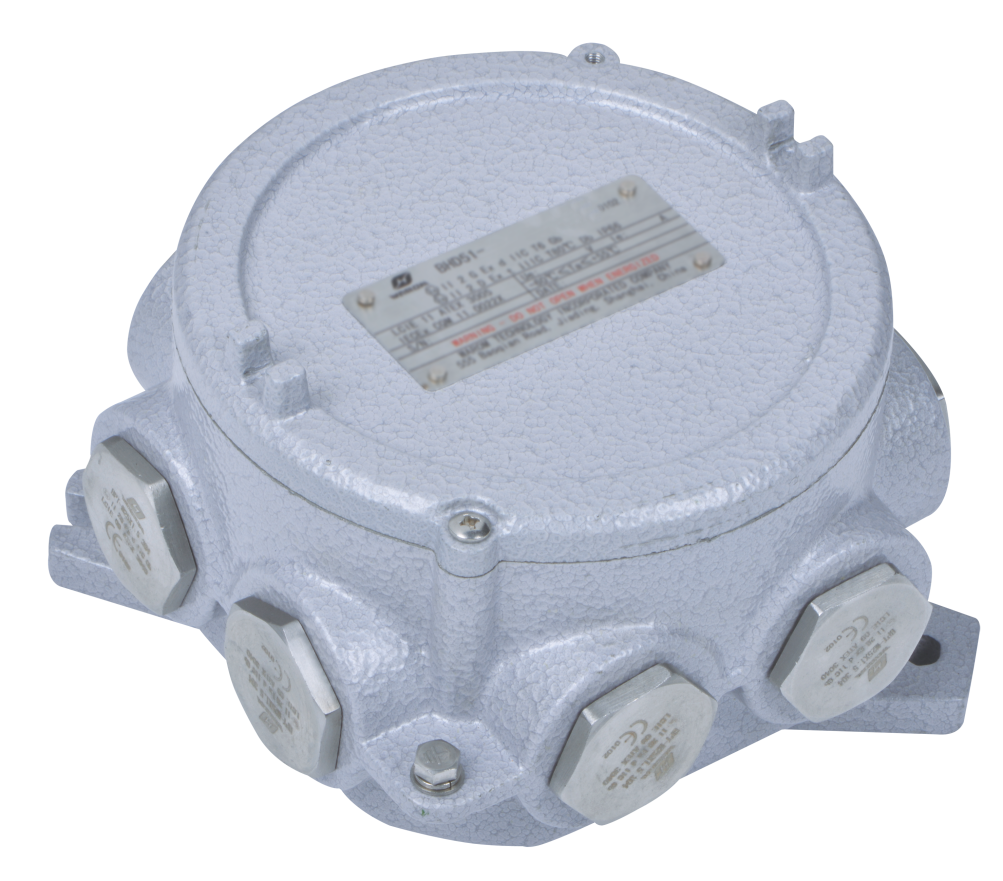
While type testing proceeds, the factory audit can often be scheduled in parallel. The audit scope includes incoming inspection, production process control, testing equipment calibration, and the manufacturer’s quality management system. Auditors pay particular attention to whether the production process can consistently replicate the characteristics verified during type testing. At Warom, we maintain dedicated production lines for certified product families with documented setup parameters that auditors can verify directly against type-test records. This level of transparency typically shortens the audit by a full day.
Upon successful completion of both type testing and factory audit, the certification body issues the CNEX certificate. The certificate is valid for five years, subject to annual surveillance audits that are less comprehensive than the initial audit but still require the manufacturer to demonstrate ongoing compliance.
If your project involves equipment with multiple configurations or variants, each variant that affects explosion protection requires either separate certification or coverage under a representative model range as defined in the certification rules. Discussing this with the certification body early prevents the discovery six months in that a key configuration was not included in the scope.
Realistic Timelines and Factors That Influence CNEX Approval
Official guidelines suggest a total CNEX certification timeline of four to six months for standard equipment. In practice, I have seen the process complete in under four months for simple products where the manufacturer had pre-existing IECEx certification and could leverage test data through the acceptance of previous assessments. I have also seen it extend past nine months when applicants underestimated the documentation requirements.
The single largest variable is the completeness and quality of the technical dossier at first submission. Every round of document review comments adds three to four weeks to the process. The second largest variable is testing queue length at the chosen laboratory. During periods of high application volume, which typically follow regulatory updates, the waiting time for test bench availability alone can be six weeks even before testing begins.
The table below summarizes the typical phase durations based on Warom’s recent certification projects across multiple product categories.
| Phase | Best-Case Duration | Typical Duration | Extended Duration |
|---|---|---|---|
| Documentation preparation and review | 4 weeks | 6–8 weeks | 12+ weeks |
| Type testing (standard product) | 4 weeks | 6–10 weeks | 14+ weeks |
| Factory audit scheduling and completion | 2 weeks | 3–4 weeks | 6 weeks |
| Certificate issuance after all approvals | 2 weeks | 3–4 weeks | 6 weeks |
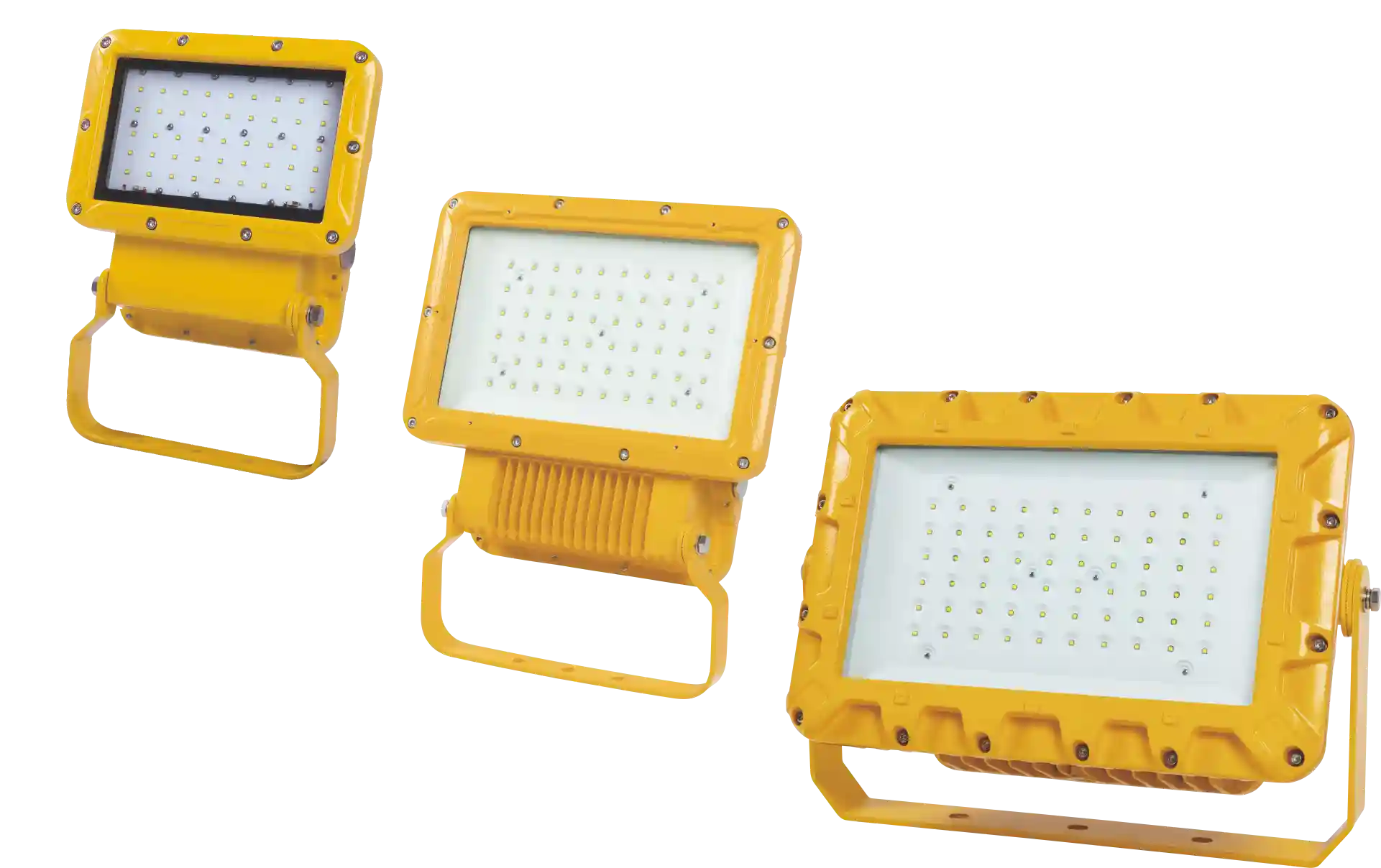
A factor that procurement teams sometimes overlook is the renewal requirement. The five-year certificate validity may seem generous, but annual surveillance audits are mandatory. Missing a surveillance audit can result in certificate suspension, which in turn halts product shipments for active projects. Build this into your supplier qualification process: confirm that the manufacturer’s CNEX certificates are current, check the next surveillance audit due date, and verify that the equipment model numbers on the certificate match exactly what is being quoted.
For EPC projects where the explosion-proof equipment package spans dozens of product types, it is worth confirming early whether the manufacturer holds in-house CNEX certifications for all specified items or intends to apply for new certifications as part of the project. If new certifications are required, the project schedule must accommodate the full timeline, not just lead time for manufacturing. Send your equipment list and required certification status to the supplier at the RFQ stage and ask for a certificate-by-certificate status report.
Maintaining Compliance After Certification
Obtaining the CNEX certificate is not the end of the compliance obligation. The certificate requires the manufacturer to maintain the product exactly as certified and to implement a production consistency program that the certification body verifies annually.
The annual surveillance audit checks that the manufacturing process has not drifted from the certified parameters, that raw material specifications remain unchanged, and that testing equipment calibration is current. Any change to the explosion-protection-relevant design requires either a supplementary type test or a formal assessment by the certification body. This includes changes that may seem minor from a procurement perspective, such as relocating a cable entry or changing a gasket material. If your project specification evolves after certification, check with the manufacturer whether the change affects the certificate scope before accepting the variation.
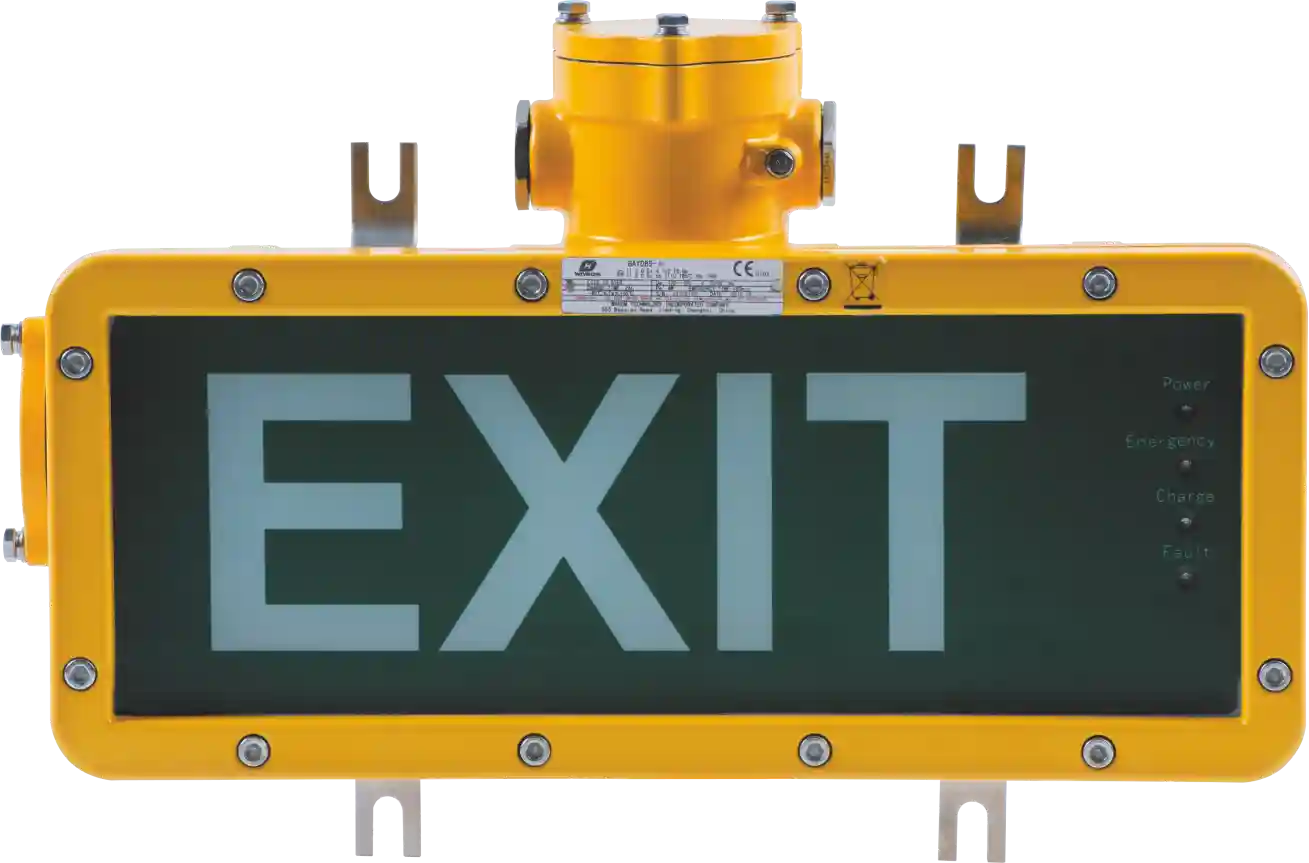
One practice I have found valuable during project execution is requesting a copy of the manufacturer’s most recent surveillance audit report. It confirms that the certificate is genuinely active and that no non-conformances were recorded. A certificate number without a corresponding clean audit record is worth investigating further before accepting the equipment for installation.
Common Questions About CNEX Certification for Explosion Proof Equipment
CNEX certificates are often misunderstood by international buyers who are more familiar with ATEX or IECEx, but the principles are similar and the practical differences are manageable once you know what to look for.
A CNEX certificate alone is not sufficient for equipment used outside China. CNEX is recognized within China’s regulatory framework and in some countries that accept Chinese certification bilaterally. For projects in the Middle East, Southeast Asia, or Africa where the specification references ATEX or IECEx, CNEX certification does not automatically satisfy the requirement. However, many manufacturers who hold CNEX certification also maintain ATEX or IECEx certificates for the same product families, as the underlying engineering and testing requirements overlap considerably. Warom’s product range, for example, carries dual certification for most explosion-proof lighting and distribution equipment, which simplifies procurement for international EPC contractors who need to satisfy both Chinese and international standards within a single project.
The application can be initiated by the manufacturer, not by the buyer or end user. CNEX certification is a manufacturer-held certificate tied to a specific production facility. As a buyer, your role is to verify the certificate’s existence and validity, not to apply for it. That said, if you are specifying custom-engineered explosion-proof equipment for a project and the manufacturer does not already hold CNEX certification for that configuration, the certification timeline must be built into the project schedule and should be discussed during the technical clarification phase of procurement.
Equipment already certified under IECEx can follow a somewhat accelerated path to CNEX. Chinese certification bodies accept IECEx test reports for partial data transfer under specific conditions defined in the certification rules. The manufacturer can submit the IECEx test report along with the application, and the certification body determines which tests can be accepted without repetition. This typically reduces the type-testing phase by several weeks, though a full factory audit is still required regardless of prior international certifications.
The certificate validity period of five years is not a guarantee without annual maintenance. Surveillance audits are mandatory in years two through five. If a manufacturer allows a certificate to lapse due to missed surveillance, reinstatement can take almost as long as the initial certification. When qualifying a new supplier, requesting the complete audit history for their key CNEX certificates gives you a clearer picture of their compliance track record than the certificate alone provides.
If your next project requires CNEX-certified explosion-proof equipment and you are evaluating suppliers or building a procurement schedule, send your equipment specifications and target certification requirements to gm*@***om.com or call +86 21 39977076. We can confirm which of your specified items are already covered by active CNEX certificates and provide a realistic certification timeline for any items that require new application, so your project plan reflects actual lead times rather than assumptions.
If you’re interested, check out these related articles:
Balikpapan Industrial Expo – BEX
Warom Safety Engineering ‘s deep commitment to the northwest market bears more fruit
Forge Ahead with Vigorous Spirit • Warom Starts the New Year with Grand Prosperity
Day 2 of Australian Energy Producers Conference & Exhibition 2025
With over a decade of experience, he is a seasoned Explosion-Proof Electrical Engineer specializing in the design and manufacture of safety and explosion-proof products. He possesses in-depth expertise across key areas including explosion-proof systems, nuclear power lighting, marine safety, fire protection, and intelligent control systems. At Warom Technology Incorporated Company, he holds dual leadership roles as Deputy Chief Engineer for International Business and Head of the International R&D Department, where he oversees R&D initiatives and ensures the precise delivery of design documentation for international projects. Committed to advancing global industrial safety, he focuses on translating complex technologies into practical solutions, helping clients implement safer, smarter, and more reliable control systems worldwide.

Qi Lingyi