

Industrial environments present a dual challenge: robust electromagnetic compatibility (EMC) and stringent explosion protection. Shielded control cables, vital for signal integrity in complex automation systems, require specialized cable glands that address both concerns simultaneously. The growing complexity of industrial automation demands solutions that safeguard against electromagnetic interference (EMI) and radio frequency interference (RFI) while preventing ignition in hazardous areas. This technical overview of EMC explosion proof cable glands emphasizes their critical role in industrial safety and reliable operation.
Why EMC and Explosion Protection Must Work Together in Cable Glands
The contemporary industrial landscape demands not only operational efficiency but also uncompromising safety and data integrity. This dual imperative becomes particularly pronounced when dealing with electrical systems in hazardous areas, where the presence of flammable substances poses a constant threat. Electromagnetic compatibility and explosion protection are two critical engineering disciplines that converge at the cable gland, a seemingly small component with immense responsibility.
EMI and RFI are ubiquitous in industrial environments, generated by motors, variable frequency drives, power lines, and communication systems. These disturbances can couple onto unshielded or improperly terminated control cables, inducing noise that corrupts sensitive signals. The consequences range from minor operational glitches and false readings to complete system shutdowns and potential safety incidents, especially in automated processes where precise control is paramount. Shielding effectiveness is not merely about performance; it is about maintaining the reliability of critical control systems.
Many industries operate in hazardous locations, classified by the presence of flammable gases, vapors, mists, or combustible dusts. These include oil and gas, chemical processing, pharmaceuticals, and mining. Any electrical spark, hot surface, or arc from equipment in these areas can act as an ignition source, leading to catastrophic explosions. Explosion proof certification, such as ATEX or IECEx, provides assurance that equipment, including cable glands, is designed and tested to prevent such ignitions. This involves various protection concepts, including flameproof enclosures (Ex d), which contain an internal explosion and prevent its propagation to the outside atmosphere, and increased safety (Ex e), which focuses on preventing sparks and excessive temperatures. Intrinsic safety (Ex i) is another method, limiting electrical energy to prevent ignition.
Standard cable glands, while effective for mechanical retention and environmental sealing (e.g., maintaining an IP rating), lack the specialized design features required for both EMC compliance and explosion protection. They typically do not provide a 360-degree electrical connection to the cable shield, which is essential for effective EMI/RFI suppression. They are not constructed to contain or prevent explosions in hazardous atmospheres.
The General Paint electrical safety upgrade project in Mexico serves as a reminder of the consequences of inadequate electrical safety. Our team identified serious electrical hazards in a chemical plant where flammable gases and dusts were present. The existing infrastructure lacked proper explosion protection, creating a high risk of ignition. The solution involved implementing a comprehensive explosion-proof system, including specialized plugs, junction boxes, and static electricity discharge devices. This intervention not only prevented potential fires and explosions but also integrated our products into their procurement system, establishing a replicable technical-marketing model for similar customers. Overlooking either EMC or explosion protection can compromise both operational efficiency and human safety.
What Design Features Define Effective EMC Explosion Proof Cable Glands
The selection and implementation of EMC explosion proof cable glands require a detailed understanding of their specific design and performance characteristics. These glands are engineered to fulfill multiple critical functions simultaneously: secure cable retention, environmental sealing, electromagnetic shielding, and explosion protection. Each element contributes to the overall integrity and safety of the electrical installation.
Material selection is a primary consideration. Common materials include nickel-plated brass and stainless steel. Nickel-plated brass offers excellent electrical conductivity for effective shield grounding and good corrosion resistance in many industrial environments. Stainless steel cable glands, particularly 316-grade, provide superior resistance to harsh chemicals, extreme temperatures, and mechanical stress, making them suitable for highly corrosive or demanding applications. In pharmaceutical facilities like the Fushilai Pharmaceutical CM/CDMO construction project, where chemical exposure is a constant, robust sealing and anti-corrosion properties are essential for long-term reliability.
Sealing technology is vital for maintaining ingress protection (IP ratings). Glands typically employ elastomeric seals, O-rings, or compound barrier seals to prevent the entry of dust, moisture, and hazardous liquids into the enclosure. The IP66 rating, common for explosion-proof equipment, signifies complete protection against dust ingress and powerful water jets. This sealing also plays a role in explosion protection by creating a tight barrier that prevents the escape of internal flames or hot gases.
EMC grounding and shield termination are central to electromagnetic compatibility. Effective EMC explosion proof cable glands provide a low-impedance, 360-degree connection to the cable shield. This is often achieved through specific designs, such as spring-loaded contacts, conductive inserts, or cone clamping systems, which ensure continuous electrical contact between the cable shield and the gland’s metallic body. This connection diverts high-frequency noise currents away from sensitive equipment, maintaining signal integrity.
Strain relief is another critical feature, preventing mechanical stress on cable connections that could lead to damage or compromise the gland’s sealing and grounding functions. The design typically incorporates a clamping mechanism that secures the cable firmly, protecting it from pull-out forces and vibrations. These glands must withstand a wide temperature range and vibration resistance, ensuring their integrity in dynamic and thermally challenging environments.
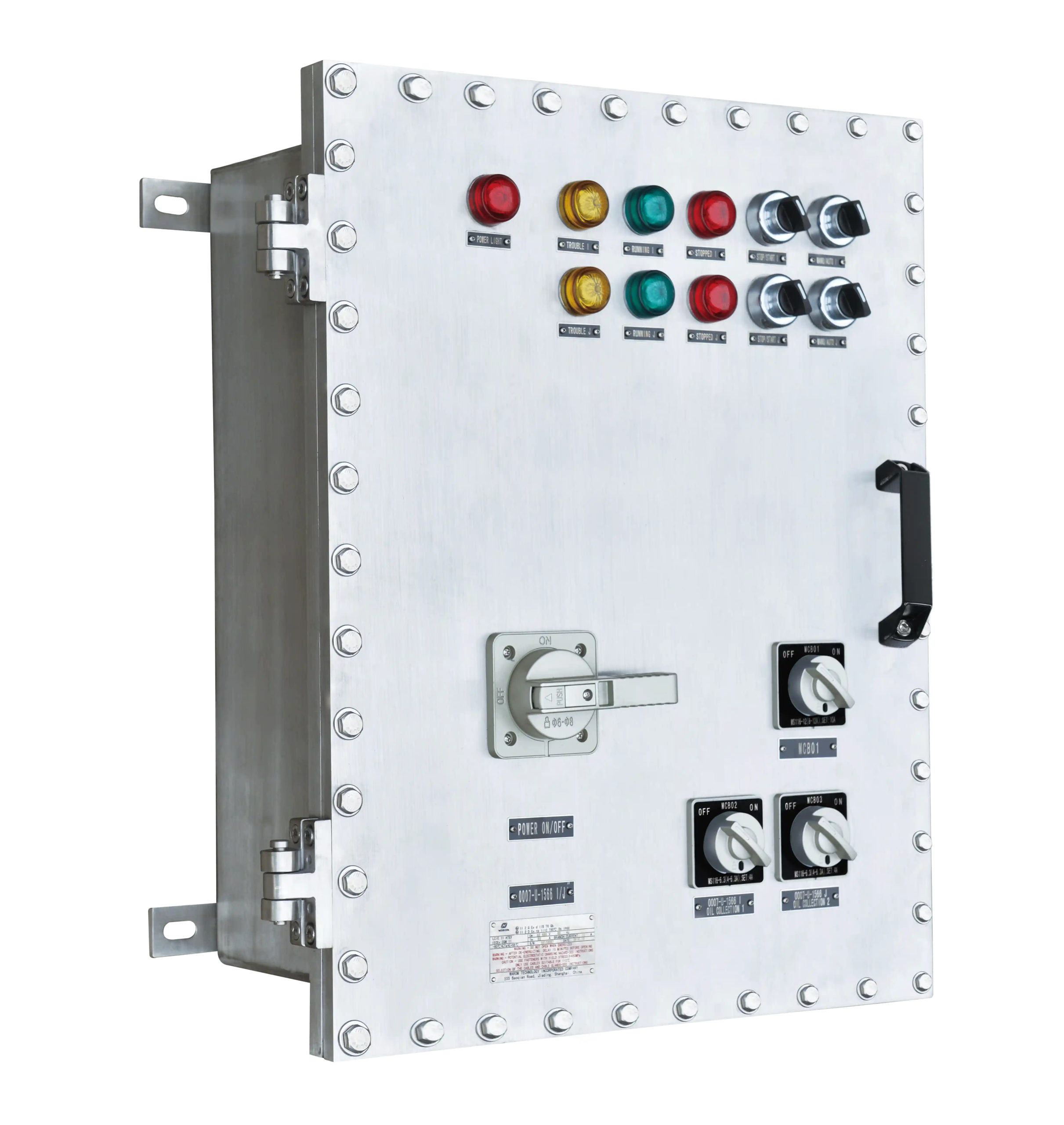
How ATEX, IECEx, and UL Certifications Govern Global Compliance
Global industrial operations necessitate a thorough understanding of the various certification and standards governing hazardous area equipment, particularly for EMC explosion proof cable glands. These regulatory frameworks ensure that products meet stringent safety and performance criteria, mitigating risks in potentially explosive atmospheres. Key international and regional certifications include ATEX, IECEx, and UL.
ATEX certification, mandated for equipment used in potentially explosive atmospheres within the European Union, classifies equipment into groups and categories based on the level of protection and the type of hazardous atmosphere. IECEx standards provide a globally recognized framework for explosion protection, facilitating international trade and standardizing safety practices across different countries. UL listed certifications are crucial for equipment deployed in North American markets, adhering to specific safety standards developed by Underwriters Laboratories.
Compliance with these standards is not merely a legal requirement; it is fundamental to operational safety and continuity. Non-compliance can result in severe consequences, including catastrophic accidents, legal liabilities, and significant financial penalties. Manufacturers must demonstrate rigorous adherence to these standards through comprehensive testing, documentation, and quality control processes. This includes detailed product marking, which provides essential information about the equipment’s certification, protection type, and applicable hazardous area classifications.
Our DQM-III/II Series Explosion Proof Cable Glands are certified to both IECEx (IECEx TUR 22.0035X) and ATEX (TÜV 22 ATEX 8855X), confirming their suitability for Gas and Dust: Ex db IIC Gb and Ex tb IIIC Db environments, respectively. These certifications ensure that the glands prevent flame propagation and exclude ignitable dusts, providing a secure cable entry solution.
The Tilenga project in Uganda exemplifies the critical role of global compliance. This large-scale oil and gas development, with infrastructure located partly within Murchison Falls National Park, demanded equipment that met the highest international safety and environmental standards. We supplied explosion-proof lighting and electrical systems, ensuring zero safety incidents and reliable performance under extreme conditions. Our ability to meet these stringent international standards and deliver certified solutions reflects our commitment to safety and operational excellence in complex, regulated environments.
| Certification | Scope | Key Focus |
|---|---|---|
| ATEX | European Union | Equipment groups/categories based on protection level and atmosphere type |
| IECEx | Global | International standardization of explosion protection practices |
| UL | North America | Safety standards for hazardous location equipment |
What Installation Practices Ensure Optimal EMC Explosion Proof Cable Gland Performance
Proper installation of EMC explosion proof cable glands is paramount for maintaining system integrity in industrial environments. Incorrect installation can compromise both the electromagnetic shielding and the explosion protection, creating significant hazards. Adhering to best practices ensures the glands perform their dual function effectively and reliably.
Cable Preparation: Carefully strip the cable jacket to the specified length, exposing the shield and conductors without damaging them. For shielded cables, ensure the shield is clean and free from contaminants to facilitate a proper electrical connection.
Thread Engagement: Ensure sufficient thread engagement between the cable gland and the equipment enclosure. This guarantees mechanical strength and maintains the flameproof path.
Shield Termination: For EMC performance, ensure the cable shield makes a full 360-degree contact with the gland’s grounding cone or spring. This creates a low-impedance path for high-frequency noise currents, effectively diverting EMI/RFI.
Sealing Integrity: Tighten the gland to the manufacturer’s specified torque settings. This compresses the sealing components around the cable, achieving the required IP rating and preventing ingress of dust, moisture, or hazardous substances. Over-tightening can damage the seal or cable, while under-tightening compromises protection.
Grounding Connections: Verify that the cable gland body is properly bonded to the equipment’s earth ground. This is crucial for both electrical safety and effective EMC shielding.
Strain Relief: Confirm that the gland’s clamping mechanism provides adequate strain relief, preventing mechanical stress on the cable and its internal connections.
Post-Installation Checks: Conduct visual inspections to ensure all components are correctly assembled and tightened. For hazardous area installations, it is often necessary to complete a checklist as part of the commissioning process to verify compliance with local regulations and manufacturer guidelines.
Proper installation is paramount because these glands are the interface between the cable and the equipment enclosure, directly influencing both signal quality and explosion safety. A compromised installation can lead to signal degradation from EMI, equipment malfunction, or failure to contain an internal explosion or prevent ignition in a hazardous atmosphere. Skilled personnel, trained in hazardous area installation techniques, are essential to ensure these critical safety and performance functions are maintained.
How to Select the Right EMC Explosion Proof Cable Gland for Your Application
Selecting the appropriate EMC explosion proof cable gland requires a systematic approach, considering the specific demands of the application. The choice directly impacts the safety, reliability, and long-term performance of electrical systems in hazardous environments.
Cable Type and Dimensions: Identify the exact type of shielded control cable being used, including its outer diameter, insulation material, and shielding construction (braid, foil, or armored). The cable gland must precisely match the cable dimensions to ensure a secure fit, effective sealing, and proper shield termination.
Hazardous Area Classification: Determine the hazardous area classification (Zone 1, Zone 2, Zone 21, Zone 22) and the gas or dust group present. This dictates the required explosion protection concept (Ex d, Ex e) and the necessary certification (ATEX, IECEx, UL).
Environmental Conditions: Evaluate the environmental factors, including ambient temperature range, presence of corrosive chemicals, UV exposure, and potential for moisture or dust ingress. This influences the choice of cable gland materials (nickel-plated brass, stainless steel) and the required IP rating. The BAT86 Explosion-proof LED Floodlight, suitable for -60°C to +40°C/60°C, recommends DQM-II/III Ex eb glands, highlighting the importance of temperature compatibility.
EMC Requirements: Assess the specific electromagnetic compatibility needs of the application. Consider the frequency range of potential interference and the sensitivity of the connected equipment. This will guide the selection of glands with optimal shield termination mechanisms for effective EMI/RFI suppression.
Mechanical Requirements: Consider any mechanical stresses such as vibration, tension, or impact that the cable gland might experience. The gland must provide adequate strain relief and mechanical strength to withstand these forces without compromising its integrity.
EMC explosion proof cable glands differ primarily in their grounding mechanism (cone clamping, spring-loaded), material composition (nickel-plated brass, stainless steel), and specific hazardous area certifications. Each type is designed to optimize both electromagnetic shielding and explosion protection for particular cable constructions and environmental conditions, ensuring effective shield termination and flame path integrity. If your facility operates under unique environmental or operational constraints, it is worth discussing customized solutions with a specialist before committing to a standard product line.
What Maintenance Practices Ensure Long-Term Reliability in Hazardous Environments
The long-term reliability of EMC explosion proof cable glands is essential for sustaining operational safety and system uptime in hazardous environments. It extends beyond initial installation, encompassing ongoing inspection, maintenance, and material compatibility considerations. Proactive measures are critical for mitigating risks associated with electrical systems in explosive atmospheres.
Regular inspections are fundamental to identifying potential issues before they escalate. This includes checking for signs of corrosion, mechanical damage, loosening of connections, or degradation of sealing materials. Environmental factors, such as chemical exposure or extreme temperatures, can accelerate material wear, necessitating more frequent checks. The HRMD93 Series Explosion Proof Distribution Panels, with an ambient temperature range of -60°C to +60°C, require components that can endure such conditions, and their cable glands must be similarly resilient.
Preventative maintenance, guided by manufacturer recommendations and operational experience, plays a crucial role. This might involve re-torquing connections, replacing worn seals, or cleaning conductive surfaces to ensure optimal EMC grounding. Material compatibility is also vital; ensuring that the cable gland materials are compatible with the cable jacket and the surrounding environment prevents premature degradation and maintains protection levels.
The cost implications of failure in hazardous environments are substantial, extending beyond equipment replacement to potential production losses, environmental damage, and severe safety incidents. Investing in robust, high-quality EMC explosion proof cable glands and adhering to a rigorous lifecycle management plan significantly reduces these risks. This approach contributes to higher system uptime and a lower total cost of ownership.
EMC explosion proof cable glands ensure electromagnetic compatibility by providing a low-impedance 360-degree connection to the cable shield, diverting EMI/RFI. For hazardous area safety, they are engineered to prevent flame propagation from an internal explosion to the outside atmosphere, or to exclude ignitable dusts, through robust flameproof joints, certified materials, and stringent testing according to standards like ATEX and IECEx. They are a critical component in maintaining both data integrity and explosion protection.
High-quality EMC explosion proof cable glands are indispensable components in modern industrial infrastructure, particularly in hazardous areas. They serve a critical dual role, safeguarding sensitive control signals from electromagnetic interference while providing robust protection against ignition in explosive atmospheres. Their proper selection, installation, and maintenance are fundamental to ensuring operational continuity, data integrity, and the safety of personnel and assets. As industrial automation continues to advance, the demand for such specialized and reliable solutions will only grow, reinforcing their importance in critical infrastructure protection.
To discuss requirements for certified EMC explosion proof cable glands for your specific shielded control cable applications, contact WAROM TECHNOLOGY INCORPORATED COMPANY at +86 21 39977076 or gm*@***om.com.
Frequently Asked Questions About EMC Explosion Proof Cable Glands
What are the key differences between various EMC explosion proof cable gland types for shielded cables?
EMC explosion proof cable glands differ primarily in their grounding mechanism (cone clamping, spring-loaded), material composition (nickel-plated brass, stainless steel), and specific hazardous area certifications (ATEX, IECEx, UL). Each type is designed to optimize both electromagnetic shielding and explosion protection for particular cable constructions and environmental conditions, ensuring effective shield termination and flame path integrity.
How do EMC explosion proof cable glands ensure both electromagnetic compatibility and hazardous area safety?
EMC explosion proof cable glands ensure electromagnetic compatibility by providing a low-impedance 360-degree connection to the cable shield, diverting EMI/RFI. For hazardous area safety, they are engineered to prevent flame propagation from an internal explosion to the outside atmosphere, or to exclude ignitable dusts, through robust flameproof joints, certified materials, and stringent testing according to standards like ATEX and IECEx.
Why is proper installation of EMC explosion proof cable glands critical for system integrity in industrial environments?
Proper installation of EMC explosion proof cable glands is paramount for maintaining system integrity. Incorrect installation can compromise both the electromagnetic shielding, leading to signal degradation and equipment malfunction, and the explosion protection, creating a severe safety hazard. Adhering to manufacturer’s torque settings, ensuring correct cable preparation, and verifying secure grounding connections are essential for the gland to perform its dual function effectively. For facilities with complex cable routing or unusual enclosure configurations, consulting with a certified installer before proceeding can prevent costly rework.
If you’re interested, you may want to read the following articles:
ACHEMA 2024 is Underway
Offshore Wind Substations: Explosion Proof Electrical Distribution Solutions
Warom at Gastech 2025
With over a decade of experience, he is a seasoned Explosion-Proof Electrical Engineer specializing in the design and manufacture of safety and explosion-proof products. He possesses in-depth expertise across key areas including explosion-proof systems, nuclear power lighting, marine safety, fire protection, and intelligent control systems. At Warom Technology Incorporated Company, he holds dual leadership roles as Deputy Chief Engineer for International Business and Head of the International R&D Department, where he oversees R&D initiatives and ensures the precise delivery of design documentation for international projects. Committed to advancing global industrial safety, he focuses on translating complex technologies into practical solutions, helping clients implement safer, smarter, and more reliable control systems worldwide.

Qi Lingyi