
A shipment can pass a visual check and still fail site acceptance because the paperwork does not match the hardware. Explosion proof equipment documentation should be requested before shipment, not collected afterward, because certificates, test reports, and nameplate data are easiest to verify while the equipment is still on the factory floor. After the crates leave, every missing page becomes a delay. I have spent more than thirty years designing hazardous area systems and reviewing project documentation, and the documentation request is where buyers save or lose the most time.
Why Should You Request Explosion Proof Equipment Documentation Before Shipment?
Site acceptance engineers inspect the certificate against the unit in front of them. A valid IECEx or ATEX certificate proves that the design was tested, not that the particular enclosure in the crate carries the same material, thread type, temperature class, and gas group. If the nameplate shows a T4 rating and the area requires T6, the equipment fails even though the paper looks complete. Requesting the full documentation package before shipment lets the manufacturer correct marking issues and replace incorrect parts while the unit is still at the factory.
Which Documents Should You Collect for Explosion Proof Equipment?
Some buyers accept a certificate and a packing list, then discover during commissioning that the cable entry detail is missing. A complete package ties the serial number to the certified design and the final construction. I look for the following items when I review a shipment against a project specification.
| Document | What to check | Why it matters |
|---|---|---|
| Certificate of conformity | Certificate number, standard, protection method, temperature class, gas and dust groups | Confirms the design was tested by a third party |
| Certified drawing set | Layout, component list, entry holes, gland plate details | Ties the serial number to the approved construction |
| Nameplate schedule | Manufacturer, model, serial number, ratings, certificate number | Site inspectors compare this directly with each unit |
| FAT and inspection reports | Earth continuity, insulation resistance, visual inspection, torque checks | Shows that this unit was verified as assembled |
| Cable entry and gland details | Thread type, size, material, sealing method | Stops site modifications that can break certification |
| Manuals and maintenance documents | Torque values, replacement part numbers, inspection intervals | Needed for commissioning and ongoing maintenance |
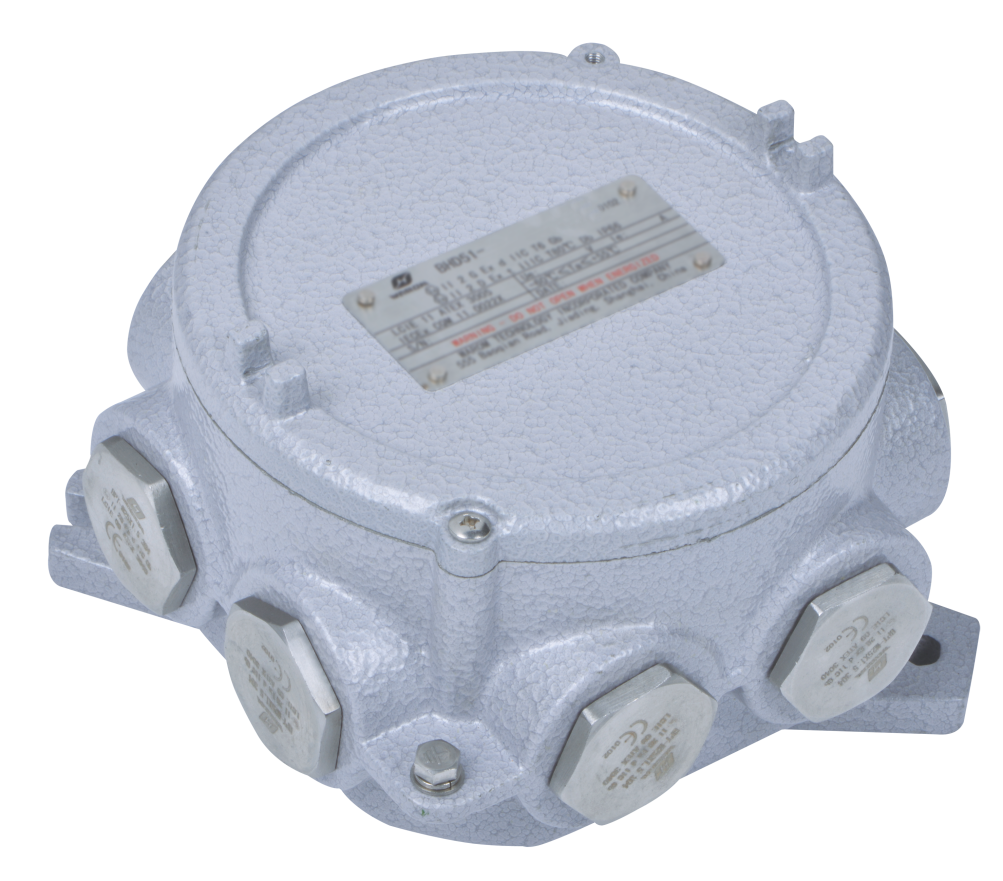
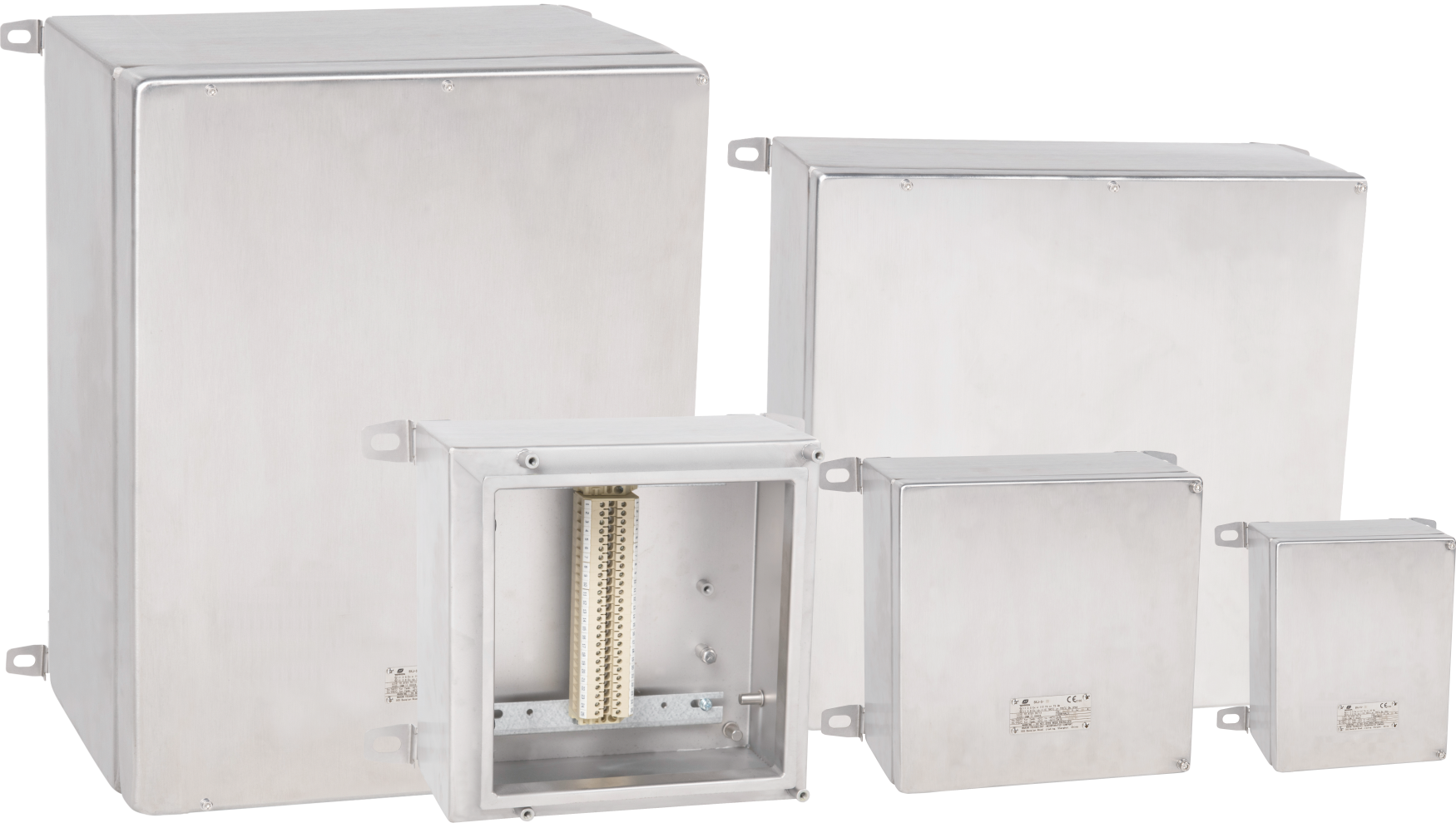
Material and ambient rating are not interchangeable. A BHD91 junction box is IP66 and rated from -60°C to +60°C, while a BXJ-S terminal box is IP65 and rated from -20°C to +55°C. If the project calls for the wider ambient range, the documentation must show that exact model and rating.
Cable entry details are not always in the main certificate package. <Explosion Proof Cable Glands for SWA Armored Cable Safety> covers how flame path and entry thread choices affect certification for armored cable, the kind of detail that should be settled before the enclosure is built.
How Do You Verify a Certificate Matches the Equipment Being Shipped?
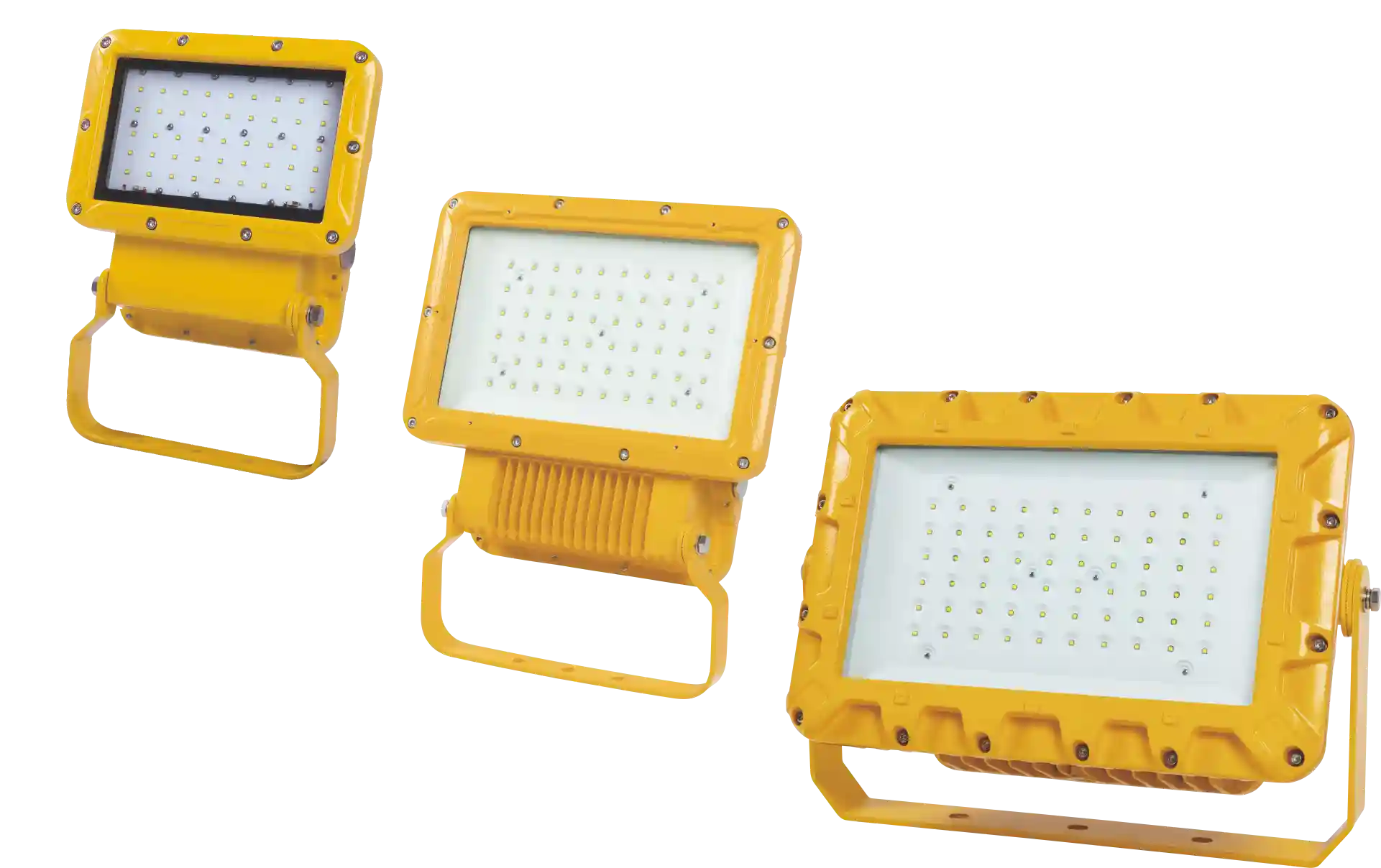
Start with the certificate number on the nameplate. The number must match the third party certificate exactly, including the revision issue. Then compare the protection concept, which may be Ex d, Ex e, Ex n, or a combination, along with the equipment protection level, gas group, dust group, and temperature class. A floodlight certificate that lists a copper free aluminum enclosure cannot cover a stainless steel housing unless the certificate schedule includes that material. The same applies to ambient temperature: a unit rated only to -40°C cannot be installed in an Arctic project unless the certificate covers a wider range.
If your project involves a mixed package of hazardous area equipment, it is worth confirming the certificate schedule before freezing the bill of materials. Send the equipment list and Zone classification to gm*@***om.com so a Warom engineer can review the certificate schedule against the specification ahead of release.
What Factory Acceptance Test Documentation Should You Request?
Factory acceptance test records show that the specific unit passed inspections before it left the workshop. I require earth continuity, insulation resistance, visual inspection of flame paths and gaskets, and a functional check on lighting or control circuits. For enclosures that will be installed in damp or corrosive areas, the test package should also include the protection rating evidence and the coating or material finish. For camera and monitoring equipment, request the video output and communication checks that were completed at the factory.
When a documentation mismatch is found after dispatch, the fix often involves rework, return freight, or a field concession. <Explosion Proof Equipment Cost: Understanding Investment Drivers> covers how certification, material, and testing decisions drive cost once the order is released.
What Should You Do Before the Final Shipment Release?
Missing documentation at the destination is the most expensive place to find a mismatch. The factory still has the original design files, test equipment, and certifying body contacts, so a second review before packing costs much less than a site concession. If your package combines distribution boxes, light fittings, terminal boxes, and control equipment, send the equipment list, Zone classification, and the target delivery date to gm*@***om.com. A Warom engineer can review the documentation package against your specification, and you can reach the team at +86 21 39977076 or +86 21 39972657.
Which Documentation Questions Do Buyers Still Get Wrong?
How early should I request explosion proof equipment documentation?
You should request the full documentation package at the quotation or technical clarification stage, before production begins. Certificate type, marking schedule, and cable entry details can influence design choices, so waiting until the equipment is built can create a mismatch between what was ordered and what appears on the nameplate. If the project has an inspection agency or classification society, confirm their document review requirements at the same time, because that body may ask for additional drawings or revision-controlled data before packing.
Is a certificate enough if the equipment is still being built?
A certificate alone is not enough, because it describes the design family rather than the specific unit. The nameplate schedule, certified drawing set, and inspection reports connect the certificate to the serial number you actually receive. When the equipment is still in production, the manufacturer can still change the entry configuration, temperature class mapping, or terminal rating if the documents do not align. After the unit is powder coated and packed, those changes are much harder to make without breaking the certification chain.
Can I use standard documentation for custom or site assembled equipment?
It depends on the protection concept. Standard Ex d or Ex e products can usually be covered by third party certificates, but a site assembled panel or a modified enclosure often needs additional documentation from the assembly site. The certifying body may have to review the final arrangement, the wiring diagram, and the marking schedule before the equipment can carry the certificate number. If the project specification calls for a specific cable gland type, verify that the gland appears in the certified drawing set rather than assuming that the enclosure certificate covers every entry option.
What if the nameplate data does not match the certificate?
In projects I have reviewed, the most common mismatch is a temperature class or cable entry thread copied from a sibling product rather than the actual model. Stop the shipment and send a clear photograph of the nameplate next to the certificate number. The manufacturer can usually confirm whether the marking is wrong or whether the wrong unit was packed. Before accepting the shipment, share the full documentation package with your inspection body. If the package is large or mixed, send photographs and the project specification to gm*@***om.com for a documentation review before final release.
If you’re interested, check out these related articles:
Explosion Proof Equipment: FPSO Topsides Safety & Compliance
Shanghai Emergency Management Bureau expert bank electrical explosion-proof safety professional group learning seminar was held in Warom.
2023 Merry Christmas
Weatherproof IP66 Electrical Enclosures: Industrial Safety Imperatives
With over a decade of experience, he is a seasoned Explosion-Proof Electrical Engineer specializing in the design and manufacture of safety and explosion-proof products. He possesses in-depth expertise across key areas including explosion-proof systems, nuclear power lighting, marine safety, fire protection, and intelligent control systems. At Warom Technology Incorporated Company, he holds dual leadership roles as Deputy Chief Engineer for International Business and Head of the International R&D Department, where he oversees R&D initiatives and ensures the precise delivery of design documentation for international projects. Committed to advancing global industrial safety, he focuses on translating complex technologies into practical solutions, helping clients implement safer, smarter, and more reliable control systems worldwide.
Qi Lingyi