
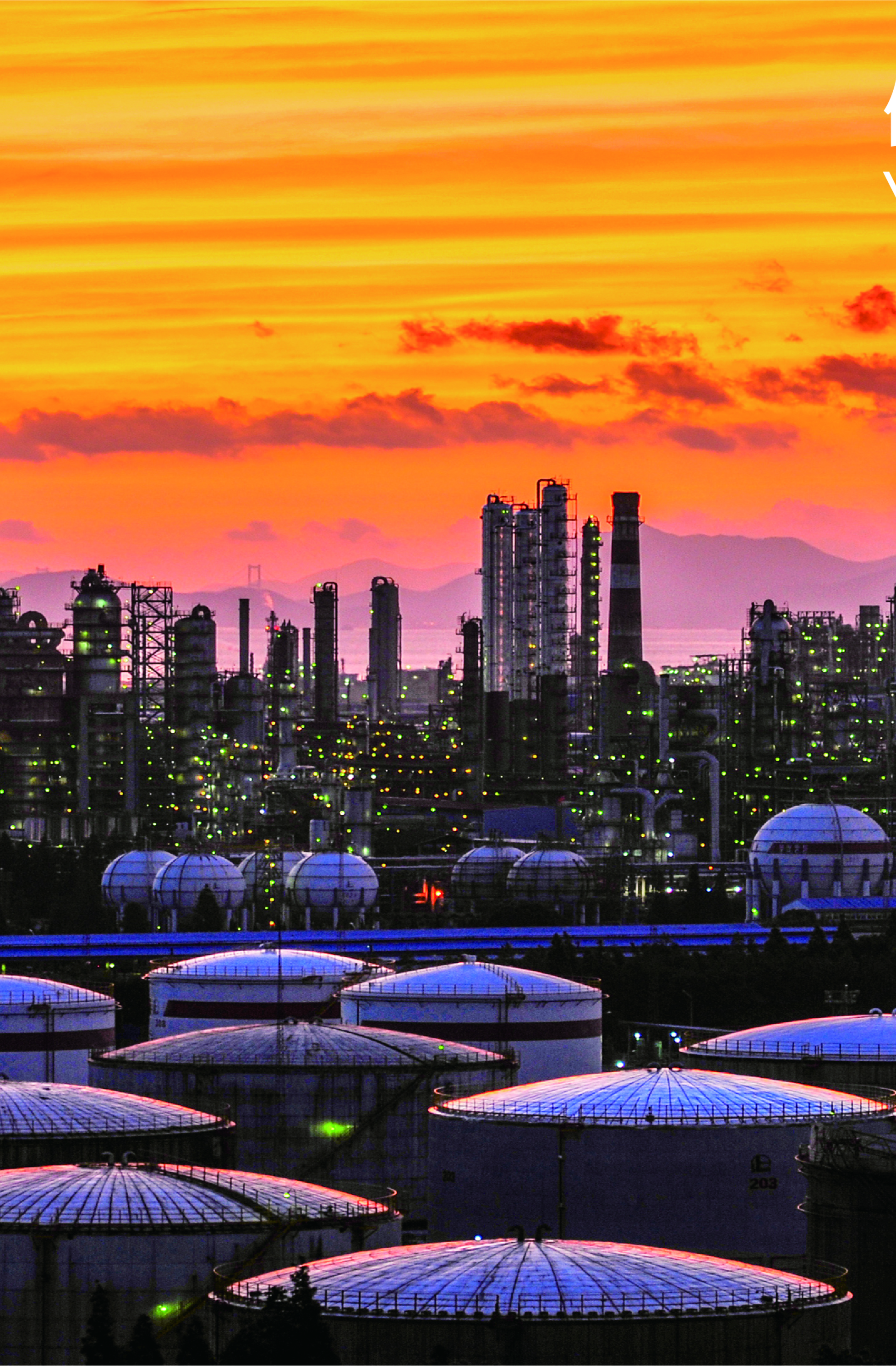
Navigating Critical Hazards on FPSO Topsides
FPSO topsides concentrate the worst conditions offshore operations can produce: continuous hydrocarbon processing, confined working spaces, and a marine environment that never stops attacking equipment. The potential for ignition is constant. Vibration from vessel motion, saltwater corrosion, and temperature swings from tropical sun to night cooling all degrade protective systems faster than onshore equivalents. Explosion proof equipment on these platforms is not a compliance checkbox—it is the barrier between normal operations and catastrophic failure.
The hazard profile demands equipment selection that accounts for real operating conditions, not laboratory ideals. In the Tilenga project, explosion-proof lighting and electrical systems contributed to zero safety incidents across the installation phase. That outcome required matching equipment specifications to the actual environment: corrosion-resistant housings, vibration-tolerant mounting, and protection ratings that held up under continuous saltwater exposure.
Why Different Protection Methods Exist for Different FPSO Hazards
Explosion protection technologies are not interchangeable. Each method addresses a specific ignition pathway, and selecting the wrong one creates gaps that regulatory compliance alone cannot close.
Flameproof enclosures (Ex d) contain any internal explosion and prevent flame propagation to the surrounding atmosphere. This approach suits high-power equipment like motors and switchgear where internal arcing is possible during normal operation. Increased safety (Ex e) eliminates sparks and hot surfaces under normal conditions—appropriate for terminal boxes and some lighting applications where the design can prevent fault conditions rather than contain them. Intrinsic safety (Ex i) limits electrical and thermal energy below ignition thresholds, making it the standard for instrumentation and sensors where maintenance access is frequent. Pressurized enclosures (Ex p) maintain positive internal pressure to exclude flammable atmospheres, protecting standard control equipment that would otherwise require complete redesign.
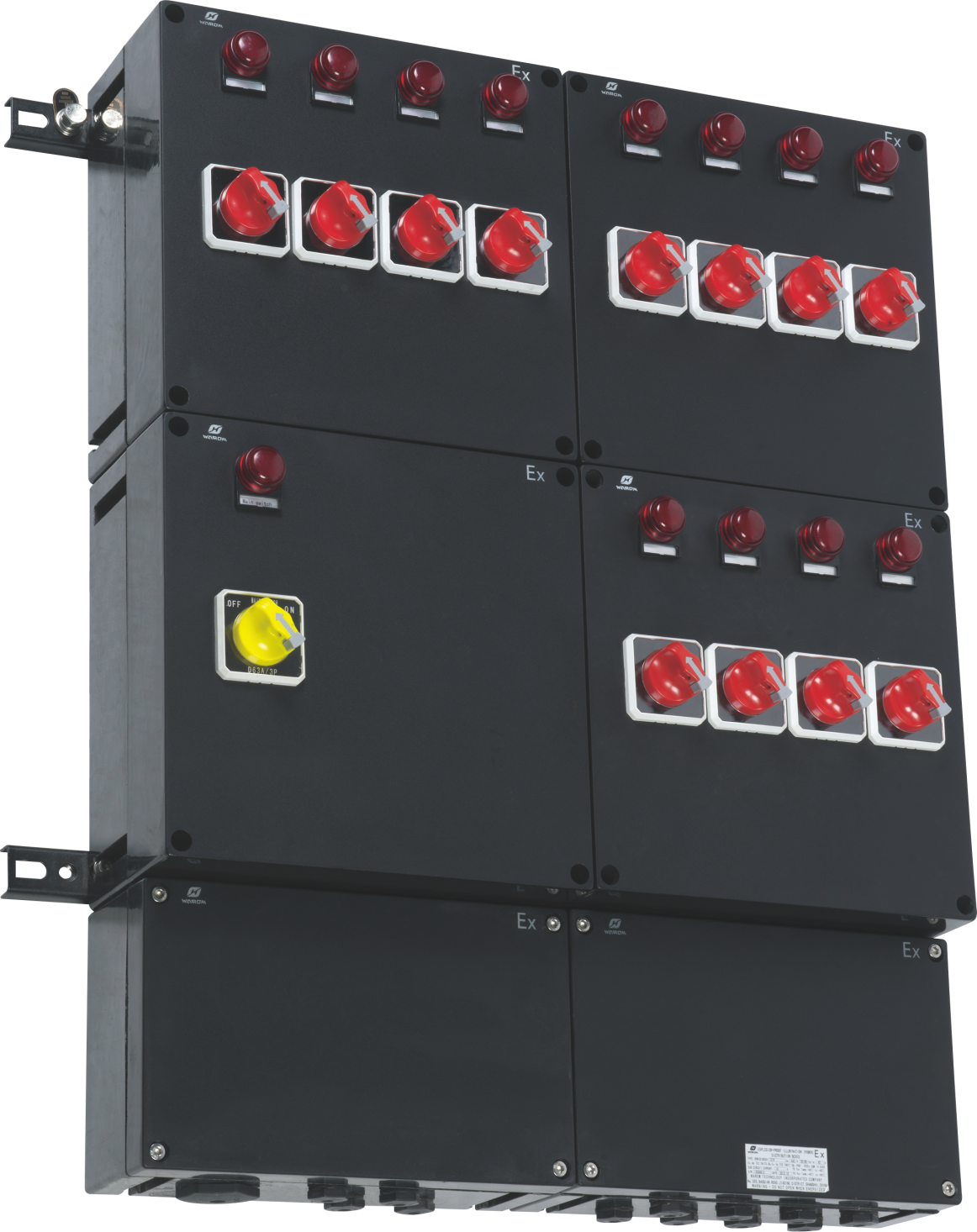
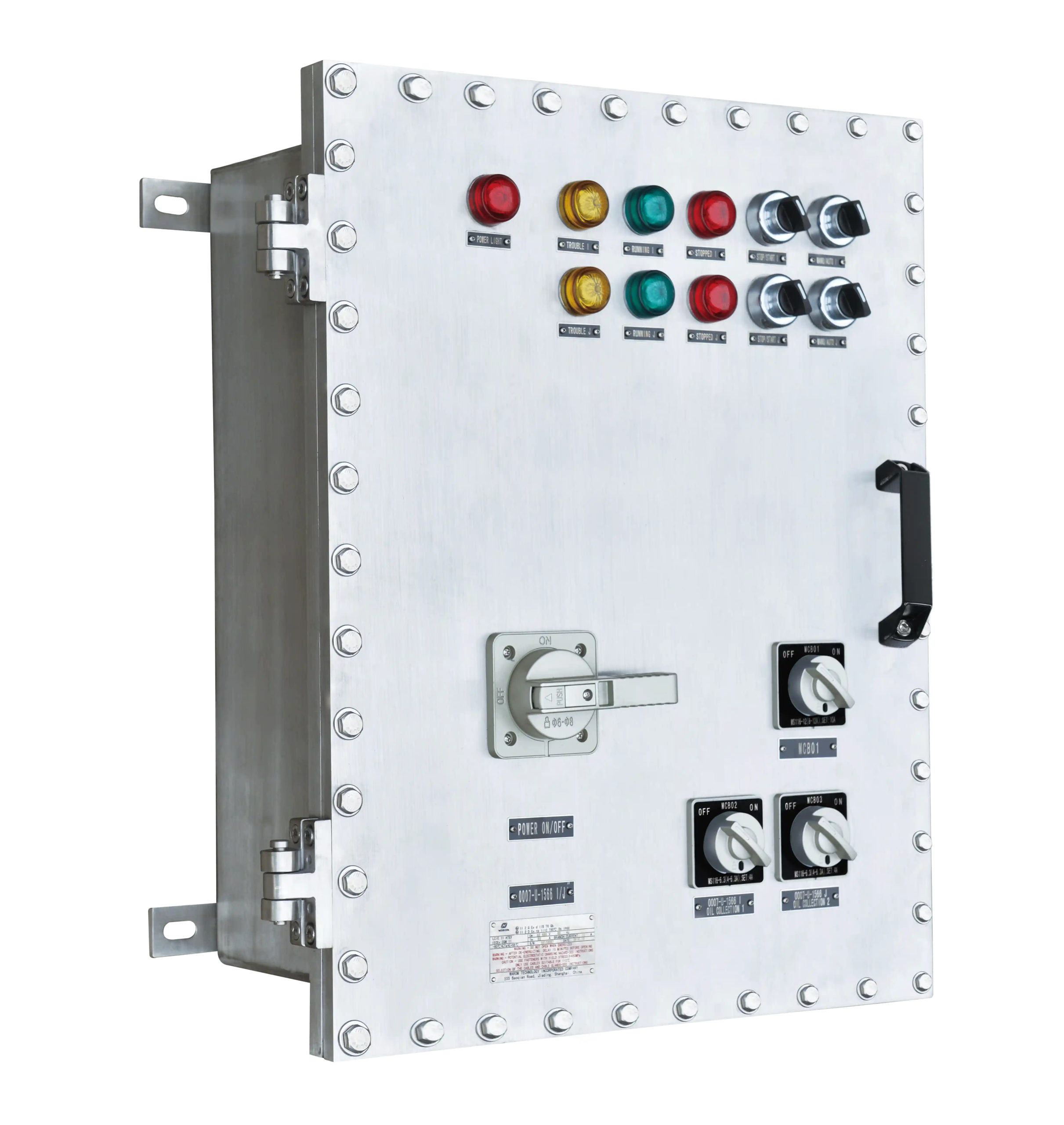
On FPSO topsides, these methods distribute across equipment categories based on function and location. Explosion-proof lighting such as BAT86 LED Floodlights or BAY51-Q Corrosion-proof Plastic Light Fittings provides illumination in Zone 1 and Zone 2 areas without becoming ignition sources. Distribution and control equipment—BXM(D)8050 Illumination Distribution Boxes, HRMD92 Series Distribution Panels—manages power routing while maintaining protection integrity at connection points. Communication and monitoring devices, including BJK-S/G Series explosion proof cameras, enable surveillance and coordination without introducing electrical hazards.
The General Paint project demonstrated how protection methods combine in practice. That installation required gas detectors, explosion-proof plugs (BCZ8060 Series), junction and distribution boxes (BHD91 Series), static electricity discharge devices, and anti-corrosion equipment to address both flammable gas and combustible dust risks. The solution was not a catalog selection—it was a hazard-by-hazard analysis that matched protection methods to actual conditions.
| Protection Type | Principle | Typical FPSO Application | Key Advantage |
|---|---|---|---|
| Ex d | Containment | Motors, Switchgear | High power capacity |
| Ex e | Prevention | Terminal boxes, Lighting | Simpler design, lower cost |
| Ex i | Energy Limitation | Instrumentation, Sensors | Safe for maintenance |
| Ex p | Pressurization | Large control panels | Protects standard equipment |
What Certification Actually Requires Beyond the Certificate
ATEX and IECEx certifications establish that equipment meets design and testing standards for hazardous atmospheres. Marine classification societies—DNV, ABS, Lloyd’s Register—add requirements specific to offshore conditions: corrosion resistance testing, vibration performance, ingress protection under continuous spray exposure. Equipment certified to one standard may not meet another, and FPSO operators typically face overlapping requirements from flag state regulations, classification society rules, and client specifications.
DQM-III/II Series Explosion Proof Cable Glands carry both IECEx and ATEX certification, addressing the most common compliance overlap. But certification is the starting point, not the endpoint. The harsh marine environment degrades protection integrity over time. Gaskets compress, seals deteriorate, and corrosion attacks fasteners. Preventative maintenance procedures must verify that equipment continues to meet the protection standard it was certified to—not just that it was certified at installation.
The Fushilai Pharmaceutical project, though onshore, illustrated why early coordination matters for complex hazardous area installations. Engaging with design institutes and project owners before equipment selection locked in ensured that regulatory requirements, operational constraints, and maintenance access were integrated from the start. That approach applies equally to FPSO projects, where retrofit access is far more difficult and expensive than onshore facilities.
How FPSO Conditions Drive Equipment Selection Differently Than Onshore
FPSO topside conditions impose requirements that onshore hazardous area installations rarely face. Constant vessel motion creates vibration loads that loosen connections and fatigue housings. Saltwater spray penetrates any gap in protection. Temperature cycles from tropical sun exposure to night cooling stress seals and gaskets. Equipment that performs adequately in a refinery may fail within months offshore.
Material selection reflects these conditions. BHD91 Series Explosion-proof Junction Boxes use copper-free aluminum alloy to resist corrosion while maintaining structural integrity under vibration. IP66 protection ratings ensure that direct water jets during deck washing or storm conditions do not compromise internal components. These specifications are not premium upgrades—they are baseline requirements for equipment that will actually survive FPSO service.
Installation practices must preserve the protection integrity that equipment design provides. Cable entries, junction box covers, and enclosure seals all require proper torque and inspection. A flameproof enclosure with a loose cover is not flameproof. Maintenance schedules must account for the accelerated degradation that marine conditions cause, with inspection intervals shorter than equivalent onshore equipment would require.
The Tilenga project specified explosion-proof lighting and electrical systems for energy efficiency, low maintenance, and reliability under continuous operation. Those requirements drove equipment selection toward designs with longer service intervals and lower power consumption—characteristics that reduce both operating costs and maintenance exposure in hazardous areas.
Where Smart Monitoring Changes Maintenance Economics
Traditional explosion-proof equipment maintenance follows time-based schedules: inspect at fixed intervals regardless of actual condition. Smart explosion-proof devices equipped with sensors can monitor their own operational status and environmental parameters in real time. Temperature sensors detect overheating before it becomes a failure. Vibration sensors identify bearing degradation in motors. Humidity sensors inside enclosures flag seal failures before corrosion damage occurs.
This capability shifts maintenance from calendar-based to condition-based. Equipment that shows no degradation can continue operating past scheduled inspection intervals. Equipment showing early warning signs gets attention before failure occurs. The result is fewer unnecessary maintenance interventions and fewer unexpected failures—both of which reduce personnel exposure to hazardous areas.
If your FPSO project involves extended deployment cycles or limited maintenance access windows, condition monitoring capabilities are worth evaluating during equipment selection rather than retrofitting later.
Integrated safety systems combine fire and gas detection, emergency shutdown, and process control into unified architectures. Response times improve when systems communicate directly rather than through operator interpretation. Digital twin technology creates virtual replicas of physical installations, allowing simulation of failure scenarios and optimization of maintenance strategies without disrupting actual operations.
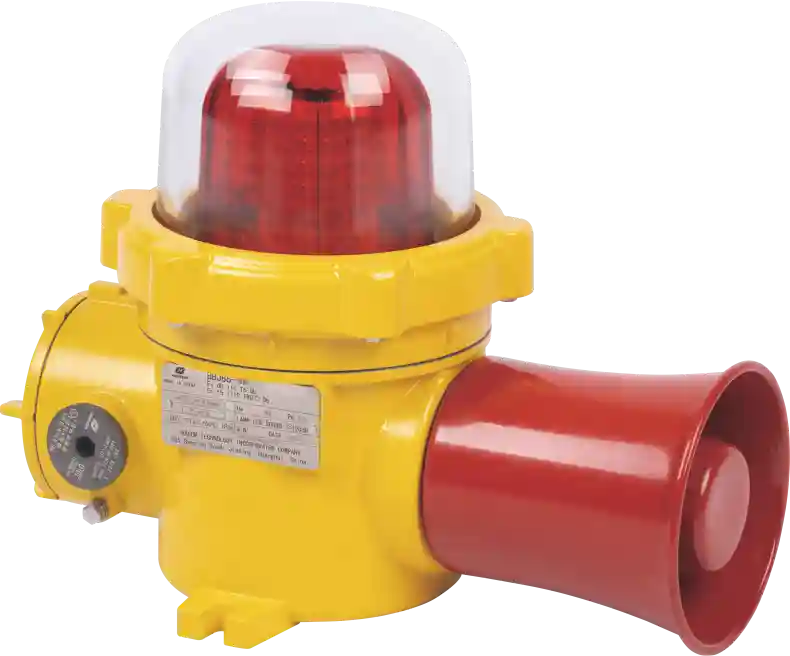
BJK-S/G Series Explosion Proof Cameras provide IP66/IP68 ingress protection with advanced video compression, supporting remote monitoring that reduces routine personnel presence in hazardous areas. These technologies do not replace physical explosion protection—they enhance the ability to verify that protection remains effective and to respond quickly when conditions change.
Partner with Warom for FPSO Explosion Protection
For over three decades, WAROM TECHNOLOGY has delivered certified explosion protection solutions for offshore and onshore hazardous environments. To discuss explosion proof equipment requirements for your FPSO project, contact our technical team.
Email: gm*@***om.com
Tel: +86 21 39977076
Frequently Asked Questions on FPSO Explosion Protection
What regulatory standards apply to explosion-proof equipment on FPSO topsides?
FPSO installations typically require compliance with ATEX and IECEx standards for hazardous area equipment, plus marine classification requirements from DNV, ABS, or Lloyd’s Register depending on flag state and client specifications. These standards cover equipment design, certification, installation practices, and ongoing maintenance requirements. Overlapping requirements are common, so equipment selection should verify certification against all applicable standards before procurement.
How does the FPSO environment affect equipment maintenance intervals?
Saltwater corrosion, continuous vibration, and temperature cycling accelerate degradation of seals, gaskets, and fasteners compared to onshore installations. Maintenance intervals for explosion-proof equipment on FPSOs are typically shorter than manufacturer recommendations based on onshore service. Inspection procedures must verify protection integrity—gasket compression, fastener torque, seal condition—not just operational function.
What monitoring technologies reduce maintenance exposure in hazardous areas?
Smart sensors integrated into explosion-proof equipment can monitor temperature, vibration, humidity, and operational parameters in real time. This data supports condition-based maintenance, allowing intervention when degradation is detected rather than on fixed schedules. Remote monitoring through explosion-proof cameras and integrated safety systems further reduces routine personnel presence in hazardous zones while maintaining operational visibility. Contact our team to discuss monitoring options for your specific installation requirements.
If you’re interested, you may want to read the following articles:
Choosing IP68 Outdoor Junction Boxes: A Buyer’s Strategic Guide
Explosion-Proof Hand Lamps: Essential Safety for Hazardous Areas
IP64 Rating Guide: Practical Device Protection Tests
WAROM is heading to the Australian Energy Producers Conference & Exhibition in Perth!
Warom at Vietnam ETE 2024
With over a decade of experience, he is a seasoned Explosion-Proof Electrical Engineer specializing in the design and manufacture of safety and explosion-proof products. He possesses in-depth expertise across key areas including explosion-proof systems, nuclear power lighting, marine safety, fire protection, and intelligent control systems. At Warom Technology Incorporated Company, he holds dual leadership roles as Deputy Chief Engineer for International Business and Head of the International R&D Department, where he oversees R&D initiatives and ensures the precise delivery of design documentation for international projects. Committed to advancing global industrial safety, he focuses on translating complex technologies into practical solutions, helping clients implement safer, smarter, and more reliable control systems worldwide.

Qi Lingyi