

Managing electrical cabling in hazardous environments demands components that offer uncompromising protection. Explosion proof gland plates for multiple cables are critical for maintaining the integrity of electrical enclosures, preventing the ingress of flammable gases or dust, and ensuring the safety of personnel and operations. These specialized plates provide a secure, certified barrier where multiple conductors enter an enclosure, effectively mitigating ignition risks within classified hazardous areas.
How Explosion Protection Works at Cable Entry Points
The fundamental principle of explosion protection for cable entries is to prevent an internal ignition from propagating to the external hazardous atmosphere. We categorize hazardous areas based on the likelihood of an explosive atmosphere being present. Zone 1 indicates an area where an explosive atmosphere is likely to occur in normal operation, while Zone 2 is less likely. Equipment designed for these zones must adhere to specific protection principles. Flameproof enclosures, designated “Ex d,” are built to contain an internal explosion and prevent its transmission to the outside. Increased safety protection, or “Ex e,” prevents sparks, arcs, or hot surfaces under normal operating conditions.
Our team supplied explosion-proof lighting and electrical systems for the Tilenga project in Uganda. This project, which includes wellpads, a Central Processing Facility, and pipelines within Murchison Falls National Park, presented extreme conditions. We achieved zero safety incidents, demonstrating the energy efficiency, low maintenance, and reliability of our systems even in such a demanding environment. This success underscores the role of robust explosion-proof components, including secure cable entries, in mitigating electrical hazards.
Which Explosion Proof Gland Plates Fit Your Cable Configuration
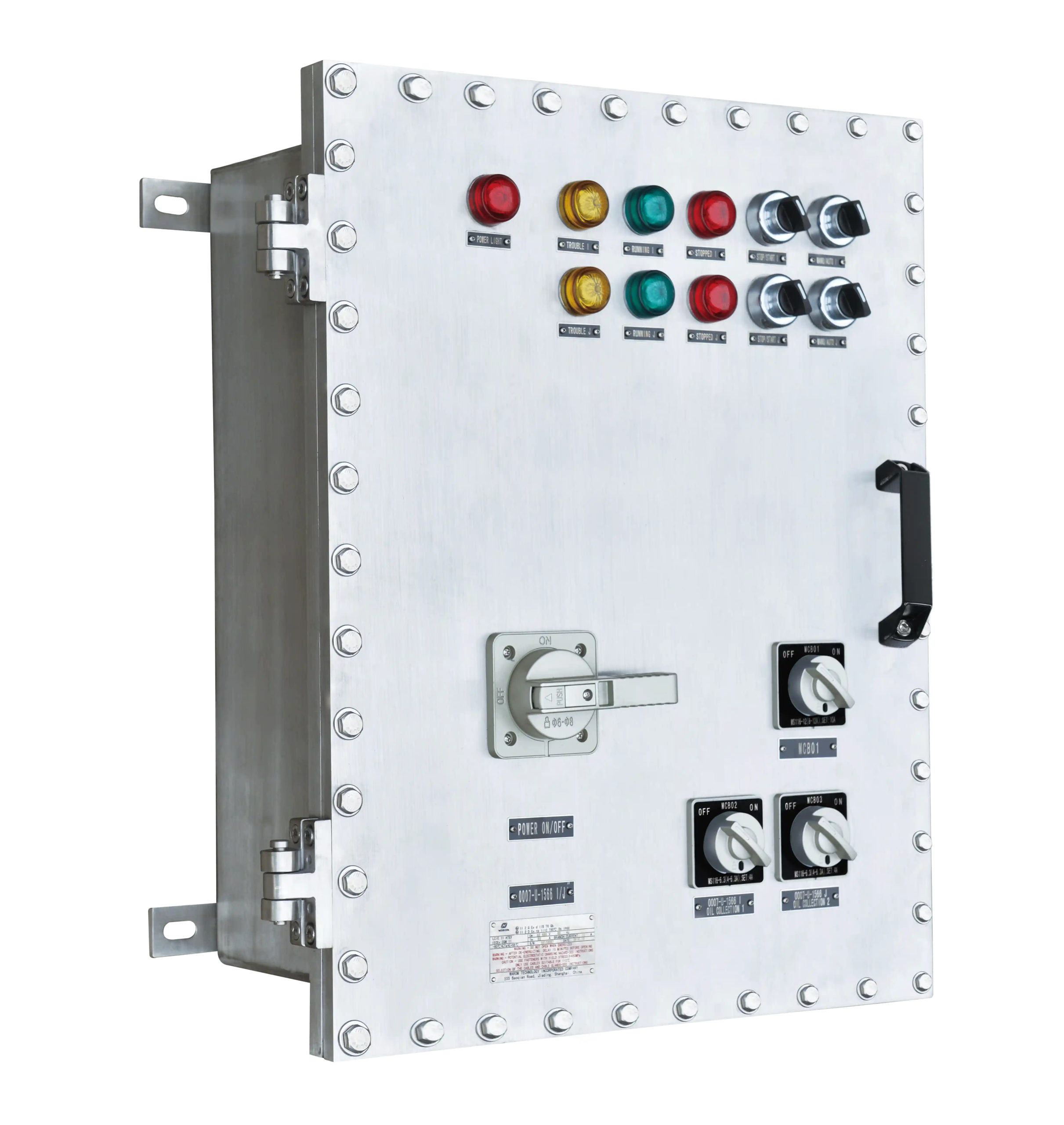
Selecting the correct explosion proof gland plates for multiple cables involves evaluating the specific hazardous area classification, environmental conditions, and cable characteristics. Multi-hole cable entries are designed to accommodate several cables through a single opening, optimizing space and reducing the number of potential failure points. Modular gland systems offer flexibility, allowing for easy addition or removal of cables without compromising the enclosure’s integrity. Material considerations are also vital. Nickel-plated brass and stainless steel provide excellent corrosion resistance and mechanical strength, while polyamide or GRP (glass fiber-reinforced polyester) are suitable for specific applications requiring non-metallic solutions.
During a business trip to Mexico, I observed serious electrical safety hazards at General Paint, a chemical plant facing flammable gas and dust risks. We conducted an on-site diagnosis and developed a customized explosion-proof solution. This included gas detectors, explosion-proof plugs, junction and distribution boxes, static electricity discharge devices, and anti-corrosion equipment. Over three months, this solution significantly improved safety and prevented potential fires or explosions, demonstrating the necessity of tailored solutions.
Here is a comparison of common gland plate types and their suitable applications:
| Gland Plate Type | Material Options | Key Features | Typical Applications |
|---|---|---|---|
| Multi-hole | Nickel-plated brass, Stainless steel | Multiple cables through one opening, space-saving | Control panels, distribution boxes, motor connections |
| Modular | Polyamide, GRP | Flexible configurations, easy modification | Instrumentation, data communication, varied cable sizes |
| Barrier | Epoxy resin, Silicone | Enhanced sealing for extreme gas/vapor risks | Zone 1/2 environments, chemical plants, offshore platforms |
| Armoured Cable | Nickel-plated brass, Stainless steel | Secures cable armor, provides earth continuity | Heavy industrial, oil and gas, marine installations |
What Certifications Should You Verify Before Procurement
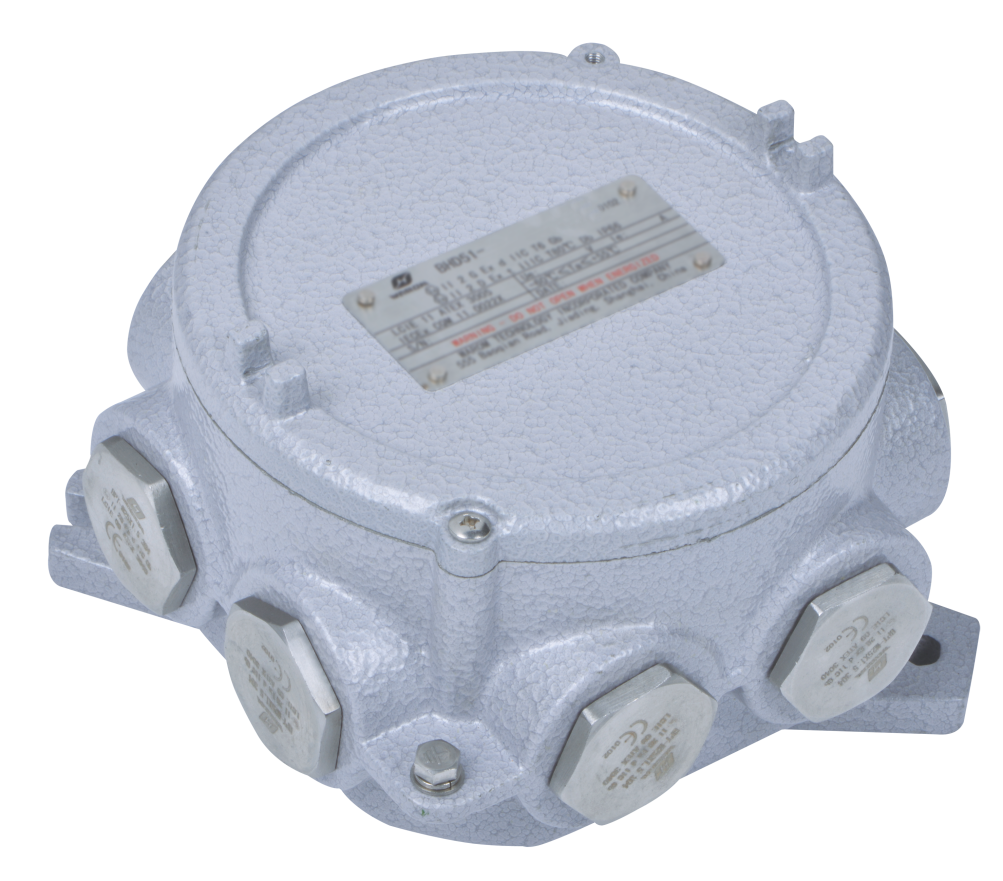
Compliance with international standards such as ATEX (Atmosphères Explosibles) for the European Union and IECEx (International Electrotechnical Commission System for Certification to Standards Relating to Equipment for Use in Explosive Atmospheres) is non-negotiable for explosion proof equipment. These certifications verify that products meet stringent safety requirements. Proper wiring regulations compliance, including correct grounding and bonding procedures, is also necessary to prevent static discharge or fault currents that could ignite an explosive atmosphere. Safety integrity levels (SIL) may also dictate the reliability requirements for safety-related electrical systems.
For the Fushilai Pharmaceutical construction project, our team secured the bid for critical explosion-proof equipment, including distribution boxes for workshops and tank farms. Through early coordination with the promoter, design institute, and project owner, we ensured timely and high-quality execution. This project strengthened customer trust and demonstrated our capability in complex industrial environments, highlighting the importance of professional technical support in meeting stringent requirements.
Here are key certifications and standards relevant to explosion proof equipment:
| Certification Body | Scope | Protection Principles Covered | Key Focus |
|---|---|---|---|
| ATEX | European Union | Ex d, Ex e, Ex i, Ex m, Ex p, Ex q, Ex t | Equipment for use in potentially explosive atmospheres |
| IECEx | International | Ex d, Ex e, Ex i, Ex m, Ex p, Ex q, Ex t | Global standard for hazardous area equipment |
| UL | North America | Class/Division, Zone systems | Safety certification for electrical products |
| CCS | China Classification Society | Marine, offshore | Electrical equipment for ships and offshore installations |
How to Install Explosion Proof Gland Plates Correctly
Proper installation begins with verifying that the gland plate matches the enclosure’s thread type and size. Before mounting, inspect the sealing surfaces for damage or contamination. Apply thread sealant compatible with the enclosure material if required by the manufacturer’s instructions. Torque the gland plate to the specified value using a calibrated torque wrench. Over-tightening can damage seals, while under-tightening compromises the flameproof path.
Cable preparation matters equally. Strip the outer sheath to the length specified by the gland manufacturer. For armored cables, ensure the armor is properly terminated and bonded to the gland body to maintain earth continuity. Insert the cable through the gland and tighten the compression nut until the seal grips the cable firmly without deforming it. After installation, perform a visual inspection to confirm that no gaps exist between the gland and enclosure, and that the cable is centered within the entry.
If your installation involves multiple cable types or sizes, consider whether your current enclosure layout supports the required gland plate configurations before committing to a specific product.
What Maintenance Keeps Explosion Proof Gland Plates Reliable
The long-term reliability of explosion proof gland plates for multiple cables is paramount in harsh industrial settings. Factors such as ingress protection (IP ratings), which define the sealing effectiveness against solids and liquids, and corrosion resistance are vital. Proper cable sealing solutions prevent moisture and contaminants from entering enclosures, while strain relief mechanisms protect cables from tension and bending forces. Electromagnetic compatibility (EMC) shielding requirements may also influence gland plate design, particularly in environments with sensitive electronic equipment.
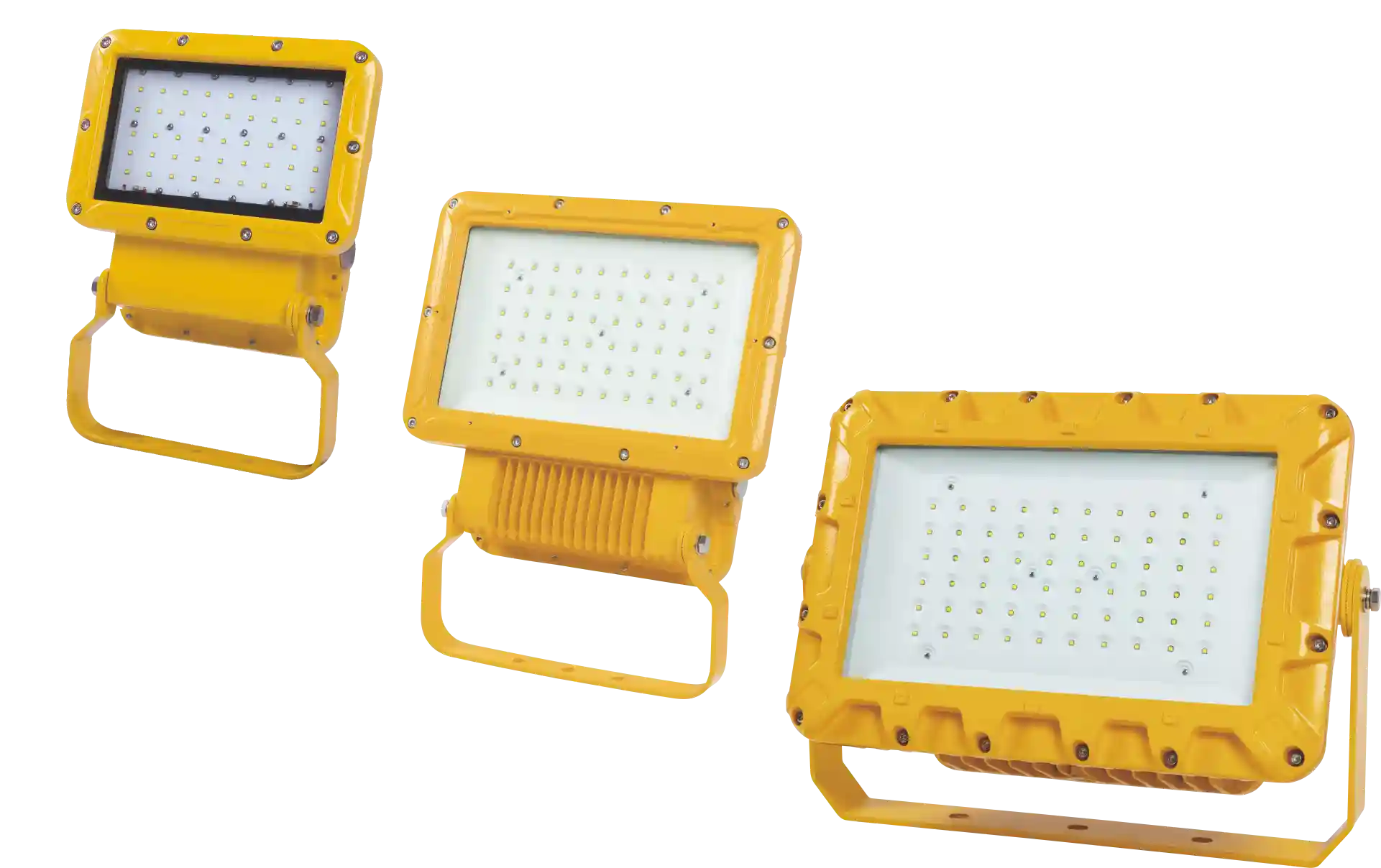
Our success in the Tilenga project, where we supplied explosion-proof electrical systems, highlights the low maintenance and long-term reliability of our products under extreme conditions. The systems continue to perform without safety incidents, proving the durability and robust design of the components, including the cable entries, in an environment exposed to severe weather and operational demands. Regular risk assessment for electrical systems, coupled with scheduled inspections and maintenance, ensures that these components continue to function as intended throughout their operational lifespan.
Maintenance typically involves regular visual inspections to check for signs of damage, corrosion, or degradation of sealing materials. Verify that all connections remain tight and secure, and confirm that the gland’s integrity has not been compromised by environmental factors or mechanical stress. Adhere to manufacturer guidelines and local regulations for periodic re-certification or replacement.
Where Explosion Proof Gland Plates Are Applied Across Industries
Explosion proof gland plates for multiple cables are indispensable across a wide array of industries where hazardous atmospheres are a constant concern. In the oil and gas sector, from offshore platforms to refineries, these components secure electrical connections for drilling equipment, pumps, and control systems. Chemical processing plants rely on them for instrumentation and power distribution in areas with flammable chemicals. Pharmaceutical manufacturing facilities use them in cleanrooms and production zones where fine powders or solvents create explosive dust or vapor risks. Mining electrical infrastructure, marine environments, and certain aerospace applications also demand the highest level of explosion protection.
The collective experience from projects like Tilenga, General Paint, and Fushilai Pharmaceutical demonstrates our capability to deliver tailored explosion-proof solutions across diverse industries. Whether it is ensuring zero safety incidents in the extreme conditions of an oilfield, upgrading electrical safety in a chemical plant with flammable risks, or coordinating complex equipment delivery for a pharmaceutical facility, the underlying principle remains the same: meticulous engineering and certified components, including explosion proof gland plates, are fundamental to operational safety.
To discuss specific requirements for explosion proof gland plates or other hazardous area electrical systems, contact us at gm*@***om.com or +86 21 39977076.
FAQ
What are the different types of explosion proof gland plates?
Explosion proof gland plates come in several types, each designed for specific applications and protection needs. Common types include multi-hole plates for routing several cables through one opening, modular systems that allow for reconfiguring cable layouts, and barrier glands that use compounds to seal individual wires within a cable. Specialized glands exist for armored cables to ensure earth continuity and for high-temperature or corrosive environments.
How do you select the right explosion proof gland plate for a specific hazardous area?
Selecting the correct explosion proof gland plate requires a thorough understanding of the hazardous area classification (Zone 1, Zone 2), the specific gas or dust group, and the temperature class. Consider the cable type and diameter, the required ingress protection (IP rating), and environmental factors like corrosion. Always choose plates certified for the intended hazardous environment to ensure compliance and safety.
What are the key certifications for explosion proof equipment?
The primary certifications for explosion proof equipment are ATEX and IECEx. ATEX is mandatory for equipment placed on the market within the European Union, while IECEx is an international scheme facilitating global trade of certified equipment. Other regional certifications, such as UL for North America or CCS for marine applications, also exist and are specific to their respective markets or industries.
Why is proper cable entry important for electrical safety?
Proper cable entry maintains the integrity of the enclosure, preventing flammable gases, vapors, or dust from entering and contacting potential ignition sources. It also provides strain relief to protect cables from mechanical damage and ensures proper grounding, which is vital for preventing electrical shocks and controlling static electricity in hazardous locations.
How do explosion proof gland plates ensure safety in hazardous areas?
Explosion proof gland plates ensure safety by providing a certified, sealed entry point for cables into electrical enclosures located in hazardous areas. They prevent the passage of flames or hot gases from an internal explosion to the outside atmosphere, and they stop flammable substances from entering the enclosure and coming into contact with potential ignition sources like sparks or hot components. For questions about selecting the right gland plate for your application, reach out to our technical team.
If you’re interested, check out these related articles:
APPEA 2024
Stainless Steel Explosion Protection for Marine Electrical Systems
Warom wishes you all a Happy Labor Day!
Warom at OIL&GAS INDONESIA
With over a decade of experience, he is a seasoned Explosion-Proof Electrical Engineer specializing in the design and manufacture of safety and explosion-proof products. He possesses in-depth expertise across key areas including explosion-proof systems, nuclear power lighting, marine safety, fire protection, and intelligent control systems. At Warom Technology Incorporated Company, he holds dual leadership roles as Deputy Chief Engineer for International Business and Head of the International R&D Department, where he oversees R&D initiatives and ensures the precise delivery of design documentation for international projects. Committed to advancing global industrial safety, he focuses on translating complex technologies into practical solutions, helping clients implement safer, smarter, and more reliable control systems worldwide.

Qi Lingyi