
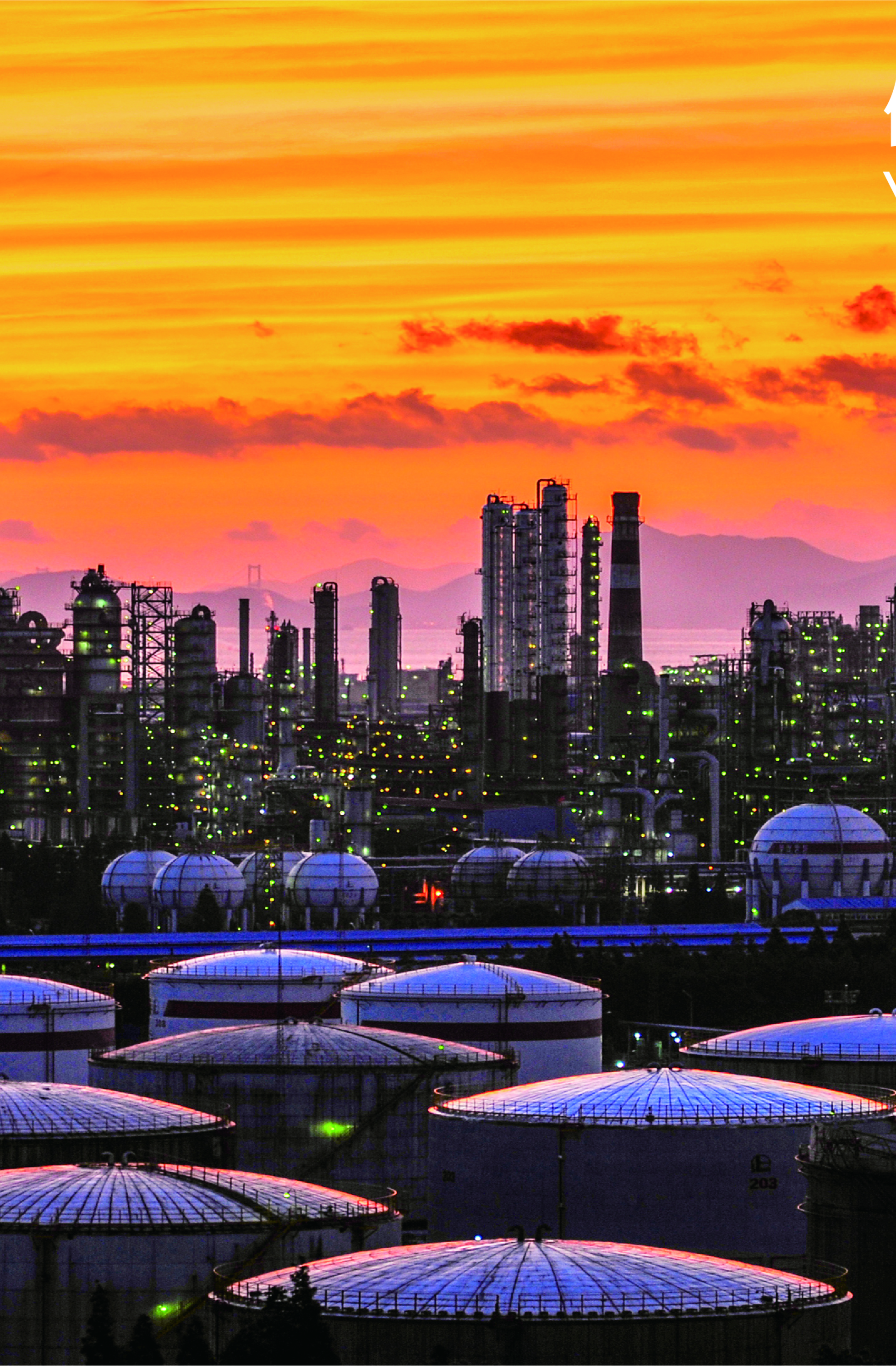
Chemical storage facilities operate in environments where flammable gases, vapors, or combustible dusts create persistent explosion risks. Lighting in these spaces serves a function beyond visibility: it is a safety system. Explosion proof high bay lighting prevents ignition in hazardous locations, protecting personnel and assets while maintaining compliance with safety regulations that govern chemical warehouses.
Why Chemical Warehouses Cannot Use Standard Lighting Fixtures
Chemical operations carry inherent risks that make electrical equipment selection a safety-critical decision. A spark or excessive heat from a standard lighting fixture can trigger ignition in atmospheres containing flammable substances. Explosion proof high bay lighting addresses this risk directly, which is why it functions as a requirement rather than an upgrade in chemical storage environments.
During a business trip to Mexico, I identified serious electrical safety hazards at General Paint, a medium-sized chemical plant handling various flammable materials. The facility had both gas and dust risks within its operational areas, yet standard electrical installations were in place. My team’s on-site diagnosis confirmed that without specialized explosion-proof solutions, the plant faced significant potential for fires or explosions. We recommended a comprehensive upgrade that included explosion-proof plugs, junction and distribution boxes, and specialized lighting. The implementation improved safety compliance and reduced long-term operational costs by preventing potential incidents. That project reinforced what I had seen repeatedly: purpose-built lighting is not optional in hazardous locations.
How ATEX, IECEx, and NEC Classifications Determine Equipment Requirements
Compliance with international and national safety standards is non-negotiable when installing explosion proof high bay lighting in chemical storage areas. ATEX certification, mandatory in the European Union, categorizes hazardous areas into Zones based on the frequency and duration of explosive atmospheres. IECEx provides a globally recognized certification system for equipment intended for use in explosive atmospheres, facilitating international trade and ensuring consistent safety levels. In North America, the National Electrical Code uses a Class/Division system to classify hazardous locations.
The Tilenga project in Uganda involved wellpads, a central processing facility, and pipelines, some within a national park. Our team supplied explosion-proof lighting and electrical systems for the entire project. The installation achieved zero safety incidents and met all safety and environmental requirements on schedule, largely because we adhered to stringent international standards and deployed certified equipment. The Fushilai Pharmaceutical CM/CDMO Construction Project followed a similar pattern: we secured bids for explosion-proof equipment for their workshops, warehouses, and tank farms, demonstrating that pharmaceutical facilities face the same certification requirements as chemical storage operations.
| Classification System | Gas/Vapor Presence | Dust Presence |
|---|---|---|
| ATEX Zones | ||
| Zone 0 | Continuous/Long | N/A |
| Zone 1 | Occasional | N/A |
| Zone 2 | Infrequent/Short | N/A |
| NEC Divisions | ||
| Class I, Div 1 | Continuous/Long | N/A |
| Class I, Div 2 | Infrequent/Short | N/A |
| Class II, Div 1 | N/A | Continuous/Long |
| Class II, Div 2 | N/A | Infrequent/Short |
What LED Technology Delivers in Hazardous Location Lighting
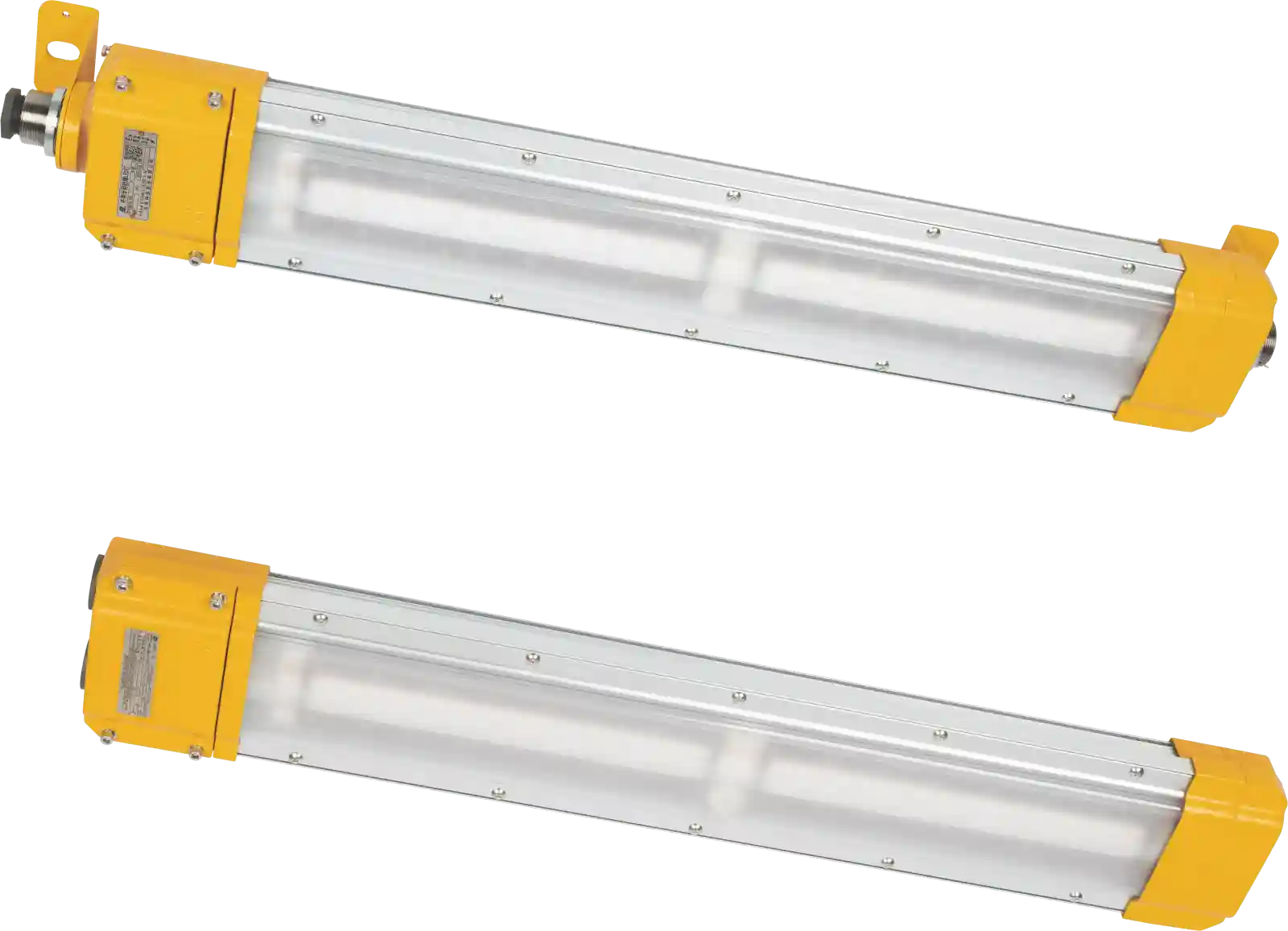
Modern explosion proof high bay lighting solutions use LED technology, which offers measurable advantages over traditional lighting sources. LED high bay lights consume less power while delivering higher lumen output, translating directly into reduced operational costs for chemical storage facilities. Their long lifespan minimizes maintenance frequency, a critical factor in hazardous environments where maintenance procedures involve permits, confined space protocols, and production shutdowns.
The Tilenga project demonstrated that explosion-proof lighting and electrical systems can deliver both safety and energy efficiency under extreme conditions. The LED solutions withstood demanding industrial environments while providing consistent, high-quality illumination throughout the project duration. Wide beam angle options ensure uniform light distribution across large storage areas, improving visibility and reducing shadow zones where hazards can go unnoticed. Robust construction with high ingress protection guards against dust and moisture, while anti-corrosion properties ensure longevity in the corrosive environments common to chemical storage. Integrated surge protection adds another layer of reliability, protecting fixtures from electrical fluctuations that can damage sensitive LED drivers.
| Feature | Explosion-Proof LED High Bay | Traditional HID High Bay |
|---|---|---|
| Energy Efficiency | High | Moderate |
| Lifespan | 50,000+ hours | 10,000-20,000 hours |
| Maintenance | Low | High |
| Lumen Output | Consistent, directional | Degrades over time |
| Durability | High (IP66, anti-corrosion) | Moderate |
| Instant On | Yes | No (warm-up time) |
Matching Lighting Specifications to Your Facility’s Hazard Classification
Choosing the right explosion proof high bay lighting involves more than selecting a certified product. The type of chemicals stored, facility layout, ambient temperature ranges, and existing infrastructure all influence the optimal lighting solution. A paint manufacturing plant has different requirements than a pharmaceutical facility or an oil and gas storage site because the hazardous material classifications and environmental conditions vary.
The General Paint project exemplified the value of a customized solution. My team conducted an in-depth on-site diagnosis and provided tailored recommendations that included not only lighting but also explosion-proof plugs, junction boxes, and static electricity discharge devices. This integrated approach ensured all electrical components met the stringent safety requirements for their specific flammable gas and dust risks. For the Fushilai Pharmaceutical project, our early coordination with the design institutes and project owners proved instrumental. We proposed a comprehensive solution for their workshops, warehouses, and tank farms, ensuring that the explosion-proof equipment integrated properly into the overall facility design and project management timeline. This proactive engagement is what separates successful project execution from costly rework.
What Installation and Maintenance Practices Determine Long-Term Performance
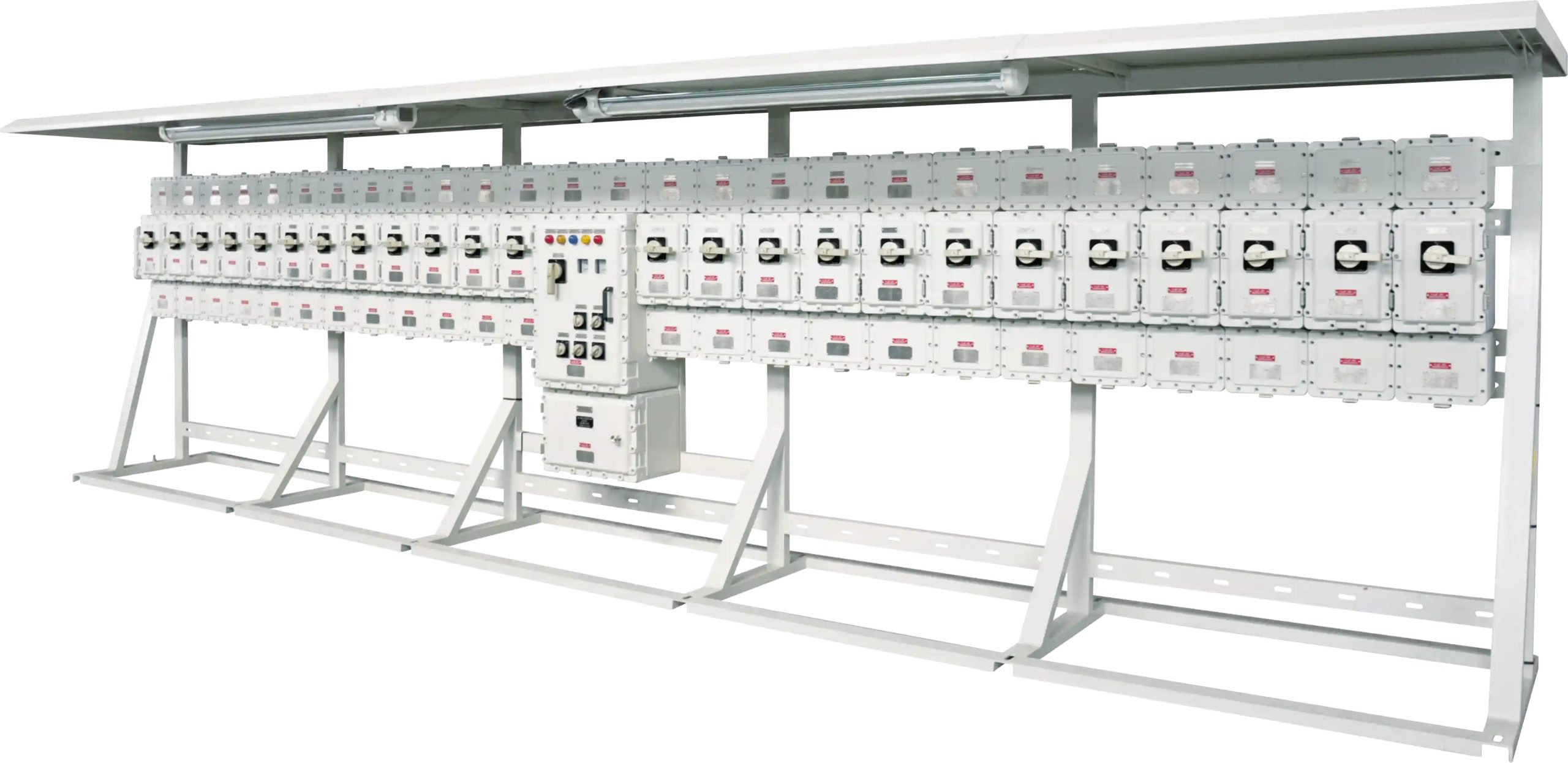
The long-term reliability of explosion proof high bay lighting depends on correct installation and consistent preventative maintenance. Even robust fixtures can fail if not installed according to manufacturer specifications and hazardous area regulations. Proper cable entries, grounding, and sealing maintain the integrity of the explosion protection throughout the fixture’s service life.
The Tilenga project demonstrated that with proper planning and high-quality equipment, low maintenance and exceptional reliability are achievable even in challenging environments. The explosion-proof lighting and electrical systems performed without incident over the project’s duration. For the General Paint project, beyond the initial installation, we worked to integrate our products into their procurement system, ensuring ongoing access to reliable components for future maintenance and expansions. This approach minimizes downtime and controls operational costs over the lifespan of the facility. Regular inspections verify that seals remain intact, enclosures are undamaged, and all components continue to meet their explosion-proof ratings. Emergency lighting systems, also explosion-proof, must be integrated to ensure safe evacuation routes during power outages.
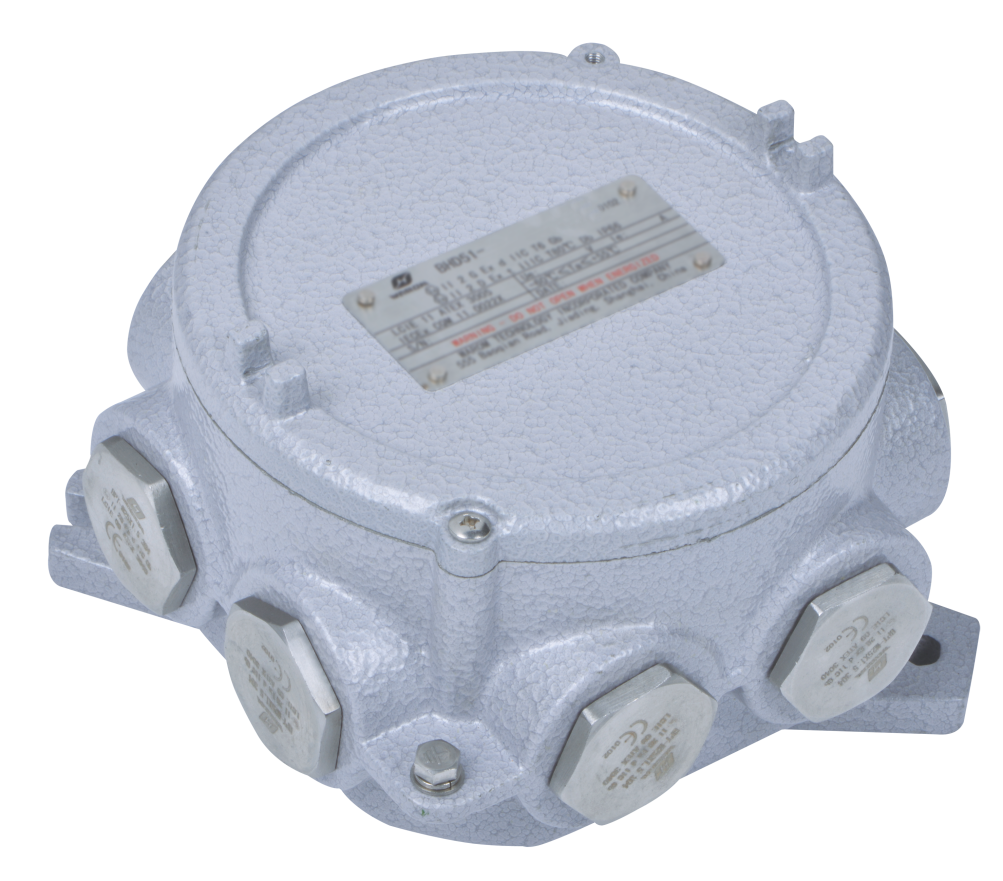
If your facility handles flammable materials and you are evaluating lighting options, it is worth discussing hazard classification and fixture specifications before committing to a solution.
Frequently Asked Questions
What are the key safety standards for lighting in chemical warehouses?
The primary safety standards include ATEX for Europe and IECEx for global recognition. In North America, the National Electrical Code outlines Class and Division classifications. These standards ensure that explosion proof high bay lighting is designed and tested to prevent ignition in hazardous chemical storage areas. Certification marks on the fixture nameplate indicate which standards the product meets.
How do you select the right explosion-proof rating for a hazardous chemical storage area?
Selecting the correct rating involves classifying the hazardous area based on the type of flammable material (gas, vapor, dust), its ignition properties (gas groups, dust ignition temperature), and the likelihood of its presence (Zone or Division). Consult with safety engineers and refer to relevant standards to determine the appropriate Zone or Division rating for your specific chemical storage environment. The classification determines which fixtures are permissible.
How often should explosion-proof high bay lights be inspected?
Visual checks should occur quarterly, with detailed electrical inspections annually. These inspections verify the integrity of the hazardous location fixtures and seals, identifying potential issues before they compromise safety or performance. Facilities with more aggressive atmospheres or higher dust loads may require more frequent inspection intervals.
Can standard LED high bay lights be converted to be explosion-proof?
No. Explosion-proof fixtures are specifically designed and certified with robust housings, sealed components, and specialized wiring to prevent ignition in flammable atmospheres. The certification applies to the complete assembly as manufactured. Attempting to modify non-certified lights is dangerous and non-compliant with safety regulations.
What is the typical lifespan of an explosion-proof LED high bay fitting?
Explosion-proof LED high bay fittings typically offer operational lifespans exceeding 50,000 to 100,000 hours, depending on the driver quality and operating conditions. This extended lifespan significantly reduces maintenance frequency and replacement costs compared to traditional lighting. The durability makes them well-suited for demanding industrial settings where access for maintenance is restricted.
Are there different types of explosion-proof protection for dust environments?
Yes. Dust environments are classified into specific zones (Zone 20, 21, 22) under ATEX, or Class II Divisions under NEC. Fixtures designed for these areas prevent dust ignition by containing sparks and operating at safe surface temperatures below the dust ignition threshold. Proper classification is essential for selecting the correct equipment for dusty hazardous locations.
To discuss your specific hazardous area lighting requirements, contact WAROM TECHNOLOGY INCORPORATED COMPANY at gm*@***om.com or +86 21 39977076.
If you’re interested, check out these related articles:
Chint Group Chairman Nan Cunhui and His Party Visited Warom for Investigation and Exchange
Where Explosion Proof Lighting is Required: Critical Safety Standards
Explosion Proof Floodlights for Hazardous Industrial Areas
Specifying Explosion-Proof Electricals for EPC Projects: Safety & Compliance
With over a decade of experience, he is a seasoned Explosion-Proof Electrical Engineer specializing in the design and manufacture of safety and explosion-proof products. He possesses in-depth expertise across key areas including explosion-proof systems, nuclear power lighting, marine safety, fire protection, and intelligent control systems. At Warom Technology Incorporated Company, he holds dual leadership roles as Deputy Chief Engineer for International Business and Head of the International R&D Department, where he oversees R&D initiatives and ensures the precise delivery of design documentation for international projects. Committed to advancing global industrial safety, he focuses on translating complex technologies into practical solutions, helping clients implement safer, smarter, and more reliable control systems worldwide.

Qi Lingyi