

Methane is a constant presence in coal mining, but it only becomes a manageable risk when explosion proof monitoring and electrical protection are designed as one package. In three decades of specifying Group I equipment, I have seen too many projects treat the gas detector as the whole system and leave the power, wiring, and enclosures as an afterthought. This article explains what an explosion proof monitoring system for coal mine methane detection must include, which certifications apply, and which installation choices determine whether the system stays reliable in dust, moisture, vibration, and firedamp conditions.
Methane Detection Sits Inside the Explosion Proof Boundary
Methane becomes ignitable in air between roughly 5 and 15 percent by volume. Coal mines look different from surface chemical plants because the atmosphere itself is classified as Group I, not as a surface gas group. That changes the protection concept. A detector that is safe only for ordinary work areas may still create a source of ignition through its display electronics, plug, or cable gland. I have seen condition reports where a standard industrial oxygen/methane cell was mounted in an uncertified plastic housing in a return airway. The sensor element itself was the least of the risk. The enclosure, the entry threads, and the terminal chamber all matter just as much as the detection component.
A Coal Mine Monitoring System Needs More Than Gas Sensors
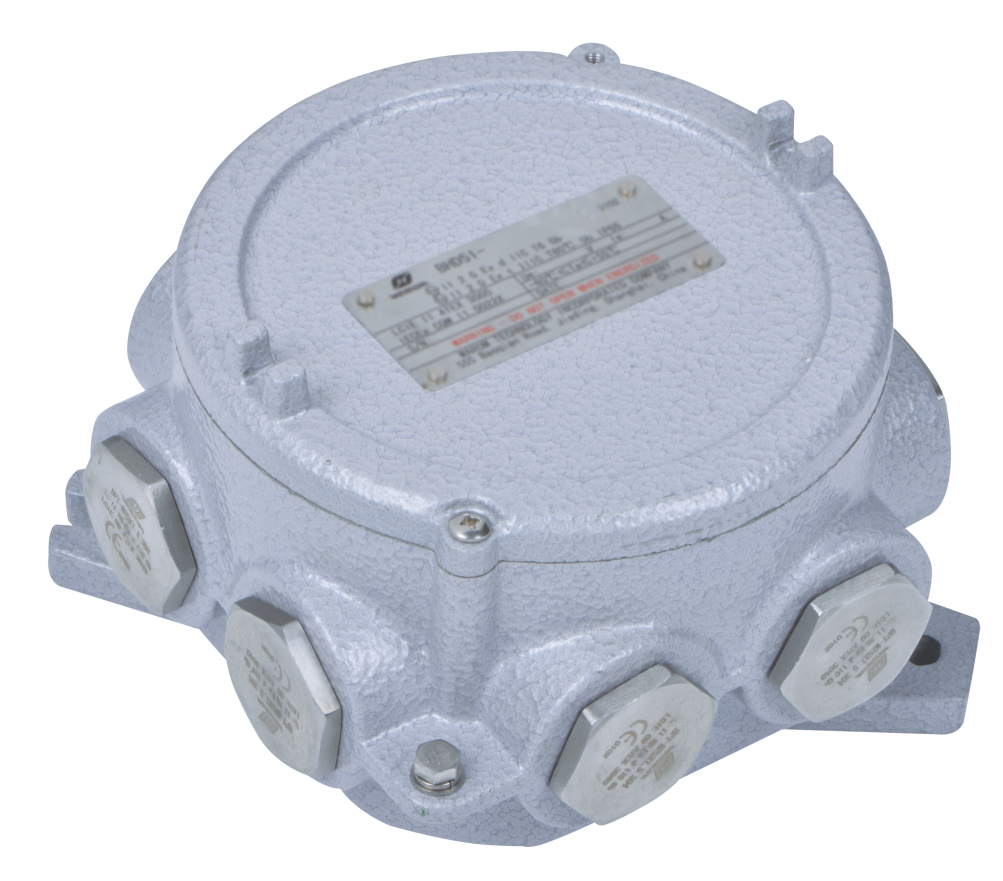
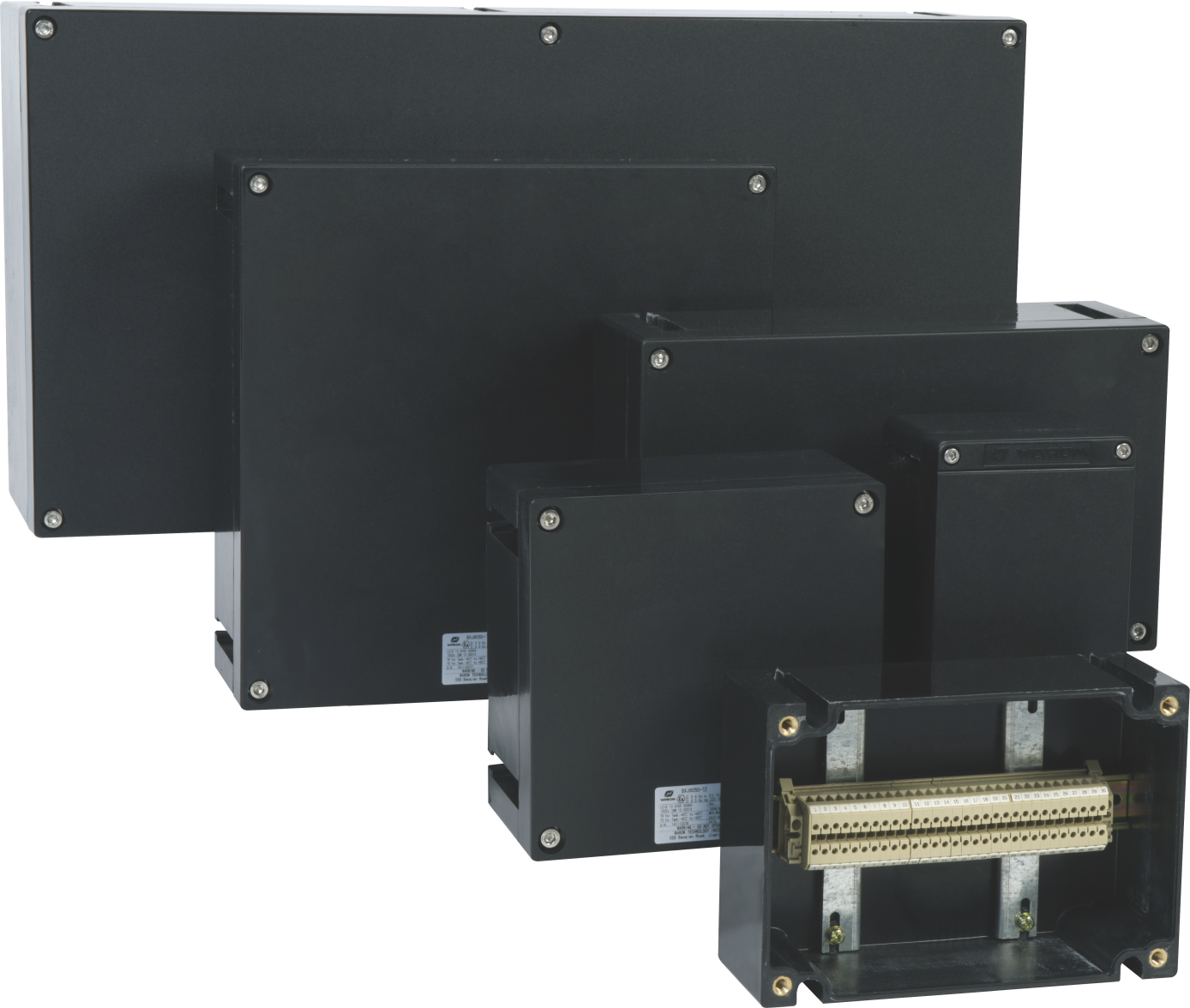
The sensor head is only the first element. A working methane detection package includes an explosion proof detector or transmitter, a controller panel mounted in a protected or safe area, an alarm and visual beacon, power distribution, junction and terminal boxes, cable glands, and often an explosion proof camera for visual verification. The table below shows where each component earns its place.
| Component | Role in methane detection | What to verify |
|---|---|---|
| Detector or transmitter | Measures CH4 and sends an analog or digital signal | Sensor type, detection range, calibration interval, alarm setpoints |
| Controller | Receives detector signals and triggers alarms | Relay contact ratings, alarm sequencing, data logging |
| Audible and visual beacons | Warns personnel across the work area | Sound intensity, light output, IP66 protection, Ex marking |
| Power distribution | Isolates and protects each monitoring circuit | Enclosure type, current rating, cable entry schedule |
| Junction and terminal boxes | Makes field terminations without an open spark risk | Group I certification, terminal capacity, gland compatibility |
An explosion proof camera adds another check when a detector alarm cannot be walked down immediately.
When a methane monitor must trip or derate ventilation fans, the detector loop and the fan drive cannot be specified separately. <Explosion Proof Equipment: Safeguarding Mine Ventilation Fan Drives> covers the fan drive side of that interface and why a tested tripping path matters more than the alarm setpoint alone.
Matching Explosion Proof Certifications to the Actual Mine Atmosphere
Certification is where a lot of procurement mistakes happen. Equipment for underground coal mines comes under Group I with categories M1 and M2. M1 equipment remains safe even when methane is present and operation continues; M2 equipment is de-energized when an explosive atmosphere is present. Surface equipment marked IIA or IIB may use the same explosion proof language but is not automatically suitable for coal mining. If the device has an intrinsically safe sensor circuit, the protection concept uses Ex i for the detector loop while the enclosure may be Ex d or Ex e. For a mixed solution, I ask the supplier to confirm the protection concept across every connected device, not just the detector head.
If your mine has multiple seams or mixed gas conditions, confirm the alarm hierarchy and tripping logic before finalizing the bill of materials. Send the detection point list and zone map to gm*@***om.com and we will check the Group I protection concept across detectors, power, and cabling.
Installation and Calibration Decisions Decide Monitoring Reliability
A certified system can still drift out of safe working range within months if the installation does not control moisture and dust. Cable entries are the most common failure path. I specify nickel plated brass glands for wet mines and never leave unused entries blanked with improvised fittings. The terminal boxes should be IP66 at minimum, and the earthing path must be continuous across every junction. Calibration is the second variable. Methane sensors calibrated with the wrong gas mix or at the wrong flow rate produce false confidence. The alarm and trip setpoints need to be stored in the controller and checked during maintenance, not reset by site personnel trying to stop nuisance alarms.
Specifying the System and Evaluating the Supplier
At the RFQ stage, ask for more than detector performance data. The supplier should submit the Group I certificate scope, the protection concept drawing, cable entry schedule, enclosure material, and a list of approved calibration gases. The same discipline applies to the power distribution side. If the monitoring panel and feeder boxes come from different factories, the interface documentation becomes the risk.
Sourcing the detector from one vendor and the distribution boxes from another works only when the documentation matches. <Evaluating Chinese Explosion Proof Distribution Box Suppliers> covers the audit checks that separate genuine certified enclosures from catalog claims, and what to request before a factory visit.
For coal mine packages, I run the same review across the camera, junction boxes, and power enclosures so the certificate line is continuous from the detector back to the feeder. At Warom, we hold the same documentation standard across the loop rather than treating the detector as the only certified item.
Methane monitoring is an engineering selection problem, not a catalog purchase. The detector, enclosure, power distribution, and certification line have to be matched to the actual mine atmosphere and ventilation behavior. Send your mine layout, detection points, and certificate requirements to gm*@***om.com or call +86 21 39977076 or +86 21 39972657. We will confirm the correct Group I protection method and alarm routing before you commit to the equipment list.
Common Questions About Coal Mine Methane Monitoring
What is the difference between Group I and surface gas group equipment?
Group I covers equipment used in underground mines where firedamp and coal dust may be present. Surface gas groups IIA, IIB, and IIC cover industrial gases such as propane, ethylene, and hydrogen. The enclosure, cable entries, and protection concept are tested differently for underground mining because the atmosphere can change quickly. A product marked IIA is not acceptable for a coal mine unless the certificate specifically extends to Group I. I always check the certificate scope before comparing prices, because the difference is not just a label.
Can a standard explosion proof gas detector be used underground?
Many buyers assume that any explosion proof label makes a detector suitable for coal mining. It does not. Underground coal mine equipment must be Group I and rated M1 or M2, while most off-the-shelf detectors are tested for surface gas groups. Even when the sensor technology is the same, the housing, cable entries, and certification path differ. If the device only carries a surface gas group certificate, bringing it underground creates an unverified ignition risk at the terminations and display, not just at the sensing element.
How often should coal mine methane sensors be calibrated?
It depends on the sensor technology and how the mine atmosphere changes. When methane concentrations fluctuate or dust loads are high, monthly calibration checks are more realistic than a six-month interval. The manufacturer may give a standard interval, but the mine’s ventilation pattern and temperature swings can shorten it. I schedule calibration against the alarm setpoints so the controller confirms the sensor is still reading in the correct range rather than simply passing a display test.
Does the monitoring system need to shut down power automatically?
In the mines I have worked on, the safer design interlocks a high methane level with a controlled trip or derate of the affected electrical circuit rather than relying on an alarm alone. The exact action depends on the mine’s safety plan. Some systems trip ventilation fans to a safe state, others only isolate equipment in the affected zone. The important part is that the tripping path is tested as part of the same protection concept as the detector, not added later as a software setting.
What documentation should be reviewed before shipment?
The documentation question is usually really about certificate scope. At a minimum, request the Group I certificate, the protection concept drawing, the cable entry schedule, the enclosure material and IP rating, and the calibration procedure. If the system includes a controller, ask for the alarm and trip setpoint list. Share your required certificate scope with gm*@***om.com and we will confirm the documentation you can expect before the equipment leaves the factory.
If you’re interested, check out these related articles:
Explosion Proof LED Lights: Guide to Hazardous Area Safety
Explosion Proof Control Equipment: Food Processing Dust Zone Safety
Happy National Day
Warom Explosion-Proof Marketing Promotion Association 2024
With over a decade of experience, he is a seasoned Explosion-Proof Electrical Engineer specializing in the design and manufacture of safety and explosion-proof products. He possesses in-depth expertise across key areas including explosion-proof systems, nuclear power lighting, marine safety, fire protection, and intelligent control systems. At Warom Technology Incorporated Company, he holds dual leadership roles as Deputy Chief Engineer for International Business and Head of the International R&D Department, where he oversees R&D initiatives and ensures the precise delivery of design documentation for international projects. Committed to advancing global industrial safety, he focuses on translating complex technologies into practical solutions, helping clients implement safer, smarter, and more reliable control systems worldwide.

Qi Lingyi