

I have spent more than three decades specifying and reviewing explosion-proof electrical equipment for projects across oil refineries, chemical plants, pharmaceutical facilities, and offshore platforms. When it comes to motor starters for Zone 1 hazardous areas, the pattern I keep seeing is the same: engineers size the starter to the motor first and check the hazardous area classification later. That sequence is backwards, and it causes more rejected submittals, delivery delays, and expensive rework than any other single mistake. A correctly specified explosion-proof motor starter for Zone 1 must begin with the gas group and temperature class of the installation. The electrical ratings come after those are locked.
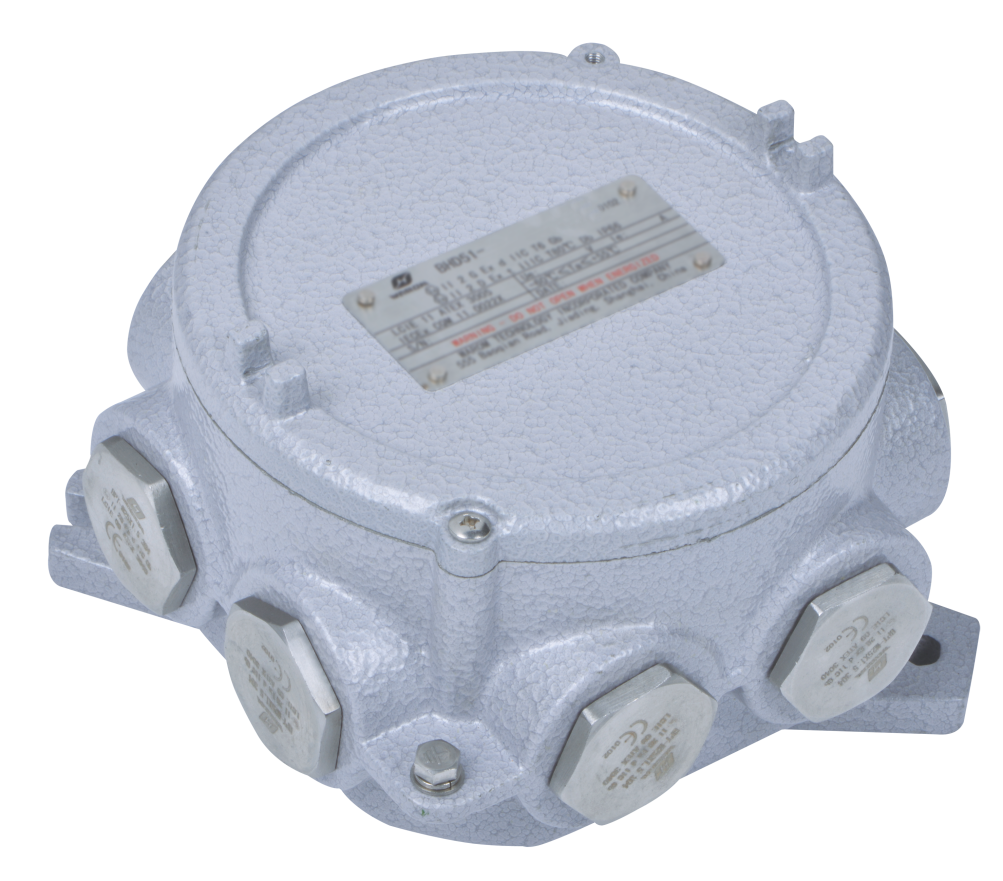
What Zone 1 Classification Means for Motor Starter Design
Zone 1 is defined by IEC 60079-10-1 as an area where an explosive gas atmosphere is likely to occur during normal operation. This is not an occasional or rare condition. It is the expected operating environment. For a motor starter installed in Zone 1, the protection concept must assume that flammable gas will be present around the enclosure while the contactor is switching, while the overload relay is carrying current, and while the terminals are under load.
The most widely applied protection method for motor starters in Zone 1 is Ex d, flameproof enclosure. The enclosure is designed so that if an internal explosion occurs, the hot gases must escape through precisely machined flamepaths that cool them below the ignition temperature of the surrounding atmosphere before they reach the outside. This is not a sealing function. It is a controlled cooling function. The flamepath gaps, lengths, and surface finish are specified in IEC 60079-1, and they vary by gas group. A flamepath that safely quenches a hydrogen explosion is far tighter than one designed for propane. If an engineer specifies an Ex d motor starter without stating the gas group, the manufacturer cannot machine the flamepaths correctly, and the certification is technically incomplete.
Some projects use Ex e increased safety motor starters for Zone 1, but this is less common and only applicable where the motor circuit includes additional protective devices that prevent arcs or sparks during normal operation. For a standard direct-on-line starter with an electromechanical contactor, Ex d remains the default and safest choice in Zone 1.
Matching Motor Starters to Gas Groups and Temperature Classes
This is where most specification errors begin. Every flammable gas has two properties that directly determine the motor starter design: its ignition energy, which sets the gas group, and its auto-ignition temperature, which sets the temperature class.
Gas groups under IEC 60079-0 and IEC 60079-1 are divided into IIA, IIB, and IIC. The table below shows common gases in each group and what they mean for starter enclosure design:
| Gas Group | Representative Gas | Ignition Characteristic | Impact on Motor Starter |
|---|---|---|---|
| IIA | Propane, methane | Lowest ignition energy of the three; largest permissible flamepath gaps | Widest flamepath gaps; most economical enclosure |
| IIB | Ethylene, coke oven gas | Intermediate ignition energy; tighter flamepath required | Narrower flamepaths; longer machining time |
| IIC | Hydrogen, acetylene | Easiest to ignite; smallest permissible flamepath gaps | Tightest flamepaths; highest enclosure cost |
I have seen projects where the process engineer identified hydrogen as a potential release gas but the electrical specification listed the motor starters as IIB. The equipment was manufactured, shipped, and then rejected at site because the flamepaths did not meet IIC requirements. The difference in machining tolerance between IIB and IIC is on the order of microns, but the safety margin is absolute.
Temperature class is equally critical. The motor starter enclosure surface temperature, including any hot spots near the contactor coils or overload relays, must remain below the auto-ignition temperature of the gas. The standard temperature classes are T1 through T6, with T6 being the most restrictive. A motor starter housing a large contactor with continuous coil current may generate enough internal heat that the external surface reaches 80°C or more. If the gas present is carbon disulfide, which auto-ignites at around 100°C, a T6 classification is mandatory and the enclosure cooling design must be verified.
Common temperature class assignments:
- T4 (135°C maximum surface): adequate for most hydrocarbons including gasoline vapors
- T5 (100°C): required for some solvent vapors and certain process gases
- T6 (85°C): required for carbon disulfide and a few other low-ignition-temperature compounds
I advise engineers to confirm the gas group and temperature class with the process safety team before writing the motor starter specification. If the process data is still preliminary, specify the worst case. It is far less expensive to purchase IIC T6 starters initially than to replace IIB T4 units after the hazard analysis is finalized.
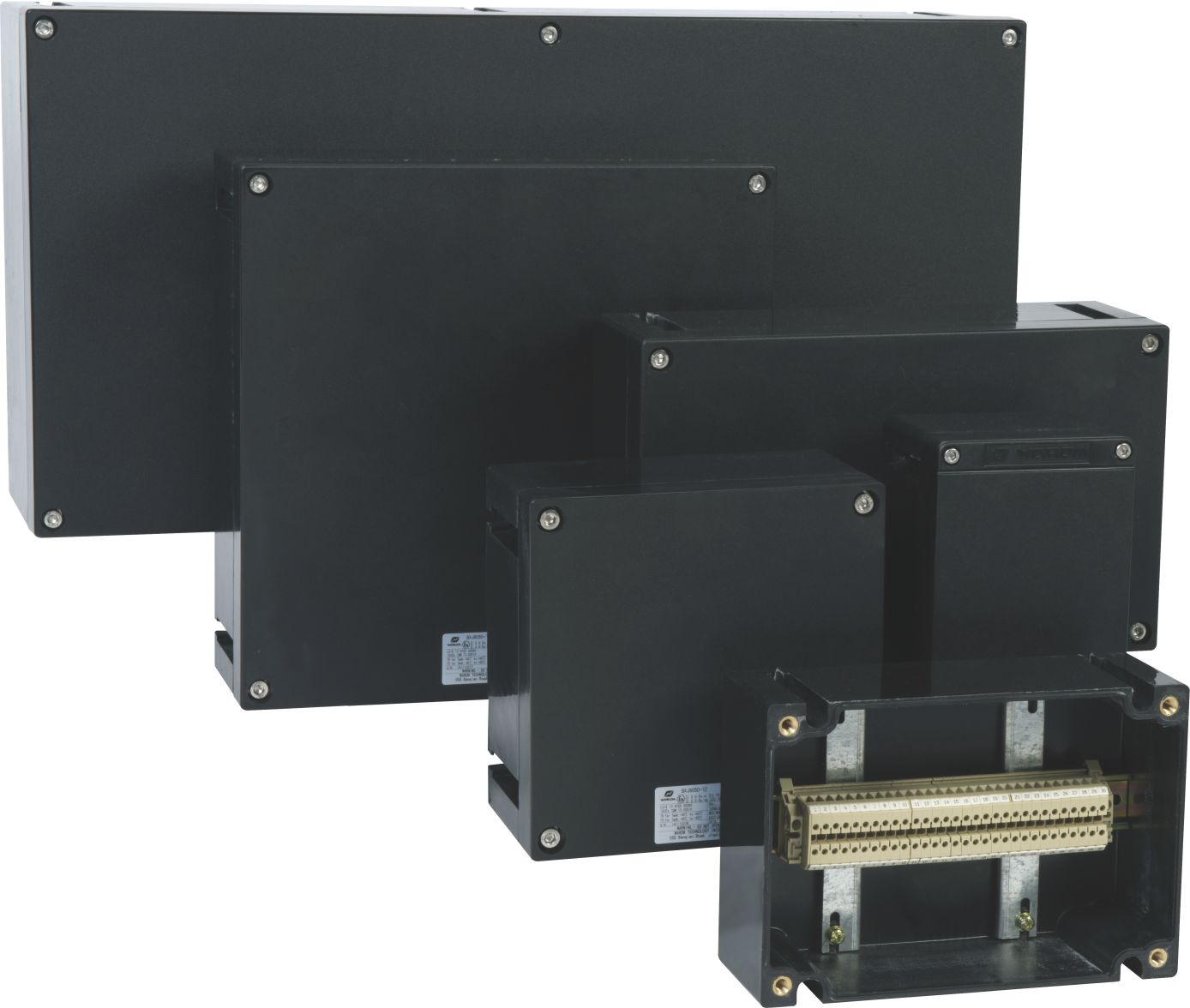
Direct-On-Line vs Alternative Starting Methods in Hazardous Areas
Direct-on-line starting is the most common method for explosion-proof motor starters and for good reason. A DOL starter contains a contactor and an overload relay inside a single flameproof enclosure. The circuit is simple, the component count is low, and the heat generated inside the enclosure is predictable. Fewer components means fewer internal ignition sources to manage, which aligns well with the Ex d protection philosophy.
For larger motors, typically above 37 kW, DOL starting draws high inrush current that can cause voltage dips on the facility distribution system. In these cases, engineers consider star-delta starters, soft starters, or variable frequency drives. Each of these alternatives introduces complexity into the hazardous area design. Star-delta starters require two contactors and a timer, increasing the internal heat load and the physical size of the flameproof enclosure. Soft starters and VFDs contain power electronics that generate significant heat and may not be available in a single Ex d enclosure at all. The common solution is to mount the VFD in a pressurized Ex p enclosure or to locate it outside the hazardous area and run the motor cable through a flameproof gland into the Zone 1 area.
From the projects I have supported, the majority of Zone 1 motor starters are DOL units rated up to 55 kW. Beyond that, the enclosure size and heat dissipation challenges begin to outweigh the simplicity advantage. For a 90 kW motor in a Zone 1 petrochemical pump application, I would recommend a detailed thermal analysis of the starter enclosure before committing to a DOL design. The contactor coil alone can raise the internal ambient by 20°C above external conditions, and adding a second contactor for star-delta switching compounds the problem.
If your program involves motors above 55 kW in Zone 1, it is worth confirming the thermal performance of the starter enclosure with the manufacturer before finalizing your BOM. Reach out at gm*@***om.com with your motor data and we can run a thermal verification.
What Certification Documentation You Actually Need
A motor starter for Zone 1 must carry third-party certification. Self-declared compliance is not accepted under IEC 60079 or under most national regulations derived from it. The minimum documentation package I recommend requesting before shipment includes:
First, the certificate of conformity issued by a recognized test laboratory. For ATEX, this is an EU-type examination certificate from a notified body such as PTB, LCIE, or Nemko. For IECEx, it is an IECEx Certificate of Conformity from an accepted certification body. The certificate must list the exact product type, the protection concept (Ex d), the gas group, the temperature class, and the ambient temperature range for which the equipment is certified.
Second, the manufacturer’s declaration of conformity, which ties the production units to the certified design. Third, the factory acceptance test report that includes flamepath dimensional checks, enclosure pressure tests where applicable, and functional testing of the contactor and overload relay.
For projects that cross regulatory boundaries, dual certification is increasingly common. A motor starter certified to both ATEX and IECEx can be accepted in most markets worldwide. Some countries also require local certification such as CNEX for China or INMETRO for Brazil. If your project is in a jurisdiction that requires local certification, confirm the lead time impact early. Local certification can add six to twelve weeks depending on the testing queue and the complexity of the product.
Avoiding Specification Errors That Delay Your Project
Based on what I have observed across dozens of projects, there are five recurring specification errors that cause motor starter procurement delays. Every one of them is avoidable.
The first error is specifying the motor starter by motor horsepower only, with no gas group or temperature class. The manufacturer cannot select the correct flamepath machining or enclosure thermal design without this data. The RFQ response will come back with questions, and the procurement clock resets.
The second error is mismatching the cable entry type to the site installation practice. A flameproof motor starter enclosure has threaded entry holes. If the site is using armored cable with Ex d cable glands, the entry threads must match the gland thread type: metric M threads for IEC markets, NPT threads for North American markets. Specifying one and installing the other leads to on-site modification of certified equipment, which invalidates the certification. I covered this in detail in our article on cable gland selection for armored cable, linked below.
The third error is overlooking the ambient temperature rating. A motor starter certified for a maximum ambient of 40°C will not perform safely in a Middle Eastern or North African installation where shade temperatures routinely exceed 50°C. The enclosure surface temperature rise above ambient must be added to the site ambient, and the total must stay within the temperature class limit. At our Tilenga project in Uganda, where outdoor equipment faced direct sun exposure and high ambient temperatures, we verified the full thermal profile of every enclosure before shipment. The extra engineering time upfront prevented field modifications later.
The fourth error is requesting a specific motor starter model without confirming it is certified for the required gas group. Manufacturers typically certify a given enclosure across multiple gas groups, but the certification is specific. A starter certified for IIB is not automatically certified for IIC even if the same enclosure casting is used. The flamepath dimensions differ.
The fifth error is insufficient documentation review before shipment. If the project is in a jurisdiction that requires local certification, or if the end user has specific inspection requirements, the certificates must be checked for accuracy before the equipment leaves the factory. I recommend requesting scanned copies of all certificates at the factory acceptance test stage, not after the equipment has arrived at site.
Why Experience Matters in Motor Starter Procurement
A motor starter is not a commodity item when it is going into Zone 1. The enclosure is a precision-machined safety device. The flamepaths must be verified by measurement. The certification documentation must be complete and correct. When a project in a chemical plant or an oil refinery loses time because a motor starter is rejected at inspection, the cost is rarely limited to the starter itself. It is the schedule delay, the re-procurement, and the knock-on effect on commissioning that hurt.
At Warom, we manufacture Ex d motor starters with IECEx and ATEX certification, covering gas groups IIA through IIC and temperature classes T4 through T6. Our starters are supplied with full documentation packages, and we support factory acceptance testing at our facility or via remote inspection. The machining tolerances on our flamepath surfaces are verified on every unit, not sampled, because we have learned from decades of project experience that a single out-of-tolerance flamepath is a safety liability that no paperwork can fix.
If you are preparing a specification for Zone 1 motor starters and would like a technical review of your parameters before going to tender, send your motor data, gas group, and temperature class to gm*@***om.com or call us at +86 21 39977076. We will confirm the correct enclosure selection, certification package, and lead time for your project.
Common Questions About Zone 1 Motor Starter Specification
Can I use a single motor starter enclosure for motors with different power ratings?
The enclosure and its certification are specific to the electrical components installed inside. If you change the contactor or overload relay to accommodate a different motor power, you have changed the certified assembly. A new certification or a supplementary certificate may be required. It is generally simpler to specify separate starters for separate motors. The enclosure size and heat dissipation characteristics are matched to the internal components during the certification process. Swapping components after certification invalidates the flamepath thermal assumptions.
What is the typical lead time for explosion-proof motor starters?
For standard DOL starters up to 55 kW with common gas group and temperature class ratings, lead times are typically eight to twelve weeks from order confirmation, assuming the certification package already exists. Custom configurations, dual certification requirements, or local certification add-ons can extend this to sixteen to twenty weeks. If your project requires IIC T6 starters for large motors, I strongly recommend placing the order early in the procurement cycle. These are not off-the-shelf items at any manufacturer. The enclosure casting and machining for IIC flamepaths alone can take several weeks before assembly begins.
How does the overload relay setting affect temperature class compliance?
The overload relay setting determines the current at which the relay trips, but it does not directly affect the continuous current flowing through the contactor during normal operation. What matters for temperature class is the maximum continuous current the starter carries under normal load, which is determined by the motor full-load current. The enclosure thermal design is validated at the maximum rated current of the assembly, not at the relay setting. However, if the relay is set significantly above the motor nameplate current, the starter will carry higher current before tripping during an overload, and the internal temperature will rise accordingly. The relay should be set to the motor full-load current as stated on the nameplate.
Is an Ex e increased safety motor starter acceptable in Zone 1?
In most cases, no. Ex e protection relies on the absence of arcs, sparks, or hot spots during normal operation. A motor starter with an electromechanical contactor inherently produces an arc when switching. Ex e motor starters are only suitable for Zone 1 if the switching device is located outside the hazardous area or if the circuit is protected by additional means that prevent arcing at the starter itself. For a conventional DOL starter where the contactor switches the motor current inside the enclosure, Ex d is the appropriate protection method for Zone 1. Ex e starters are more commonly applied in Zone 2, where the probability of a flammable atmosphere is lower. If your project specification calls for Ex e in Zone 1, verify the switching and protection arrangement with the manufacturer before accepting the design. Share your single-line diagram with us at gm*@***om.com and we will confirm whether the protection concept is compliant.
If you’re interested, check out these related articles:
WAROM Explosion-proof Accelerates Global Expansion and Deepens Local Services in the Middle East Market
Evaluating Weatherproof Electrical Suppliers in China for Industrial Safety
With over a decade of experience, he is a seasoned Explosion-Proof Electrical Engineer specializing in the design and manufacture of safety and explosion-proof products. He possesses in-depth expertise across key areas including explosion-proof systems, nuclear power lighting, marine safety, fire protection, and intelligent control systems. At Warom Technology Incorporated Company, he holds dual leadership roles as Deputy Chief Engineer for International Business and Head of the International R&D Department, where he oversees R&D initiatives and ensures the precise delivery of design documentation for international projects. Committed to advancing global industrial safety, he focuses on translating complex technologies into practical solutions, helping clients implement safer, smarter, and more reliable control systems worldwide.

Qi Lingyi