
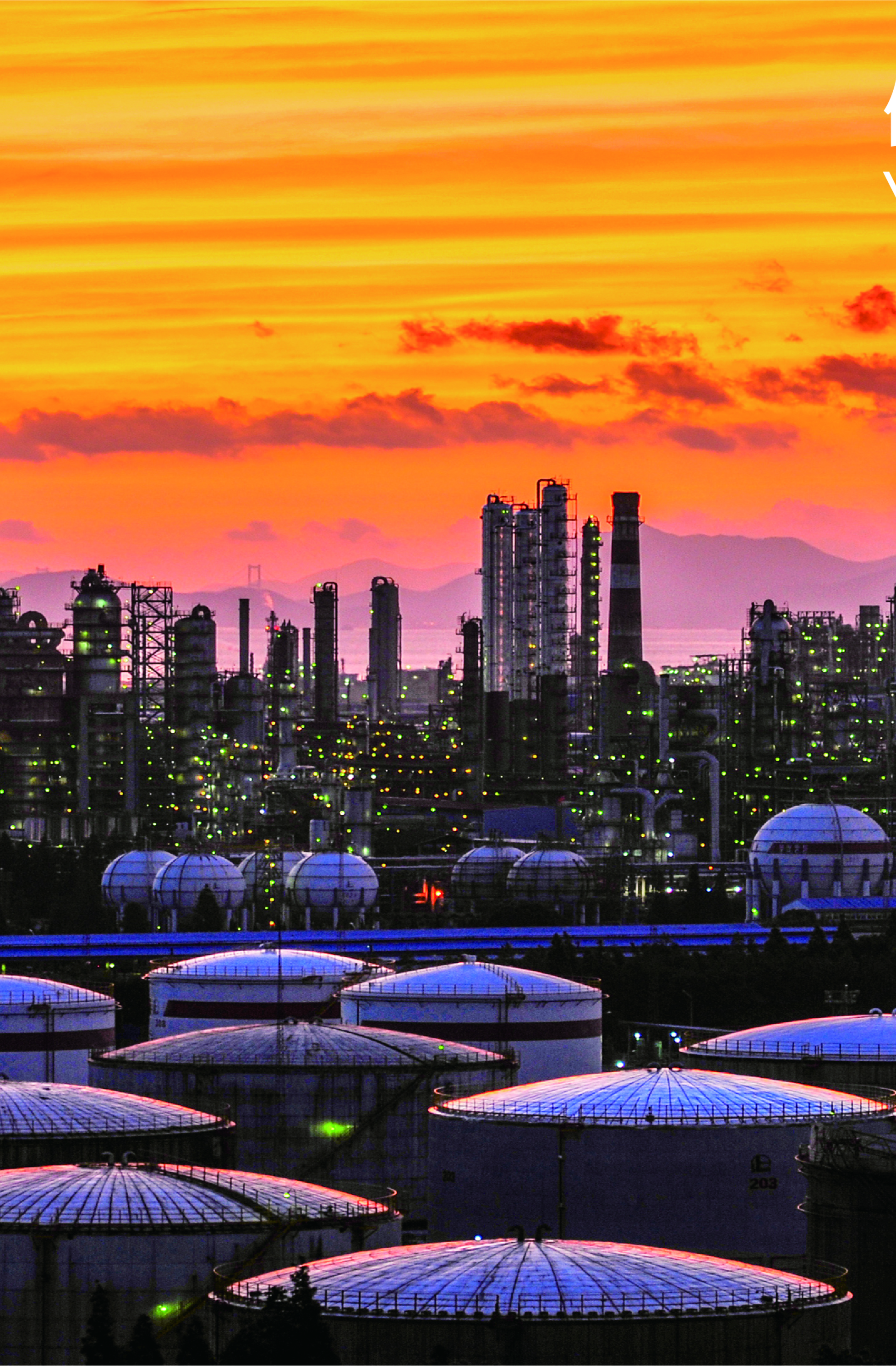
Hydrogen refueling stations concentrate some of the toughest safety variables in industrial construction: an invisible, odourless gas with the widest flammability range of any fuel, stored and dispensed under pressure, often in publicly accessible locations. Getting the explosion-proof electrical package right is not a compliance exercise; it is the difference between a station that operates incident-free for decades and one that invites a catastrophic event. After thirty years of specifying and delivering explosion-proof systems—for refineries, chemical plants, and fuel handling facilities—I approach every hydrogen project by asking the same question: what does the gas group actually demand, and is the equipment you are specifying really built for that?
Hydrogen as a Hazard: Group IIC and Temperature Class Essentials
When you move from traditional hydrocarbon zones into hydrogen service, the explosion protection parameters tighten sharply. Hydrogen is classified under gas group IIC, the most easily ignited category in the IEC and ATEX systems. That means standard equipment that has served reliably in a propane or ethylene area—gas groups IIA or IIB—may be entirely unsuitable here. The flame path dimensions, enclosure strength, and cable gland sealing must all accommodate the low minimum ignition energy of hydrogen. In projects I have reviewed, a common oversight is specifying a flameproof enclosure rated for IIB when the zone contains hydrogen; the equipment will physically fit, but the flame path is not designed to cool IIC gases and will not arrest a flame. For a hydrogen refuelling station, every Ex d enclosure in Zone 1 must carry an IIC marking. No exceptions.
The temperature class often surprises teams. Hydrogen’s auto-ignition temperature is around 585 °C, which corresponds to T1—so on paper, almost any certified equipment meets the temperature limit. However, I always check the surface temperature of the device under worst-case ambient conditions, not just the gas grouping. A luminaire rated T4 (135 °C) may run hotter than expected inside a sealed enclosure on a sun-exposed dispenser island, and while hydrogen will not auto-ignite from that surface, the presence of other flammable materials (lubricants, dirt accumulations, even adjacent vehicle vapours) can change the risk profile. My standard specification for hydrogen projects defaults to T4 or better on light fittings, even when T1 is technically sufficient, because it reduces the heat load inside enclosures and adds operating margin.
Certifications That Matter for Hydrogen Service
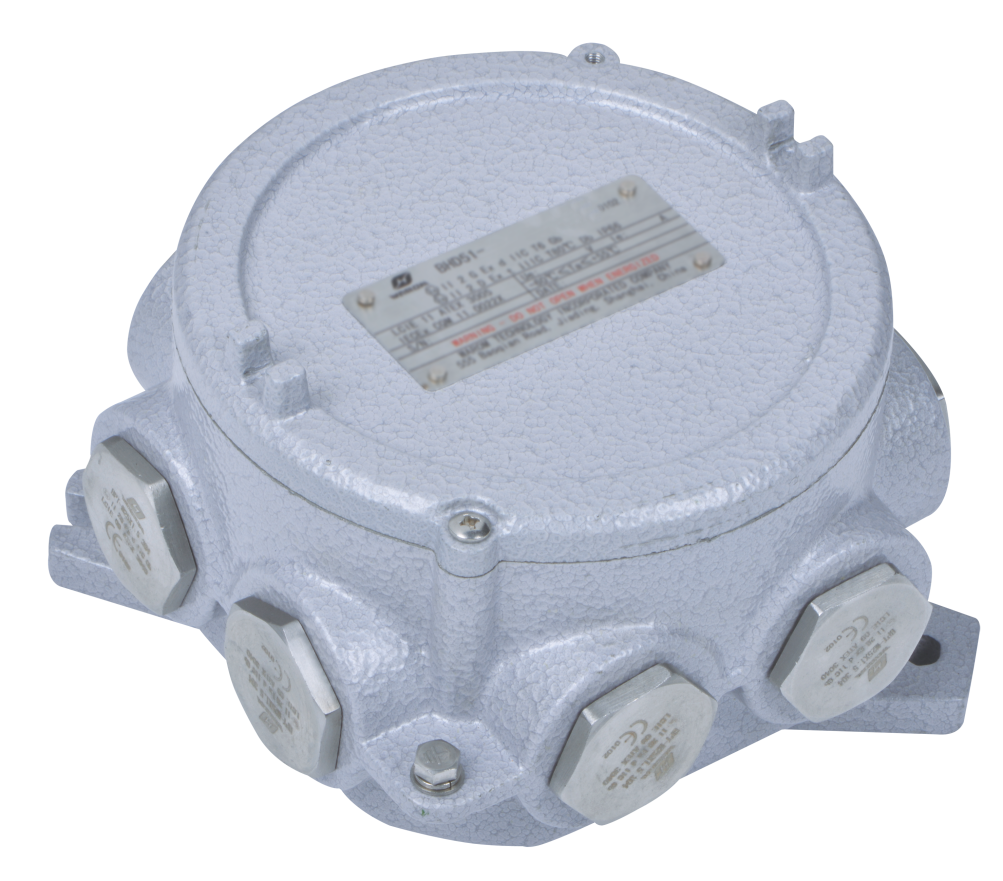
If a supplier gives you only a general “explosion-proof” claim without a certificate reference, treat it as a gap. For hydrogen stations built under IECEx or ATEX frameworks—which is most of the global market—the equipment schedule must show the gas group, temperature class, and protection concept on every line item. A typical ATEX flameproof junction box for hydrogen will carry the marking “II 2 G Ex db IIC T6 Gb” or similar; if the IIC is missing, the box was not tested for hydrogen. The same applies to IECEx certificates. I have seen plant procurement teams accept equipment certified for IIB+H2, which uses a specially designed flame path to cover hydrogen, but only when the certificate explicitly lists IIC under a compound marking. It should never be assumed.
The third-party body matters. Certificates issued by LCIE, PTB, or CML have different technical rigour than self-declarations under the UKCA or CE marking alone. When I source for a hydrogen project, I ask for the full certificate document—not just the front page—because the conditions of use often contain restrictions on ambient temperature, mounting orientation, or cable type that nullify the suitability if overlooked. A flameproof camera, for instance, might be rated IIC but only up to 40 °C ambient, which is a problem in a Gulf-region hydrogen station without confirmed cooling strategy.
Matching Equipment Types to Hydrogen Station Zones
A hydrogen refuelling station typically divides into three risk areas: the compressor enclosure (Zone 1 or Zone 2 depending on ventilation), the storage area (Zone 1 near relief valves and vent stacks), and the dispenser island (Zone 1 around the nozzle, with Zone 2 extending outward). Each area needs a different equipment mix.
- Compressor enclosure: Vibration is high and hydrogen concentration can spike during maintenance. Here I recommend robust Ex d IIC motor starters and distribution boxes with wide-range cable glands. The cable entries must be sealed correctly—a single poorly tightened gland can degrade the entire enclosure’s protection.
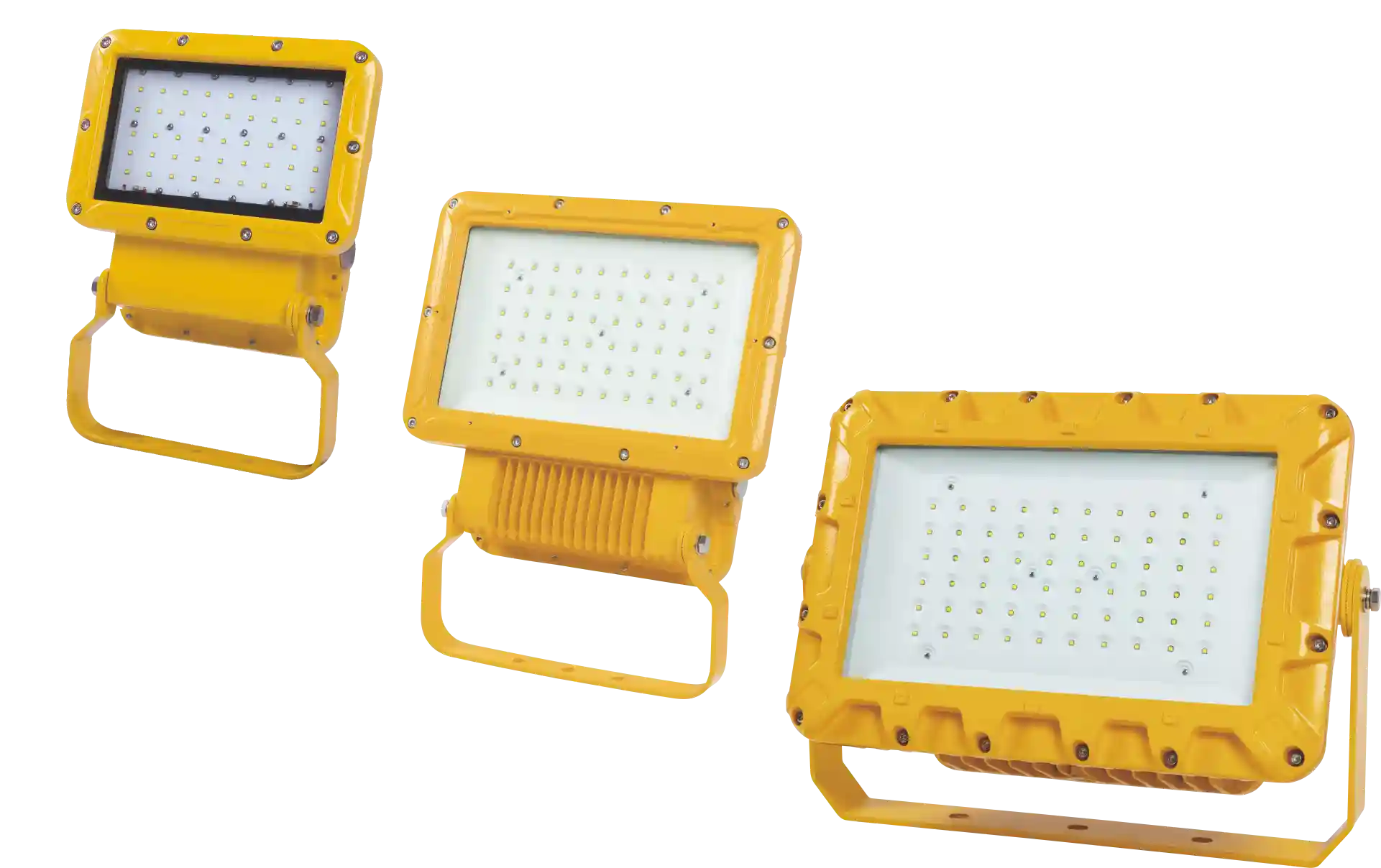
- Storage: Floodlights and junction boxes in this zone often operate at height and are exposed to weather. IP66 ingress protection is the minimum I specify alongside the explosion protection, and I prefer stainless steel or marine-grade aluminium for corrosion resistance if the station is coastal.
- Dispenser island: Public-facing areas need visible alarm devices and emergency stops. Explosion-proof audio-visual units with IIC certification and IP66 rating serve double duty: they alert operators and survive rain, dust, and physical impact.
Below is a quick reference for selecting key equipment by gas group and protection concept:
| Equipment Type | Protection Concept (Zone 1) | Gas Group | Ingress Protection (min) | Notes |
|---|---|---|---|---|
| Junction Box | Ex d / Ex e | IIC | IP66 | Ex e terminals inside Ex d enclosure for combined safety and ease of wiring |
| Floodlight | Ex d | IIC | IP66 | LED preferred; check driver temperature limits |
| Cable Gland | Ex d (armoured) / Ex e (unarmoured) | IIC | IP66 | Nickel-plated brass or stainless; verify cable type |
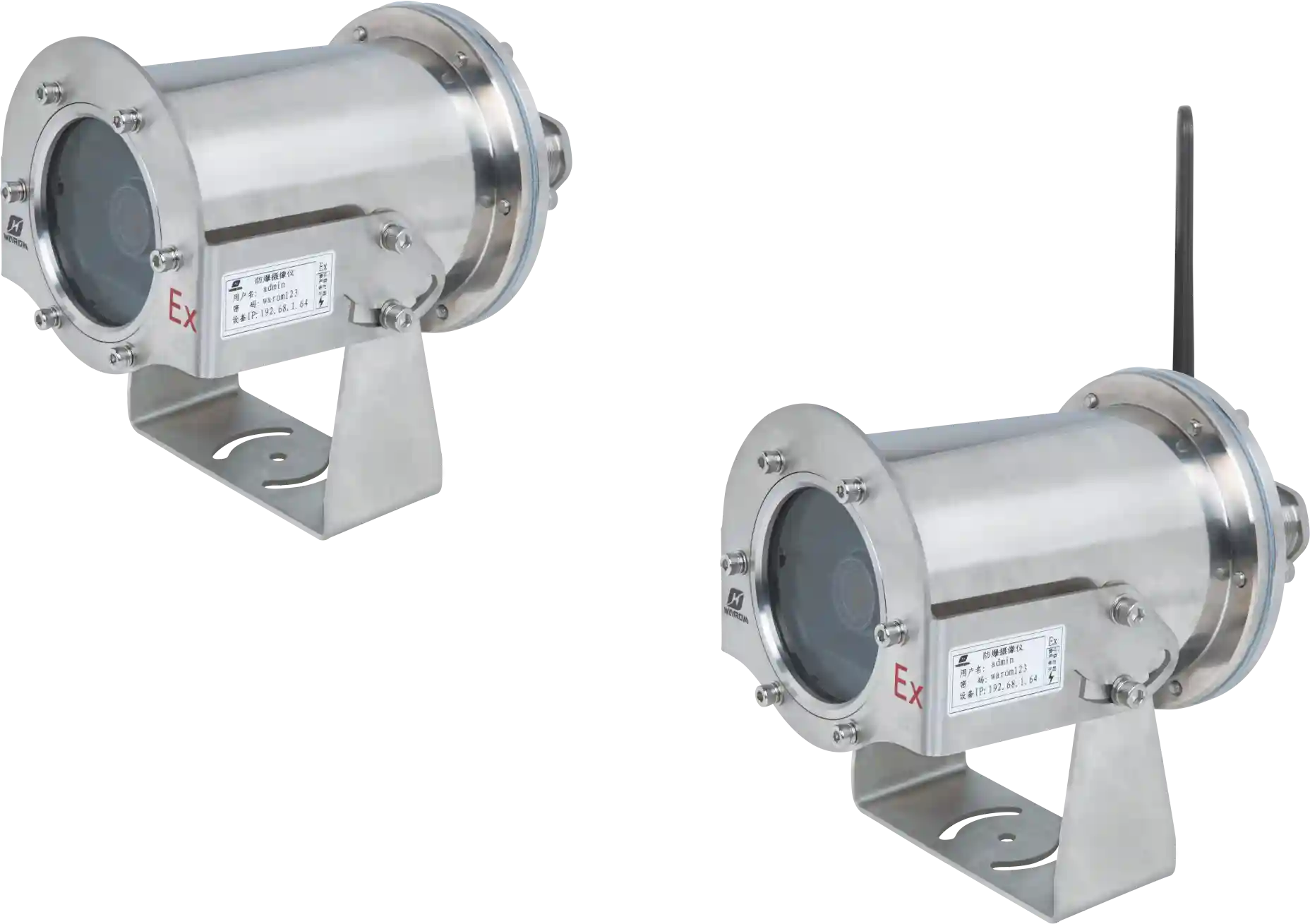
| Camera | Ex d | IIC | IP66/IP68 | Confirm ambient temperature rating on certificate |
| Gas Detector | Ex d / Ex ia | IIC | IP66 | Select sensor technology for hydrogen cross-sensitivity |
If your project involves a dispenser island with multiple lanes, it’s worth confirming the circuit arrangement early. A single distribution box feeding several dispenser columns can simplify compliance but requires careful load analysis to avoid overloading any one branch.
Enclosure Materials for Hydrogen Environments
Hydrogen itself is not corrosive, but the environment around a refuelling station often is. Coastal locations introduce salt spray, and even inland sites deal with road de-icing salts, humidity, and temperature swings. I have seen aluminium enclosures with a standard powder coat fail within three years on a marine-adjacent hydrogen station because the coating was not rated for that specific corrosive category. For offshore or coastal installations, I specify GRP (glass-reinforced polyester) or 316L stainless steel enclosures. GRP offers excellent chemical resistance and is lightweight; stainless steel brings mechanical strength and withstands physical knocks that are common in truck-accessible areas.
An often-missed detail is the dissimilar metal corrosion between the cable gland and the enclosure body. A brass gland screwed into an aluminium enclosure can create a galvanic couple that accelerates corrosion in a wet environment. My principle is to keep the gland material and enclosure material as close as possible on the galvanic series, or at least use a factory-fitted isolating sleeve. This is the kind of thing that shows up in a site audit two years later, and by then the solution is expensive.
Integrating Safety Systems and Automation
Modern hydrogen stations are moving toward automated monitoring and remote diagnostics. In these cases, explosion-proof equipment needs to talk to a higher-level SCADA or PLC without compromising the partition boundary. I have designed packages where intrinsically safe (Ex ia) gas detector loops run into Ex d marshalling boxes before crossing the zone boundary into the safe-area control room. The key is to maintain the protection concept across the transition. If you use an Ex e increased safety enclosure as the termination point, the internal wiring must be segregated accordingly, and any IS loop must use blue cables and separate terminals—never mixed in the same trunk.
For stations that require integration with a leak detection and emergency shutdown system, I recommend specifying modular distribution cabinets with pre-wired bus bars and dedicated compartments. This allows the system integrator to add circuits later without re-entering the flameproof enclosure, preserving the certification. In a recent EPC project for a chemical facility with hydrogen lines, we used pressurised distribution cabinets (Ex p) for the main control panel, which enabled standard electronics to operate inside the hazardous area—the purge-and-pressurise sequence being part of the safety logic itself. That approach works for hydrogen stations as well, especially where VFDs or HMI panels need to reside in Zone 2.
How to Verify a Manufacturer Before You Order
Price comparisons are a starting point, but the real cost of explosion-proof equipment for hydrogen service lies in what happens when a unit fails, a certificate is challenged, or a site audit flags a non-conformance. I evaluate suppliers across four dimensions: certification depth, production traceability, testing documentation, and after-delivery support.
Certification depth means the manufacturer holds IECEx and ATEX certificates that are current—not expiring in three months—and covers the exact configurations you need. Production traceability means the serial number of each enclosure can be traced back to the material batch, the machining records, and the pressure test result. Testing documentation should include a standard production routine test report for every unit, not just a type test certificate for the family. And after-delivery support is not just a phone number; it’s having a technical contact who can advise on gland selection, cable routing, and zone classification without deferring to a different department.
When you send an inquiry for a hydrogen station package, I recommend including these specific questions:
- What is the gas group marking on the device nameplate, and can you provide the certificate documents for review?
- For cable glands, what is the flame path length and the acceptable cable diameter range for IIC?
- Is the factory test for each enclosure documented with a unique serial number, and can I witness it remotely if needed?
- What corrosion resistance standard is the enclosure material and coating tested to (e.g., C5M per ISO 12944)?
An established supplier should answer all four within a day or two without hesitation.
Equipment for hydrogen stations is an engineering investment that protects people and assets for the long term. When you are in the planning phase, reaching out with your preliminary equipment schedule can help identify any misalignment between the zone classification, the gas group, and the product certificates before procurement locks in. If you would like a technical review of your specification or need help selecting an IIC-certified distribution package, you can send your requirement to our team at gm*@***om.com or call +86 21 39977076. Having the wiring diagram and the hazardous area schedule ready when you write or call will make the discussion much more productive.
Common Questions About Explosion Proof Equipment for Hydrogen Stations
Are standard explosion-proof lights suitable for hydrogen areas?
Not automatically. A standard Ex d light fitting rated for gas group IIB will not protect against a hydrogen-air mixture because the flame path dimensions are not designed to cool IIC gases. You need a luminaire with an IIC marking on the certificate and nameplate. Even then, confirm the ambient temperature rating matches the installation climate.
What is the difference between IIB+H2 and IIC?
IIB+H2 is a marking used by some manufacturers for enclosures that have been tested with hydrogen but which use a flame path geometry originally designed for IIB, with modifications. It can be acceptable if the certificate explicitly lists IIC under a compound marking and the test gas was hydrogen. However, a straightforward IIC marking means the enclosure was tested and certified to contain a hydrogen explosion directly, which provides more engineering margin.
Can I use Ex e increased safety equipment in a hydrogen zone?
Ex e is not suitable for Zone 0 or Zone 1 where an explosive hydrogen atmosphere is present during normal operation. It is allowed in Zone 2 or inside an Ex d enclosure as internal components. The protection concept must be applied exactly; using an Ex e terminal box in a Zone 1 hydrogen area without a suitable flameproof enclosure is a violation.
Does hydrogen require a specific temperature class for Ex equipment?
Hydrogen’s auto-ignition temperature is high (about 585 °C), corresponding to T1, so in theory any temperature class from T1 to T6 can be used. However, I recommend T4 or better for light fittings and enclosures exposed to direct sun because it reduces internal heating and extends component life, even if not strictly required.
Is a manufacturer’s CE mark enough for a hydrogen project?
No. A CE mark alone does not verify third-party testing for an explosive atmosphere. For hydrogen, insist on an ATEX or IECEx certificate issued by a notified body such as LCIE, PTB, CML, or TÜV. The certificate must list IIC and the specific product model you are buying. Without that, you are relying on the manufacturer’s self-assessment, which is not acceptable for a gas group IIC environment.
Choosing equipment for hydrogen refuelling stations is more about matching the gas group and certificate to the actual zone than about finding the lowest price. If you are currently building a project schedule and need to verify that the equipment package meets IIC requirements, sharing your zone drawings and electrical single line can help us confirm the right configurations. You can reach us at gm*@***om.com or call +86 21 39977076.
If you’re interested, check out these related articles:
With over a decade of experience, he is a seasoned Explosion-Proof Electrical Engineer specializing in the design and manufacture of safety and explosion-proof products. He possesses in-depth expertise across key areas including explosion-proof systems, nuclear power lighting, marine safety, fire protection, and intelligent control systems. At Warom Technology Incorporated Company, he holds dual leadership roles as Deputy Chief Engineer for International Business and Head of the International R&D Department, where he oversees R&D initiatives and ensures the precise delivery of design documentation for international projects. Committed to advancing global industrial safety, he focuses on translating complex technologies into practical solutions, helping clients implement safer, smarter, and more reliable control systems worldwide.

Qi Lingyi