
Industrial operations in hazardous locations demand more than standard equipment. They require precisely engineered OEM explosion proof solutions that ensure both safety and operational integrity. These specialized systems prevent ignition in environments where flammable gases, vapors, mists, or combustible dusts are present. Off-the-shelf products often cannot meet the stringent safety and performance requirements of complex industrial projects, which makes custom engineering a critical factor for success.
Why Do Industrial Sites Need OEM Explosion Proof Solutions
The necessity for explosion proof equipment arises directly from the inherent risks in industries such as oil and gas, chemical processing, and pharmaceuticals. Inadequate protection can lead to catastrophic failures that result in severe injuries, fatalities, environmental damage, and significant financial losses.
Regulatory bodies like ATEX in Europe and IECEx globally establish rigorous standards for hazardous location equipment. These standards mandate specific design, testing, and certification protocols. Compliance with these standards is not merely a legal obligation. It is a fundamental component of process safety management that mitigates electrical safety hazards and ensures continuous, safe operation.
The Tilenga project in Uganda provides a clear example. This project, which includes wellpads and a central processing facility, mandated equipment capable of operating without incident under extreme conditions. The requirement highlighted the critical role of certified explosion proof systems in large-scale energy infrastructure.
Where Standard Equipment Falls Short in Extreme Environments
Standard explosion proof products are designed to meet general requirements. They often exhibit limitations when confronted with the unique operational challenges and extreme environmental conditions prevalent in many industrial settings.
These off-the-shelf solutions may lack the specific material resilience needed for corrosive atmospheres. They may also lack the precise temperature range capabilities required for certain processes. This can lead to premature equipment failure, increased maintenance requirements, and ultimately higher project lifecycle costs. Bespoke engineering services address these gaps by tailoring explosion proof enclosures and other components to exact specifications.
How Hazardous Area Classifications Affect Equipment Selection
Hazardous area classification defines the specific conditions under which an explosive atmosphere may occur. These classifications dictate the type of explosion protection required.
Classifications such as Zone 0, 1, or 2 for gases and Zone 20, 21, or 22 for dusts involve intricate details. These include gas group ratings, temperature class, and ingress protection levels. Standard equipment typically carries broad certifications that may not align perfectly with the nuanced requirements of a particular zone.
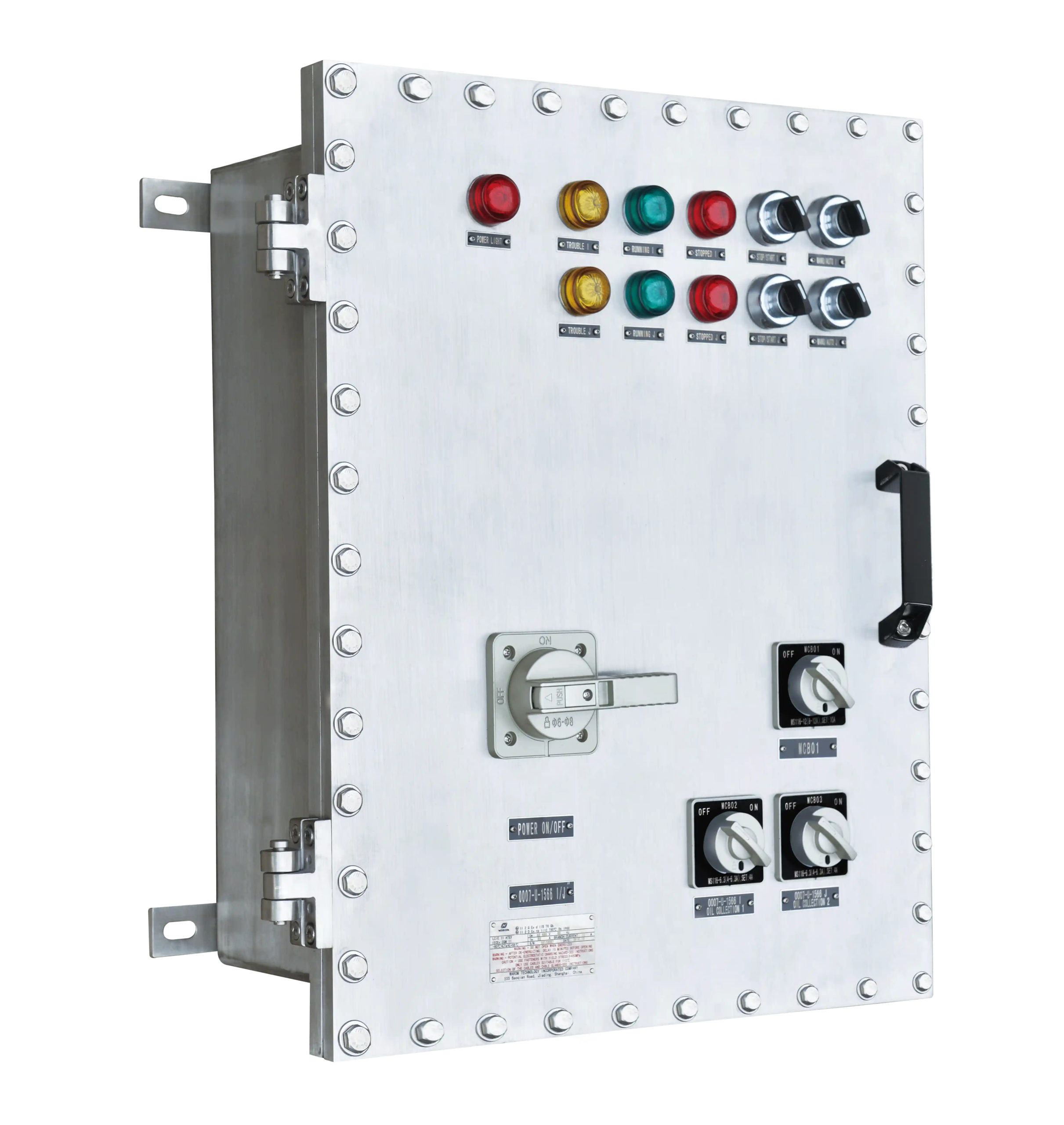
The General Paint project in Mexico illustrates this point. The facility involved flammable gas and dust risks that necessitated a customized explosion proof solution. The project required specialized gas detectors and distribution boxes to meet precise classification demands that standard products could not satisfy.
What Materials Withstand Corrosive and Extreme Temperature Conditions
Industrial environments frequently present corrosive elements and extreme temperatures that standard materials cannot withstand long term. Equipment exposed to chemicals, salt spray, or wide temperature fluctuations requires specialized materials and protective coatings to maintain its integrity and safety.
The General Paint solution included anti-corrosion equipment specifically chosen to combat the chemical aggression present in their medium-sized chemical plant. For applications requiring high temperature or low temperature performance, custom engineering allows for the selection of material compatibility that ensures longevity and reliable operation. This prevents degradation and potential safety breaches that could compromise the entire facility.
What Should You Evaluate Before Specifying Custom Explosion Proof Equipment
When evaluating the need for custom explosion protection, several key considerations guide the decision-making process. A thorough risk assessment methodology is paramount to identify all potential hazards and define the precise protection levels required. This assessment informs the project specifications and ensures that the custom solution aligns with both regulatory compliance and operational goals.
Early engagement with experts facilitates coordination among the promoter, design institute, and project owner. The Fushilai Pharmaceutical CM/CDMO construction project demonstrated this approach. Technical support was integrated from the outset, which led to a robust, integrated safety system that met pharmaceutical manufacturing safety requirements.
Vendor qualification also plays a significant role. The chosen partner must possess the engineering capabilities and certifications to deliver tailored solutions that meet international standards.
How Does OEM Customization Improve Safety Performance and Reduce Total Cost
OEM customization significantly enhances industrial safety standards and delivers a strong return on investment by providing equipment precisely matched to specific operational demands. Tailored solutions result in superior safety performance, reduced operational costs, and extended equipment lifespan.
The Tilenga project achieved zero safety incidents through customized explosion proof lighting and electrical systems. The project also realized energy efficiency, low maintenance requirements, and reliability under extreme conditions. The General Paint project improved safety and prevented potential fires or explosions, directly demonstrating the value of bespoke engineering in hazardous chemical environments.
How Bespoke Designs Reduce Energy Consumption and Operating Costs
Custom designs integrate advanced features for energy efficient explosion proof operation and optimized system design. These features directly reduce running costs over the equipment lifespan.
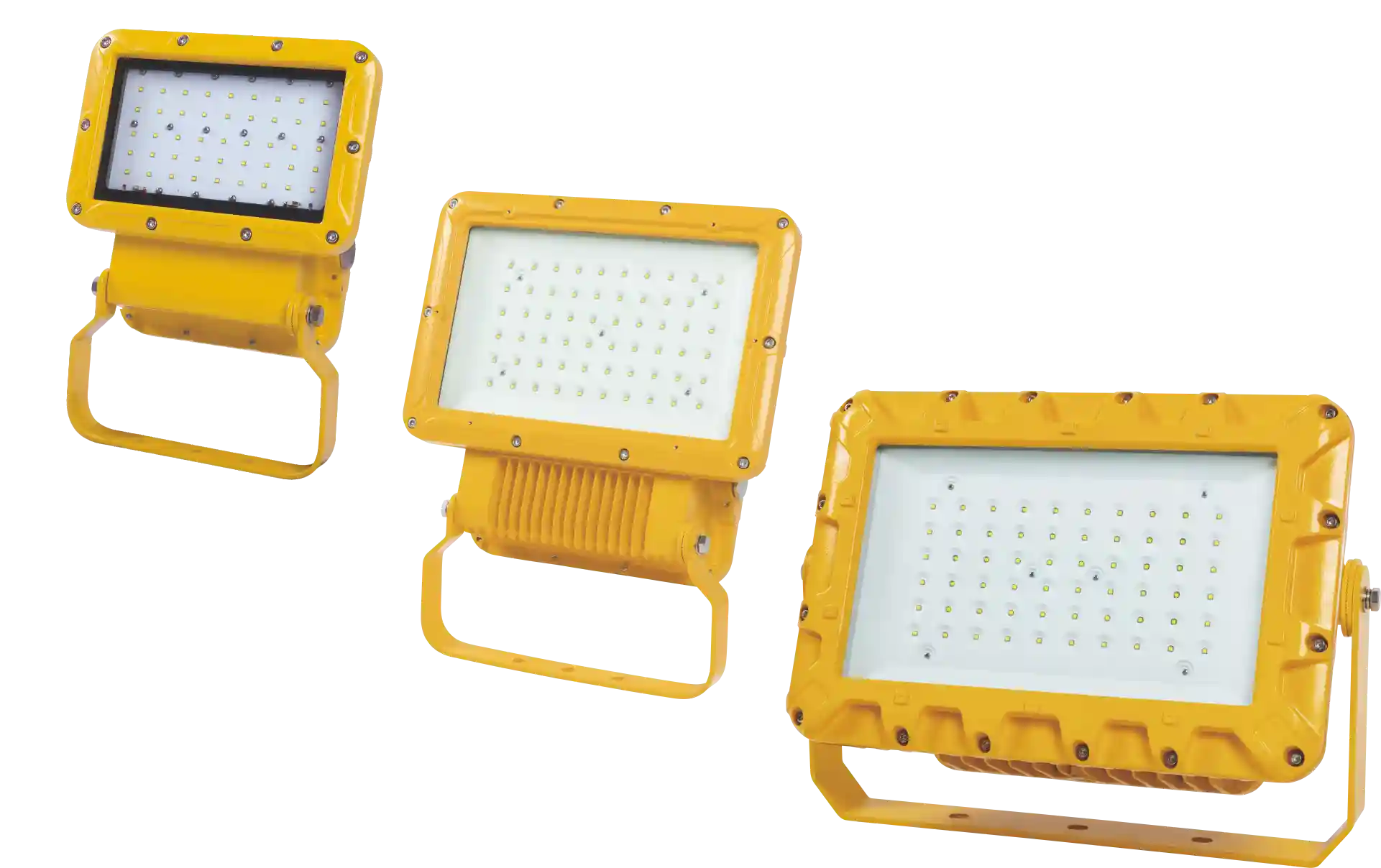
The HRNT95 series explosion proof LED light fittings offer high lighting efficiency and long service life, contributing to measurable energy savings. By specifying exact power requirements and light distribution patterns, whether spotlight or floodlight, customized lighting solutions minimize energy waste while maximizing illumination in critical areas. The energy efficiency achieved in the Tilenga project resulted from this type of performance customization tailored to specific project needs.
Can Custom Solutions Integrate with Existing Systems and Support Future Expansion
Custom explosion proof solutions are designed for a precise fit within existing infrastructure. They can also accommodate future expansions while minimizing disruption during installation and commissioning.
The Fushilai Pharmaceutical project demonstrated how phased delivery aligned to construction progress facilitates efficient project lifecycle management. Modular explosion proof solutions allow for future-proof explosion protection. They enable upgrades or modifications without requiring a complete overhaul of the safety system, which supports long-term planning and scalability as production requirements evolve.
What Engineering Capabilities Should You Look for in an OEM Explosion Proof Partner
Warom Technology Incorporated Company, established in 1987, is a diversified enterprise leading the explosion proof industry through product research and development, manufacturing, and sales. This comprehensive approach allows us to provide custom engineering services and industrial safety consulting for diverse industries. These include pharmaceutical manufacturing safety, oil and gas sector equipment, and chemical plant safety.
We offer advanced explosion protection technology such as the BJK-S/G series explosion proof camera with IP66/IP68 ingress protection. The BCZ8060 series explosion proof plugs and sockets made of high-performance composite material GRP represent another example of our engineering capabilities. Our project execution is evident in our ability to deliver tailored solutions that meet stringent international certifications including ATEX, IECEx, UL, CCS, BV, LCIE, PTB, Nemko, and DNV.
Why a Specialized Partner Matters for Long-Term Equipment Reliability
Choosing a specialized partner for critical explosion proof needs reinforces long-term equipment reliability, compliance assurance, and operational success. A strategic safety partnership ensures access to expert technical support and comprehensive after-sales service, which is vital for complex industrial projects.
Our work with General Paint and Fushilai Pharmaceutical demonstrates our commitment to building trust and establishing replicable models for multi-party coordination. We prioritize vendor relationship management to ensure that our solutions not only meet immediate project requirements but also contribute to sustained safety and efficiency over the operational lifespan.
If your facility operates in a hazardous area classification that standard equipment cannot adequately address, discussing your specific zone requirements and environmental conditions with an engineering team before finalizing specifications is worthwhile.
Frequently Asked Questions About Custom Explosion Proof Equipment
What certifications does explosion proof equipment need for different hazardous zones?
The required certifications depend on the region and hazardous area classification. Globally, IECEx and ATEX are predominant. Specific standards like UL and CSA apply for North America. OEM explosion proof equipment ensures precise compliance for each unique zone, from gas to dust hazards. The certification must match the specific zone classification, gas group, and temperature class of your application.
Does the higher upfront cost of OEM explosion proof equipment pay off over time?
While OEM explosion proof equipment may have a higher initial investment, its long-term operational benefits typically lead to a significantly lower total cost of ownership compared to standard alternatives. Enhanced safety reduces incident-related costs. Reduced maintenance lowers labor and parts expenses. Increased energy efficiency cuts utility bills. Minimized downtime protects production revenue. These factors combine to offset the initial premium within the first few years of operation in most applications.
Can you upgrade existing explosion proof systems with custom components?
Yes, in many cases existing standard explosion proof systems can be upgraded with custom-engineered components. This approach allows for targeted improvements in specific areas, enhancing overall safety, compliance, and performance without requiring a complete system overhaul. A detailed assessment by an expert is crucial to determine compatibility and ensure that upgrades maintain the integrity of the original certification. To discuss whether your current installation can benefit from component upgrades, contact our engineering team at gm*@***om.com or call +86 21 39977076.
If you’re interested, you may want to read the following articles:
Warom at CANTON FAIR
IP64 Rating Guide: Practical Device Protection Tests
With over a decade of experience, he is a seasoned Explosion-Proof Electrical Engineer specializing in the design and manufacture of safety and explosion-proof products. He possesses in-depth expertise across key areas including explosion-proof systems, nuclear power lighting, marine safety, fire protection, and intelligent control systems. At Warom Technology Incorporated Company, he holds dual leadership roles as Deputy Chief Engineer for International Business and Head of the International R&D Department, where he oversees R&D initiatives and ensures the precise delivery of design documentation for international projects. Committed to advancing global industrial safety, he focuses on translating complex technologies into practical solutions, helping clients implement safer, smarter, and more reliable control systems worldwide.
Qi Lingyi