
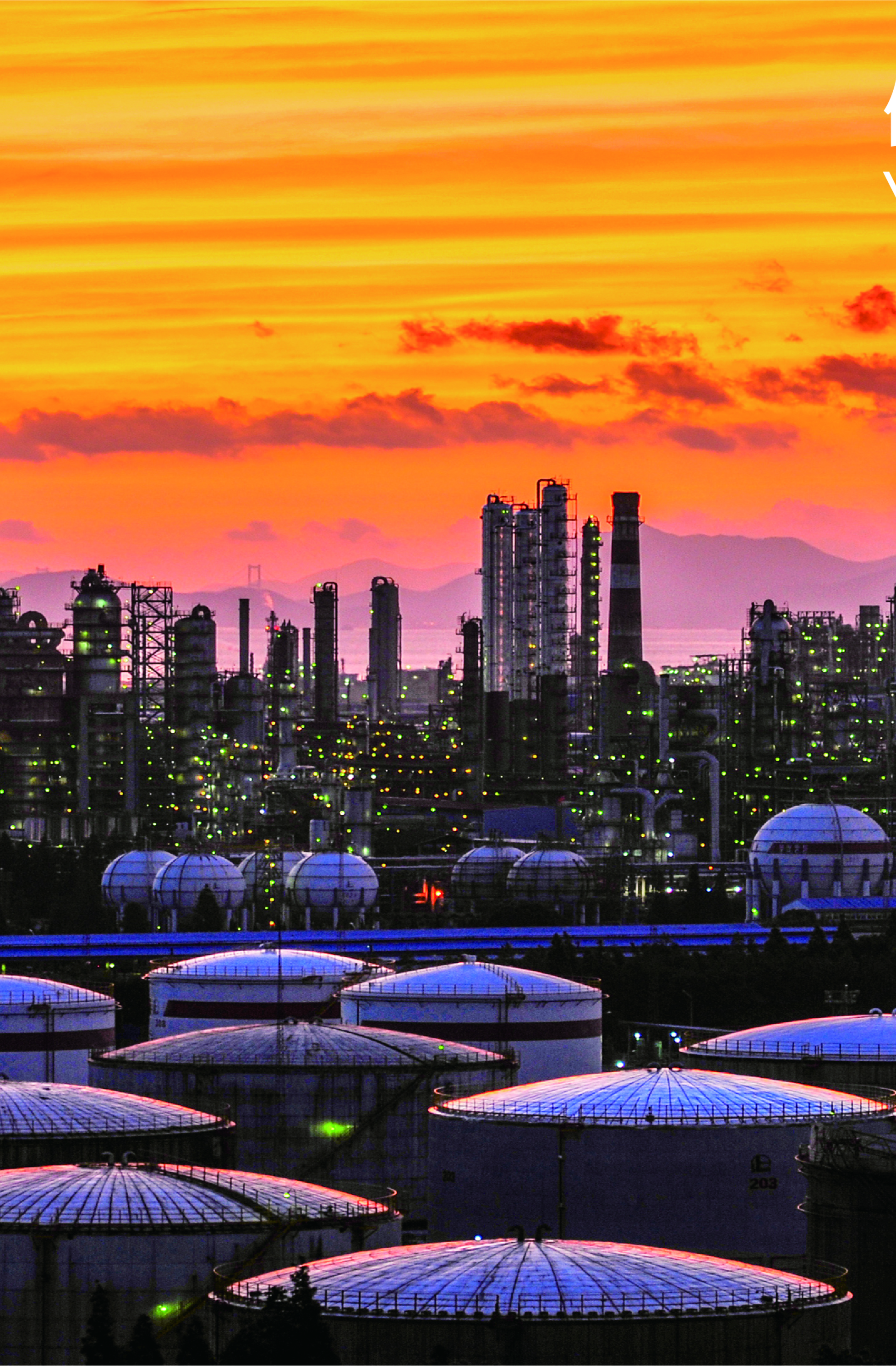
Operating in Zone 1 hazardous areas means working where flammable gases, vapors, or mists show up often enough that a single spark from the wrong light fixture could trigger an explosion. The lighting you install in these spaces does more than meet a compliance checkbox. It determines whether your facility operates without incident or faces the kind of catastrophic failure that shuts down production and puts lives at risk. Explosion proof lighting engineered specifically for Zone 1 conditions contains or prevents ignition sources through design features that standard industrial fixtures simply lack. Understanding what separates certified explosion proof light fittings from conventional options, and knowing how to evaluate them for your specific application, directly affects both safety outcomes and long-term operational costs.
What Makes Zone 1 Different from Other Hazardous Area Classifications
Zone 1 hazardous areas sit in the middle of the risk spectrum for explosive atmospheres. Unlike Zone 0, where flammable concentrations exist continuously, or Zone 2, where they appear only under abnormal conditions, Zone 1 locations see explosive mixtures during normal operation on an occasional basis. Think of areas near pump seals in a refinery, or spaces around filling points in a chemical plant. The atmosphere is not always dangerous, but it becomes so frequently enough that every piece of electrical equipment must be built to handle ignition prevention as a baseline requirement.
This classification drives the entire approach to explosion proof light fittings. Equipment certified for Zone 1 must prevent any internal fault, spark, or surface temperature from reaching the surrounding atmosphere in a way that could cause ignition. The protection methods vary, but the outcome requirement stays constant: no ignition source escapes the fixture under any foreseeable operating condition.
| Zone Classification | Likelihood of Hazardous Atmosphere | Required Protection Level |
|---|---|---|
| Zone 0 | Continuous or long periods | Very High |
| Zone 1 | Occasional during normal operation | High |
| Zone 2 | Unlikely, short duration | Normal |
ATEX Zone 1 certification remains mandatory for equipment operating in potentially explosive atmospheres within the European Union, while IECEx explosion protection provides the international certification framework recognized across most other markets. Both schemes require third-party testing and documentation that confirms the fixture meets specific construction and performance standards before it can be installed in a Zone 1 environment.
How Flameproof and Increased Safety Designs Actually Work
The protection methods used in explosion proof light fittings for Zone 1 fall into a few distinct categories, each addressing ignition risk through different engineering approaches.
Flameproof enclosures, designated as Ex d protection, operate on the principle of containment. If an ignition occurs inside the fixture, the enclosure is designed with joints and gaps engineered to cool any escaping gases below their ignition temperature before they reach the external atmosphere. The explosion stays contained, and the surrounding hazardous atmosphere remains unignited. This approach requires heavy, precisely machined housings with specific flange widths and gap tolerances.
Increased safety luminaires, designated as Ex e, take a prevention-first approach. These fixtures eliminate sparks, arcs, and excessive temperatures through enhanced construction standards. Terminals are spaced farther apart, creepage distances are increased, and components are rated with additional safety margins. The goal is to ensure that no ignition-capable event occurs in the first place, even under fault conditions.
Intrinsically safe lighting, designated as Ex i, limits the electrical and thermal energy available in the circuit to levels physically incapable of causing ignition. This approach works well for low-power applications but becomes impractical for high-output lighting needs.
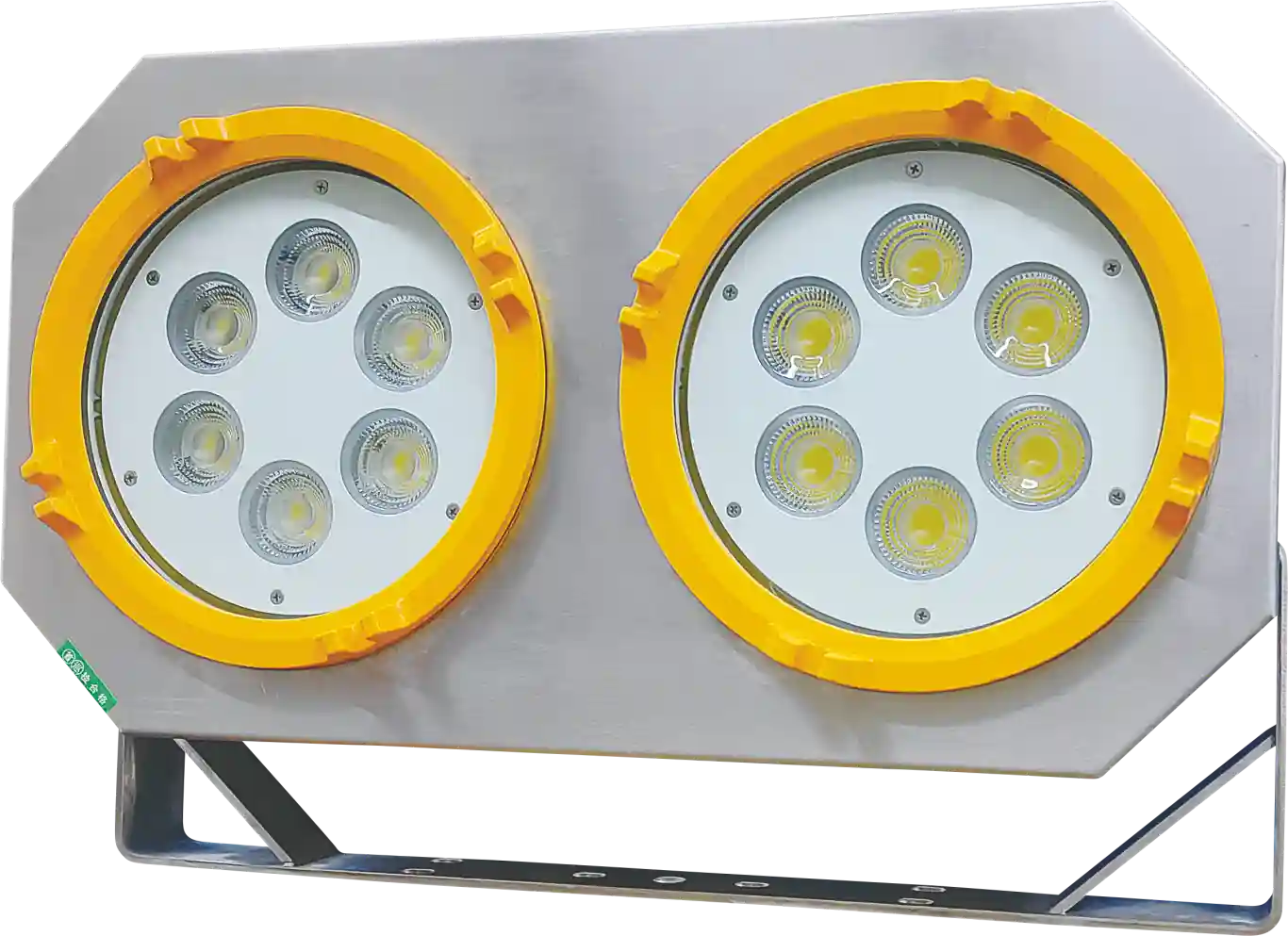
Modern LED explosion proof fixtures have shifted the market significantly. The BAT86 Explosion-proof LED Floodlights represent this generation of products, using high-quality steel lamp bodies with powder-coated surfaces that handle moisture, vibration, and corrosive atmospheres without degradation. LEDs generate substantially less heat than traditional HID or fluorescent sources, which directly affects temperature class ratings. A fixture that runs cooler can be certified for use with lower-ignition-temperature gases, expanding its application range. The IP66 rating on these units indicates complete dust protection and resistance to powerful water jets, which matters in washdown environments or outdoor installations exposed to weather.
What Certification Markings Tell You About Fixture Suitability
Explosion proof light fittings for Zone 1 carry certification markings that encode critical information about their approved applications. The gas group rating indicates which specific flammable substances the fixture can safely operate around. Group IIA covers propane and similar gases, Group IIB includes ethylene, and Group IIC covers hydrogen and acetylene, the most easily ignited gases. A fixture certified for IIC can be used with IIA and IIB gases, but not the reverse.
Temperature class ratings, from T1 through T6, specify the maximum surface temperature the fixture will reach under worst-case operating conditions. T6 represents the lowest maximum temperature at 85°C, suitable for use around substances with ignition temperatures as low as 85°C. Matching the temperature class to the specific hazardous substances present in your facility is not optional. Installing a T3-rated fixture in an area with T4 requirements creates an ignition risk that certification was designed to prevent.
The EN 60079 series of standards details the construction, testing, and marking requirements that underpin both ATEX and IECEx certifications. Compliance with these standards is verified through type testing and ongoing production quality audits by notified bodies.
Evaluating Fixtures for Corrosive and High-Impact Environments
Zone 1 hazardous areas rarely present only explosion risk. Oil and gas facilities expose equipment to salt spray, hydrogen sulfide, and crude oil contamination. Chemical plants subject fixtures to acid vapors and solvent splashes. Pharmaceutical facilities require equipment that tolerates frequent washdowns with aggressive cleaning agents.
Corrosion resistant lighting requires more than a painted steel housing. Marine-grade aluminum alloys, stainless steel hardware, and specialized coatings that maintain their integrity after years of chemical exposure determine whether a fixture survives its expected service life. Impact resistant luminaires use polycarbonate or tempered glass lenses rated to IK standards, with IK10 representing the highest level of mechanical impact protection.
The Tilenga project in Uganda illustrates what environmental demands look like in practice. This oil development project included wellpads, a Central Processing Facility, and pipelines within Murchison Falls National Park. The lighting systems had to handle tropical humidity, temperature swings, wildlife interaction, and the vibration from nearby drilling and processing equipment. The project achieved zero safety incidents while meeting energy efficiency targets, which required fixtures selected specifically for those combined stresses rather than generic Zone 1-certified products.
Why LED Technology Changes the Maintenance Calculation
LED explosion proof lights alter the economics of hazardous area lighting in ways that extend beyond energy savings. The longer operational life of LED sources, typically 50,000 to 100,000 hours compared to 10,000 to 20,000 hours for HID lamps, directly reduces the frequency of maintenance interventions. Every time a technician enters a Zone 1 area to replace a lamp, that entry carries risk. Permits must be issued, gas testing must be performed, and the work must be completed under controlled conditions. Cutting lamp replacements by 80% means cutting those high-risk maintenance entries by a similar proportion.
Lower power consumption reduces operating costs, but the more significant benefit in hazardous areas is reduced heat generation. A fixture that converts more input power to light and less to heat runs at lower surface temperatures, which provides additional margin against temperature class limits. Instant on/off capability eliminates the restrike delays common with HID sources, improving visibility immediately after power restoration following a shutdown.
If your facility currently operates HID fixtures in Zone 1 areas and you are evaluating an LED retrofit, the maintenance reduction alone often justifies the capital investment within two to three years, depending on labor costs and the complexity of your permit-to-work procedures.
Installation Requirements That Protect the Explosion Protection Concept
The certification of an explosion proof light fitting applies to the complete assembly as tested. Modifying the fixture, using non-approved components, or installing it in ways that compromise the protection concept voids that certification and creates an uncertified installation in a Zone 1 area.
Cable entry points require explosion proof cable glands matched to the protection type of the fixture. A flameproof fixture needs flameproof cable glands with the same flame path specifications. Increased safety fixtures need increased safety glands with appropriate creepage and clearance distances. Mixing protection types at the cable entry point is a common installation error that inspection authorities flag regularly.
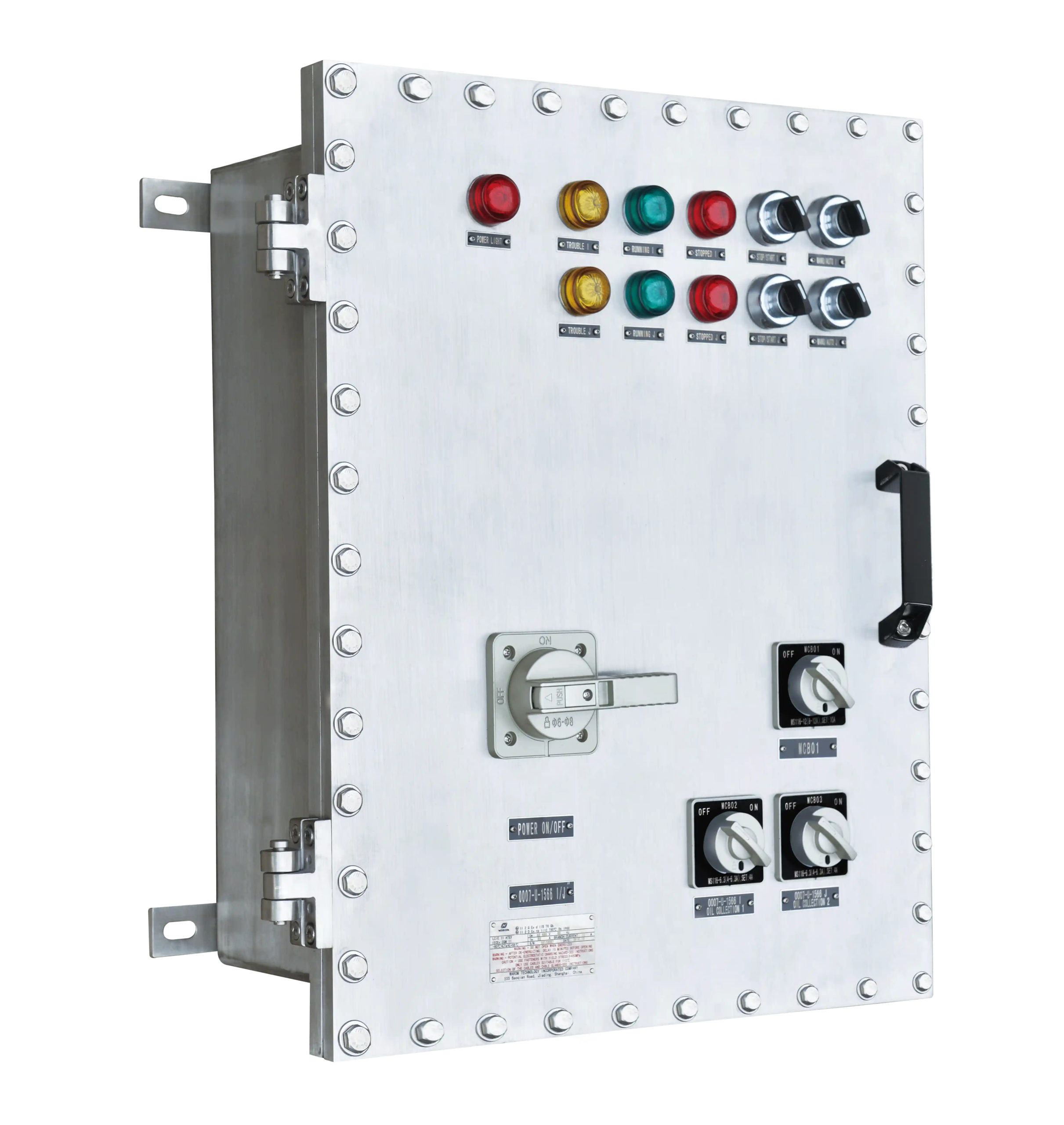
Explosion proof junction boxes serve as transition points between the hazardous area wiring and the fixture connections. These boxes must carry their own Zone 1 certification and be installed according to the manufacturer’s instructions. The integrity of the entire circuit, from the distribution panel through the junction boxes to the fixture, determines whether the installation meets the explosion protection requirements.
The General Paint Electrical Safety Upgrade project in Mexico demonstrated what a comprehensive approach to Zone 1 electrical safety looks like. The scope included not only lighting but also gas detectors, explosion-proof plugs, junction and distribution boxes, and static electricity discharge devices. On-site diagnosis identified the specific hazards present, and the solution addressed each one with appropriately certified equipment. This kind of integrated approach prevents the gaps that occur when lighting is treated as a standalone purchase rather than part of a complete electrical safety system.
When Integrated Explosion-Proof Systems Make More Sense Than Component Purchases
Complex hazardous area projects benefit from treating explosion-proof electrical systems as integrated packages rather than collections of individual components. Distribution boxes, control stations, lighting fixtures, and static discharge devices all interact within the same hazardous area. Coordinating their specifications, certifications, and installation requirements at the design stage prevents the compatibility problems that emerge when components are sourced separately.
The Fushilai Pharmaceutical CM/CDMO Construction Project required distribution boxes for workshops, warehouses, tank farms, and pump controls across a facility with multiple Zone 1 areas. Coordinating equipment supply with the design institute and project owner ensured that all components met the same certification standards and that the installation contractors received consistent documentation. This coordination adds complexity to the procurement process but eliminates the rework and delays that occur when mismatched equipment arrives on site.
How to Evaluate Manufacturer Capability Beyond the Product Specification Sheet
Selecting reliable explosion proof lighting for extreme environments requires looking beyond the published specifications. IP and IK ratings indicate resistance to dust, water, and mechanical impact, but those ratings only matter if the manufacturing quality delivers the tested performance consistently across production batches.
Ask about the manufacturer’s quality management certification and whether their production facilities undergo regular audits by the notified bodies that issued the product certifications. Request references from installations in similar environments and follow up on long-term performance. A fixture that performs well in laboratory testing but fails after three years of exposure to hydrogen sulfide in a refinery environment does not represent good value regardless of its initial price.
The manufacturer’s technical support capability matters when installation questions arise or when a fixture needs to be adapted for an unusual mounting configuration. Manufacturers with application engineering staff who understand hazardous area requirements can provide guidance that prevents installation errors and ensures the protection concept remains intact.
Frequently Asked Questions About Zone 1 Explosion Proof Lighting
What is the difference between Zone 1 and Zone 2 hazardous areas for explosion proof light fittings?
Zone 1 areas expect hazardous atmospheres to occur during normal operations, while Zone 2 areas only anticipate hazardous conditions under abnormal circumstances like equipment failures or spills. This difference in expected frequency drives the certification requirements. Zone 1 fixtures must meet more stringent construction and testing standards because they operate in conditions where ignition sources encounter flammable atmospheres more regularly. A fixture certified only for Zone 2 cannot be installed in a Zone 1 location, though Zone 1 certified fixtures can be used in Zone 2 areas.
Can standard LED light fittings be adapted for Zone 1 hazardous areas?
Standard LED fixtures cannot be modified or adapted for Zone 1 use. The explosion protection in certified fixtures results from specific design features, material selections, and manufacturing processes that are verified through type testing. Adding an enclosure to a standard fixture does not create a certified product. The entire assembly, including the LED driver, the light source, the housing, and all entry points, must be designed and tested together to meet the protection requirements. Attempting to adapt standard equipment for Zone 1 areas creates serious safety and compliance risks.
How often should explosion proof light fittings in Zone 1 be inspected and maintained?
Inspection frequency depends on the specific environment, the equipment type, and the applicable regulatory framework. ATEX and IECEx guidelines establish three inspection grades: visual inspections that can be performed by trained operators, close inspections that require more detailed examination, and detailed inspections that may require opening enclosures. Visual inspections typically occur quarterly or more frequently in aggressive environments. Close inspections happen annually in most facilities. Detailed inspections follow manufacturer recommendations or occur when damage is suspected. Maintaining inspection records demonstrates ongoing compliance and helps identify degradation trends before failures occur. For facilities operating in particularly corrosive or high-vibration environments, consulting with your certification body about appropriate inspection intervals ensures your maintenance program matches your actual risk profile.
To discuss specific requirements for your Zone 1 lighting installation, contact WAROM TECHNOLOGY INCORPORATED COMPANY at +86 21 39977076 or +86 21 39972657, or via email at gm*@***om.com.
If you’re interested, you may want to read the following articles:
Oil Rig Lights Tested: Which Explosion Proof Lighting Performs Best?
Street Lamps: Industrial Safety & Efficiency Solutions
The Neftgaz exhibition came to a successful conclusion
What is Portable Explosion Proof Lighting? An Expert Guide
With over a decade of experience, he is a seasoned Explosion-Proof Electrical Engineer specializing in the design and manufacture of safety and explosion-proof products. He possesses in-depth expertise across key areas including explosion-proof systems, nuclear power lighting, marine safety, fire protection, and intelligent control systems. At Warom Technology Incorporated Company, he holds dual leadership roles as Deputy Chief Engineer for International Business and Head of the International R&D Department, where he oversees R&D initiatives and ensures the precise delivery of design documentation for international projects. Committed to advancing global industrial safety, he focuses on translating complex technologies into practical solutions, helping clients implement safer, smarter, and more reliable control systems worldwide.

Qi Lingyi