
Solar farm inverter rooms sit between two harsh environments: the electrical heat and harmonics generated inside, and the dust, rain, UV, and temperature swings outside. A weatherproof control panel for these rooms has to manage both pressures at the same time. The selection is not simply a matter of specifying an IP66 box. The panel must keep water and dust out without trapping heat, provide dependable cable entry, protect internal devices from condensation and corrosion, and remain serviceable after years of outdoor exposure. This guide walks through the specification points that matter most for solar farm inverter room panels, from environmental rating and thermal design to the information you should request in an RFQ.
The Inverter Room Environment Shapes the Panel
An inverter room is not a typical indoor electrical room. It may be a prefabricated shelter, a containerized station, or a purpose-built building in a remote location. The internal load includes inverters, transformers, auxiliary power supplies, communication equipment, fans, and sometimes battery system controls. Each of those devices adds heat while also introducing harmonics, switching noise, and fault current that the control panel must withstand.
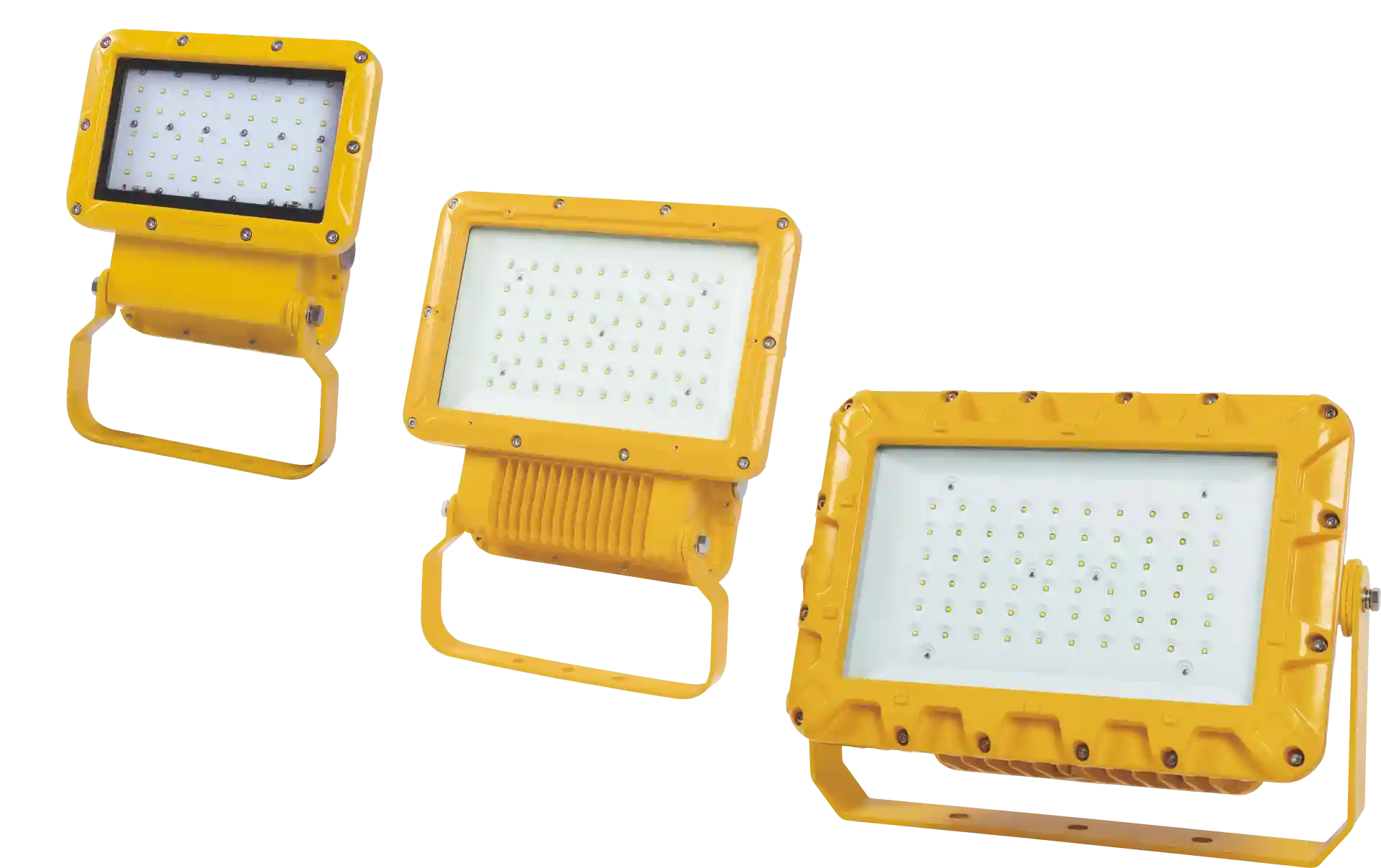
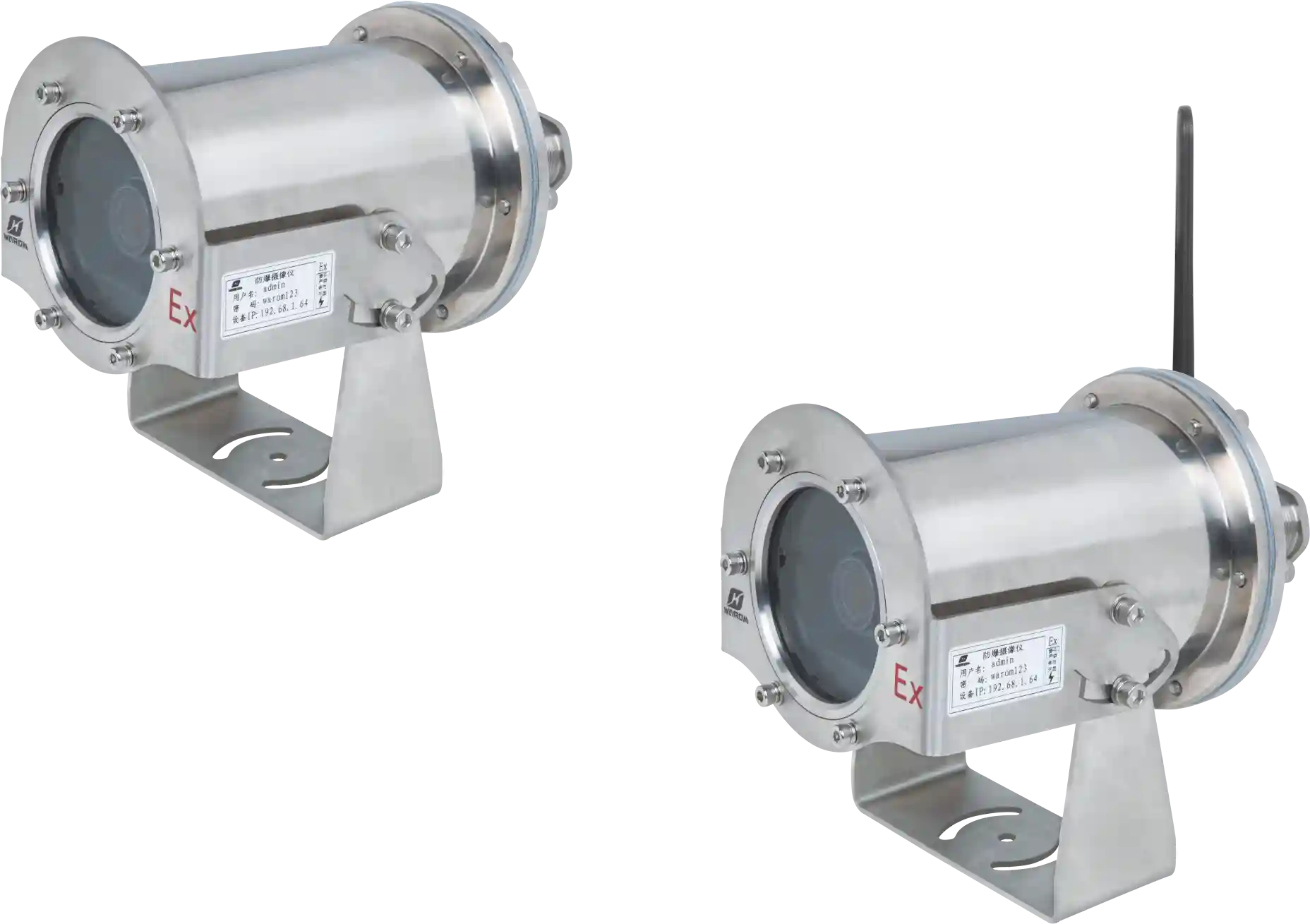
The external environment is equally variable. A desert solar farm may expose the shelter to blowing sand and high ambient heat. A coastal installation may combine salt spray, humidity, and strong UV. A high-altitude site may experience rapid temperature changes that create condensation inside electrical enclosures. The control panel is usually on the wall of the shelter or installed at the edge of the inverter room, so it often sits in the transition zone between conditioned space and outside conditions. Outdoor equipment around the inverter shelter, including access lighting and security cameras, experiences the same dust, rain, and UV load as the control panel enclosure.
The panel specification should therefore start with the site, not with the product. A unit that works well in a mild climate may fail quickly in a coastal or high-desert environment if the gasket material, coating, cable entry, and internal cooling were not matched to those conditions.
Weatherproof Rating Is Only the First Filter
IP and NEMA ratings are useful screening tools, but they do not replace a thermal and corrosion review. The first digit of an IP rating describes protection against solid objects and dust. The second digit describes protection against water. An IP66 enclosure is dust-tight and protected against powerful water jets. An IP65 enclosure is also dust-tight but protected against lower-pressure water jets. The difference matters when the panel faces cleaning crews using hoses or when wind-driven rain is common.
The appropriate rating depends on the panel location. A wall-mounted panel inside a closed shelter with filtered ventilation may need a different rating from a panel mounted on an exterior wall with only a small canopy. At the same time, the rating does not prove that the panel can handle internal heat or site corrosion. A sealed IP66 box may keep water out but overheat if the internal devices produce more heat than the enclosure can reject.
| Site condition | Reasonable enclosure target | What it does not prove |
|---|---|---|
| Inverter shelter with filtered ventilation | IP54 or NEMA 3R with a sealed gland plate | Does not prove reliable operation in dust storms or hose-down cleaning |
| Dusty desert site | IP65 or NEMA 4 with filtered ventilation | Does not prove internal heat is controlled |
| Coastal or high-humidity site | IP65 or NEMA 4X with coated steel or stainless steel | Does not prove long-term corrosion resistance of hinges and glands |
| Exterior wall exposed to rain | IP65 or NEMA 4 with bottom entry and drip protection | Does not prove gasket life under UV and thermal cycling |
| Cold climate | IP65 or NEMA 4 with heater and thermostat | Does not prove condensation is removed from the panel interior |
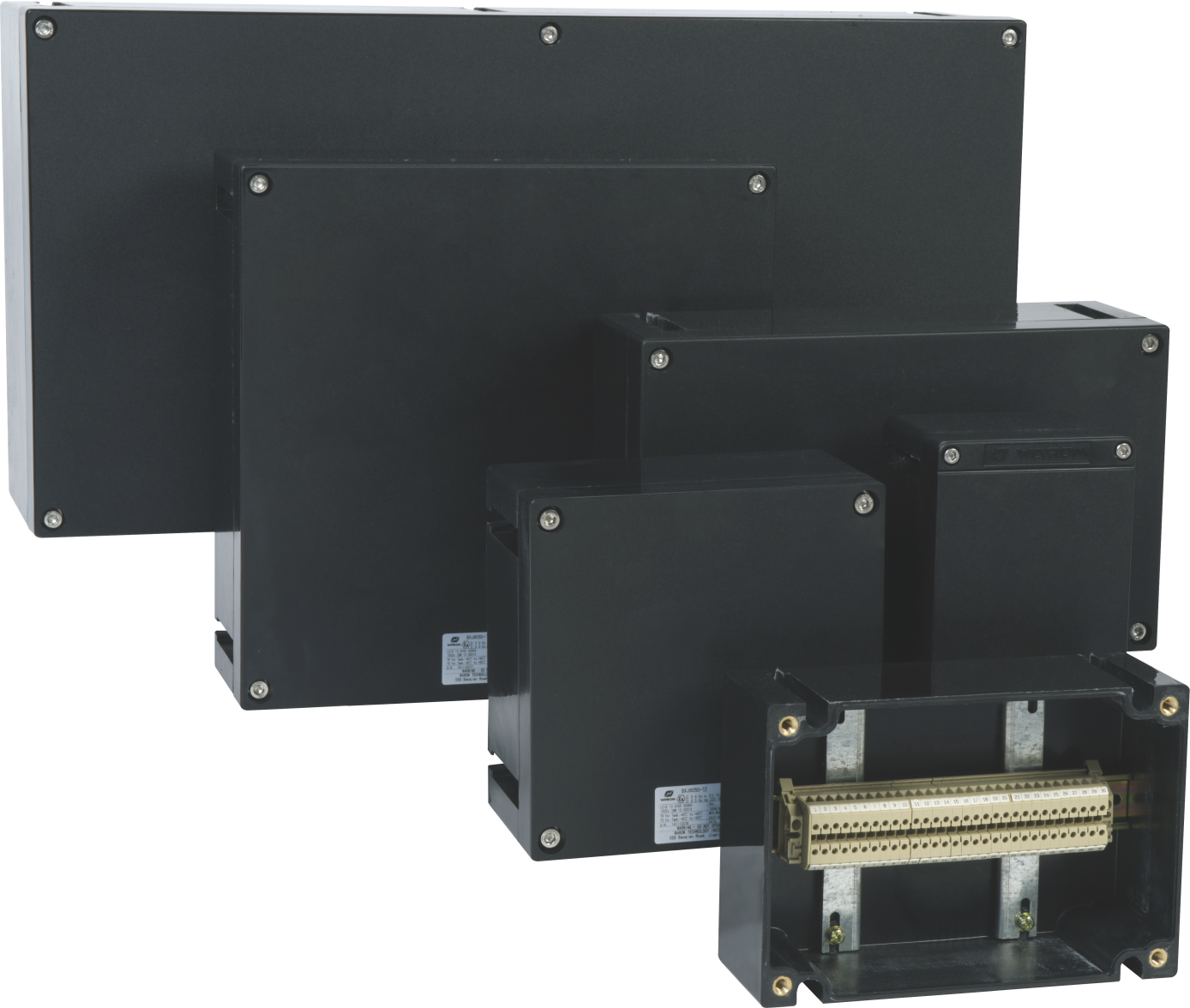
The safest specification approach is to treat the IP or NEMA rating as a minimum requirement, then add material, gasket, cable entry, and cooling requirements that answer the site-specific risks.
Heat Management Inside the Panel
Heat is usually the bigger threat than rain in a solar farm inverter room. Inverter rooms already contain significant heat sources. A control panel installed in that room may hold contactors, breakers, control transformers, power supplies, PLC equipment, surge protection, and sometimes small variable frequency drives or monitoring components. Each of these adds a small heat load that the enclosure must dissipate.
A sealed panel can become much hotter than the room around it. When the room ambient temperature rises, the temperature inside the panel also rises. Electronic power supplies and drives may derate or shut down if their operating temperature is exceeded. The solution is not always to increase the IP rating. A higher rating may reduce airflow further. Instead, the panel should be specified with a cooling path that matches its internal heat load.
Common options include natural convection, forced ventilation with filters, heat exchangers, or conditioned air from the inverter room. For dust-heavy sites, filtered fans need a maintenance program. For sealed panels, a heat exchanger or an air conditioner may be required when the internal heat load is high. The heating and cooling strategy should be reviewed together with condensation protection. A panel heater and thermostat help prevent moisture formation when the temperature drops below the dew point, especially in climates with wide daily temperature swings.
The practical check is to ask the panel supplier for a thermal review of the proposed internal layout. The review should show the expected internal temperature rise and confirm that the selected devices can operate within their stated limits.
Cable Entry and Internal Separation
Cable entry is a common point of water ingress and service difficulty. For weatherproof solar farm panels, bottom entry is normally preferred. Bottom entry keeps water from running down the cable into the gland plate. Top entry should be avoided unless a proven sealing system and drip management are provided. Unused entry holes should be sealed with a suitable plug, and the gland plate should be designed so that future cable additions do not require cutting into the enclosure in the field.
The specification should include the number and size of cable entries, the cable type, and the required gland type. Power cables, control cables, and communication cables often need different treatment. Control and communication conductors should be separated from power conductors where possible to reduce electromagnetic interference and fault coupling. Internal segregation may use metal partitions, separate ducts, or adequate spacing.
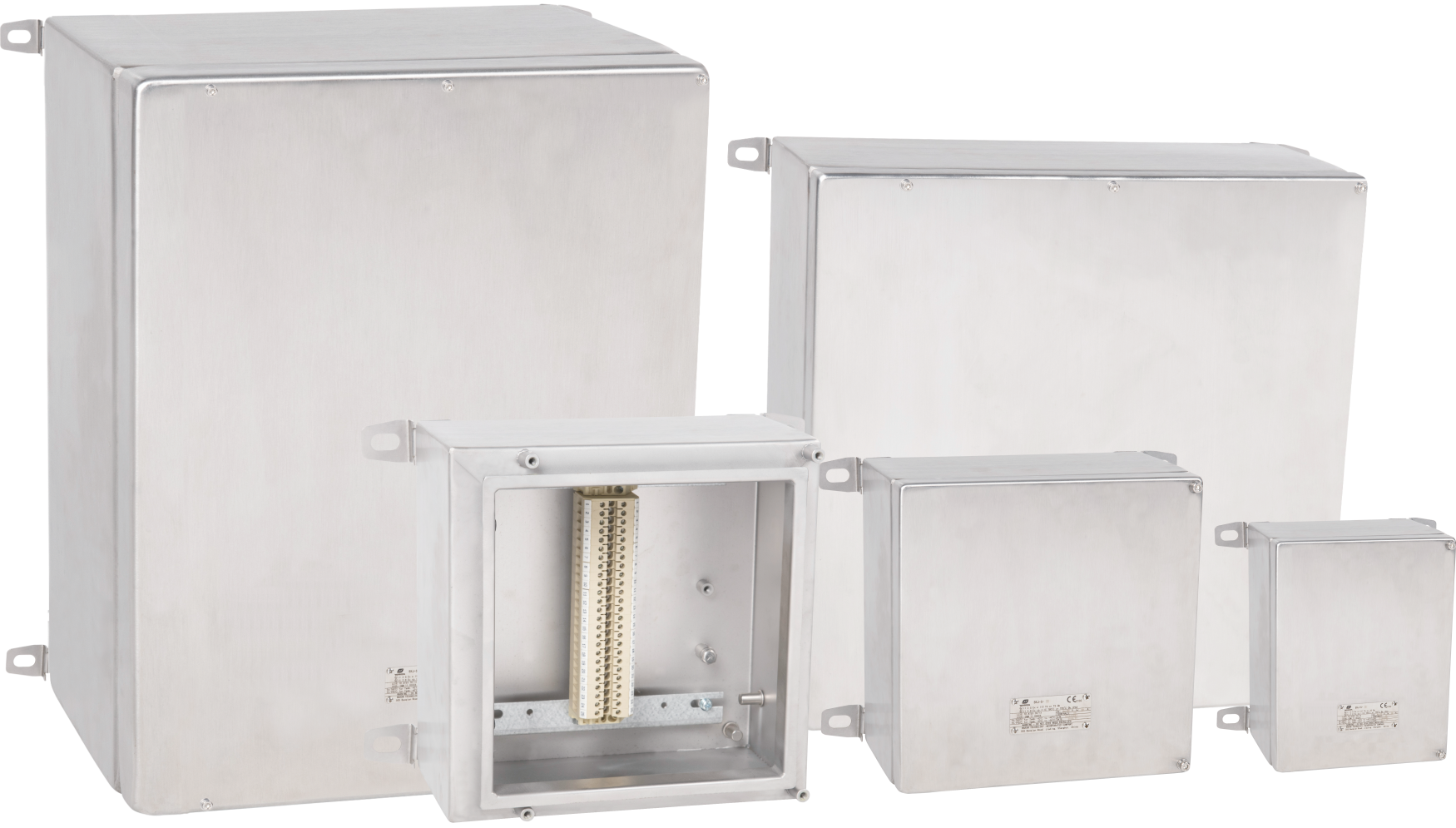
The earthing arrangement also needs attention. The gland plate, enclosure body, and internal earth bar should be bonded correctly. A continuous earth path is important for fault protection and for reducing the effect of induced surges on control equipment. If the panel includes sensitive monitoring devices, surge protection should be specified at the incoming supply and at any communication cables that leave the inverter room.
Materials and Corrosion Protection
The enclosure material should match the site exposure. Painted carbon steel can be acceptable in dry inland locations when the coating system is suitable. Coastal sites, high-humidity regions, and areas with chemical exposure may need stainless steel, aluminum, or glass-fibre reinforced polyester. The decision is not only about the enclosure body. Hinges, latches, gland plates, mounting brackets, and fasteners must also resist the same environment.
Gasket material matters as much as the enclosure. UV exposure can harden and crack some gasket materials. Thermal cycling can cause gaskets to lose compression. A panel that is tight when new may leak after several years if the gasket, latch system, and hinge alignment were not designed for the site conditions.
At Warom, weatherproofing is treated as an enclosure system rather than a single IP rating. Cable glands, gland plates, gaskets, earthing, and internal separation are evaluated together, which helps avoid a situation where the enclosure body is suitable but the entry system becomes the weak point.
For solar farms, the maintenance team may also prefer panels with easy access and field-replaceable gaskets. A panel that requires special tools or long shutdowns for routine inspection will have a higher operational cost over the life of the plant.
What to Request in the RFQ
A good RFQ does more than state the IP rating. It tells the supplier what to confirm before quoting.
Reject a line that says only “weatherproof panel, IP65.” Replace it with the enclosure material and finish, degree of protection with a type-test report, internal heat load and cooling method, cable entry schedule, device layout, busbar and earthing details, and any UV or corrosion resistance needed for the site.
| RFQ field | What to specify | Why it matters |
|---|---|---|
| Degree of protection | IP65 or NEMA 4/4X with supporting test report | Confirms dust and water performance against the stated exposure |
| Enclosure material | Galvanized steel, stainless steel, aluminum, or GRP | Determines corrosion life and maintenance needs |
| Cooling method | Natural, filtered fan, heat exchanger, or air conditioner | Prevents derating and nuisance shutdowns from internal heat |
| Cable entry | Number, size, cable type, gland type, bottom entry | Avoids water ingress and future field cutting |
| Internal layout | Busbar rating, device positions, spare capacity, segregation | Affects heat, access, and future expansion |
| Earthing and surge | Main earth bar, gland plate bonding, SPD rating | Supports fault protection and protects monitoring equipment |
The panel specification should also ask the supplier to show the internal temperature rise calculation and the gland plate layout. That request often identifies mismatches early, before the panel reaches the site.
Engineering Support for Solar Farm Control Panels
Send the inverter rating, site location and ambient conditions, cable schedule, enclosure exposure, and any corrosion concerns. Warom’s engineering team can help match the enclosure system, cooling method, and internal separation to the project and provide a pre-order review scope. Contact Warom at gm*@***om.com or +86 21 39977076 / +86 21 39972657.
FAQ
Is IP66 always the right rating for an inverter room?
No. IP66 is a common dust-tight and water-jet rating, but the correct rating depends on where the panel is mounted and how much heat it must reject. A sealed IP66 panel can overheat if the internal devices need airflow. The specification should match the rating to the actual exposure and thermal load, not simply select the highest available number.
Can a sealed weatherproof panel overheat?
Yes. The enclosure rating mainly addresses dust and water protection. If the panel contains drives, transformers, or power supplies, the internal heat must be removed through natural convection, filtered ventilation, a heat exchanger, or conditioned air. A thermal review should confirm that the devices stay within their operating limits at the site’s maximum ambient temperature.
Should control panels be installed indoors or outdoors at a solar farm?
A panel inside a closed inverter shelter is usually easier to protect from direct rain and UV. An outdoor installation is possible when the enclosure, gaskets, cable entry, and sun shield are designed for it. The decision should consider site access, maintenance, condensation, and the panel’s internal heat load, not only the available wall space.
What cable entry details should be included in the specification?
Specify the number and size of cables, the cable type, the required glands, and whether bottom entry is preferred. Include sealing plugs for unused holes and a gland plate layout. These details reduce water ingress, allow planning for future circuits, and help separate power, control, and communication cables before the panel is built.
If you’re interested, check out these related articles:
WAROM at IEW 2025
Day 3 of EGYPT ENERGY SHOW 2025
WAROM Shines at CSSOPE 2025
With over a decade of experience, he is a seasoned Explosion-Proof Electrical Engineer specializing in the design and manufacture of safety and explosion-proof products. He possesses in-depth expertise across key areas including explosion-proof systems, nuclear power lighting, marine safety, fire protection, and intelligent control systems. At Warom Technology Incorporated Company, he holds dual leadership roles as Deputy Chief Engineer for International Business and Head of the International R&D Department, where he oversees R&D initiatives and ensures the precise delivery of design documentation for international projects. Committed to advancing global industrial safety, he focuses on translating complex technologies into practical solutions, helping clients implement safer, smarter, and more reliable control systems worldwide.

Qi Lingyi