
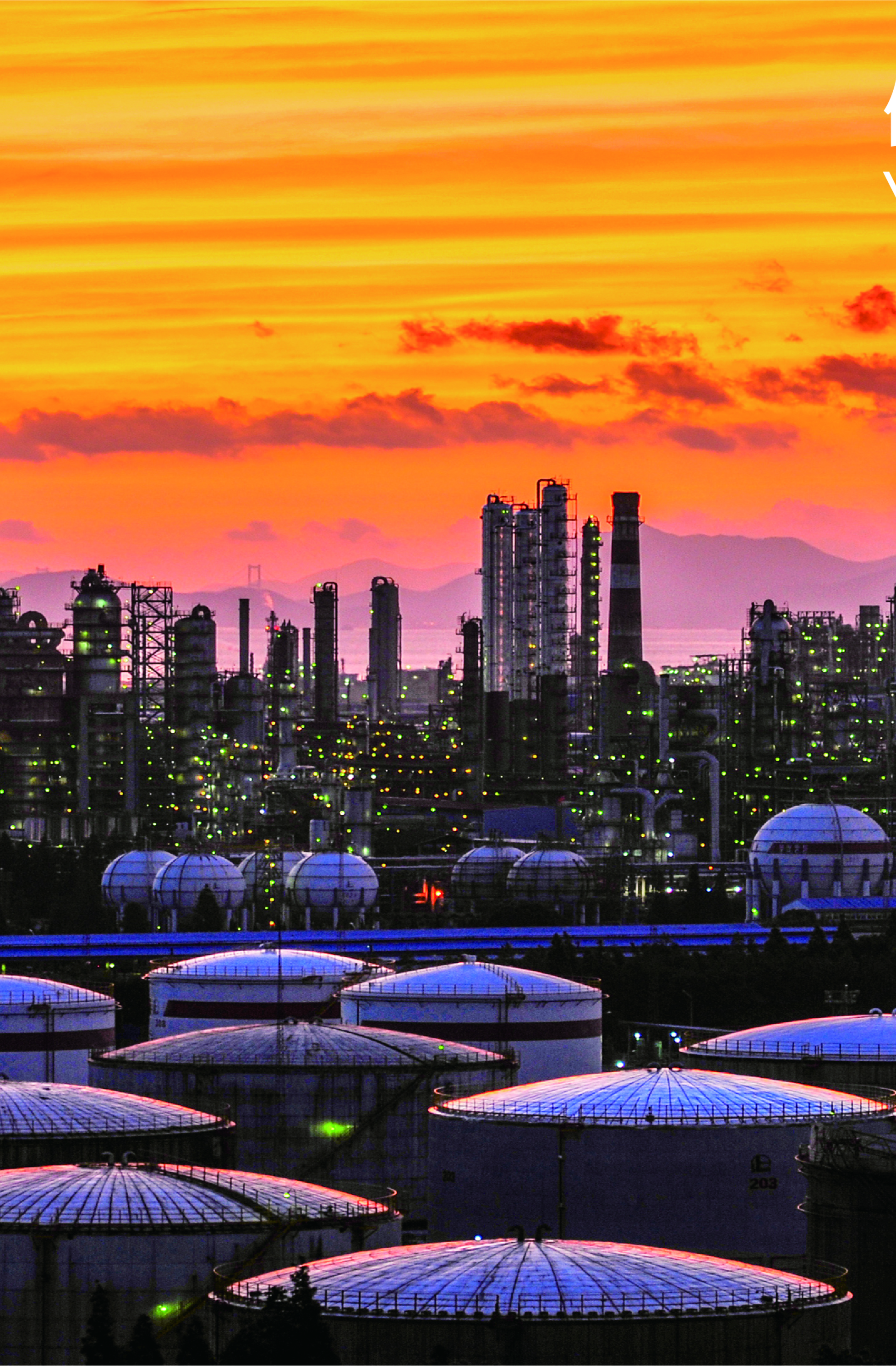
Choosing the right material for explosion-proof electrical equipment enclosures is a critical decision for industrial safety. The selection between cast iron and aluminum enclosures directly impacts performance, durability, and compliance in hazardous environments. Understanding the distinct properties of each material allows engineers and safety managers to make informed choices that ensure long-term operational integrity and personnel protection.
How Do Cast Iron and Aluminum Enclosures Actually Perform?
The inherent material properties of explosion-proof enclosures significantly influence their overall performance, safety, and operational longevity. In the Tilenga project, we observed the critical need for reliable electrical systems under extreme conditions, including high temperatures and potential vibration. We supplied explosion-proof lighting and electrical systems, resulting in zero safety incidents, energy efficiency, and low maintenance over the project’s demanding timeline. This outcome was directly tied to meticulous material selection.
Cast iron, an alloy of iron and carbon, offers exceptional mechanical strength and rigidity. Its high density provides robust protection against external impacts and internal explosion pressures, making it suitable for applications where physical abuse is a concern. This strength comes with considerable weight, which can complicate installation and increase structural requirements. Cast iron also exhibits lower thermal conductivity compared to aluminum, meaning it dissipates heat less efficiently. This characteristic can be a factor for internal components that generate significant heat, potentially requiring additional cooling measures to maintain optimal operating temperatures.
Aluminum, particularly copper-free aluminum alloys like those used in our BHD91 Series Explosion-proof Junction Boxes, provides a lighter alternative with excellent thermal conductivity. This superior heat dissipation helps to keep internal component temperatures lower, potentially extending equipment lifespan and reducing the risk of thermal failure. Aluminum also offers good resistance to many corrosive agents and is easier to machine, which can lead to more intricate designs and potentially lower manufacturing costs. Its lighter weight simplifies transportation, installation, and maintenance, especially for large or elevated enclosures. Aluminum’s mechanical strength is generally lower than cast iron, making it more susceptible to impact damage unless specifically engineered with thicker walls or reinforced designs.
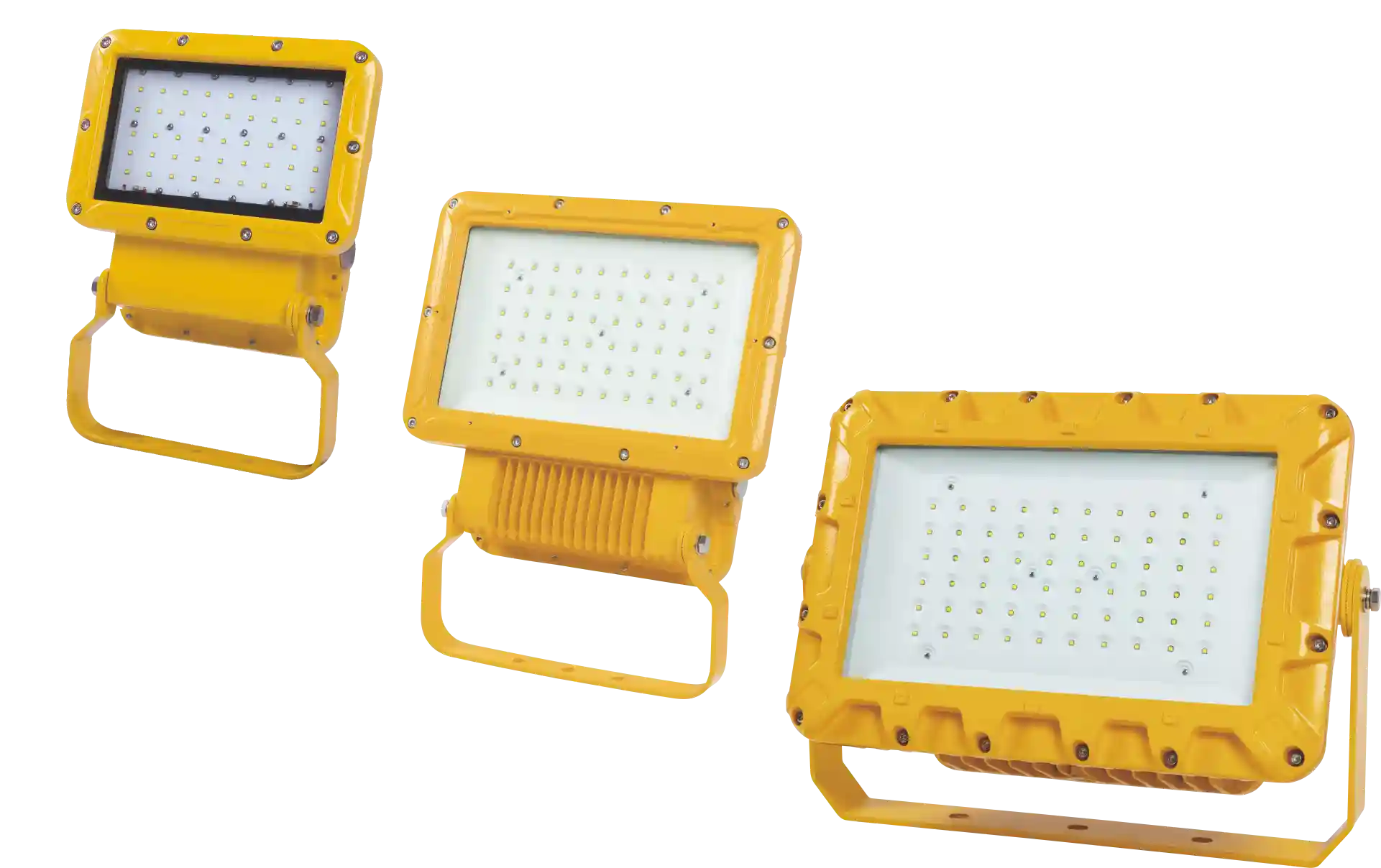
Here is a comparison of key material properties:
| Feature | Cast Iron Enclosures | Aluminum Enclosures |
|---|---|---|
| Material Strength | High mechanical strength and rigidity | Moderate mechanical strength, can be reinforced |
| Weight | Very heavy, high structural load | Lightweight, easier to handle and install |
| Thermal Conductivity | Lower, less efficient heat dissipation | Higher, more efficient heat dissipation |
| Impact Resistance | Excellent, highly resistant to physical abuse | Good, but generally lower than cast iron |
| Corrosion Resistance | Requires protective coatings, susceptible to rust | Good, especially with proper alloys and coatings |
| Machinability | Difficult to machine, higher fabrication costs | Easier to machine, potentially lower fabrication costs |
What Happens to Each Material in Corrosive Environments?
The long-term durability and corrosion resistance of an enclosure are paramount in hazardous industrial settings. The General Paint case in Mexico highlighted this clearly. Our team identified serious electrical safety hazards in a chemical plant facing flammable gas and dust risks. We recommended a customized explosion-proof solution that included anti-corrosion equipment. This decision directly improved safety and prevented potential fires or explosions, demonstrating how material choice impacts equipment longevity in aggressive environments.
Cast iron, while mechanically strong, is prone to rust and corrosion in the presence of moisture, salt, or certain chemicals. To mitigate this, cast iron enclosures typically require robust surface treatments, such as specialized paints or powder coatings, to provide adequate protection. These coatings must be regularly inspected and maintained to ensure their integrity. In environments where coating maintenance is difficult or infrequent, the underlying iron can begin to degrade within a few years, particularly at joints and fastener points where coatings tend to wear first.
Aluminum, particularly marine-grade or copper-free alloys, offers inherent resistance to many corrosive substances, including saltwater and various industrial chemicals. This makes aluminum a preferred choice for offshore platforms, chemical processing plants, and other highly corrosive environments. Our HDL-C Helideck Explosion-proof Light uses maritime aluminum alloy for its enclosure, providing WF2 corrosion resistance and IP66/IP67/IP69 ingress protection, suitable for severe marine conditions. While aluminum forms a protective oxide layer naturally, additional anodizing or powder coating can further enhance its corrosion resistance and provide an extra layer of defense against specific chemical exposures.
Environmental factors such as extreme temperatures, UV radiation, and abrasive particles also influence material selection. Both materials can operate across a wide temperature range, but aluminum’s superior thermal conductivity makes it advantageous in applications where heat dissipation is crucial for component longevity. In desert installations where daytime temperatures regularly exceed 45°C, we have seen aluminum enclosures maintain internal temperatures 8 to 12 degrees lower than comparable cast iron units, which directly affects the service life of internal electronics.
How Do ATEX and IECEx Certifications Apply to Both Materials?
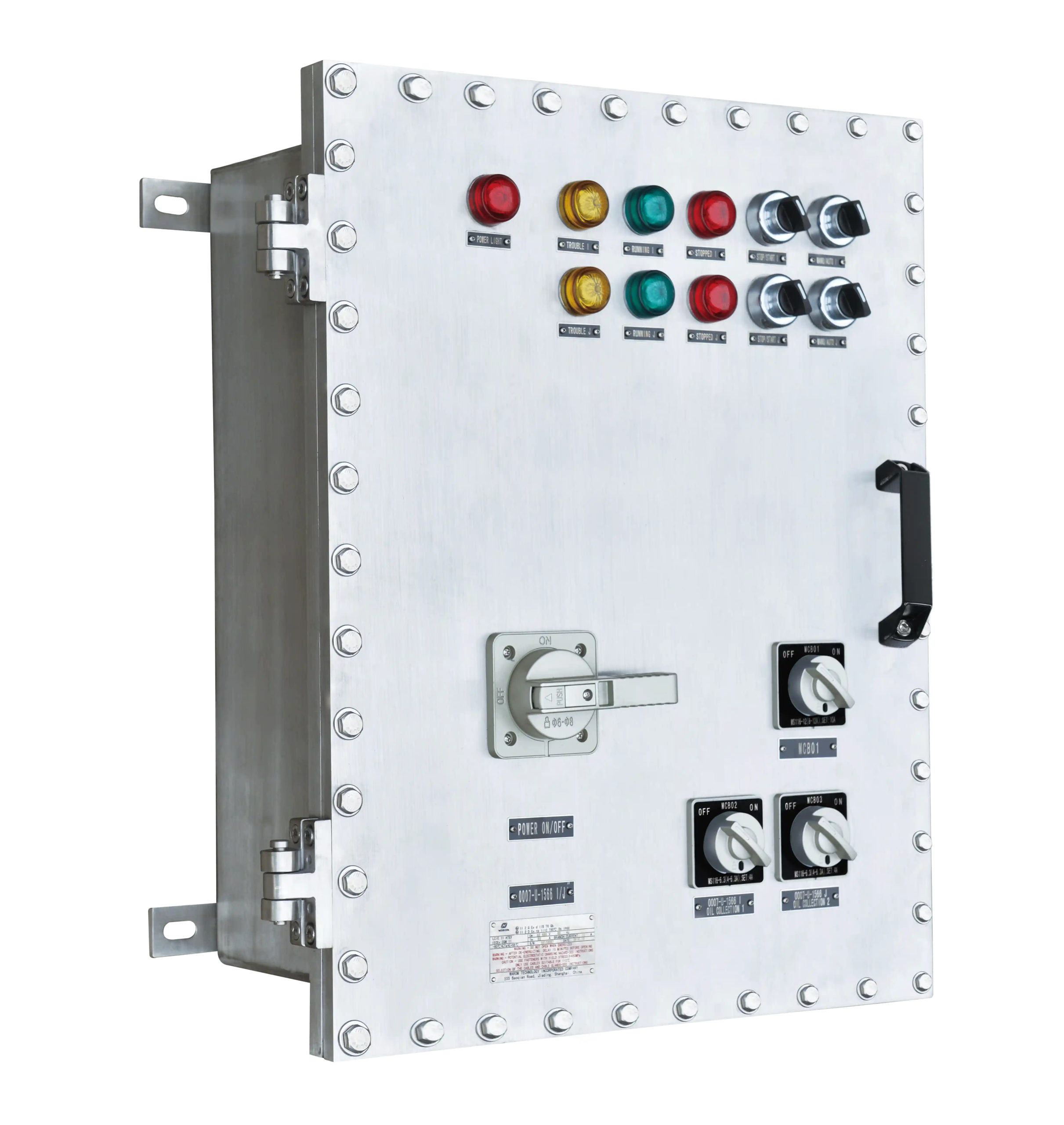
Adhering to hazardous area compliance and certification standards is non-negotiable for explosion-proof equipment. The Fushilai Pharmaceutical project, where we secured the bid for explosion-proof equipment for their new facility, underscores this importance. We provided distribution boxes for workshops, warehouses, and tank farms, ensuring strict adherence to international safety standards like ATEX and IECEx. Our professional services and technical support ensured timely, high-quality execution, building strong customer trust.
Both cast iron and aluminum enclosures are designed and certified to meet stringent international standards such as ATEX (Atmosphères Explosibles) and IECEx (International Electrotechnical Commission System for Certification to Standards Relating to Equipment for Use in Explosive Atmospheres). These certifications ensure that the enclosures can safely contain an internal explosion, preventing it from propagating to the surrounding hazardous atmosphere.
NEMA (National Electrical Manufacturers Association) ratings in North America also specify enclosure types based on environmental protection and hazardous location suitability. The choice between cast iron and aluminum does not inherently dictate compliance. It is the design, manufacturing quality, and rigorous testing of the enclosure that ensure it meets the required explosion protection levels for specific gas groups and temperature classes. An aluminum enclosure like our BHD91 Series Explosion-proof Junction Boxes is certified IP66, indicating complete protection against dust ingress and strong water jets, suitable for hazardous locations. The certification process tests the enclosure’s ability to withstand internal explosion pressures and prevent flame propagation through gaps, regardless of whether the enclosure body is cast iron or aluminum.
What Are the Real Installation and Maintenance Cost Differences?
The lifecycle cost of explosion-proof enclosures extends beyond the initial purchase price, encompassing installation, maintenance, and potential replacement expenses. The Tilenga project successfully achieved low maintenance and high reliability, demonstrating the long-term operational and financial benefits derived from meticulous equipment selection and efficient installation processes.
Installation costs can vary significantly. Cast iron enclosures, due to their substantial weight, often require specialized lifting equipment and more robust mounting structures, increasing labor and material costs during installation. A typical cast iron junction box in the 300mm range can weigh 25 to 30 kg, while an equivalent aluminum unit weighs 8 to 12 kg. This difference becomes pronounced when installing dozens of units at elevation or in confined spaces where manual handling is the only option. Aluminum enclosures, being much lighter, are generally easier and quicker to install, potentially reducing labor expenses and simplifying logistics.
Maintenance considerations also differ. While cast iron is durable, its susceptibility to corrosion means that protective coatings need periodic inspection and reapplication, adding to long-term maintenance costs. In coastal or chemical plant environments, we typically recommend coating inspection every 18 to 24 months for cast iron units. Aluminum’s inherent corrosion resistance can lead to lower maintenance requirements in many environments, with inspection intervals extending to 36 months or longer in similar conditions. If an aluminum enclosure is mechanically damaged, repair can be more complex than with cast iron because welding aluminum requires specialized equipment and certification to maintain explosion-proof integrity.
The initial cost of cast iron enclosures can sometimes be lower than aluminum, particularly for standard designs. When factoring in shipping, installation labor, and long-term maintenance, aluminum enclosures often present a more cost-effective solution over their operational lifespan, especially in applications where weight and corrosion resistance are critical. If your facility has multiple enclosure locations with varying environmental exposures, it may be worth discussing material selection for each zone rather than standardizing across the entire site.
Which Material Fits Your Specific Application?
Selecting the appropriate explosion-proof enclosure material requires a detailed understanding of the specific application and its unique environmental challenges. The General Paint and Fushilai Pharmaceutical cases collectively highlight the imperative for customized explosion-proof solutions. We consistently tailor our systems to meet the unique environmental and operational demands of specific industrial sectors.
Consider the following factors when making your selection:
- Hazardous Area Classification: Determine the specific Zone or Division, gas group, and temperature class of the hazardous location. This dictates the minimum protection requirements.
- Environmental Conditions: Evaluate the presence of corrosive agents, extreme temperatures, humidity, UV exposure, and potential for physical impact.
- Weight and Space Constraints: Assess if weight is a limiting factor for installation, structural integrity, or accessibility.
- Thermal Management: Consider the heat generated by internal components and the enclosure’s ability to dissipate it effectively.
- Lifecycle Cost: Analyze not just the upfront purchase price, but also installation, maintenance, and energy costs over the equipment’s expected lifespan.
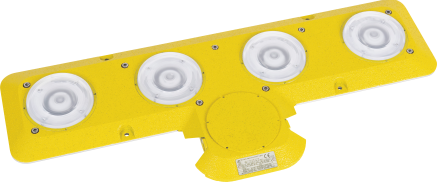
In a heavy industrial setting like a mining operation where enclosures might face significant physical impact from equipment movement or falling debris, the superior mechanical strength of cast iron could be advantageous. In a pharmaceutical facility or offshore oil rig, where corrosion resistance and ease of installation are priorities, a copper-free aluminum alloy enclosure would be more suitable. Our HRNT95 Series Explosion Proof LED Light Fittings utilize a copper-free aluminum alloy enclosure, providing IP66 protection and a wide ambient temperature range, making them versatile for various industrial applications.
FAQ
What are the primary differences in performance between cast iron and aluminum explosion-proof enclosures?
The primary differences lie in their mechanical strength, weight, and thermal properties. Cast iron offers superior mechanical strength and impact resistance, making it very robust but also significantly heavier. Aluminum is much lighter and provides better thermal conductivity, allowing for more efficient heat dissipation, which can extend the life of internal electrical components. In practice, this means cast iron performs better where physical abuse is expected, while aluminum performs better where thermal management and installation logistics are priorities.
Which material is better for highly corrosive industrial environments?
Aluminum, particularly copper-free alloys with appropriate surface treatments, generally offers better inherent corrosion resistance than cast iron. While cast iron can be protected with specialized coatings, aluminum’s natural oxide layer and resistance to many chemicals make it a more durable choice for environments with high humidity, salt spray, or chemical exposure. The maintenance burden for cast iron in these environments is noticeably higher.
Do aluminum enclosures meet the same explosion protection standards as cast iron?
Yes, both cast iron and aluminum enclosures can be designed and certified to meet the same rigorous explosion protection standards, such as ATEX and IECEx. Compliance depends on the specific design, manufacturing quality, and testing of the enclosure, not solely on the material itself. The critical factor is that the enclosure can safely contain an internal explosion and prevent flame propagation.
Why is material selection critical for hazardous environments?
Material selection is critical because it directly impacts the safety, operational reliability, and longevity of electrical equipment in hazardous areas. The right material ensures the enclosure can withstand environmental stressors, contain potential explosions, and prevent ignition of flammable atmospheres, thereby protecting personnel and assets from catastrophic failure. A mismatch between material properties and environmental conditions can lead to premature failure, increased maintenance costs, or safety incidents. To discuss specific requirements for your hazardous area protection needs, contact us at gm*@***om.com or call +86 21 39977076 or +86 21 39972657.
If you’re interested, check out these related articles:
Choosing Temporary Construction Lighting: An Ultimate Safety Guide
Shanghai Emergency Management Bureau expert bank electrical explosion-proof safety professional group learning seminar was held in Warom.
Explosion Proof Wiring: Essential Standards for Industrial Safety
What is Portable Explosion Proof Lighting? An Expert Guide
With over a decade of experience, he is a seasoned Explosion-Proof Electrical Engineer specializing in the design and manufacture of safety and explosion-proof products. He possesses in-depth expertise across key areas including explosion-proof systems, nuclear power lighting, marine safety, fire protection, and intelligent control systems. At Warom Technology Incorporated Company, he holds dual leadership roles as Deputy Chief Engineer for International Business and Head of the International R&D Department, where he oversees R&D initiatives and ensures the precise delivery of design documentation for international projects. Committed to advancing global industrial safety, he focuses on translating complex technologies into practical solutions, helping clients implement safer, smarter, and more reliable control systems worldwide.

Qi Lingyi