

Explosion proof air conditioners do not carry a single fixed price multiplier over standard industrial units. The gap comes from a small number of engineering and certification differences that compound through manufacturing, installation, and maintenance. I have reviewed many quotations where the buyer compared only cooling capacity and finish, then lost time when the zone classification, gas group, or T-class forced a different enclosure and a different field scope. This article breaks down where the price difference comes from, which costs are unavoidable, and how to compare quotes without missing the line items that matter.
Where Does the Price Gap Actually Start?
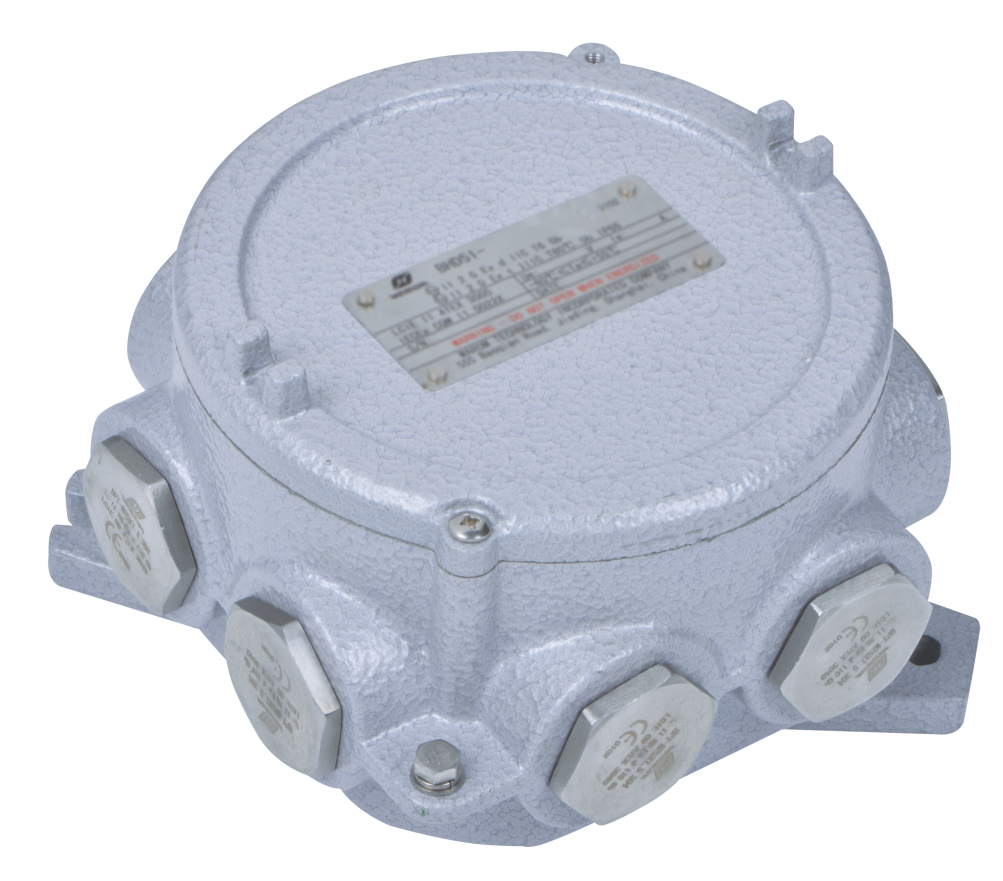
The most visible difference is the enclosure. A standard industrial air conditioner is built around a sheet metal cabinet, commercial refrigeration components, and standard wiring devices. An explosion proof AC starts from a different design target: contain any internal ignition source and keep the surface temperature below the gas or dust ignition limit. That target changes the material, the wall thickness, the joint design, the fasteners, and the cable entry hardware. It also changes which compressor and fan combinations can be used, because each component must fit the certified envelope.
| Cost factor | Standard industrial AC | Explosion proof AC |
|---|---|---|
| Enclosure | Sheet metal cabinet, painted finish | Cast copper-free aluminum or stainless steel, flameproof joints |
| Certification | Commercial safety and refrigeration standards | ATEX, IECEx, UL or CNEX listing per zone, gas group, and T-class |
| Electrical components | Standard compressor, fan, and contactor | Certified motor, fan, control, and cable glands |
| Field installation | Standard piping and power feed | Certified glanding, sealing, and inspection requirements |
These line items do not appear as one percentage. A Zone 2 unit with a T4 rating can be far less expensive than a stainless steel Zone 1 unit built for a IIC gas group and a marine atmosphere.
What Drives the Cost of Explosion Proof Air Conditioners?
When I compare cost movements, I start with the enclosure, then the certified components, then the document package. Those three categories explain most of the price difference.
How Do Flamepath and Material Selection Change Manufacturing Cost?
Flameproof enclosures have precision machined joints that cool escaping hot gas before it can ignite the surrounding atmosphere. Copper-free aluminum or stainless steel castings must hold that geometry across the service life. That means lower production volumes, more machining, and more inspection than a standard sheet metal cabinet. Stainless steel adds material cost and machining time; it appears most often where corrosion resistance matters.
Why Do Certification and Documentation Add Cost Before Installation?
Each certified model is tested or assessed against IEC, ATEX, IECEx, UL, CNEX, or project-specific standards. The certificate must match the zone, gas group, and T-class, and the nameplate must carry those markings exactly. Buyers should expect a document pack with test reports, drawings, declarations, and quality records. If the paper trail is missing, the unit is not a lower-cost equivalent; it is an unverified piece of electrical equipment in a hazardous area.
Hazardous area classification follows the same logic across electrical systems, from air conditioners to lighting. <Where Explosion Proof Lighting is Required: Critical Safety Standards> explains how zones and divisions determine where standard industrial hardware stops and certified equipment must start.
Which Refrigeration and Control Components Change in a Hazardous Area Unit?
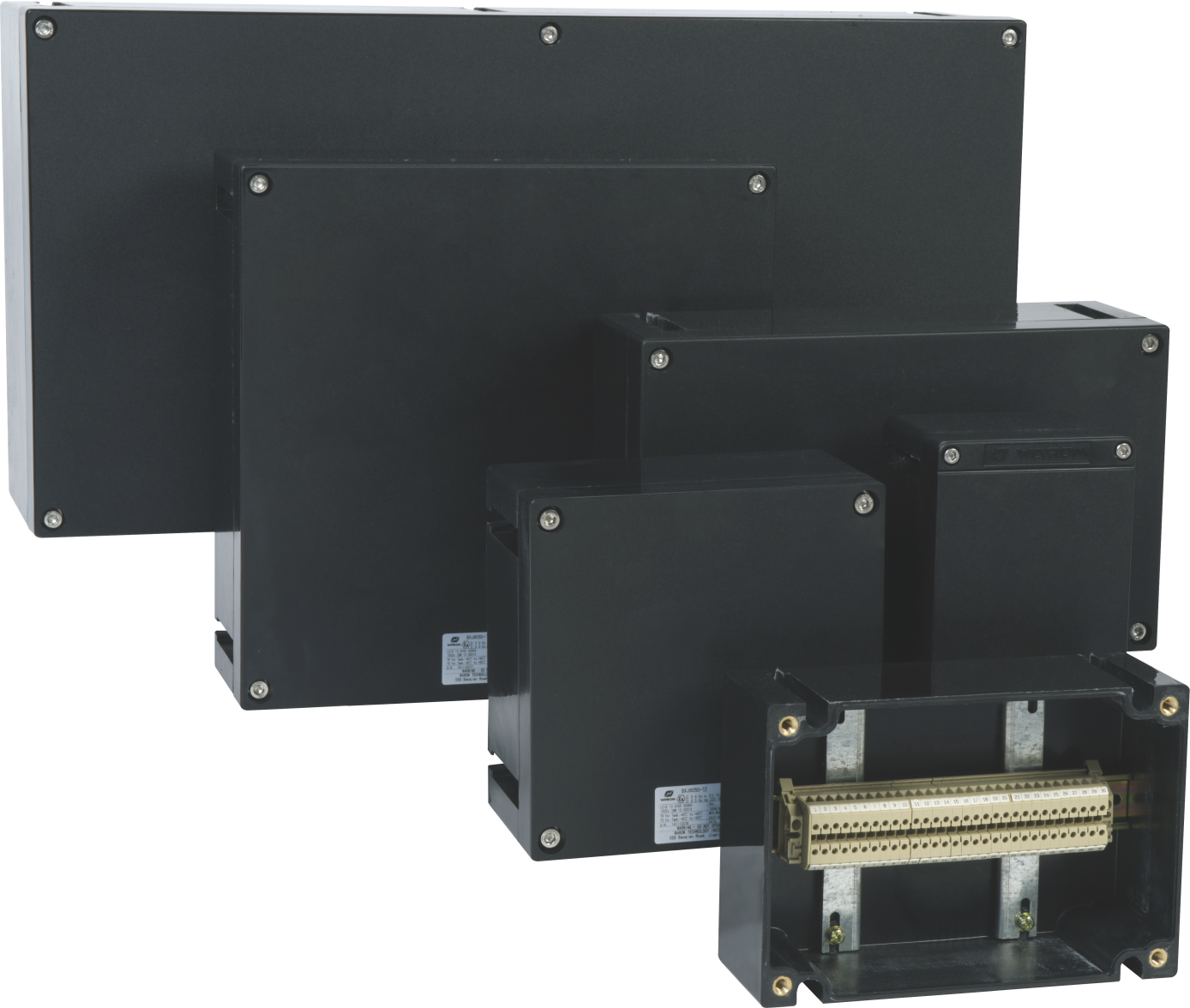
Compressors, fan motors, pressure switches, and control contactors must be selected or housed so they cannot become an ignition source. Cable glands may be flameproof or increased safety. The control wiring may require intrinsically safe or certified circuits. These are not optional upgrades; they are part of the certified design. A quote that does not identify these components is probably comparing two different scopes.
How Should Buyers Compare Total Cost Beyond Purchase Price?
A purchase price comparison is reliable only when both quotes cover the same certified scope. The lower-priced unit often arrives without the required glands, sealing fittings, inspection coverage, or commissioning records. The project then absorbs those costs as field changes. In hazardous area work, field changes are more expensive because they involve certified installers, permit conditions, and re-inspection.
If your installation involves Zone 1 or a T4 gas group, confirming the certified cooling capacity and temperature class before freezing the bill of materials is more important than chasing the lowest unit price. Send your area classification, cooling load, and ambient profile to gm*@***om.com and we will check which cost lines the quotation should include.
When Does the Higher Price Make Technical Sense?
A higher explosion proof AC price makes sense when the site parameters demand the more expensive construction. A gas group IIC site is more restrictive than IIA. A T4 rating may force different component selection than T3. High ambient temperature, high humidity, salt spray, or dust accumulation changes enclosure material, coating, and sealing. In these cases, the extra cost is tied to a specific engineering condition, not to a brand position.
Coastal humidity and salt spray change the enclosure material decision well before the refrigerant circuit is discussed. <Stainless Steel Explosion Protection for Marine Electrical Systems> covers how corrosion protection shifts projects from painted aluminum to stainless steel and adds another cost line to the comparison.
Buyers should also compare maintenance access. A unit with poor access to filters, fans, or pressure switches may create downtime costs far beyond the initial savings. The price difference that matters is the one that survives five or ten years of operation. If corrosion will attack a painted cabinet in three years, a stainless steel enclosure can be the lower total cost even when the purchase price is higher.
How Do You Get an Accurate Explosion Proof AC Cost Estimate?
Accurate cost comparison starts with a fixed technical envelope. If the zone, gas group, temperature class, cooling capacity, power supply, ambient range, and mounting details are not in the request, suppliers will reasonably interpret the scope differently. That is why I ask buyers to send a simplified specification before comparing quotations.
Send your area classification, cooling load, ambient temperature, target gas group, and preferred enclosure material to gm*@***om.com, or call +86 21 39977076 or +86 21 39972657. Warom will confirm the certified configuration and return the cost lines that belong in your comparison.
What Else Do Buyers Ask About Explosion Proof AC Pricing?
Why is the price difference not a fixed percentage?
Because the certified configuration changes with the hazardous area parameters. A Zone 2 unit cannot be meaningfully compared to a Zone 1 corrosion protected unit as a simple multiplier. The enclosure material, gas group, T-class, ambient rating, and document package each move the price independently. A single percentage rule is misleading; the right comparison fixes these variables first.
Does a higher price automatically mean better safety?
No. Price alone says nothing about suitability. A costly unit with the wrong T-class or an incomplete certification package is not safer than a correctly specified mid-range unit. The buyer should verify the certificate, the marking, and the inspection records, not infer safety from the quote value. Safety comes from matching the design to the area classification, not from paying more.
Can a standard industrial AC be modified for hazardous areas after purchase?
Generally no, unless the original unit was designed and certified for the intended area from the start. Field modifications usually break the certification, invalidate the manufacturer’s document package, and create unacceptable compliance risk. The lower purchase price can quickly disappear in rework, engineering review, and delayed start-up. For hazardous areas, the correct unit is selected at specification stage, not rebuilt later.
What should I ask for when comparing quotes?
In projects I have reviewed, the most useful request is the same certified scope from every supplier. Ask for the zone, gas group, temperature class, cooling capacity at specified ambient, enclosure material, glands, and documents. Then compare line items against the technical envelope. If a supplier cannot declare the T-class, the quote cannot be used. Send your specification to gm*@***om.com and we will confirm which certified configurations are comparable.
If you’re interested, check out these related articles:
Warom at OIL&GAS Kazakhstan
Warom Spring Festival Groundbreaking Ceremony
With over a decade of experience, he is a seasoned Explosion-Proof Electrical Engineer specializing in the design and manufacture of safety and explosion-proof products. He possesses in-depth expertise across key areas including explosion-proof systems, nuclear power lighting, marine safety, fire protection, and intelligent control systems. At Warom Technology Incorporated Company, he holds dual leadership roles as Deputy Chief Engineer for International Business and Head of the International R&D Department, where he oversees R&D initiatives and ensures the precise delivery of design documentation for international projects. Committed to advancing global industrial safety, he focuses on translating complex technologies into practical solutions, helping clients implement safer, smarter, and more reliable control systems worldwide.

Qi Lingyi