

Ensuring safety in industrial environments where flammable gases, vapors, or dusts are present requires specialized equipment. Explosion proof emergency lighting is not merely a convenience; it is a critical safety component designed to prevent ignition in hazardous locations during power outages. Adhering to strict standards like ATEX is paramount for protecting personnel, assets, and maintaining operational continuity in these high-risk settings. This guide explores the necessities and intricacies of ATEX compliance for emergency lighting solutions.
Why Explosion Proof Emergency Lighting Is Non-Negotiable in Hazardous Facilities
In hazardous industrial environments, the sudden loss of primary power can create a cascade of dangers. Without reliable illumination, personnel evacuation becomes disoriented, and critical shutdown procedures are compromised. Explosion proof emergency lighting systems are specifically engineered to provide illumination in these conditions without becoming an ignition source. This capability is vital in sectors such as oil and gas, chemical processing, pharmaceuticals, and mining, where even a small spark can trigger a catastrophic explosion. The design of these systems must account for the presence of flammable substances, ensuring that all electrical components are contained or protected to prevent the release of heat or sparks.
Our experience with the Tilenga project in Uganda, which involved wellpads, a central processing facility, and pipelines (some within a national park), underscored this imperative. We supplied explosion proof lighting and electrical systems that had to perform reliably under extreme conditions. The project demanded energy-efficient and low-maintenance solutions, and our team ensured zero safety incidents while meeting all performance requirements on schedule. This demonstrated the tangible benefits of robust explosion proof emergency lighting in complex, sensitive industrial applications.
How ATEX Certification Protects Your Hazardous Area Lighting Investment
The ATEX Directive (2014/34/EU) is a European Union directive that mandates specific safety requirements for equipment and protective systems intended for use in potentially explosive atmospheres. This certification is crucial for any explosion proof emergency lighting deployed within the EU or in regions that recognize ATEX standards. It ensures that products are designed and manufactured to prevent explosions by eliminating potential ignition sources.
The directive classifies hazardous areas into zones based on the frequency and duration of the presence of explosive atmospheres. For gases, vapors, and mists, areas are categorized as Zone 0 (continuous presence), Zone 1 (likely presence), and Zone 2 (unlikely presence). For combustible dusts, classifications are Zone 20, Zone 21, and Zone 22, respectively. Each zone dictates the required equipment protection level (EPL). Equipment for Zone 0 must have a very high level of protection, while Zone 2 requires a normal level.
I recall our involvement in the Fushilai Pharmaceutical construction project, a significant facility with multiple production lines. Securing the bid for explosion proof equipment, including distribution boxes for workshops and tank farms, required early coordination with the project owner and design institute. Our professional services ensured that all supplied equipment, including emergency lighting, met the stringent ATEX certification requirements for the specific hazardous zones identified within the pharmaceutical plant. This early engagement was key to a timely and high-quality execution.
ATEX Zone Classifications for Hazardous Locations
| Zone | Type of Hazard | Presence of Hazard | Equipment Category |
|---|---|---|---|
| Gas/Vapor/Mist | |||
| Zone 0 | Flammable Gas | Continuous or long periods | Category 1G |
| Zone 1 | Flammable Gas | Likely to occur occasionally | Category 2G |
| Zone 2 | Flammable Gas | Unlikely, for short periods | Category 3G |
| Combustible Dust | |||
| Zone 20 | Combustible Dust | Continuous or long periods | Category 1D |
| Zone 21 | Combustible Dust | Likely to occur occasionally | Category 2D |
| Zone 22 | Combustible Dust | Unlikely, for short periods | Category 3D |
What the ATEX Directive Actually Requires from Explosion Proof Equipment
The ATEX directive is a regulatory framework ensuring the safety of equipment and protective systems used in potentially explosive atmospheres. It specifies essential health and safety requirements that manufacturers must meet before placing products on the market within the European Union. This involves a rigorous conformity assessment process, including product testing and quality system audits, to demonstrate that the equipment will not cause an explosion. Compliance with ATEX is indicated by specific product marking that details the equipment group, category, and type of explosive atmosphere it is suitable for.
Matching Explosion Proof Emergency Lights to Your Specific Hazard Profile
Selecting the appropriate explosion proof emergency lighting involves more than just ATEX certification. Engineers must consider the specific characteristics of the hazardous environment, including the type of flammable substance, its ignition temperature, and the potential for corrosion or mechanical impact. Different protection concepts are available, such as flameproof enclosures, intrinsic safety, and dust ignition protection. A flameproof enclosure (Ex d) contains any internal explosion, preventing propagation to the outside atmosphere. Intrinsic safety (Ex i) limits electrical and thermal energy to a level too low to ignite an explosive mixture. Dust ignition protection (Ex t) prevents dust ingress and limits surface temperatures.
The ingress protection (IP) rating is another important factor, indicating the degree of protection against solids and liquids. An IP66 rating, for example, denotes complete protection against dust and strong water jets. For emergency lighting, the duration of battery backup is also critical, typically requiring a minimum of 90 minutes, though many applications demand longer. LED explosion proof lights are increasingly preferred due to their energy efficiency, long lifespan, and robust construction, which reduces maintenance and replacement costs.
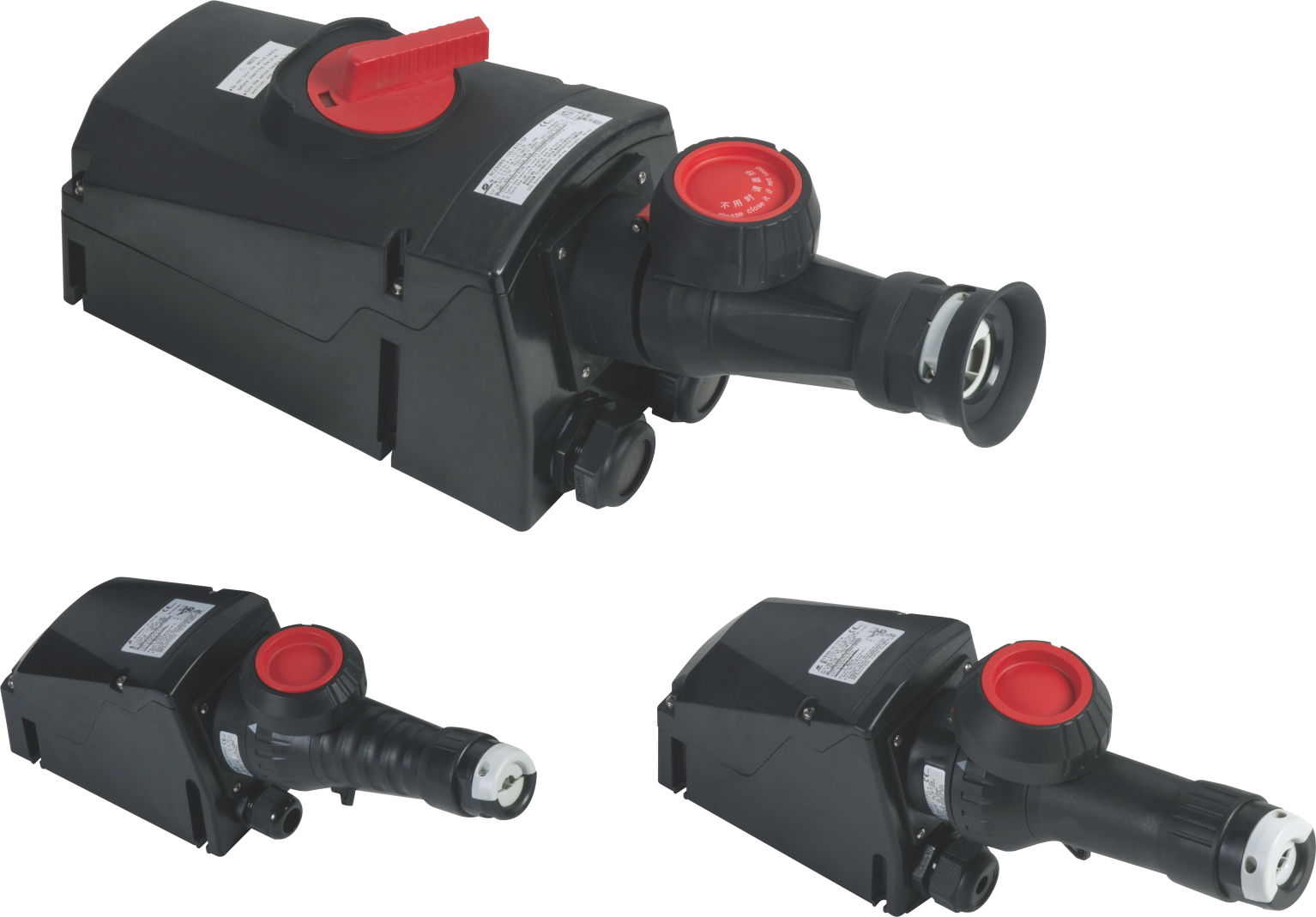
When our team addressed the electrical safety hazards at General Paint, a medium-sized chemical plant in Mexico, we observed significant risks from both flammable gases and dusts. Our on-site diagnosis led to a customized explosion proof solution that included not only specialized lighting but also explosion proof plugs, junction boxes, and distribution boxes. This comprehensive approach, which integrated products like the BCZ8060 Series Explosion-proof Plugs and Sockets, directly addressed the specific risks, preventing potential fires or explosions and significantly improving overall safety.
Comparison of Explosion Protection Methods
| Protection Method | Principle | Application | Key Benefit |
|---|---|---|---|
| Flameproof Enclosure (Ex d) | Contains internal explosion | Gas, vapor, mist | Robust, widely used |
| Increased Safety (Ex e) | Prevents sparks/hot surfaces | Gas, vapor, mist | Simpler design, lower cost |
| Intrinsic Safety (Ex i) | Limits energy to prevent ignition | Gas, vapor, mist | Safe for maintenance |
| Dust Ignition Protection (Ex t) | Prevents dust ingress, limits surface temp | Combustible dust | Effective in dusty areas |
How Hazardous Area Classifications Determine Your Emergency Lighting Requirements
Hazardous areas are classified based on the likelihood of an explosive atmosphere being present. For gases, vapors, and mists, Zone 0 denotes continuous presence, Zone 1 indicates occasional presence, and Zone 2 refers to rare or short-duration presence. For combustible dusts, Zone 20, 21, and 22 follow similar criteria. These classifications guide the selection of explosion proof emergency lighting with the appropriate equipment protection level (EPL) to ensure safety.
Installation and Maintenance Protocols That Keep Your Certification Valid
Proper installation and ongoing maintenance are as vital as the equipment itself for ensuring the long-term reliability of explosion proof emergency lighting. Installation must strictly follow manufacturer guidelines and national electrical codes, using certified cable glands and wiring practices to maintain the integrity of the explosion protection. Any deviation can compromise the system’s safety features.
Regular maintenance is essential to verify that emergency lighting remains fully functional. This includes periodic testing of battery backup systems to ensure they provide the required emergency lighting duration. Inspections should check for physical damage, corrosion, and proper sealing of enclosures. Records of all maintenance activities and inspections are crucial for demonstrating ongoing compliance during safety audits.
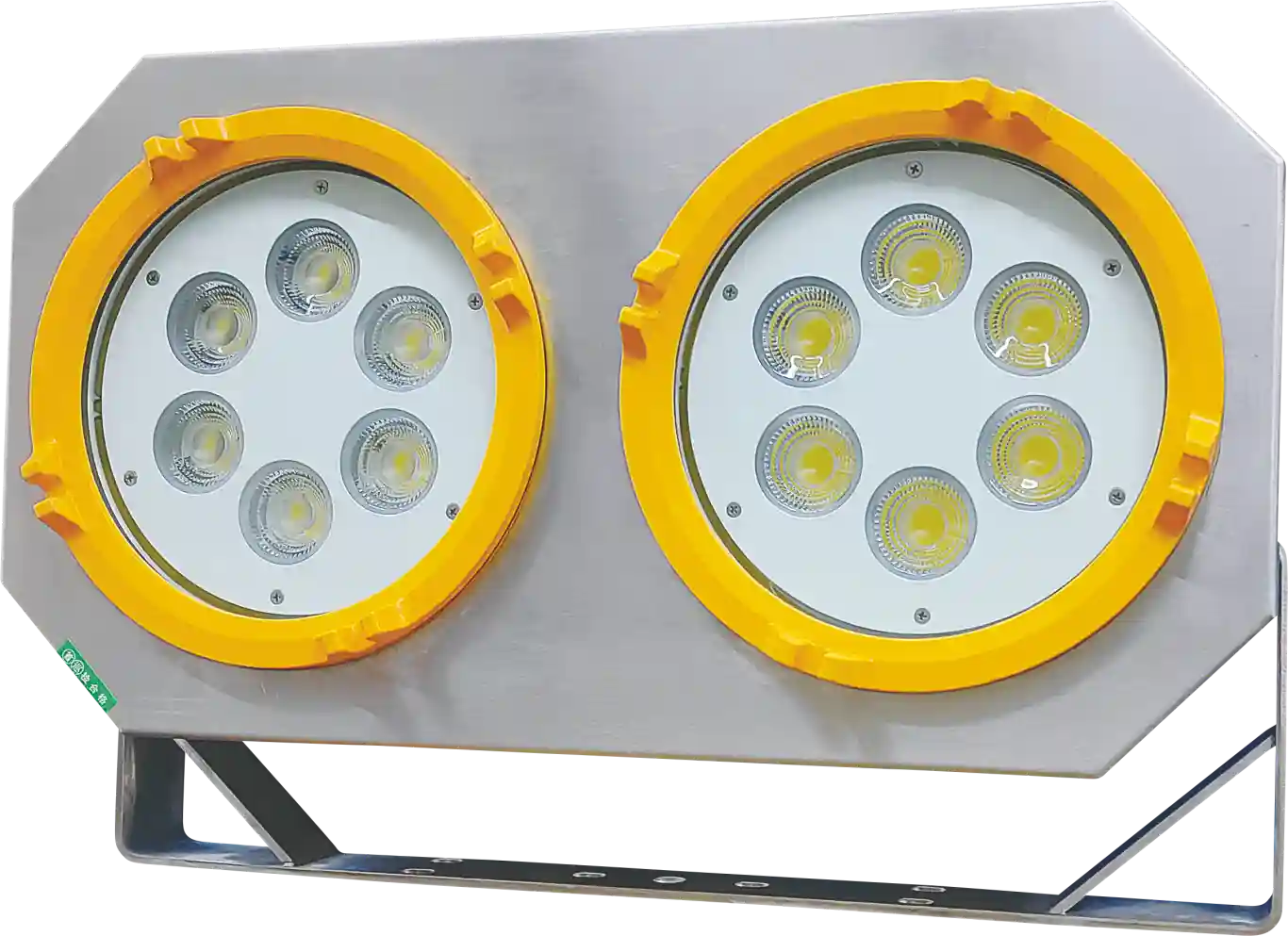
Our team’s work on the Tilenga project provided valuable insights into maintaining explosion proof systems under challenging conditions. The deployment of our explosion proof lighting systems, including models like the BAT86 Explosion-proof LED Floodlights, was meticulously planned to guarantee long-term reliability and low maintenance. By adhering to strict installation protocols and establishing a robust maintenance schedule, we ensured the project met its scheduled completion and continued to operate safely without incident.
What Maintenance Schedules Keep Explosion Proof Emergency Lights Compliant
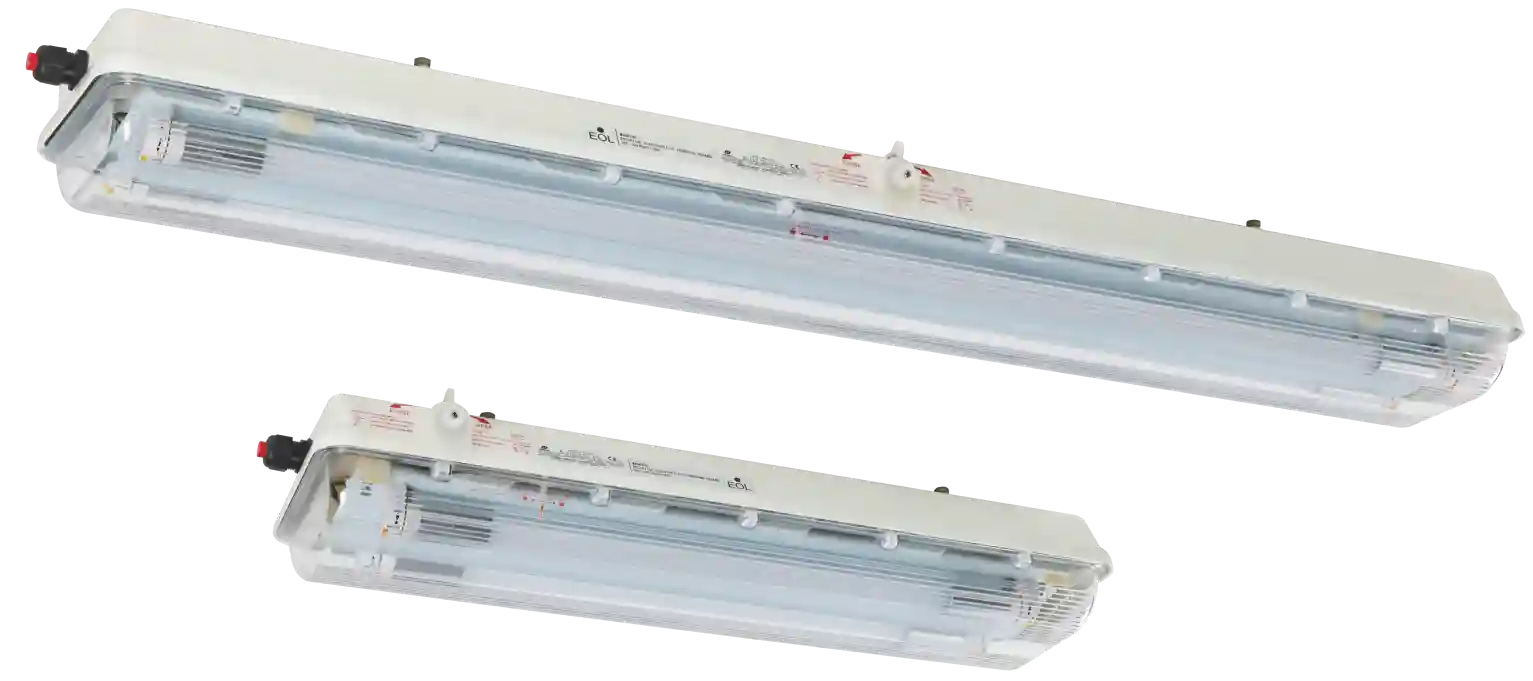
Maintenance for explosion proof emergency lights involves regular visual inspections for damage, corrosion, and intact seals. Functional tests of the emergency battery backup system are required to confirm the specified illumination duration, typically 90 minutes or more. Adherence to manufacturer guidelines and local regulations for inspection frequency and record-keeping is critical to ensure ongoing safety and compliance.
Where Explosion Proof Lighting Technology Is Heading Next
The field of explosion protection is continuously evolving, driven by advancements in technology and a growing demand for enhanced safety and efficiency. Future trends in explosion proof emergency lighting include the integration of smart lighting systems, enabling remote monitoring and control. IoT integration allows for predictive maintenance, where sensors can detect potential issues before they lead to failure, thereby minimizing downtime and improving safety.
There is also a push towards even greater energy efficiency and sustainable solutions, with LED technology leading the way. Advanced materials are being developed to offer superior corrosion resistance and durability, extending the lifespan of equipment in harsh industrial environments. These innovations promise to make hazardous area lighting systems more intelligent, reliable, and cost-effective. The General Paint project, where we provided an integrated explosion proof solution, demonstrated how a holistic approach to safety upgrades builds trust and establishes models for future technical-marketing strategies.
If your facility operates in classified hazardous zones and you are evaluating explosion proof emergency lighting options, discussing your specific zone classifications and operational requirements early in the process can prevent costly specification errors.
Partner with Us for ATEX Compliant Explosion Proof Emergency Lighting
Navigating complex ATEX regulations and ensuring reliable safety in hazardous industrial environments does not have to be a challenge. WAROM TECHNOLOGY INCORPORATED COMPANY helps industrial clients achieve unparalleled explosion protection through expertly engineered and certified emergency lighting solutions. Contact us today to discuss your specific project requirements and secure a tailored safety solution.
Email: gm*@***om.com
Phone: +86 21 39977076 +86 21 39972657
Frequently Asked Questions
Why is ATEX certification mandatory for emergency light fittings in certain industries?
ATEX certification is mandatory because it ensures that equipment used in potentially explosive atmospheres will not ignite flammable gases, vapors, mists, or dusts. This compliance protects personnel and assets while meeting strict safety regulations across industries like oil and gas or chemical processing. The certification provides both a legal framework and a verified safety baseline for operations in hazardous areas.
How does an explosion proof light prevent ignition in hazardous zones?
An explosion proof light prevents ignition through design features such as flameproof enclosures, intrinsic safety circuits, or dust ignition protection. These methods either contain any internal explosion or prevent sparks and heat from reaching the external hazardous atmosphere. The specific protection method depends on the hazardous material present and the zone classification of the installation area.
What factors determine the required emergency lighting duration in an explosion-risk area?
The required emergency lighting duration in an explosion-risk area is determined by risk assessments, national safety regulations, and the time needed for safe evacuation or critical shutdown procedures. Factors include the size of the area, potential hazards, and the complexity of egress routes, all of which impact battery backup specifications. To confirm the appropriate duration for your facility, contact our team at gm*@***om.com to review your specific site conditions.
If you’re interested, check out these related articles:
Warom Held The 2024 Outstanding Employee Commendation Conference
ADIPEC
Warom won the title of Excellent Purveyor
With over a decade of experience, he is a seasoned Explosion-Proof Electrical Engineer specializing in the design and manufacture of safety and explosion-proof products. He possesses in-depth expertise across key areas including explosion-proof systems, nuclear power lighting, marine safety, fire protection, and intelligent control systems. At Warom Technology Incorporated Company, he holds dual leadership roles as Deputy Chief Engineer for International Business and Head of the International R&D Department, where he oversees R&D initiatives and ensures the precise delivery of design documentation for international projects. Committed to advancing global industrial safety, he focuses on translating complex technologies into practical solutions, helping clients implement safer, smarter, and more reliable control systems worldwide.

Qi Lingyi