
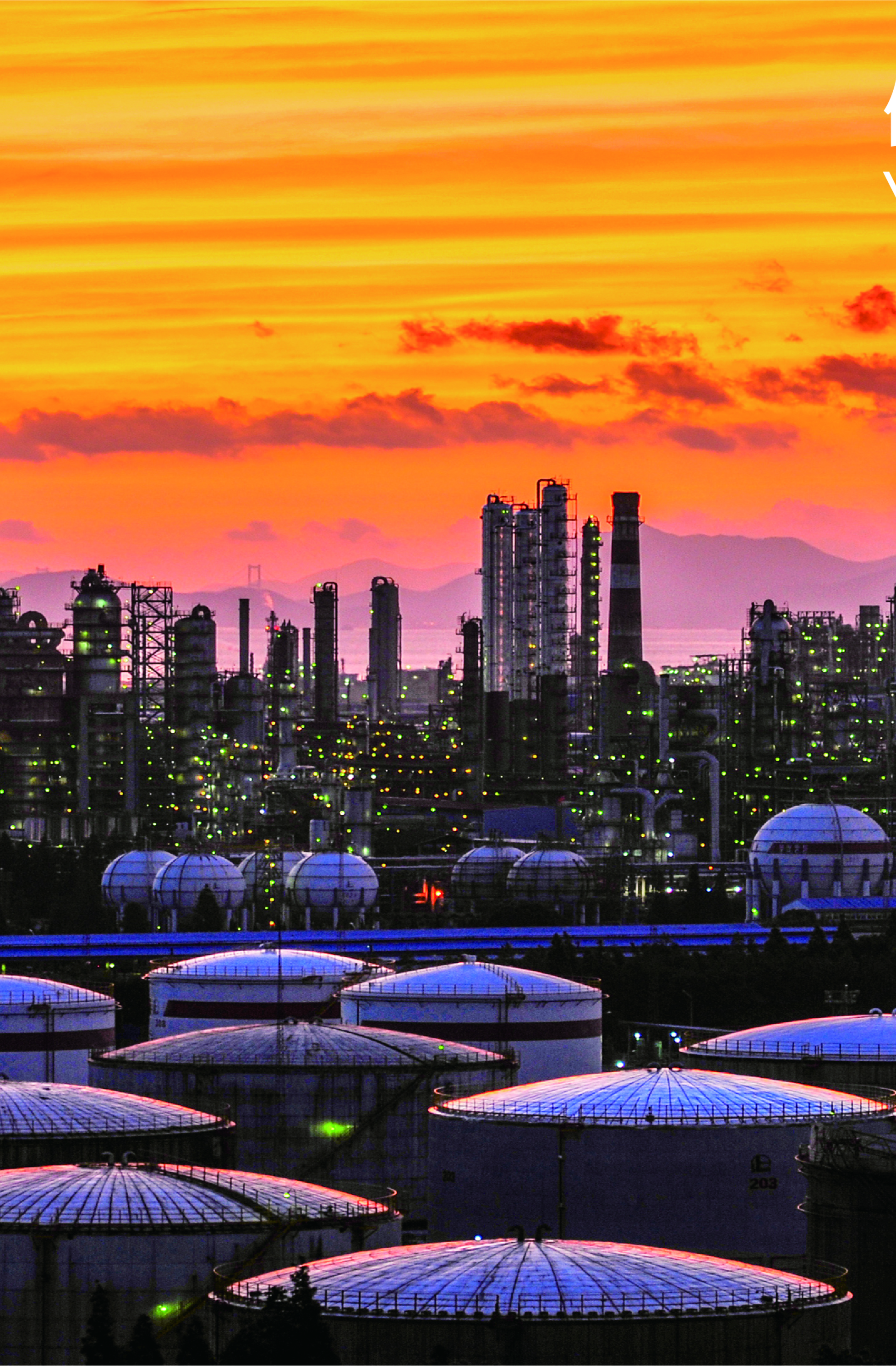
Petrochemical facilities handle flammable gases, vapors, and combustible dusts every day. Standard lighting cannot safely operate in these environments. Explosion proof floodlights prevent ignition in hazardous atmospheres while delivering the illumination needed for security surveillance and safe operations. Getting the perimeter lighting right is one of the first steps in preventing unauthorized access and maintaining visibility across the entire plant.
Why petrochemical perimeters demand explosion proof lighting
Flammable substances, whether gases or fine dusts, create explosive atmospheres throughout petrochemical operations. Any electrical equipment in these areas must either contain a potential internal explosion or keep surface temperatures below ignition points. This is not optional. I have seen what happens when facilities cut corners. At General Paint, a medium-sized chemical plant where we conducted a safety assessment, serious electrical hazards had developed because the original equipment was not rated for the environment. The fire and explosion risk was significant. Addressing these risks before an incident is not just about meeting regulations. It is about keeping people alive and operations running.
Hazardous locations fall into classifications based on how often explosive atmospheres are present and for how long. Zone 1 areas expect an explosive atmosphere during normal operation. Class I, Division 1 locations have ignitable concentrations of flammable gases or vapors under normal conditions. Each classification requires specific explosion protection types. Flameproof enclosures, designated Ex d, contain any internal explosion. Increased safety designs, designated Ex e, prevent sparks or hot surfaces from forming in the first place. Selecting the wrong protection type for a given area defeats the purpose of using explosion proof equipment at all.
What safety standards apply to petrochemical lighting?
Petrochemical lighting must meet international standards including ATEX and IECEx, along with national codes like UL or CSA depending on the installation location. These standards define how equipment must be designed and tested for specific hazardous area classifications. They dictate which explosion protection types are acceptable for each zone or division. Compliance is verified through third-party certification before equipment can be installed in classified areas.
How explosion proof floodlight construction prevents ignition
Explosion proof floodlight fittings combine several technologies to function safely in demanding environments. Housings are typically cast from copper-free aluminum alloy, a material choice that resists both mechanical impact and the corrosive conditions common in petrochemical settings. Specialized sealing prevents dust and moisture from entering the enclosure, maintaining Ingress Protection ratings of IP66 or higher. Thermal management is critical because the external surface temperature must stay below the auto-ignition temperature of whatever hazardous substances might be present. Heat sinks and careful thermal path design keep surface temperatures within safe limits even during continuous operation.
LED technology has become the standard for these applications. LEDs consume less power than older lighting sources and last significantly longer, which matters when fixtures are mounted in locations that are difficult or hazardous to access for maintenance. On the Tilenga project in Uganda, we supplied explosion proof LED lighting for wellpads and the central processing facility. The systems ran under extreme conditions with zero safety incidents and required minimal maintenance throughout the project. That kind of reliability reduces both operating costs and the number of times personnel must enter hazardous areas to service equipment.
| Feature | What it does | Why it matters in petrochemical settings |
|---|---|---|
| Copper-free aluminum housing | Resists corrosion and mechanical impact | Survives chemical exposure and physical abuse common in industrial environments |
| IP66 or higher sealing | Blocks dust and water ingress | Maintains protection integrity in outdoor and washdown areas |
| Thermal management system | Dissipates heat from LEDs | Keeps surface temperature below ignition thresholds |
| Flameproof or increased safety design | Contains or prevents ignition sources | Meets certification requirements for classified areas |
| LED light source | High efficiency, long lifespan | Reduces energy costs and maintenance frequency |
If your facility is evaluating perimeter lighting options, it is worth reviewing the area classifications with your safety team before specifying equipment. The protection type must match the hazard present, not just the budget available.
How to select the right explosion proof floodlight for your site
Selecting explosion proof floodlights starts with understanding the specific hazards present at each location around the perimeter. Gas groups, temperature classes, and area classifications all influence which products are acceptable. A fixture rated for Zone 2 cannot be installed in a Zone 1 area. A product certified for T3 temperature class may not be suitable where substances with lower ignition temperatures are present.
Optical performance also matters. Perimeter security requires even illumination across large areas without creating dark spots where intruders could approach undetected. Floodlights with adjustable beam angles allow the lighting layout to be optimized for the specific geometry of each section of perimeter. Mounting height, spacing, and aiming all affect coverage. Getting these details right during the design phase prevents expensive rework after installation.
Consider the maintenance implications of each product choice. Fixtures that require frequent lamp replacement or cleaning create ongoing exposure risks for maintenance personnel. Products with tool-free access to serviceable components, or better yet, products designed to operate for years without service, reduce this burden. The Tilenga project demonstrated that well-designed LED fixtures can operate through an entire project phase without requiring maintenance intervention.
What questions should you ask before purchasing explosion proof floodlights?
Before committing to a supplier, confirm that the products carry valid certifications from recognized bodies for the specific classifications present at your site. Ask for documentation showing the temperature class, gas group ratings, and ingress protection level. Request photometric data to verify that the optical performance meets your coverage requirements. Inquire about warranty terms and what support is available if a product fails in service. A supplier who cannot answer these questions clearly may not have the technical depth to support a petrochemical installation properly.
How proper installation affects explosion proof floodlight performance
Even correctly specified equipment can fail to protect a facility if installation is done improperly. Cable entries must use certified glands that maintain the enclosure’s protection rating. Conduit seals must be installed where required by code to prevent flame propagation through the wiring system. Mounting hardware must be appropriate for the environment and the weight of the fixture. Grounding must be verified to ensure fault currents have a safe path.
Installation crews working in classified areas need training specific to hazardous location work. They must understand why each step matters and what the consequences of shortcuts might be. Inspection after installation should verify that all components are correctly assembled and that no damage occurred during handling. Many facilities require third-party inspection of hazardous area installations before energizing new equipment.
What ongoing maintenance keeps explosion proof floodlights reliable?
Routine inspection catches problems before they become safety hazards. Check enclosures for signs of corrosion, impact damage, or seal degradation. Verify that all fasteners remain tight and that cable glands have not loosened. Clean optical surfaces to maintain light output. Document each inspection and track any trends that might indicate developing problems.
When repairs are needed, use only components specified by the manufacturer. Substituting non-certified parts voids the explosion proof rating and creates an ignition risk. If a fixture is damaged beyond repair, replace it with a product carrying equivalent or better certifications for the area classification.
To discuss specific requirements for your petrochemical perimeter lighting project, contact our technical team for a detailed consultation.
Frequently asked questions
What certifications should explosion proof floodlights have for petrochemical use?
Products should carry ATEX certification for European installations, IECEx for international projects, or UL/CSA listing for North American sites. The specific certification must match the area classification where the fixture will be installed. Zone ratings, gas group designations, and temperature class must all be appropriate for the hazards present. Request copies of certificates before purchasing and verify they are current.
How do explosion proof floodlights differ from standard industrial lighting?
Standard industrial fixtures are not designed to prevent ignition in explosive atmospheres. Explosion proof floodlights use specialized enclosures, seals, and thermal management to either contain any internal explosion or prevent conditions that could cause ignition. The construction is heavier, the materials are selected for specific chemical and environmental resistance, and every component must meet certification requirements. The cost is higher, but the protection is necessary in classified areas.
Can explosion proof floodlights be used with security camera systems?
Yes, and this combination is common for perimeter security in petrochemical facilities. The lighting provides illumination for camera coverage while both systems maintain the required explosion protection. Positioning the floodlights to support camera fields of view requires coordination during the design phase. Some manufacturers offer integrated camera and lighting products that simplify installation in hazardous areas. If you are planning a combined security system, our team can review your layout and recommend compatible products.
If you’re interested, check out these related articles:
WAROM on day 1 of the 139th Canton Fair 2026
Group I Explosion Proof Lighting for Coal Mines: Safety First
With over a decade of experience, he is a seasoned Explosion-Proof Electrical Engineer specializing in the design and manufacture of safety and explosion-proof products. He possesses in-depth expertise across key areas including explosion-proof systems, nuclear power lighting, marine safety, fire protection, and intelligent control systems. At Warom Technology Incorporated Company, he holds dual leadership roles as Deputy Chief Engineer for International Business and Head of the International R&D Department, where he oversees R&D initiatives and ensures the precise delivery of design documentation for international projects. Committed to advancing global industrial safety, he focuses on translating complex technologies into practical solutions, helping clients implement safer, smarter, and more reliable control systems worldwide.

Qi Lingyi