

Petrochemical facilities operate with flammable gases, vapors, and combustible dusts present at nearly every stage of production. In these conditions, explosion-proof SCADA systems serve a function that goes beyond regulatory compliance—they provide the monitoring and control infrastructure that keeps processes stable and personnel protected. The challenge lies in designing systems that maintain full functionality while eliminating ignition risks in classified hazardous areas.
Why Standard SCADA Falls Short in Petrochemical Hazardous Areas
Standard industrial control systems assume a benign electrical environment. They use components that generate small arcs during normal switching operations, produce heat under load, and rely on enclosures designed primarily for dust and moisture exclusion rather than flame containment. In a petrochemical plant where hydrocarbon vapors can accumulate to explosive concentrations within minutes of a process upset, these design assumptions become dangerous.
Explosion-proof SCADA systems address this gap through multiple protection strategies applied at the component level. Flameproof enclosures contain any internal ignition and cool escaping gases below the ignition temperature of the surrounding atmosphere. Intrinsically safe circuits limit electrical energy to levels incapable of producing a spark with sufficient heat to ignite the most easily ignitable mixture present. Increased safety designs eliminate arcing contacts entirely from equipment installed in hazardous zones.
The practical difference shows up in how operators can respond to abnormal conditions. With properly designed explosion-proof SCADA, field technicians can adjust valve positions, reset instruments, and troubleshoot sensor faults while the process continues running—activities that would require full area evacuation and hot work permits with conventional equipment. This operational flexibility directly affects plant availability and maintenance costs.
Designing Explosion-Proof SCADA Architectures That Actually Work
Effective explosion-proof SCADA architecture starts with hazardous area classification, but the real engineering challenge lies in translating those classifications into practical equipment selections and installation methods. A Zone 1 classification tells you that explosive atmospheres are likely during normal operation, but it does not tell you which protection concept will deliver the best combination of reliability, maintainability, and cost for your specific application.
Gas group and temperature class determine the minimum enclosure ratings, but they do not account for the mechanical stresses, ambient temperature extremes, or corrosive atmospheres that petrochemical equipment actually encounters. A junction box rated Ex d IIC T6 meets the electrical requirements for hydrogen service, but if it cannot withstand the thermal cycling from ambient temperatures that swing 40°C between day and night, the flamepath will degrade and the protection will eventually fail.
The Tilenga project in Uganda illustrates how these considerations play out in practice. The scope covered explosion-proof lighting and electrical systems for wellpads, a Central Processing Facility, and associated pipelines—all in an equatorial climate with significant temperature variation and seasonal humidity changes. The project achieved zero safety incidents not because the equipment met certification requirements on paper, but because the design accounted for actual operating conditions and the installation followed procedures that maintained protection integrity.
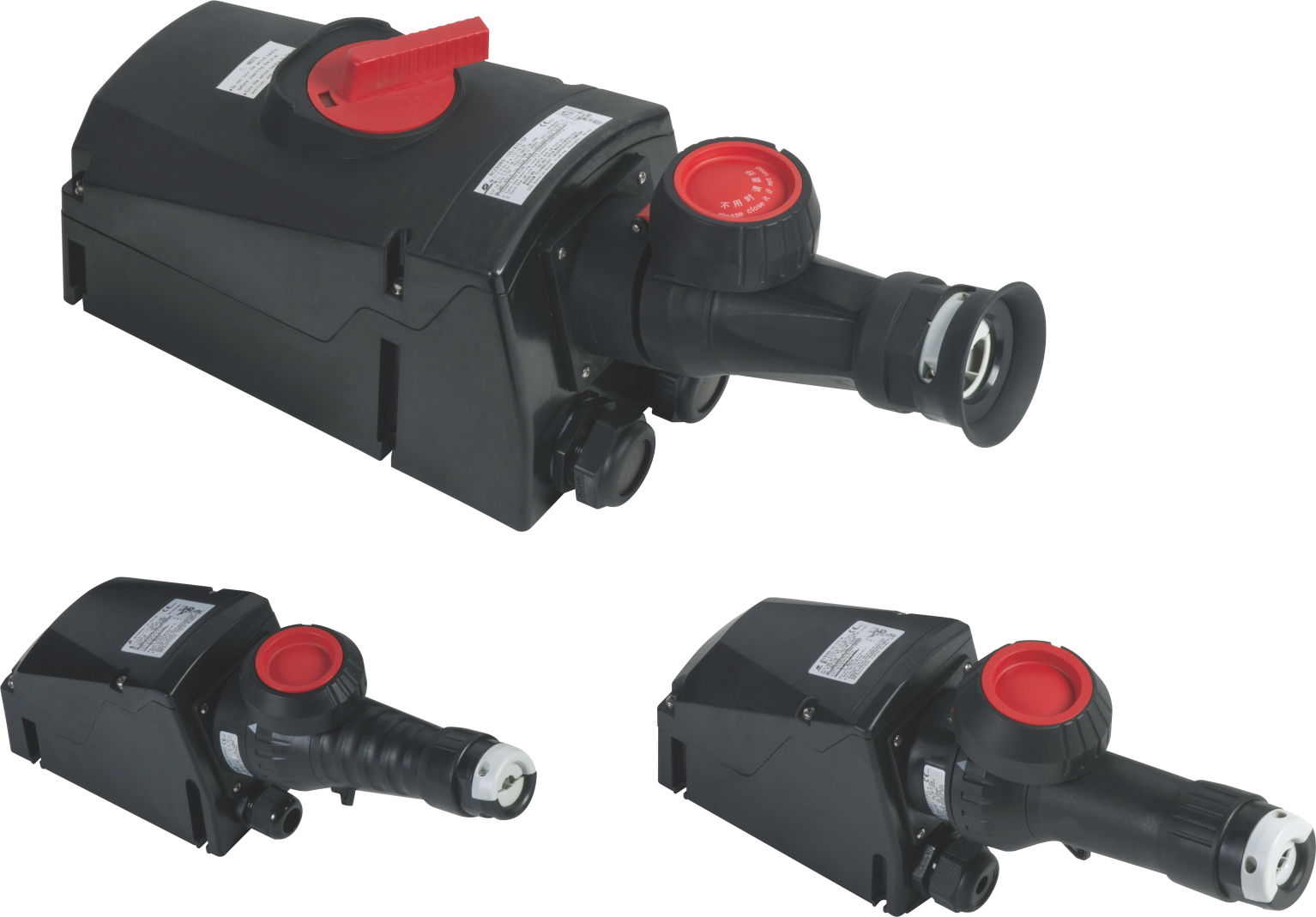
Customization becomes essential when standard catalog products do not fit the application. The General Paint electrical safety upgrade required a combination of gas detectors, explosion-proof plugs, and junction and distribution boxes configured specifically for their flammable gas and dust environment. Off-the-shelf solutions would have required compromises in either protection level or functionality; the tailored approach delivered both.
What International Standards Apply to Explosion-Proof SCADA in Petrochemicals
ATEX directives govern equipment placed on the European market, while IECEx provides a global certification framework that most countries outside Europe recognize. North American installations typically follow NEC Article 500 for Division classifications or Article 505/506 for Zone classifications, with equipment certified by nationally recognized testing laboratories.
These standards define minimum requirements, but they do not guarantee that equipment will perform well in a specific application. A product certified to ATEX and IECEx standards has demonstrated that it will not ignite a specified test atmosphere under controlled laboratory conditions. Whether it will survive ten years of continuous operation in a refinery environment depends on factors the certification process does not address—material compatibility with process chemicals, resistance to vibration from nearby rotating equipment, and tolerance for the installation practices that field crews actually use.
Safety integrity level requirements add another layer of complexity. SIL-rated systems must demonstrate not only that they will not cause ignition, but that they will perform their safety function reliably over the required proof test interval. This affects everything from sensor selection to communication architecture to the procedures for testing and maintaining the system after installation.
Deploying Explosion-Proof SCADA Components in Active Hazardous Zones
Field deployment of explosion-proof SCADA equipment requires installation practices that maintain the protection concepts built into the design. A flameproof enclosure loses its protection if the cover bolts are not torqued to specification or if the flamepath surfaces are damaged during installation. An intrinsically safe circuit becomes a potential ignition source if the installer runs it through the same conduit as a power circuit.
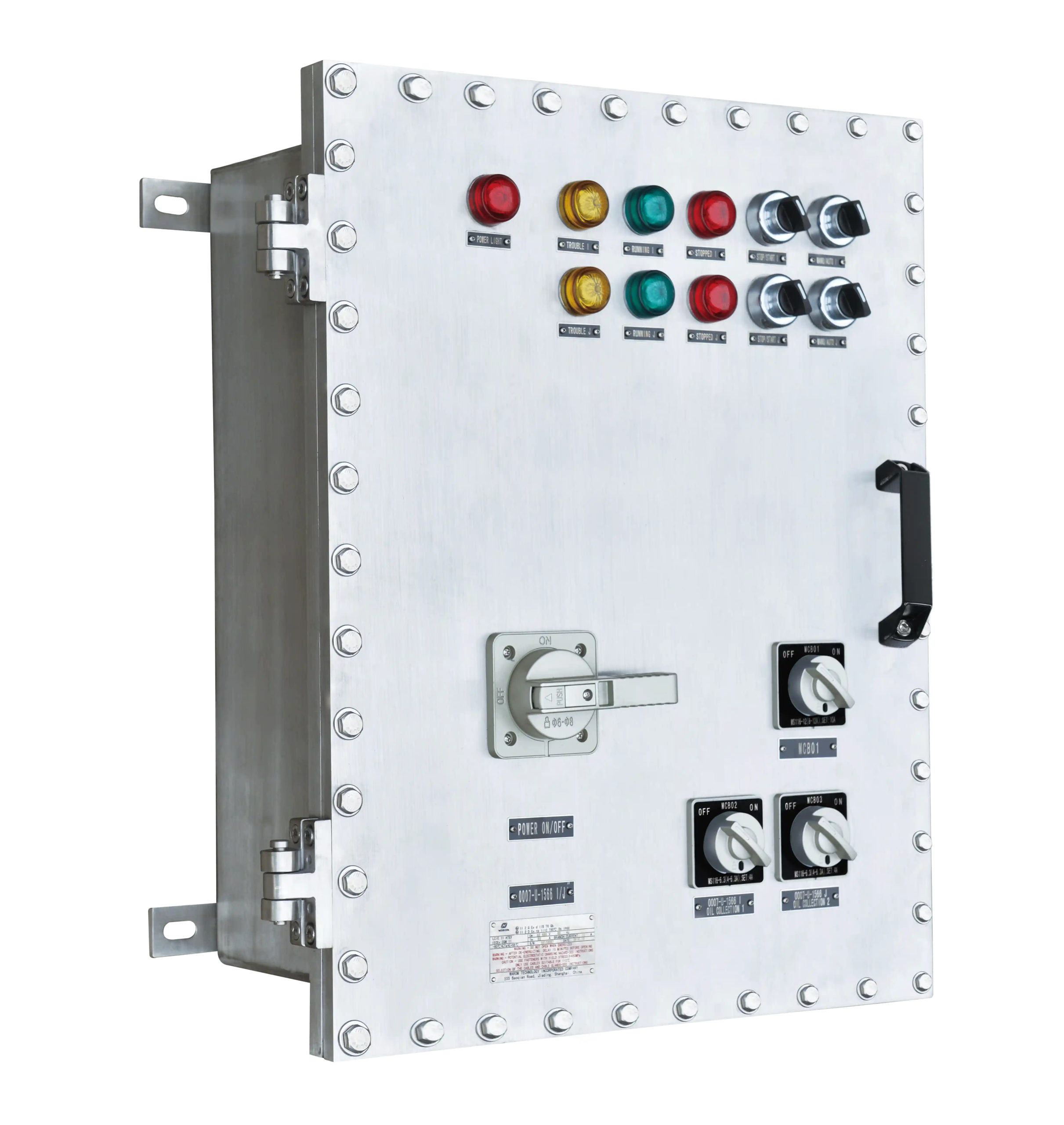
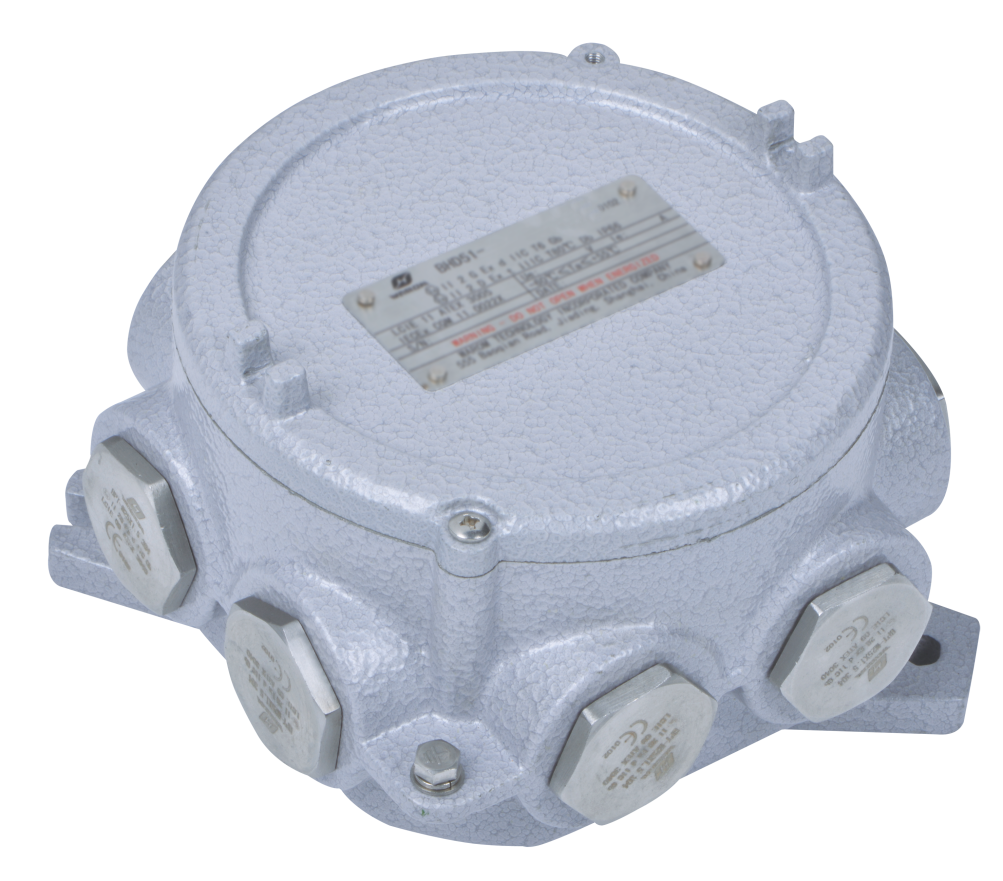
The component selection for a typical petrochemical SCADA installation includes explosion-proof junction boxes for field wiring terminations, certified cable glands that maintain the enclosure rating where cables enter, and distribution panels that provide power and signal routing while containing any faults that occur. Each component must match the area classification where it will be installed, and the connections between components must maintain protection continuity.
| Protection Method | How It Works | Typical SCADA Application |
|---|---|---|
| Flameproof (Ex d) | Contains internal explosion, cools gases below ignition temperature | Junction boxes, local control stations |
| Increased Safety (Ex e) | Eliminates arcing contacts and limits surface temperatures | Terminal boxes, distribution panels |
| Intrinsic Safety (Ex i) | Limits circuit energy below ignition threshold | Sensor loops, instrument signals |
| Pressurization (Ex p) | Maintains positive pressure to exclude hazardous gases | Control panels, analyzer enclosures |
| Oil Immersion (Ex o) | Submerges potential ignition sources in protective oil | Power transformers |
The General Paint project demonstrated how proper component selection and installation translate into operational results. The explosion-proof plugs, junction boxes, and distribution equipment supplied for that facility directly contributed to preventing the fires and explosions that had been a concern with the previous electrical installation. The improvement came not from any single component but from the systematic application of appropriate protection methods throughout the hazardous areas.
Wireless SCADA solutions offer deployment flexibility in areas where running conduit is impractical or where the hazardous area boundaries shift with process conditions. Certified wireless transmitters can be relocated as plant configurations change, and they eliminate the cable entry points that represent potential weak spots in wired explosion-proof installations.
How Explosion-Proof SCADA Integrates with Existing Plant Infrastructure
Most petrochemical facilities have decades of installed infrastructure, and complete replacement is rarely practical or economical. Integration typically proceeds through a combination of protocol conversion, signal conditioning, and phased equipment replacement that maintains continuous operation while progressively upgrading protection levels.
The Fushilai Pharmaceutical project followed this approach, with early coordination between our engineering team and the design institute allowing the explosion-proof distribution boxes to integrate smoothly with existing plant systems. Phased delivery aligned to construction progress meant that each section of the facility received its upgraded equipment at the point in the construction sequence where installation was most efficient.
Legacy system integration often requires bridging between older analog signals and modern digital communication protocols. Explosion-proof signal conditioners and protocol converters allow certified field devices to communicate with control systems that were not originally designed for hazardous area applications. The key is ensuring that the protection boundary is maintained at the point where signals cross from hazardous to safe areas.
Calculating the Real ROI of Certified Explosion-Proof SCADA
The financial case for explosion-proof SCADA extends beyond avoiding the catastrophic costs of an explosion. These systems deliver measurable returns through reduced maintenance costs, improved process efficiency, and avoided regulatory penalties.
Maintenance savings come from the ability to perform routine work without the delays and costs associated with hot work permits and area evacuations. When field devices can be serviced while the process continues running, maintenance windows shrink and equipment availability increases. The Tilenga project achieved low maintenance requirements and high reliability under extreme conditions—outcomes that translate directly into reduced operating costs over the facility’s lifetime.
Process efficiency improvements result from the enhanced monitoring and control capabilities that explosion-proof SCADA provides. Real-time data from sensors throughout the hazardous areas allows operators to optimize process conditions rather than running with conservative margins that sacrifice throughput for safety. Alarm management becomes more effective when the system can distinguish between genuine process upsets and sensor anomalies.
The General Paint project illustrates the asset protection value. The electrical safety upgrade prevented potential fires and explosions that would have caused direct property damage, business interruption, and potential injury claims. Quantifying the value of prevented incidents is inherently uncertain, but the cost of a single significant fire in a paint manufacturing facility would likely exceed the entire investment in explosion-proof electrical systems.
What Long-Term Benefits Justify the Investment in Certified Explosion-Proof SCADA
The immediate benefit is risk reduction—lower probability of incidents that harm people, damage equipment, and disrupt production. Certified equipment provides documented evidence of due diligence that supports both regulatory compliance and liability defense.
Operational benefits accumulate over time. Reduced downtime for maintenance, improved process control, and lower insurance premiums compound into significant cost advantages compared to facilities operating with less capable systems. The certification documentation also simplifies audits and inspections, reducing the administrative burden on plant staff.
Future-proofing matters in an industry where regulations tend to become more stringent over time. Equipment that meets current international standards is more likely to remain compliant as requirements evolve, avoiding the forced replacement cycles that affect facilities operating at minimum compliance levels.
What Makes a Reliable Partner for Petrochemical Safety Solutions
Technical capability matters, but execution reliability determines whether a project actually delivers its intended benefits. The ability to diagnose site-specific requirements, configure equipment appropriately, and support installation through commissioning separates vendors who supply products from partners who deliver solutions.
The General Paint project started with on-site diagnosis that identified the specific flammable gas and dust risks present in their facility. That assessment drove the selection of gas detectors, explosion-proof plugs, and distribution equipment configured for their particular hazardous area classifications. The result was a solution that addressed their actual risks rather than a generic package that might have left gaps or included unnecessary equipment.
For Fushilai Pharmaceutical, early coordination with the design institute and phased delivery aligned to construction progress ensured that equipment arrived when needed and integrated smoothly with other project elements. This kind of project management requires understanding both the technical requirements and the practical constraints of construction schedules.
The Tilenga project demonstrated capability at scale—comprehensive supply of explosion-proof lighting and electrical systems for a major oil development project, delivered on schedule and meeting all safety, environmental, and performance requirements. That track record provides evidence that similar results are achievable on other projects with comparable complexity.
If your facility faces hazardous area challenges that standard solutions do not adequately address, a conversation about specific requirements and site conditions is the starting point for developing an effective approach.

Contact Information for Explosion-Proof SCADA Consultation
For technical consultation on explosion-proof SCADA systems and hazardous area electrical equipment, contact WAROM TECHNOLOGY’s engineering team.
Email: gm*@***om.com
Tel: +86 21 39977076 / +86 21 39972657
Frequently Asked Questions About Explosion-Proof SCADA Systems
What Makes Explosion-Proof SCADA Different from Standard Industrial Control Systems
Explosion-proof SCADA incorporates protection methods at every level of the system architecture to prevent electrical equipment from igniting hazardous atmospheres. This includes flameproof enclosures that contain internal faults, intrinsically safe circuits that limit energy below ignition thresholds, and increased safety designs that eliminate arcing contacts. Standard industrial control systems assume a non-hazardous environment and use components that would present ignition risks in areas where flammable gases or combustible dusts are present. The certification process for explosion-proof equipment involves testing under conditions that simulate actual fault scenarios, not just normal operation.
What Maintenance Practices Keep Explosion-Proof SCADA Components Effective
Maintaining explosion-proof equipment requires procedures that preserve the protection concepts built into the design. Flameproof enclosures need regular inspection of flamepath surfaces and cover bolt torque verification. Cable glands must be checked for seal integrity and proper cable retention. Intrinsically safe circuits require periodic verification that barrier devices are functioning correctly. All replacement parts must carry appropriate certifications—substituting non-certified components compromises the protection and may void the installation’s compliance status. Documentation of maintenance activities supports both regulatory compliance and troubleshooting when issues arise.
Can Existing Plants Upgrade to Explosion-Proof SCADA Without Complete System Replacement
Phased modernization allows existing facilities to upgrade protection levels progressively while maintaining continuous operation. The typical approach identifies the highest-risk areas for initial upgrades, implements certified equipment in those zones, and then extends the improvements to lower-priority areas as budget and maintenance windows permit. Interface equipment bridges between new explosion-proof field devices and existing control infrastructure, allowing the upgrade to proceed without requiring simultaneous replacement of the entire system. Planning these upgrades requires careful assessment of both the hazardous area classifications and the existing system architecture.
How Does Cybersecurity Factor into Explosion-Proof SCADA Design
Cybersecurity for explosion-proof SCADA addresses the risk that unauthorized access or malicious manipulation could cause process conditions that lead to safety incidents. A compromised control system could potentially override safety interlocks, mask alarm conditions, or manipulate process variables in ways that create hazardous situations. Protection measures include network segmentation that isolates safety-critical systems, access controls that limit who can make changes, and monitoring that detects unauthorized activity. The challenge is implementing these measures without creating operational barriers that interfere with legitimate maintenance and troubleshooting activities.
If you’re interested, you may want to read the following articles:
Explosion Proof Lighting for Grain Silos and Flour Mills: Safety Compliance
Day 1 of 136th Canton Fair 2024
ATEX vs UL Classification: Mastering Explosion Proof Lighting
Class 1 Division 1 vs Division 2 Lighting: 2025 Safety Guide
With over a decade of experience, he is a seasoned Explosion-Proof Electrical Engineer specializing in the design and manufacture of safety and explosion-proof products. He possesses in-depth expertise across key areas including explosion-proof systems, nuclear power lighting, marine safety, fire protection, and intelligent control systems. At Warom Technology Incorporated Company, he holds dual leadership roles as Deputy Chief Engineer for International Business and Head of the International R&D Department, where he oversees R&D initiatives and ensures the precise delivery of design documentation for international projects. Committed to advancing global industrial safety, he focuses on translating complex technologies into practical solutions, helping clients implement safer, smarter, and more reliable control systems worldwide.

Qi Lingyi