Railway trackside electrical equipment sits in a punishing environment: rain, ballast dust, vibration from passing trains, pressure washing, UV exposure, and rapid temperature swings. Weatherproof products for railway trackside electrical equipment are usually selected by IP rating alone, but that approach misses the failures I have seen most often in the field. Gland sealing, enclosure material, pressure equalization, and thermal cycling decide whether a trackside installation survives five years or fails in two. The specification checks below cover junction boxes, terminal enclosures, lighting, and power distribution for procurement engineers and maintenance teams.
Weatherproof Ratings Alone Do Not Cover Trackside Conditions
Weatherproof products for railway trackside electrical equipment usually earn their IP rating on a clean, correctly assembled laboratory sample. On the trackside, covers are opened for maintenance, cables are dressed under time pressure, and gaskets sit against surfaces that move with every passing train. I have inspected weatherproof boxes that passed their type approval and still showed internal corrosion at the first annual check, usually because the gland was over-tightened or the gasket had been pinched during the initial build. An IP66 enclosure is dust-tight and resists powerful water jets, but that test does not simulate UV damage, gasket set, or the condensation from rapid temperature changes.
| Protection | Water exposure in test | Trackside judgment |
|---|---|---|
| IP55 | Water jets from a 6.3 mm nozzle | Too low for exposed locations |
| IP65 | Low-pressure water jets | Only inside protected cabinets or shelters |
| IP66 | Powerful water jets | Baseline for exposed trackside enclosures |
| IP67 | Temporary immersion | Useful in underpasses or flood-prone troughs |
| IP69K | Hot high-pressure wash-down | Use only where hot-water cleaning is verified |
IP67 and IP69K appear in specifications as if they are automatically higher performance. IP67 covers temporary immersion, which may matter in flood-prone underpasses. IP69K covers high-pressure, high-temperature wash-down, which is useful for equipment cleaned with hot water. Neither rating addresses UV damage, gasket set, or condensation. A box that passes both tests can still collect water inside if it is sealed too tightly and cannot equalize pressure.
Enclosure Material Selection Changes How Trackside Equipment Ages
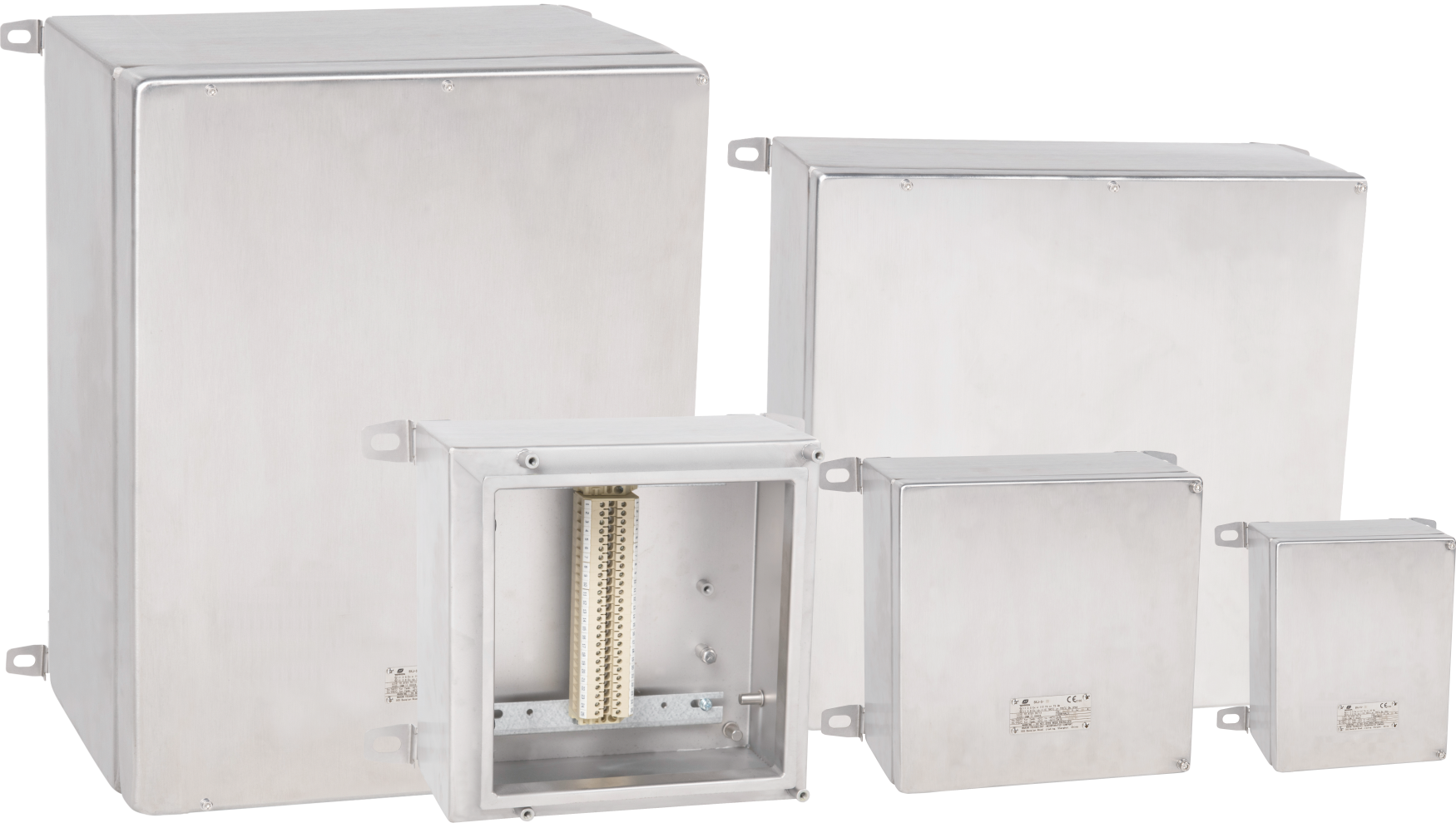
Material choice sets the corrosion path and the expansion behavior of the enclosure. Stainless steel 316L handles coastal salt spray and tunnel wash water better than powder-coated steel, but it costs more and adds weight. GRP and polyester boxes are lighter and electrically insulating, yet their UV resistance must be confirmed for open lines. Powder-coated aluminum alloy is common for wayside equipment because it balances weight, cost, and machinability, but a deep scratch begins a corrosion path that is hard to see behind a bracket.
| Material | Best trackside use | Main limit |
|---|---|---|
| Stainless steel 316L | Coastal corridors and tunnels | Higher material cost and weight |
| GRP or polyester | Lightweight junction and terminal boxes | UV stability must be confirmed |
| Powder-coated aluminum alloy | General wayside mounting | Coating damage can initiate corrosion |
| Polycarbonate | Windows and small covers | Impact strength varies by grade |
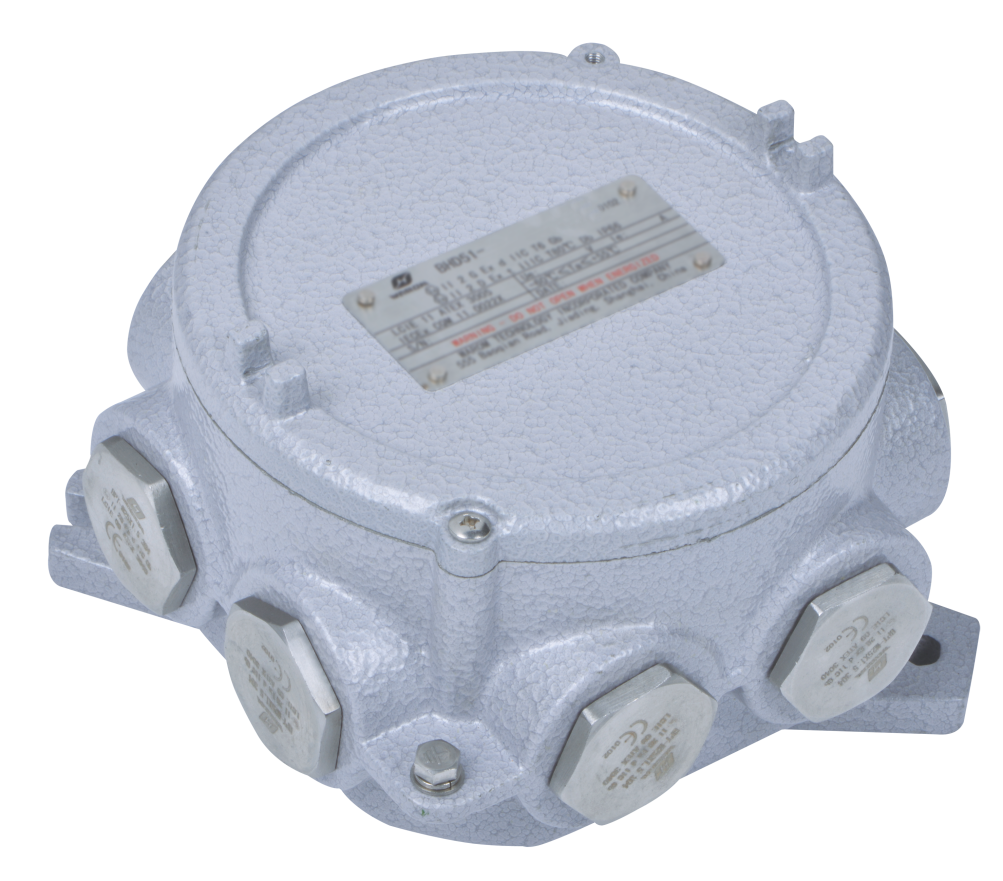
Galvanic compatibility is the point most specifications miss. Copper earth bars, brass glands, and stainless steel enclosures do not share the same potential in a wet environment. Without separation between the copper conductor and the aluminum housing, the aluminum acts as the sacrificial anode and loses material over time. That means the gland body, blanking plugs, and earth bar plating need to be matched to the enclosure material rather than selected as separate commodity items.
If your project includes coastal rail corridors, tunnels, or pressure washing cycles, confirm gland sealing and enclosure material as a combined system before you finalize the bill of materials. Send your cable schedule and equipment list to gm*@***om.com and we can check compatibility against the actual field conditions.
Cable Entries and Glands Decide How Weatherproof Trackside Enclosures Actually Perform
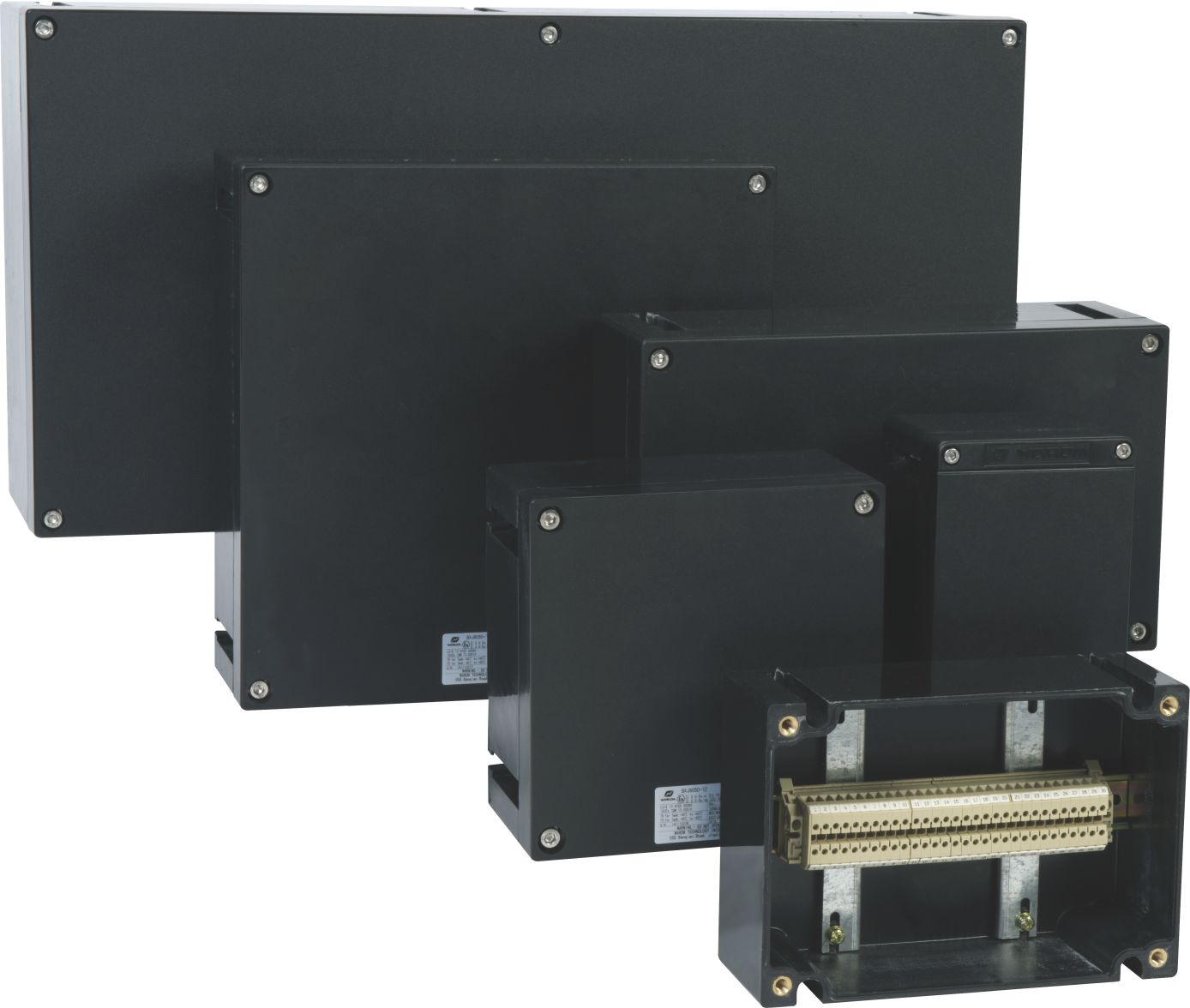
If I had to rank the causes of water ingress on trackside equipment, cable entries come first. Lids and gaskets get attention, but a box with an undersized gland, an unused knockout, or a cable outside its sealing range will take in water even with a perfect door seal. For each weatherproof enclosure, specify a gland with a sealing range that matches the actual outer diameter of the cable, and use blanking plugs from the same product family rather than adhesive caps that degrade under UV.
Metric threads, PG threads, and NPT threads are not interchangeable, and rail projects often mix them between signaling, power, and telecom cables. Confirm the thread form on the enclosure drawing before issuing the purchase order. For armored or screened cables, the gland also carries the earth path. If the installer strips back too much sheath to make the cable fit, the gland loses its sealing function and the screen connection can become unpredictable.
Rail Electrification Adds Stresses That Weatherproof Testing Does Not Simulate
Many trackside enclosures now sit close to traction power feeders, return conductors, and signaling circuits. A box that is dry can still develop a stray current path if water film connects a power cable to a signal terminal or an earth bar. For signaling and communications circuits, separate terminal chambers or internal screens are a practical requirement, not a conservative option. The weatherproof rating tells you nothing about this separation.
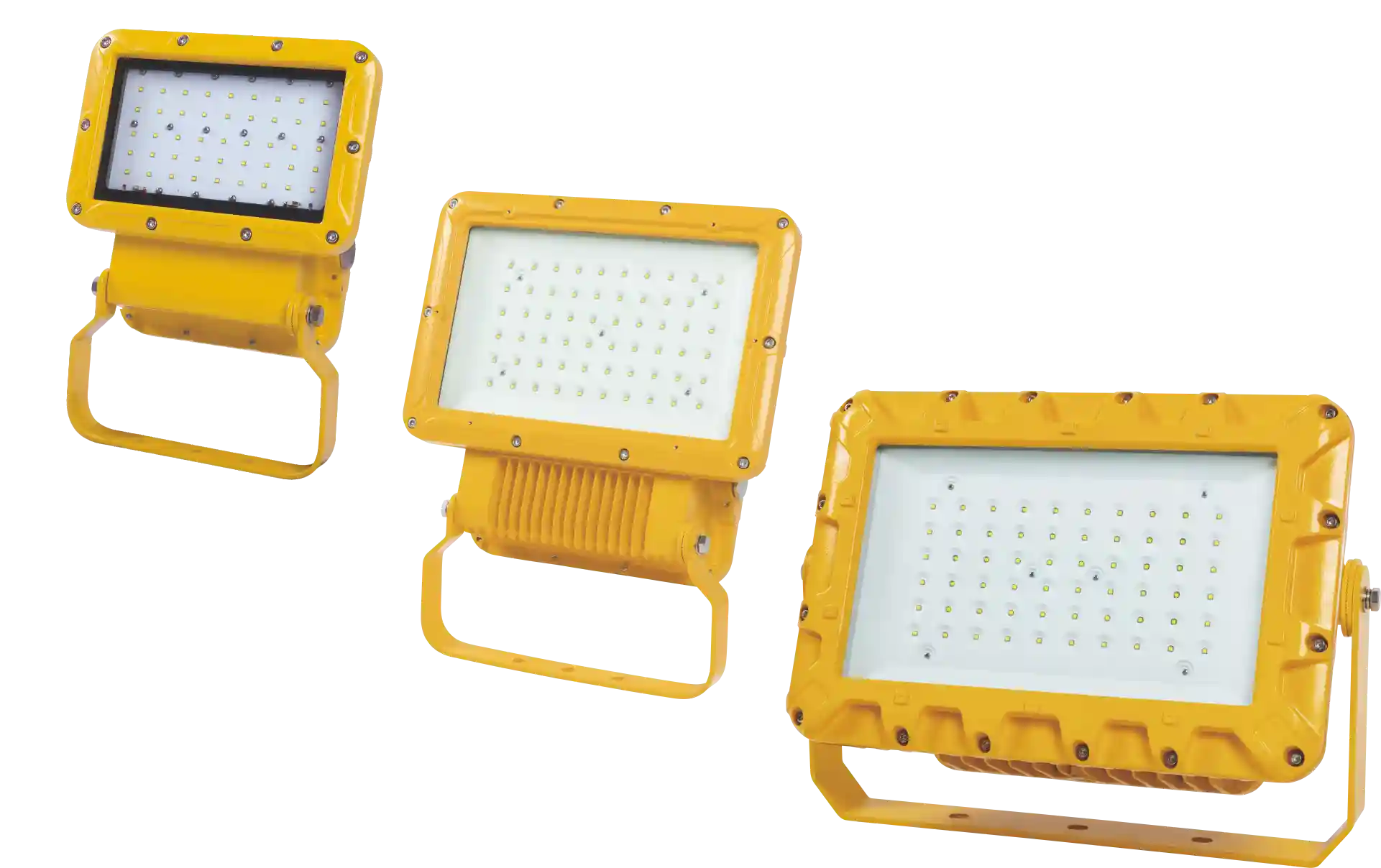
Weatherproof lighting and CCTV equipment introduce the same leakage and sealing issues at height. LED floodlights on lineside masts need UV-stable lenses and sealed wiring compartments, and their brackets must handle the vibration frequency of high-speed traffic without loosening the fixings.
Trackside lighting around refueling points, storage areas, or solvent cleaning zones can cross into hazardous-area territory. <Explosion Proof LED Lights: Ensuring Industrial Safety> covers the certification and construction differences that change how a luminaire is specified, and why a weatherproof fixture is not a substitute in a classified location.
How to Line Up Weatherproof Products for a Trackside Scope
Trackside failures are rarely caused by one bad component. They come from pairing a solid enclosure with the wrong gland, or a gland with a cable outside its sealing range, or a stainless steel box with an incompatible copper earth bar. I start a trackside specification review at Warom with the cable schedule and equipment list, then check the environmental envelope at each location before approving the bill of materials. Send your part numbers, cable types, and installation drawings to gm*@***om.com or call +86 21 39977076 or +86 21 39972657. We can confirm the enclosure, gland, and material combination against the field conditions and the applicable rail standards before you commit to quantities.
Buyers Also Ask These Trackside Weatherproof Questions
Is IP66 enough for trackside electrical equipment?
IP66 is the minimum for exposed trackside boxes, not a guarantee of service life. It means the enclosure is dust-tight and can withstand powerful water jets in a test. On the trackside, UV exposure, gasket compression, vibration, and cable entry quality determine how long that protection actually lasts. For boxes in flood-prone underpasses, IP67 may be useful. For pressure washing with hot water, IP69K applies. The more practical step is to confirm that the gland, cover gasket, and enclosure material can survive the maintenance routine at the location.
Which enclosure material lasts longest in coastal rail conditions?
It depends on the specific corrosion load. In a direct coastal atmosphere with salt spray and high humidity, stainless steel 316L generally lasts longest because it resists chloride attack better than aluminum or coated steel. GRP and polyester enclosures also resist salt spray well, but their UV stability has to be checked. Powder-coated steel and aluminum are workable in less aggressive inland locations. The decision should be driven by the coat line location and the maintenance interval, not by the material rating alone.
Do weatherproof enclosures need pressure equalization vents?
A common misconception is that a perfectly sealed box should stay fully sealed. That works in a stable room, but a trackside box runs through steep temperature cycles between day, night, rain, and sun. A sealed volume without a vent can pull moist air past the gasket as internal air contracts. Pressure equalization vents, when they can be kept clean, reduce this pumping effect and cut condensation. The vent must be rated for the same weather class and placed where wheel spray and pressure washing will not force water through it.
What should I include in an RFQ for railway weatherproof products?
In tenders we have supported, the RFQs that produce accurate quotes include the cable schedule, the cable outer diameters, the gland thread type, the installation location, and the maintenance wash method. A bill of materials that only says IP66 enclosure leaves too much to interpret. Include drawings that show the cable entries and earthing arrangement, then state the applicable material preference and any coastal or tunnel conditions. Send your cable schedule, equipment list, and installation drawings to gm*@***om.com and we can confirm the sealing range and material compatibility before you finalize the order.
If you’re interested, check out these related articles:
WAROM at Australian Energy Producers Conference &Exhibition 2026
SOGCE 2025 is Underway
With over a decade of experience, he is a seasoned Explosion-Proof Electrical Engineer specializing in the design and manufacture of safety and explosion-proof products. He possesses in-depth expertise across key areas including explosion-proof systems, nuclear power lighting, marine safety, fire protection, and intelligent control systems. At Warom Technology Incorporated Company, he holds dual leadership roles as Deputy Chief Engineer for International Business and Head of the International R&D Department, where he oversees R&D initiatives and ensures the precise delivery of design documentation for international projects. Committed to advancing global industrial safety, he focuses on translating complex technologies into practical solutions, helping clients implement safer, smarter, and more reliable control systems worldwide.
Qi Lingyi