Weatherproof cable glands rarely get the attention they deserve until a terminal box fills with water. The gland is the point where a cable passes from the open environment into an enclosure, and in outdoor electrical installations it is also the point most likely to leak. I approach gland selection the way I approach enclosure selection: specify the seal material first, confirm the clamp range against the actual cable outside diameter, and verify the thread and temperature limits before placing the order. That sequence prevents most of the failures I have seen in service.
Weatherproof Cable Gland Selection Parameters
A weatherproof cable gland has four parameters that control its outdoor life: the clamping range, the thread type, the seal material, and the temperature limits. Specifying any of these from memory instead of from the cable data sheet is where most problems start.
The clamping range must match the actual cable outside diameter, not the nominal conductor size. A gland rated for 12 to 20 mm will not compress a 10 mm cable properly, and the gap becomes a moisture path. Measure the cable jacket at the point where it enters the enclosure, including any armoring or oversheath.
Thread type is the second parameter. Metric M20 and M25 threads are common on equipment built to IEC practice, while NPT threads appear on projects supplied to North American specifications. PG threads still show up in existing installations. These thread forms are not interchangeable, and forcing one into another damages both the gland and the entry boss. For retrofits, I always specify the exact thread from the existing enclosure rather than assuming the replacement gland will fit.
Seal material controls long-term performance. Nitrile rubber seals work across a wide temperature range and resist water and oil. EPDM performs better in cold climates and against ozone. Silicone seals hold up in extreme heat but can absorb moisture over time. The seal must match both the cable jacket material and the site exposure.
Temperature range rounds out the selection. A gland that seals well at 25°C may lose compression at -20°C if the seal material stiffens, and a high ambient site such as a desert control panel can exceed the rated ceiling of a general-purpose nylon gland. We recommend specifiers record the minimum and maximum ambient temperature from the site climate data before checking the gland datasheet.
Material and IP Rating Choices for Outdoor Service
Material choice determines how the gland behaves after five years outdoors. Brass gives good machinability and corrosion resistance in clean atmospheres. Nickel-plated brass adds a surface layer that resists atmospheric corrosion and is a solid choice for coastal and chemical exposure. Stainless steel is the strongest option for marine and offshore sites, with higher cost and greater weight. Nylon or polyamide glands are lightweight and economical for non-corrosive outdoor sites, but their temperature limits and UV resistance require careful review.
| Material | Best use | Watch points |
|---|---|---|
| Brass | General outdoor, clean atmospheres | Patina forms but base metal holds |
| Nickel-plated brass | Coastal, chemical, humid sites | Plate damage can expose substrate |
| Stainless steel | Marine, offshore, high corrosion | Higher cost, more weight, needs matching thread care |
| UV-stabilized nylon | Light duty outdoor, cable trays | Temperature limits, UV aging, chemical resistance |
IP rating is assigned to the complete installation, not to the gland alone. A gland marked IP66 cannot rescue a terminal box with an unmachined entry or an undersized hole. In practice, IP66 stops powerful water jets, IP67 covers temporary immersion in water up to 1 meter for 30 minutes, and IP68 covers continuous immersion at a specified depth and duration that the manufacturer must state. For outdoor installations above ground, IP66 is usually the right target when the gland body and entry thread are correctly matched.
For outdoor equipment that also contains terminal and junction wiring, <Weatherproof IP66 Electrical Enclosures: Industrial Safety Imperatives> covers how IP66 testing and sealing details affect long-term performance in wet, dusty, and corrosive sites.
UV resistance deserves attention even though it does not appear in the IP code. Clear plastic and untreated nylon degrade under prolonged sunlight, becoming brittle and losing thread strength. For outdoor exposure, I require UV-stabilized polymers or metal gland bodies. On a Ugandan well pad project, we supplied electrical systems that had to sit under full sun and seasonal rain; the cable entry components we specified were metal or UV-stabilized specifically to avoid cracking and seal relaxation between maintenance visits.
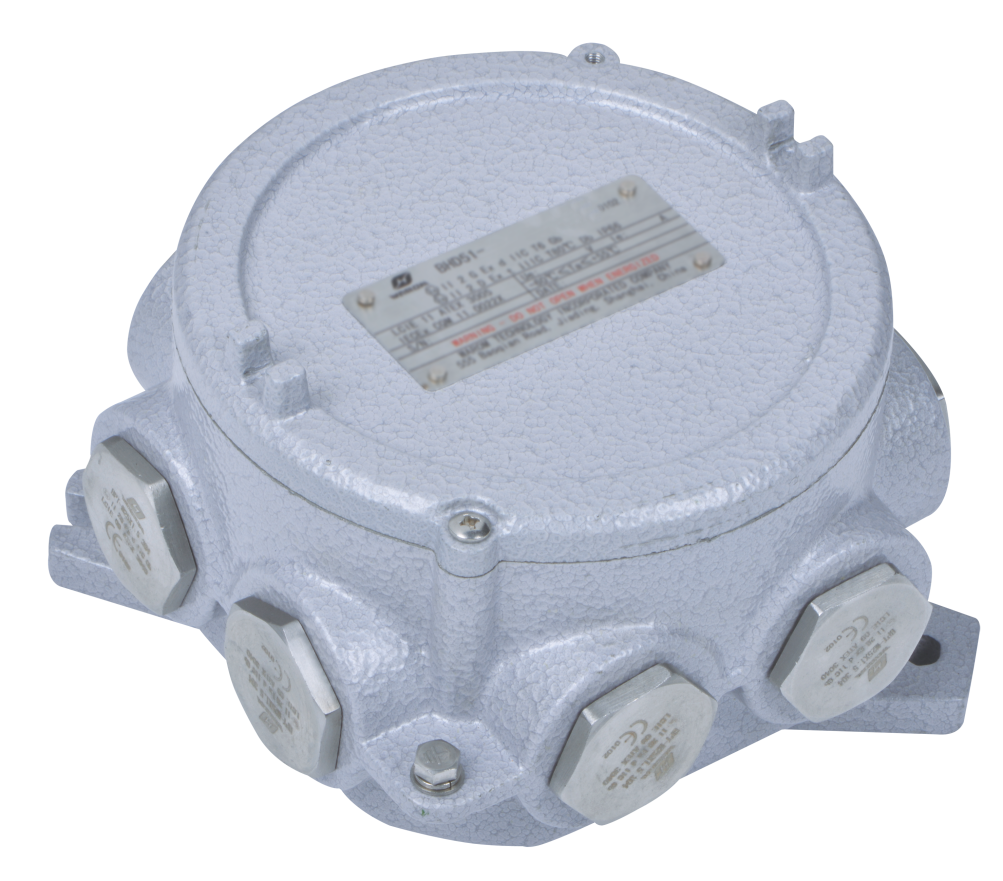
NPT entries with sealing washers and locknuts form a mechanical joint that handles vibration well when the locknut is torqued correctly. Under-torqued locknuts remain one of the most common leaks we find during installation audits.
Installation Practices That Preserve the Seal
Correct installation starts with the cable preparation. The outer jacket must extend far enough into the gland so that the sealing ring compresses against the jacket, never against the inner conductors or the gland threads. Strip lengths from the gland data sheet override general shop habits, because each gland model places its seal at a slightly different depth.
For compound sealing glands, the resin or putty mixture must be mixed completely and poured at the temperature the manufacturer states. Partial mixing produces a seal that looks complete but traps voids and moisture paths. I have opened failed outdoor terminations where the seal material never cured fully because the installer stopped mixing too early. The repair is a new gland, so the labor saved during installation is lost later at much higher cost.
Gland torque matters. A gland tightened too hard splits the cable jacket or the seal, while one left loose permits water tracking along the cable. When a torque value is published, use it. When it is not, tighten until the sealing ring visibly deforms around the jacket, then stop; further tightening does not improve the seal on most compression designs.
Entry orientation also matters. Bottom entries drain by gravity, side entries need a small drip loop outside the enclosure, and top entries are the most vulnerable because water collects directly above the gland. For new outdoor panels, I specify bottom or side entries wherever the layout permits, and I reserve top entries for conduit risers that are sealed independently.
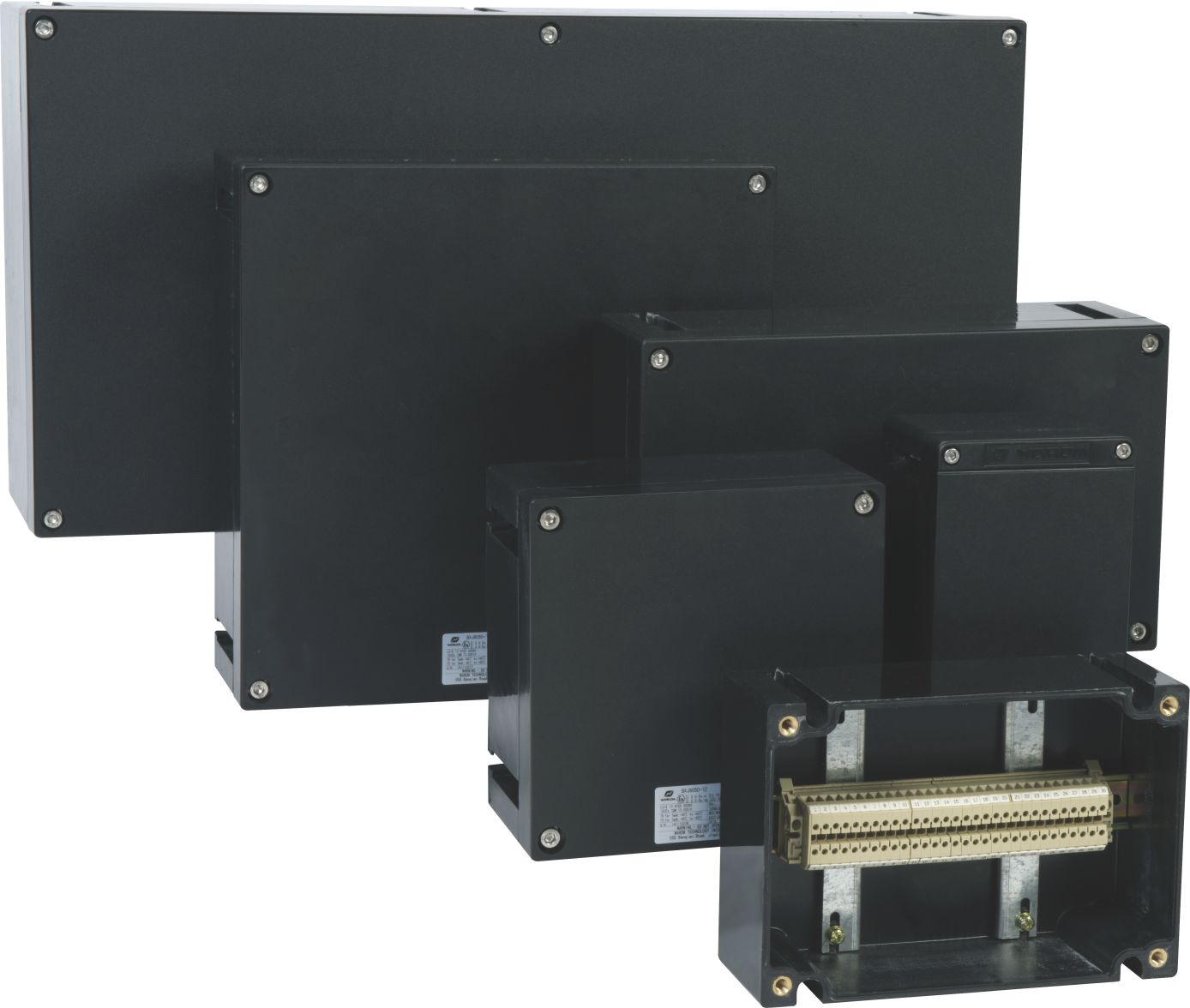
Where outdoor feeders connect into distribution assemblies, <Explosion Proof Wiring: Essential Standards for Industrial Safety> explains termination and wiring practices that keep weather-exposed and hazardous circuits safe.
If your program involves mixed cable sizes or existing enclosures with nonstandard threads, it is worth confirming the entry thread and clamping range before finalizing the bill of materials. Send your enclosure thread details and cable diameters to gm*@***om.com and we will confirm the matching gland.
Outdoor Gland Failure Modes and Inspection Checks
As outdoor glands age, failures follow predictable patterns. Water ingress at the cable entry is the most common, and it usually traces back to either a wrong clamp range or a seal that lost compression in cold weather. Vibration loosening is second, especially on machinery, pumps, and crane services. Corrosion of the gland body appears in coastal and chemical plants where an uncoated brass or steel part was specified to save cost. UV cracking of polymer parts shows up after several years of direct sunlight.
Inspection takes three readings within minutes. First, look for water stains below the gland and inside the enclosure near the entry. Second, push the cable gently side to side at the gland to feel for movement; a correctly sealed cable should not shift inside the clamp. Third, check the gland body and locknut for cracks, rust, or stretched threads. If the cable can rotate inside the gland, the seal has already failed even if the enclosure looks dry.
We also recommend photographing gland entry points during commissioning. The photographs give the maintenance team a baseline for later inspection and make changes visible, such as cable movement, added cables installed in the wrong entry, or damaged sealing washers after mechanical work.
For port crane and coastal outdoor installations, <Weatherproof Products for Port Cranes: Ensuring Marine Reliability> covers salt spray, vibration, and sealing choices for cable and equipment in marine service.
Specifying Weatherproof Cable Glands for Project Purchasing
Specifying for purchase means giving the supplier the same details the designer had. A request that reads “weatherproof cable glands, M20, 20 pieces” leaves the clamp range unconfirmed and creates a risk the supplied gland will not fit your cable. The useful line item includes cable outside diameter, number of cores, cable construction such as armoring or screen, entry thread, ambient temperature range, exposure conditions, and the required IP rating.
WAROM product data for its DQM cable gland series, for example, lists thread type, clamping range, seal material, and a temperature span from -60°C to +90°C with IP66 protection. That level of detail lets a specifier check the gland against the cable data sheet before ordering. We ask buyers to send the exact cable jacket diameter measured with a caliper, because jacket diameters can vary between manufacturers for the same conductor count.
For outdoor projects with mixed entries, ordering glands only after the full cable schedule is frozen prevents substituting models at site. If an enclosure drawing shows an entry that cannot accept the planned gland, resolving that clash in the drawing phase costs days; resolving it during commissioning costs weeks.
Persistent moisture in outdoor enclosures usually points back to a gland, and the fix is slower and more expensive than getting the entry right at order stage. If your next outdoor installation involves mixed cable diameters, coastal exposure, or existing enclosures with nonstandard threads, send the cable schedule and enclosure entry details to gm*@***om.com or call +86 21 39977076 or +86 21 39972657 and we will confirm the matching gland specification before you buy.
What Buyers Ask Before Ordering Weatherproof Cable Glands
Can I use an IP68 gland for every outdoor installation?
IP68 is not automatically the best choice. The rating applies to continuous immersion under manufacturer-defined depth and duration, which outdoor above-ground installations rarely need. An IP66 gland that stops powerful water jets often costs less and is easier to inspect than an IP68 unit designed for submersible service. Match the rating to the real exposure: above-ground outdoor panels generally need IP66, while underground or flood-prone pits justify IP68. The lower rating is not a downgrade when the site never submerges the gland.
Do I need a brass or stainless steel gland if the enclosure is plastic?
A common assumption is that the enclosure material sets the gland material. It does not. The gland must survive its own exposure, so a plastic enclosure mounted on a seaside plant can still require a nickel-plated brass or stainless steel gland to avoid thread corrosion. A metal enclosure in a clean inland site may pair with a high-quality UV-stabilized nylon gland. Choose the gland by the atmosphere, temperature range, and cable load, not by matching the box.
Why do some weatherproof glands include a sealing washer and locknut?
It depends on the entry configuration and enclosure wall. The washer and locknut create the mechanical seal at the entry thread. Without them, water can track along the threads even when the gland body is tight on the cable. The locknut compresses the washer against the enclosure wall, while the gland body contains the cable seal. In sheet steel or plastic enclosures, the washer also spreads load and reduces thread damage. If a site has a history of water inside enclosures, check the locknut torque and washer condition before changing the gland.
What should I check before ordering a replacement gland for an existing enclosure?
In retrofit programs we have supported, the original entry is the real specification. Read the existing thread, not just the hole diameter, because an M25 hole and an M25x1.5 thread are different things. Measure the cable jacket where the gland sits, record the enclosure wall thickness if a locknut and washer are used, and note whether the original gland shows signs of UV or chemical attack. If the thread is unmarked or damaged, send a clear photo with the cable diameter to gm*@***om.com and we will identify the replacement before you buy.
If you’re interested, check out these related articles:
What is Portable Explosion Proof Lighting? An Expert Guide
Offshore Wind: Explosion Proof Electrical Safety Solutions
Explosion Proof Floodlights for Hazardous Industrial Areas
With over a decade of experience, he is a seasoned Explosion-Proof Electrical Engineer specializing in the design and manufacture of safety and explosion-proof products. He possesses in-depth expertise across key areas including explosion-proof systems, nuclear power lighting, marine safety, fire protection, and intelligent control systems. At Warom Technology Incorporated Company, he holds dual leadership roles as Deputy Chief Engineer for International Business and Head of the International R&D Department, where he oversees R&D initiatives and ensures the precise delivery of design documentation for international projects. Committed to advancing global industrial safety, he focuses on translating complex technologies into practical solutions, helping clients implement safer, smarter, and more reliable control systems worldwide.
Qi Lingyi