

Explosion proof cable glands are the firewall between a hazardous atmosphere and the electrical wiring that enters an enclosure. When a gland fails, it creates a direct ignition pathway — not a theoretical risk, but a real one I have seen in decades of field returns and project inspections. The failures are rarely about bad product engineering. Nearly every one we have investigated traces back to mismatched cable selection, overlooked environmental conditions, or installation practices that skipped a critical step. This article walks through the failure modes that matter, the gland characteristics that prevent them, and the practical checks your team can apply before installation.
Common Failure Modes in Explosion Proof Cable Glands
A gland that carries an Ex d or Ex e certification has one job: maintain the integrity of the enclosure’s protection method. Failures happen at the flame path, through ingress, or when mechanical force overloads the design. The most damaging ones I have seen from field returns include:
Flame path compromise. The machined gaps inside a flameproof gland are designed to cool escaping gases below the ignition temperature of the surrounding atmosphere. Even a tiny scratch across the flame path surfaces, over-tightening that deforms the bore, or corrosion pitting in the flame gap will widen that gap and allow a flame transmission. In one batch of glands returned from a Middle Eastern gas processing plant, the internal bore had been scored by grit trapped in the cable armour — the installer had not cleaned the cable before pulling it through. The flame path was destroyed.
Moisture and dust ingress. An IP66 gland with properly selected sealing washers will keep water and dust out, but only if the cable outer sheath matches the gland’s clamping range. I have seen installations where a gland rated for a Ø12.5–20.5 mm cable was used on a cable with a 11.8 mm sheath — the sealing washer never compressed fully, and within a wet season the enclosure was half full of water. For dust-ignitionproof applications under Zone 21 or 22, that pathway also brings combustible dust directly into the terminal chamber.
Corrosion beneath the gland nut. In coastal and offshore environments, standard brass glands with a nickel-plated finish will eventually suffer dezincification if the plating is compromised by a wrench slip or abrasive blast residue. The resulting corrosion product fills the flame gap and locks the gland, making future removal destructive. Stainless steel 316 or high-grade nickel-plated brass glands with full traceability drastically reduce this risk, and I recommend them without hesitation for any installation within 5 km of salt water exposure.
Incorrect armoured cable clamping. For SWA (steel wire armoured) cables, the gland must divert fault current through the armour to earth. In glands where the armour cone is misaligned or the locknut was not tightened to the manufacturer’s torque value, the earth path becomes high-resistance. I have opened distribution boxes where the gland body was discoloured from heat — the armour connection had arced during a cable fault because the locknut had loosened over two years of vibration.
Missing or reversed sealing washers. A flameproof gland relies on a compression seal around the inner sheath to stop gas migration through the cable interstices. If the installer forgets the washer or places it on the wrong side of the clamping cone, the gland still looks assembled but provides no seal. We have identified this issue in several post-incident inspections where the enclosure was correctly certified but the cable entry was the gas pathway.
Selecting Glands That Withstand Real Operating Conditions
Choosing the right explosion proof cable gland starts with three questions your specification sheet must answer before you order: What is the exact outside diameter of the cable, including any bedding or filler? What is the cable construction — armoured, braided, or unarmoured? And what ambient conditions will the gland face for its full service life?
Material selection sits at the core of that third question. The table below summarizes what I consider the minimum starting point for different environments:
| Environment | Recommended Gland Material | Key Benefit |
|---|---|---|
| Indoor, dry industrial | Brass, nickel-plated | Cost-effective, adequate corrosion resistance |
| Outdoor, non-coastal | Nickel-plated brass or stainless steel 316 | UV and moisture resistance |
| Offshore / coastal | Stainless steel 316 or high-grade nickel-plated brass with full traceability certs | Dezincification resistance, long-term flame path stability |
| Corrosive chemical plant | Stainless steel 316 or special alloys per process fluid | Resistant to process-specific chemical attack |
| High-temperature (>80 °C ambient) | Stainless steel with appropriate temperature class elastomers | Maintains mechanical properties and seal integrity |
Beyond material, the gland’s certification marking tells you exactly what it was tested for. Look for the Ex protection method — Ex d IIC for flameproof applications in hydrogen environments, Ex e II for increased safety in Zone 1 or 2 — and verify the certificate covers the cable type you are using. An IECEx or ATEX certificate that only lists unarmoured cable coverage cannot be applied to an armoured installation, and I have seen EPC contractors miss that during material submittal review. If your project spans both IEC and NEC territories, confirm whether you need metric (M) or NPT threads — adapting one to the other with a thread converter voids the certificate.
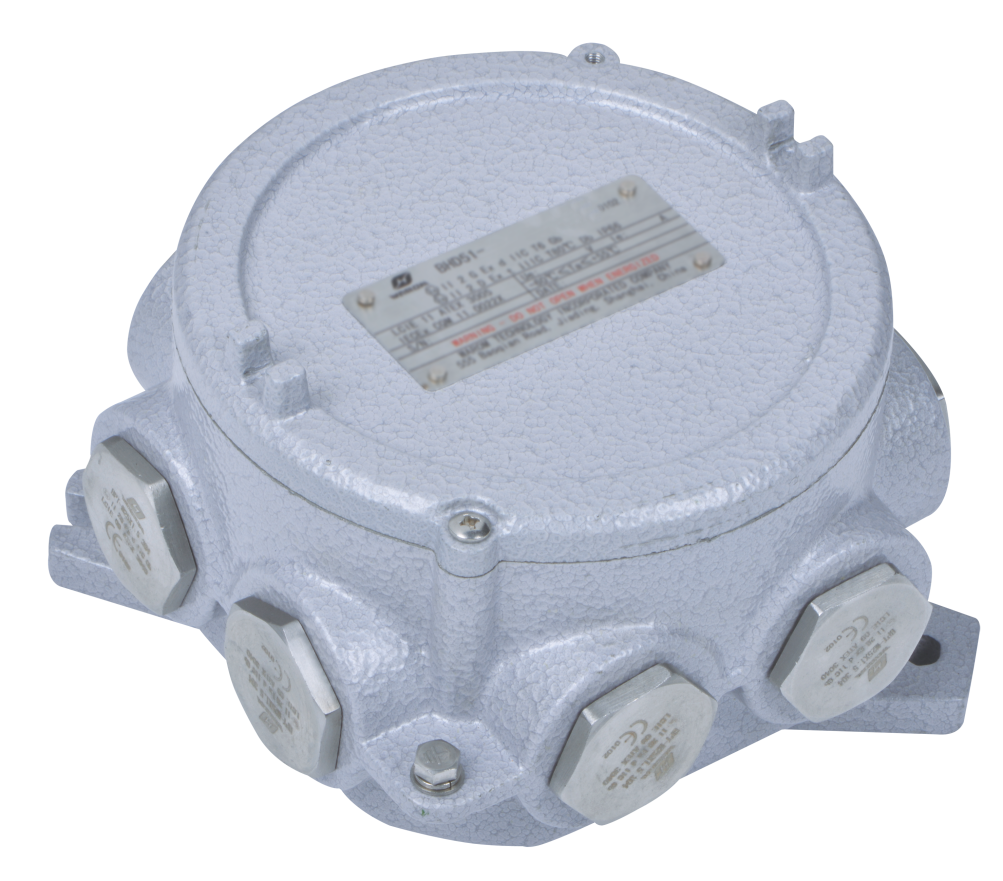
A common mistake I encounter at the specification stage is treating the gland as a commodity. For a planned project with 600 cable entries across 12 distribution boards, a 15% failure rate due to underspecified glands means 90 enclosures potentially open to the hazardous atmosphere within two years. That risk is not worth a unit-cost saving of two dollars per gland. Match the gland’s clamping range precisely to your cable’s measured OD, specify the correct armour clamping mechanism, and require material certificates for any installation where corrosion can compromise the flame path.
Installation Practices That Prevent Gland Failures
Even a correctly specified gland will fail if it is installed without controlling torque, sealing steps, and cable preparation. The following practices are what I require on every WAROM project installation and recommend to any team installing explosion proof cable glands:
Measure the cable outer diameter at the point of entry. Do not rely on the manufacturer’s nominal cable specification; manufacturing tolerances can put the actual OD at the edge of the gland’s clamping range. Use a digital caliper on the cable end after stripping the outer sheath only as far as necessary.
Clean the cable before inserting. Grit, metal shavings, and drilling debris will score the inner bore of the gland during cable pulling. Wipe the cable outer sheath and, for armoured cables, clean the armour wires thoroughly before positioning the gland over the cable.
Apply torque with a calibrated torque wrench, not an adjustable spanner. Each manufacturer publishes torque values for the clamping nut, back nut, and earth connection. Over-torquing that deforms the sealing cone by even 0.3 mm will compromise the IP seal and, in a flameproof gland, can close the flame gap enough to invalidate the flame path certification.
Do not interchange sealing washers between gland sizes. A washer from an M20 gland will not seat correctly in an M25 entry, even if it looks close. Stock each washer by part number and gland range.
If your program involves multiple cable types across a single project — for example, both armoured and unarmoured cables entering the same distribution cabinet — it is worth confirming the exact gland model for each entry point before ordering. Reach out at gm*@***om.com with your cable schedule and we will cross-check the gland specifications.
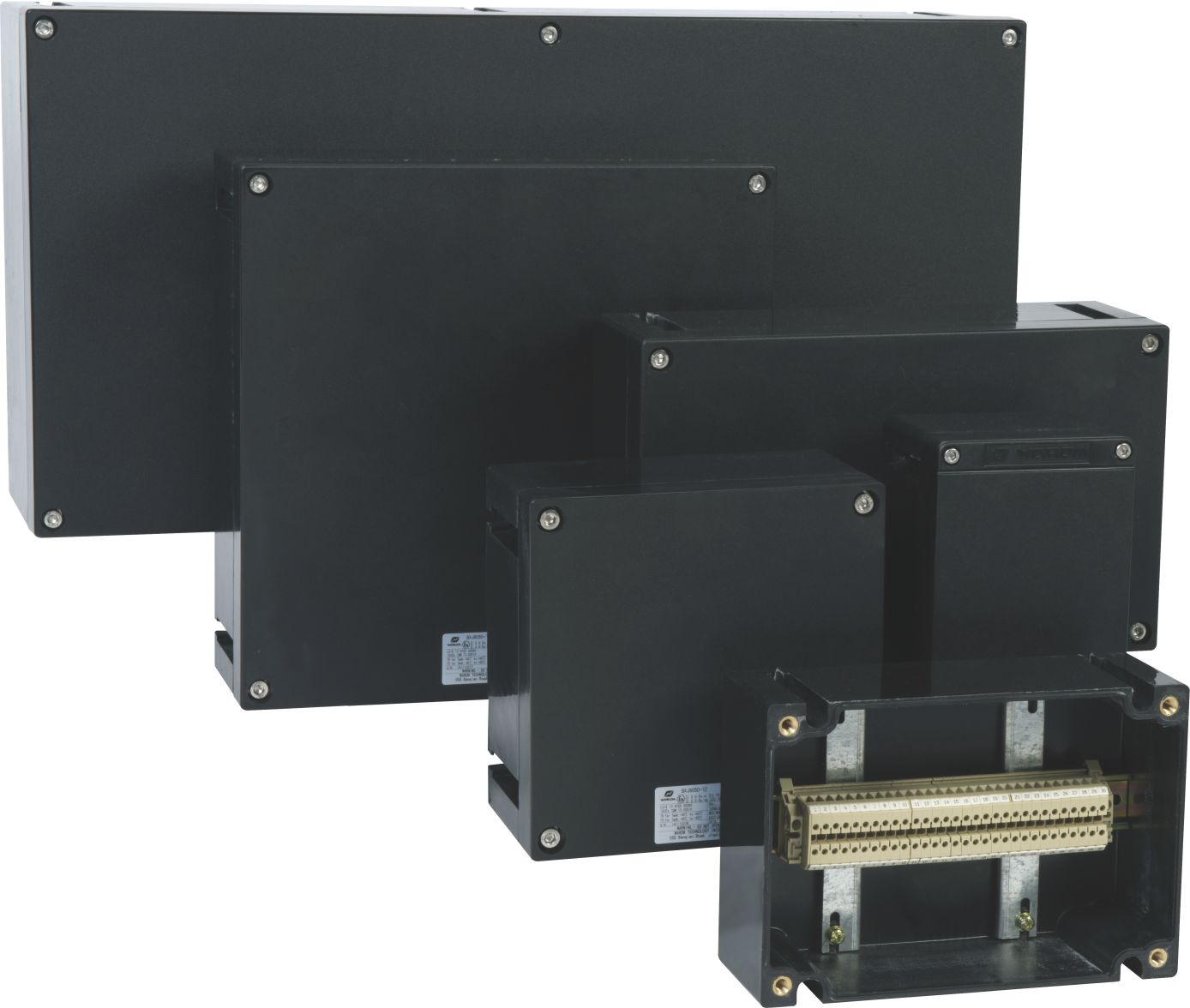
Verify the earth bond after assembly. For armoured cable glands, measure the resistance from the gland body to the cable armour using a low-resistance ohmmeter; any reading above 0.1 Ω after the gland is tightened is a reason to disassemble and inspect the armour clamping mechanism.
Protect installed glands during construction. Temporary caps or plugs should remain in place until cable pulling is complete. Open gland entries that sit for weeks during construction will collect dust, rain, and paint overspray that damage the flame path before the system is even commissioned.
Inspection and Maintenance to Avoid Early Failures
Explosion proof cable glands are often treated as “fit and forget” components, but I have learned that a schedule of visual and resistance checks is as important for glands as it is for the enclosures themselves. A gland exposed to daily sun, salt spray, or process vibration will degrade in ways that are detectable long before they create an ignition hazard.
Run a baseline inspection six months after commissioning, then annually for outdoor or vibration-prone locations. For indoor clean-environment installations, a two-year interval is usually sufficient. Check:
- The gland body and nut for signs of crevice corrosion or dezincification (look for white powdery deposits on brass).
- The condition of the cable sheath immediately adjacent to the gland — hardening, cracking, or shrinkage means the IP seal may be lost.
- The tightness of the locknut by applying the manufacturer’s minimum torque; a loose locknut is a leading cause of earth path failures on armoured glands.
- The condition of any sealing washer visible at the entry.
When a gland shows corrosion cracking or visible flame path damage, replace it — do not attempt to clean the flame path with abrasives. The dimensional tolerances are in the micron range, and even fine-grade emery cloth will alter the gap.
For projects where maintenance accessibility is critical — such as offshore platforms or remote wellpads — I recommend selecting glands with a full material traceability certificate, which provides a clear record of the alloy and plating batch. When a corrosion problem is identified on one gland, a traceable batch allows you to scope the inspection to the specific installation dates and positions, rather than opening every enclosure on the facility.
Sourcing Glands from a Reliable Supplier
The final layer of failure prevention is supply chain integrity. I have seen counterfeit explosion proof glands enter projects through third-party resellers — the markings and documentation are convincing, but the internal machining is rough and the material is standard commercial brass without the required nickel content.
When you source explosion proof cable glands, require three things before acceptance: a valid ATEX, IECEx, or CNEX type examination certificate that matches the gland marking exactly; a material certificate for the metal body (at minimum confirming the alloy grade); and a verification that the certificate holder is the actual manufacturer. Certificates that have been transferred between entities with no manufacturing relationship are a red flag.
If you are responsible for a large-scale EPC project or maintenance program where cable gland failures represent a safety and schedule risk, having a single supplier that can provide technical selection support, material traceability, and pre-shipment inspection coordination becomes the simplest way to reduce that risk. For your next order or if you are reviewing your gland specifications, send your cable schedule and required certifications to gm*@***om.com or call +86 21 39977076. We will confirm the correct gland type, material, and certification for your hazardous area classification and cable construction, and arrange any necessary documentation before shipment.
Common Questions About Explosion Proof Cable Gland Reliability
How often should explosion proof cable glands be inspected?
In outdoor or corrosive environments, I recommend at least annually. For indoor, climate-controlled installations, a two-year interval is generally sufficient unless the equipment is subject to vibration or thermal cycling that can loosen the gland nut. The first inspection at six months after commissioning catches early installation issues that may not have been visible at handover.
Can I reuse a cable gland after removing the cable?
In most cases, no — and the reason is the flame path. During initial assembly, the clamping cone compresses around the cable sheath. On disassembly, the cone’s sealing surface and the inner bore are often scratched or deformed, and the flame path clearance can shift outside the certified tolerance. Unless the manufacturer explicitly provides a reusability statement with dimensional re-check criteria, treat the gland as single-use.
What certification is essential for an explosion proof cable gland?
At minimum, the gland must carry an ATEX, IECEx, or national equivalent certificate covering the protection method (Ex d, Ex e, Ex nR) and gas group (IIA, IIB, IIC) for the hazardous zone where it will be installed. If the installation involves combustible dust, the certificate must also include a dust ignition protection rating. Do not accept a certificate that only covers the enclosure side — the certificate must explicitly list the cable types and cable diameters the gland was tested with.
Why do armoured glands have separate earth connections?
An armoured cable gland must provide a low-impedance path for fault current to earth through the cable armour. The internal armour cone locks the steel wires mechanically, while the earth ring or external earth tag completes the electrical connection to the gland body, which connects to the enclosure’s earthing system. When the earth connection is loose or missing, a cable fault can raise the gland body to line voltage without tripping the protective device.
How can I confirm I am ordering the right glands for my next project?
The safest approach is to have a manufacturer review your cable schedule and hazardous area plan before you place the order. Send your cable types, outer diameters, armour construction, and zone classifications to gm*@***om.com. We will confirm the correct gland model, thread type, and material for each entry point, and supply the matching certifications so your installation team has one less thing to verify on site.
If you’re interested, check out these related articles:
Offshore Wind: Explosion Proof Electrical Safety Solutions
WAROM at the 139th Canton Fair 2026
Explosion Proof Distribution Box: Glands vs Conduit for Safety
Explosion-Proof DOL Motor Starters: Essential Specifications and Selection
IP64 Rating Guide: Practical Device Protection Tests
With over a decade of experience, he is a seasoned Explosion-Proof Electrical Engineer specializing in the design and manufacture of safety and explosion-proof products. He possesses in-depth expertise across key areas including explosion-proof systems, nuclear power lighting, marine safety, fire protection, and intelligent control systems. At Warom Technology Incorporated Company, he holds dual leadership roles as Deputy Chief Engineer for International Business and Head of the International R&D Department, where he oversees R&D initiatives and ensures the precise delivery of design documentation for international projects. Committed to advancing global industrial safety, he focuses on translating complex technologies into practical solutions, helping clients implement safer, smarter, and more reliable control systems worldwide.

Qi Lingyi