

Zone 1 explosion proof air conditioners are as much a certification decision as a cooling decision. A unit with a Zone 1 certificate is not a standard air conditioner in a heavier cabinet. It is built so that arcs, hot surfaces, motors and internal faults cannot act as an ignition source where gas or vapour may be present during normal operation. In my experience reviewing hazardous area HVAC packages, most specification errors happen before the first quotation: the area classification, gas group, temperature class and cooling load are treated as separate topics instead of one system boundary.
What Does Zone 1 Certification Actually Require From an Air Conditioner?
Zone 1 is defined in IEC 60079-10-1 as a place where an explosive gas atmosphere is likely to occur occasionally in normal operation. That wording drives the certification path. Equipment for Zone 1 must be certified under a recognized scheme, normally ATEX 2014/34/EU for Europe, IECEx for global projects, or the relevant national route such as CNEX for China and UL or CSA for North American Division systems. A nameplate that only says “explosion proof” is not enough.
For an air conditioner, the certificate must state the protection concept, gas group, temperature class and equipment protection level. A common marking is Ex db eb IIB T4 Gb. Ex db covers flameproof compartments around the compressor or contactor, Ex eb covers increased safety on terminal chambers, IIB or IIC shows gas group suitability, T4 means maximum surface temperature stays below 135°C, and Gb confirms Zone 1 suitability. I always ask for the certificate schedule and drawing list with the quotation. If the certificate does not list the exact model and electrical ratings, the unit has not been selected for the application.
A T4 unit cannot serve a location with carbon disulphide or another low autoignition gas unless the certificate covers the required temperature class. The same applies to hydrogen service, where the IIC gas group matters as much as the T class. Zone 1 also requires equipment protection level Gb. A unit marked only Gc belongs to Zone 2.
How Do You Size and Select a Zone 1 Air Conditioner?
Sizing starts with total heat load: solar gain, wall transmission, process equipment, lighting, analyzers, UPS and personnel. Every watt consumed inside the room becomes sensible heat. The manufacturer’s cooling capacity at 35°C ambient is not the capacity at 50°C or under duct static pressure. In desert or compressor station sites, derate the nominal cooling capacity. Undersized units run continuously and push room temperature above the certified electronics limit. Oversized units short-cycle in cool weather, which produces condensation, unstable temperature and compressor stress.
Protection method is the second selection branch.
| Protection concept | Typical function in a Zone 1 air conditioner | What to verify | Limitation |
|---|---|---|---|
| Ex d flameproof | Compressor, contactor and control enclosure | Flame path drawings, gap tolerances, certificate schedule | Heavy, limited heat exchange surface |
| Ex e increased safety | Terminal chamber, motor connections and gland plate | IP66, creepage and clearance, tightening torque | Not sufficient alone for arcing contacts or a compressor |
| Ex p pressurized | Packaged AC skids, control rooms or analyzer shelters | Purge sequence, pressure-loss interlock, alarm contact | Needs clean instrument air or nitrogen supply |
| Ex m encapsulated | Sealed circuits and small electronic boards | Temperature class, encapsulation conditions | Not suitable for compressor duty or high heat loads |
Do not accept Ex nA or Ex nR marking for Zone 1. Those concepts belong to Zone 2. In oil and gas projects, I see bid sheets where a Zone 2 air conditioner is offered against a Zone 1 requirement because it is cheaper. The cost difference disappears when the certifying authority rejects the package.
Why Do Installation, Ducting and Site Conditions Decide Whether the Unit Stays Compliant?
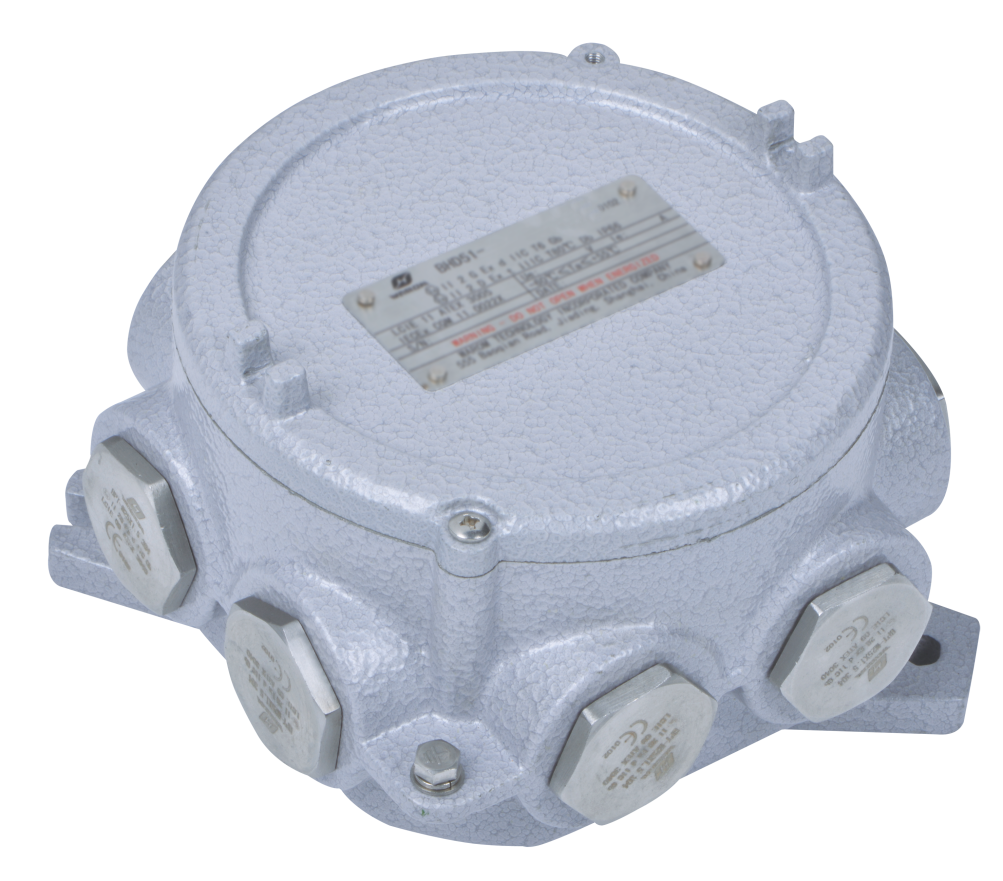
Certification covers how the air conditioner leaves the factory. The site can defeat it. Cable entry is the first point. Zone 1 air conditioners need Ex d or Ex e glands matched to the cable type, with flameproof threads or sealing rings where required. Conduit systems need seals to stop gas migration. A missing seal is a certification break, not a cosmetic issue.
Mounting is the second point. Wall-mounted units need a flat surface and enough clearance for airflow and flame path inspection. Split systems must keep pipe runs at the correct height, diameter and support spacing. Long refrigerant lines reduce capacity and can affect oil return. Ducted units must account for static pressure. A unit rated 5 kW at zero static will deliver less once it pushes air through filters, louvers and ductwork.
Coastal and desert sites add another variable. Salt, sand and high humidity attack fins and electrical connections. If the cabinet has an IP66 rating but the condenser is exposed, confirm the corrosion class and protective coating. In LNG terminals and offshore platforms, the same ambient specification that applies to lighting and junction boxes applies to the air conditioner. For Zone 1 explosion proof air conditioners installed inside pressurized electrical buildings, room pressurization is not a substitute for a certified unit at the classified boundary.
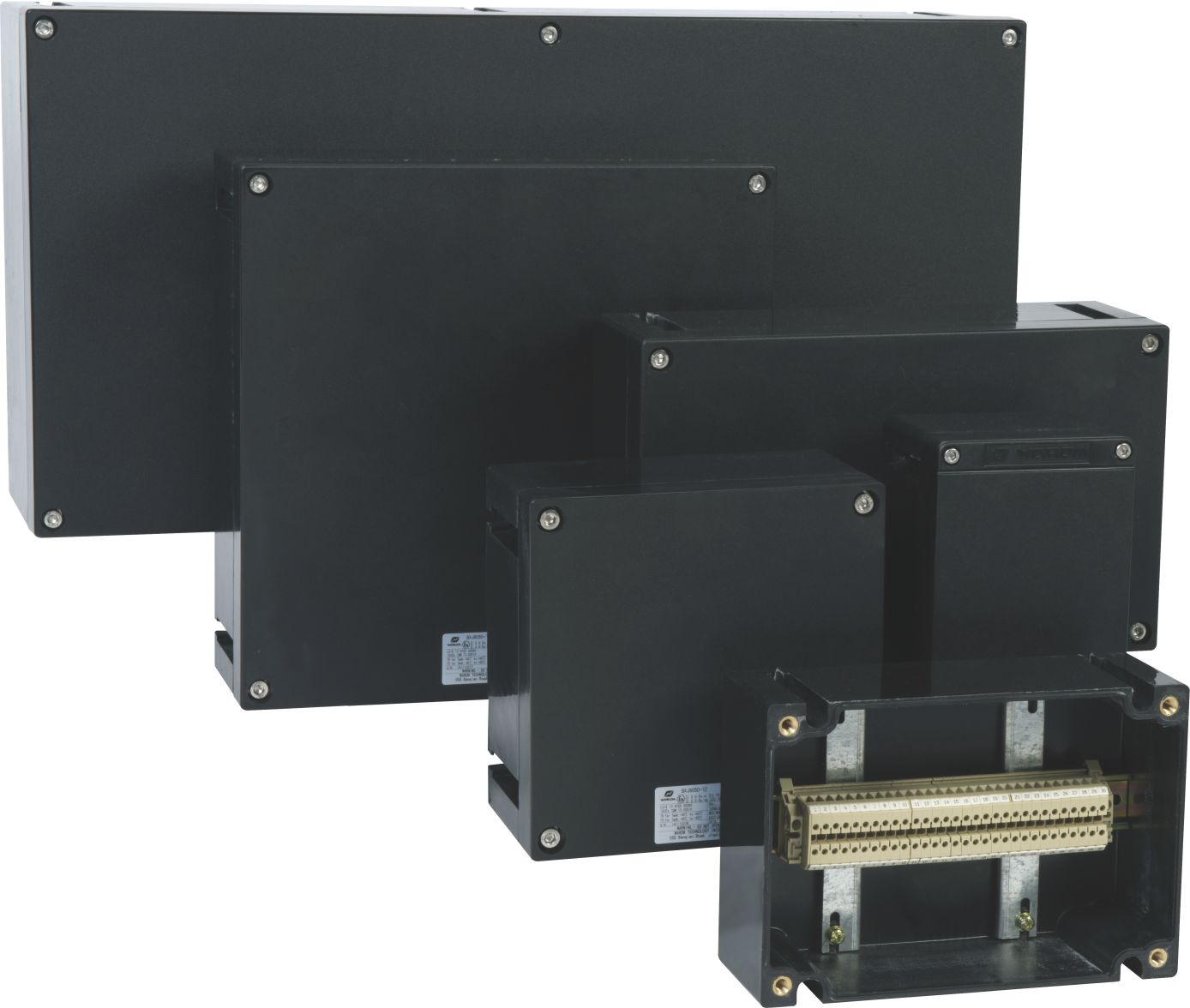
LNG terminals often specify Zone 1 air conditioners for analyzer shelters and local equipment rooms. <Explosion-Proof High Mast Lighting for LNG Terminal Safety> covers how site-level ambient and corrosion factors are assessed for hazardous area electrical equipment.
If your project mixes Zone 1 and Zone 2 areas, includes Group IIC gas, or sits on a high-corrosion coastal site, the certificate schedule and enclosure material should be checked before you finalize the bill of materials. Send the area classification drawing, cooling load and site ambient range to gm*@***om.com, and we will check the certificate against the actual gas group, temperature class and installation conditions.
How Do You Compare Zone 1 Air Conditioner Suppliers Without Overlooking Certification Gaps?
Price comparison only works after the certificate and application basis are equal. I compare suppliers on five points: certificate validity, gas group and temperature class coverage, certified electrical ratings, ambient and corrosion rating, and factory acceptance test documentation.
Ask for a copy of the current certificate with its schedule, not a brochure. Check the certificate number against the issuing body database. Verify that the model number on the quotation matches the certificate. If the certificate shows IIB/T4 but the specification needs IIC/T4 or T6, the unit is not compliant. Also check whether the supplier will supply a test report, gland schedule, wiring diagram and installation manual with the delivery. A complete documentation package separates a project supplier from a catalogue seller.
In the Tilenga project in Uganda, the package scope included wellpads, CPF and pipelines, and the electrical systems had to meet zero safety incident objectives under tough environmental conditions. The same packaging discipline applies to Zone 1 HVAC: every subcomponent must be traceable to a certificate before site acceptance. In a pharmaceutical API plant project, we coordinated with the design institute and owner before delivery, which removed most of the site change requests that normally appear after shipment.
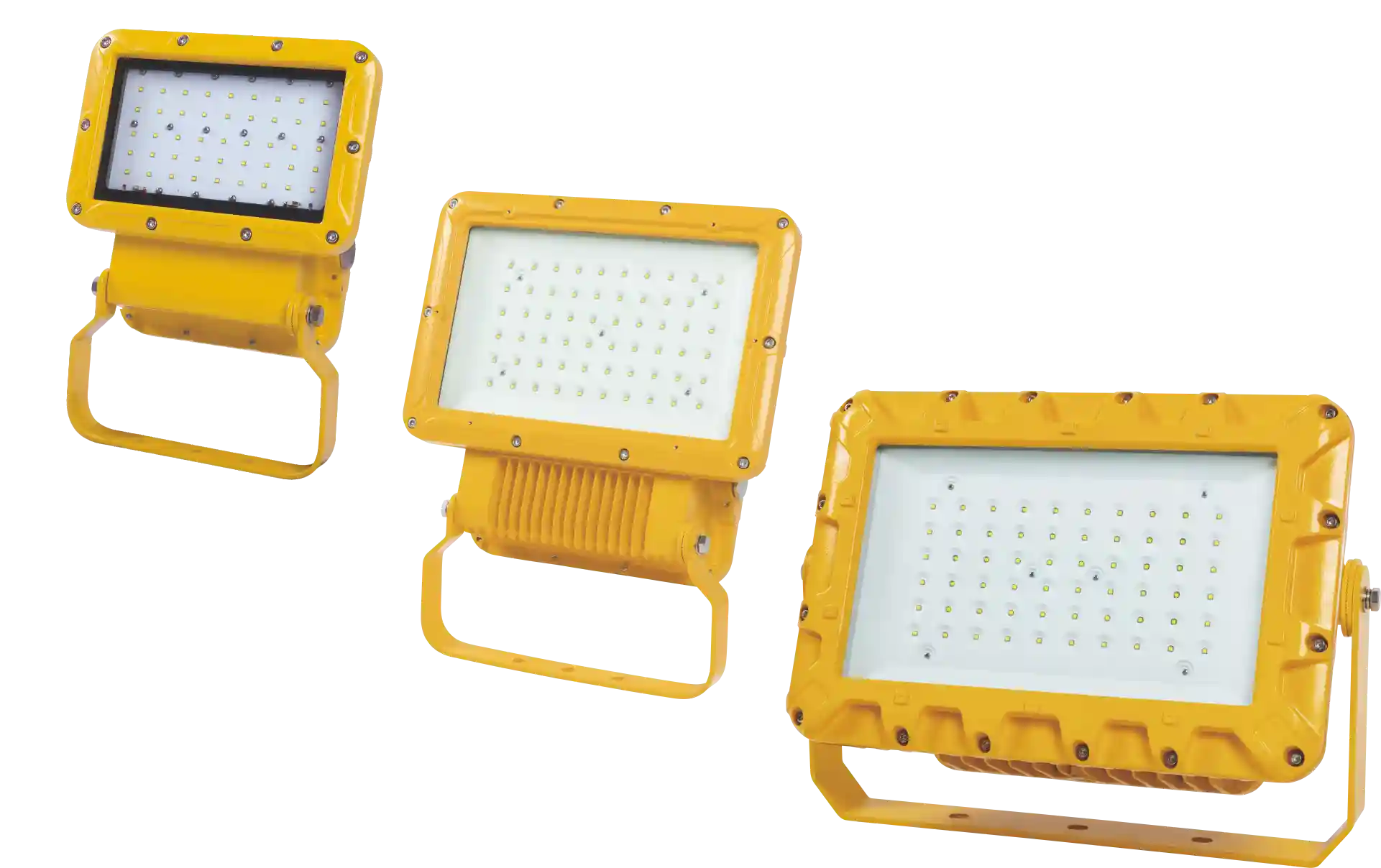
Zone 1 cooling packages often sit beside lighting and other hazardous area electrical equipment evaluated with the same parameters. <Explosion Proof LED Floodlights: Enhancing Safety and Efficiency> covers how heat, driver protection and temperature class are managed in LED luminaires, which helps when checking that every adjacent electrical load has matching hazardous area ratings.
What Should You Check Before You Finalize a Zone 1 Air Conditioner Specification?
Specification mistakes become expensive late, normally during installation or factory acceptance testing, when the certified cabinet cannot meet the as-built cooling load, the cable entries no longer match the site glands, or the certificate does not cover the actual gas group. That is why the air conditioner should be treated as part of the hazardous area electrical package, not as a separate commodity.
Before you issue an RFQ, send Warom the room dimensions, internal heat load, ambient range, gas group, temperature class, supply voltage, and any duct or corrosion requirements. We will return a technical proposal with certificate references and a compliance check. Write to gm*@***om.com or call +86 21 39977076 / +86 21 39972657.
What Else Should Buyers Ask About Zone 1 Explosion Proof Air Conditioners?
What is the difference between a Zone 1 and Zone 2 air conditioner?
Zone 1 units use protection concepts rated for atmospheres that may be present during normal operation, such as Ex d, Ex e combinations or Ex p. Zone 2 units can use Ex nA or Ex nR concepts that depend on the gas appearing only briefly and rarely. A Zone 2 unit cannot be certified for Zone 1 simply by changing the nameplate. The enclosure, flame paths, terminal design and certificate are different. If the area classification is uncertain, select Zone 1 equipment or get the classification confirmed in writing before buying.
Can we install a standard air conditioner outside the hazardous area and duct cold air into a Zone 1 room?
Some buyers believe that placing a standard air conditioner outside the classified area makes the whole room safe. That is only true if the room is kept at positive pressure or is otherwise outside the hazardous area boundary. The ducted air path and the room’s internal electrical equipment still need assessment. Long duct runs, pressure instrumentation and gas isolation often cost more than a certified Zone 1 unit installed at the point of use.
How do maintenance requirements compare with standard air conditioners?
In units I have specified, maintenance follows the certificate conditions rather than a generic HVAC schedule. Flameproof lids must be closed with the correct torque, gaskets and flame path surfaces need inspection, and any replacement motor, gland or control board must carry the same certificate. Off-the-shelf spare parts can break compliance. The cooling side still needs fin cleaning, filter changes and refrigerant checks, but the electrical maintenance is driven by the explosion protection certificate.
Which is better for Zone 1: a wall-mounted packaged unit or a split system?
It depends on the room layout and heat load. A wall-mounted packaged unit keeps the refrigeration circuit in one certified enclosure and is often simpler to install in small equipment rooms or analyzer shelters. A split system moves the condenser outside the hazardous area, which reduces indoor noise and keeps the heat rejection clear of the classified space, but the indoor unit still needs Zone 1 certification and the refrigerant piping becomes part of the installation to manage. Share your room dimensions, heat load and site constraints, and we will confirm which configuration fits before you order. Email gm*@***om.com with the layout and we can return the comparison.
If you’re interested, check out these related articles:
Explosion Proof Definition: Essential 2025 Safety Facts
Warom Testing Center successfully passed the CNAS National Laboratory Accreditation Re-evaluation Audit
With over a decade of experience, he is a seasoned Explosion-Proof Electrical Engineer specializing in the design and manufacture of safety and explosion-proof products. He possesses in-depth expertise across key areas including explosion-proof systems, nuclear power lighting, marine safety, fire protection, and intelligent control systems. At Warom Technology Incorporated Company, he holds dual leadership roles as Deputy Chief Engineer for International Business and Head of the International R&D Department, where he oversees R&D initiatives and ensures the precise delivery of design documentation for international projects. Committed to advancing global industrial safety, he focuses on translating complex technologies into practical solutions, helping clients implement safer, smarter, and more reliable control systems worldwide.

Qi Lingyi