

Ex d, Ex e, and Ex n follow three different safety philosophies. Ex d flameproof equipment is designed to contain an internal explosion and stop flame from escaping through a controlled flamepath. Ex e increased safety equipment prevents arcs, sparks, and dangerous hot spots during normal operation so an ignition source is unlikely to appear in the first place. Ex n non-sparking equipment is built for Zone 2 areas where a flammable atmosphere is present only under abnormal conditions. The right choice usually starts with hazardous area classification, then moves to maintenance access, wiring practice, and total project cost.
What Each Protection Concept Actually Does
The three methods are not three quality grades. They are different protective strategies, and the names describe the mechanism rather than the product cost or reliability.
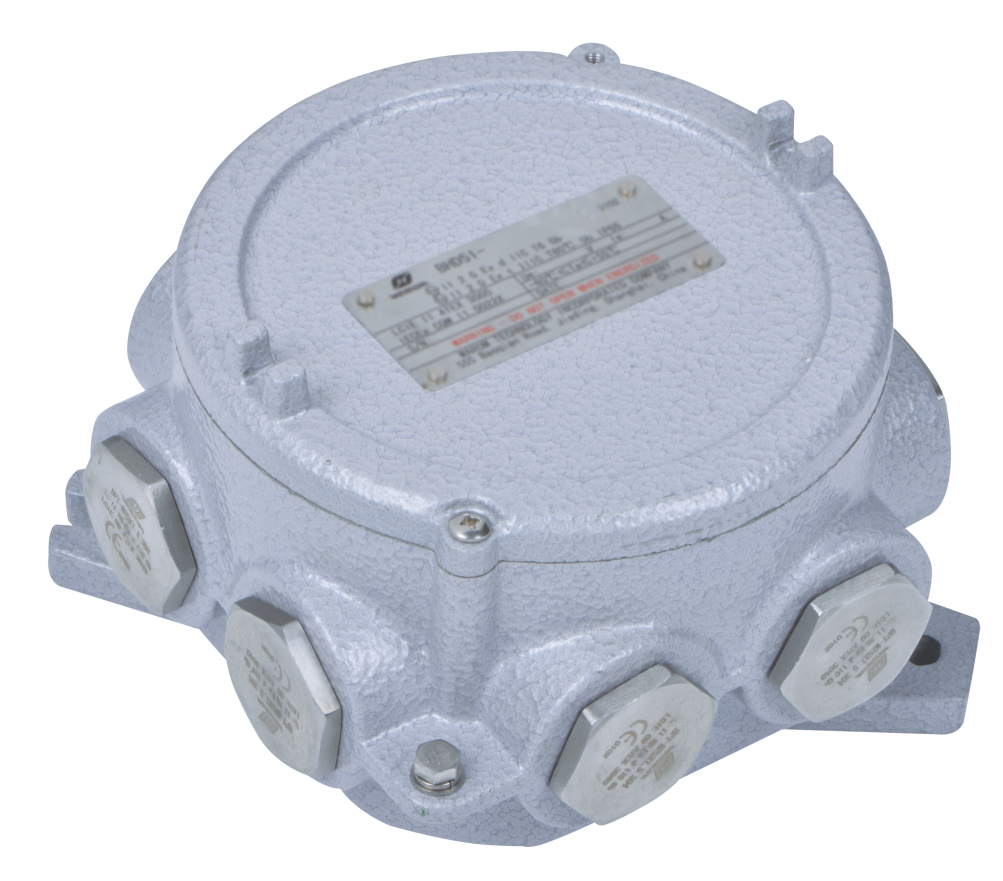
Ex d Flameproof Containment
Ex d equipment works by containment. The enclosure is strong enough to withstand an internal explosion, and the joints between covers, shafts, and cable entries are machined to a precise gap and length. If a fault ignites gas inside, the enclosure holds the pressure, and the flamepath cools the escaping gases enough to prevent ignition outside. The protection remains valid only if the machined surfaces are not damaged, the correct fasteners are used, and any coating on the flamepath is controlled.
Ex e Increased Safety Prevention
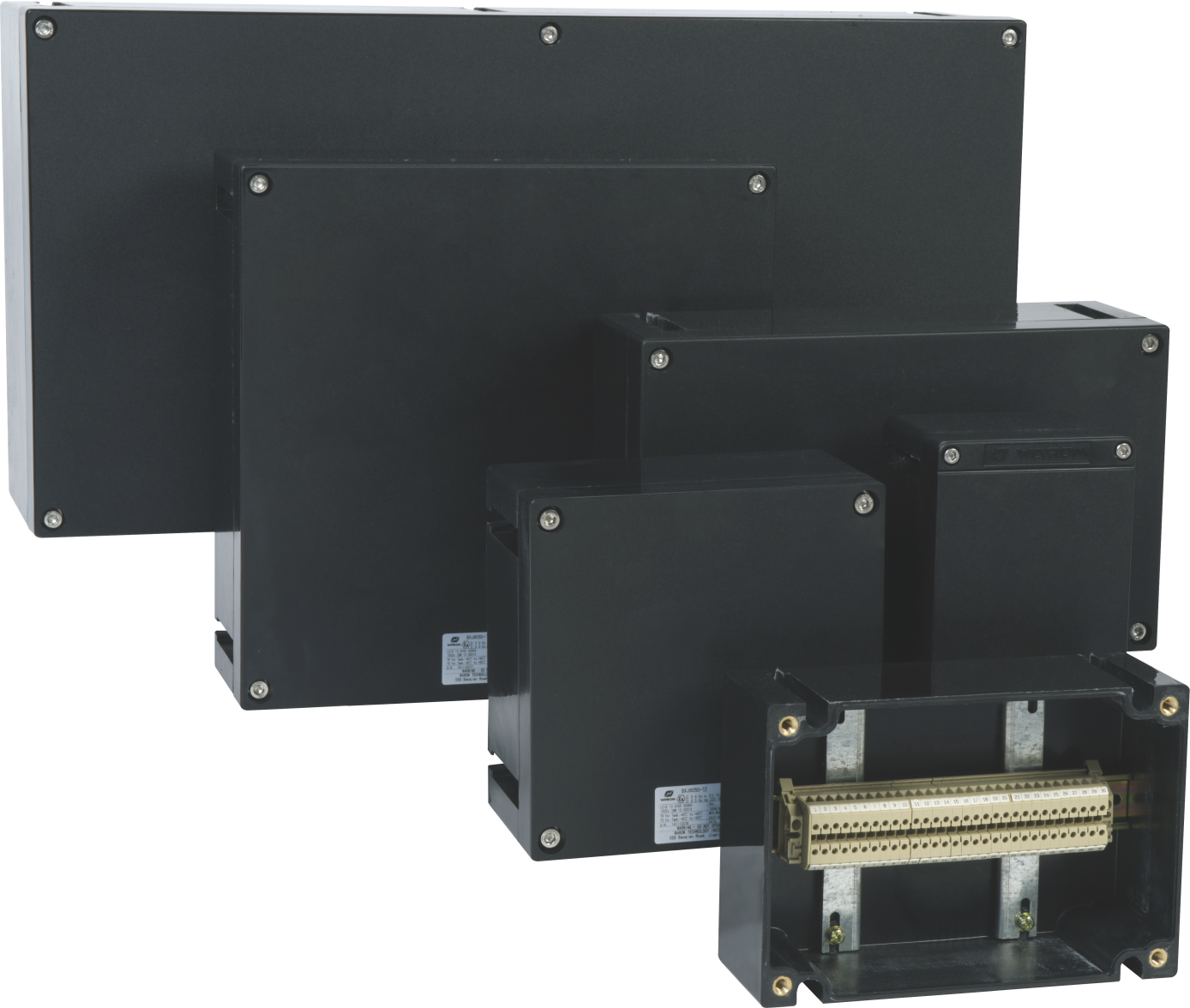
Ex e equipment works by prevention. Insulation, clearance and creepage distances, terminal design, and temperature rise are specified so that no arc, spark, or dangerous hot spot occurs under normal operating conditions. The increased safety concept also covers connection reliability: a loose terminal is a protected fault rather than an acceptable condition. Because Ex e uses a different safety logic, it needs disciplined wiring and a defined inspection plan, but it avoids the weight and tight machining requirements of Ex d.
Ex n Non-Sparking Restricted Application
Ex n equipment is intended for Zone 2, or EPL Gc, where a flammable gas atmosphere is not expected during normal operation and is likely to occur only briefly if at all. Non-sparking design cannot compensate for sparks produced by normally energized switch contacts in a contaminated enclosure, so the equipment must be matched to the actual operation and environment. Ex n is not a first-choice substitute for Ex d or Ex e in Zone 1 or Zone 0.
Zone 1 vs Zone 2 Application Limits
Area classification determines the first filter. Zone 0 requires equipment for continuous or frequent flammable atmosphere and is outside this comparison because Ex d and Ex e equipment are normally not suitable for normal operation in Zone 0. Zone 1 is the normal domain for Ex d and Ex e, where a flammable atmosphere can be present during normal operation or foreseeable faults. Zone 2 permits protection methods such as Ex n because the risk is lower under normal operation, but that permission depends on process conditions, ventilation, release rate, and operational discipline.
| Protection method | Typical zone and EPL | Safety logic | What to verify |
|---|---|---|---|
| Ex d | Zone 1 or 2, Gb or Gc | Contain an internal explosion | Enclosure integrity, flamepath, gas group, T class |
| Ex e | Zone 1 or 2, Gb or Gc | Prevent ignition sources in normal operation | Certified terminals, creepage and clearance, T class, IP rating |
| Ex n | Zone 2 only, Gc | Restricted for normal non-sparking operation | Zone 2 classification, switching limits, enclosure IP rating |
The supplier should not assign an equipment protection method to a zone that the plant area does not have. The zone classification is an input to equipment selection, not something the equipment nameplate creates.
The zone classification only opens the decision; the process conditions and housekeeping standards still shape the final equipment. <Explosion Proof Equipment: Safeguarding Sugar Distilleries and Fermentation Plants> covers how dust and gas risks in processing plants affect equipment selection.
Maintenance and Inspection Differences
Maintenance is where Ex d and Ex e diverge most in field practice. Ex d equipment must be opened carefully and reassembled with the same fasteners, gaskets, and torque as the certified design. A scratched flamepath or a missing bolt is not a cosmetic issue; it can invalidate the protection. Ex e equipment requires attention to internal terminals, torque, and insulation because the protection depends on maintaining low resistance and stable temperature rise. Ex n equipment may use simpler inspection routines, but only within the original Zone 2 boundary and operating restrictions.
| Maintenance item | Ex d | Ex e | Ex n |
|---|---|---|---|
| Opening and reassembly | Critical to protection | Important to wiring quality | Follow manufacturer limits |
| Typical inspection focus | Flamepath, gaps, fasteners | Terminal torque, creepage, clearance | Enclosure condition, operating limits |
| Tolerance for loose connections | Not the primary defense | Directly weakens protection | Can create an ignition source in abnormal conditions |
In a plant with frequent entry into enclosures, Ex e can simplify mechanical handling but raises the importance of electrical inspection. In a plant that rarely opens equipment and needs maximum abuse resistance, Ex d may remain the practical choice.
Cost Weight and Material Constraints
Cost differences are project-specific. Ex d enclosures often carry thicker walls, stronger fasteners, and more material than Ex e enclosures of similar electrical rating. Ex e equipment may use more copper, better insulation, and certified terminal systems, so it is not automatically cheaper. Ex n equipment can reduce initial cost, but the saving is available only when the hazardous area classification supports Zone 2 and the maintenance culture can keep the installation within its assumptions.
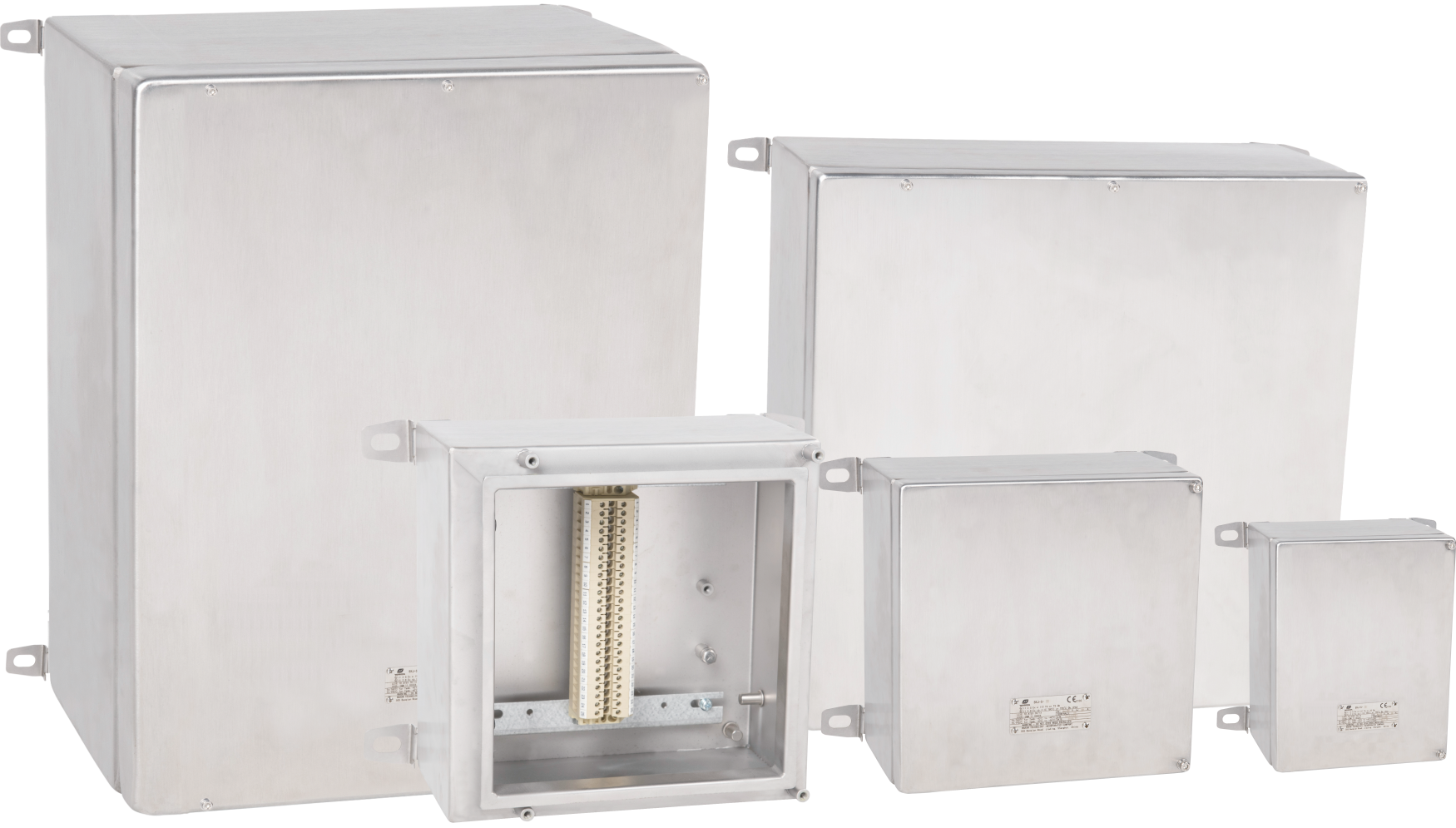
Material also matters. Copper-free aluminum keeps weight down for Ex d when the environment is non-corrosive. Stainless steel resists salt spray and chemical attack but adds weight and cost. Glass-reinforced polyester can combine corrosion resistance with reduced weight for Ex e and Ex n enclosures, provided the temperature class, impact resistance, and cable entry sealing are still met.
How Gas Group and Temperature Class Restrict the Choice
Gas group and temperature class are not interchangeable labels. Gas group reflects the energy needed to ignite a gas or vapor. IIC includes hydrogen and acetylene and is the most restrictive flamepath group. IIA is less restrictive, and IIB sits between. Ex d equipment may need a tighter flamepath for IIC than for IIA, so a product marked for IIB may not automatically be acceptable for an IIC application.
Temperature class limits the maximum surface temperature to match the autoignition temperature of the gas. A T6 rating is stricter than T4 because it allows a lower surface temperature. For Ex d equipment, the enclosure surface temperature and internal components both matter. For Ex e, the electrical components and terminals must be selected so that rated load and ambient conditions do not push the surface temperature beyond the T class. For Ex n, the same temperature discipline applies within the reduced Zone 2 safety margin.
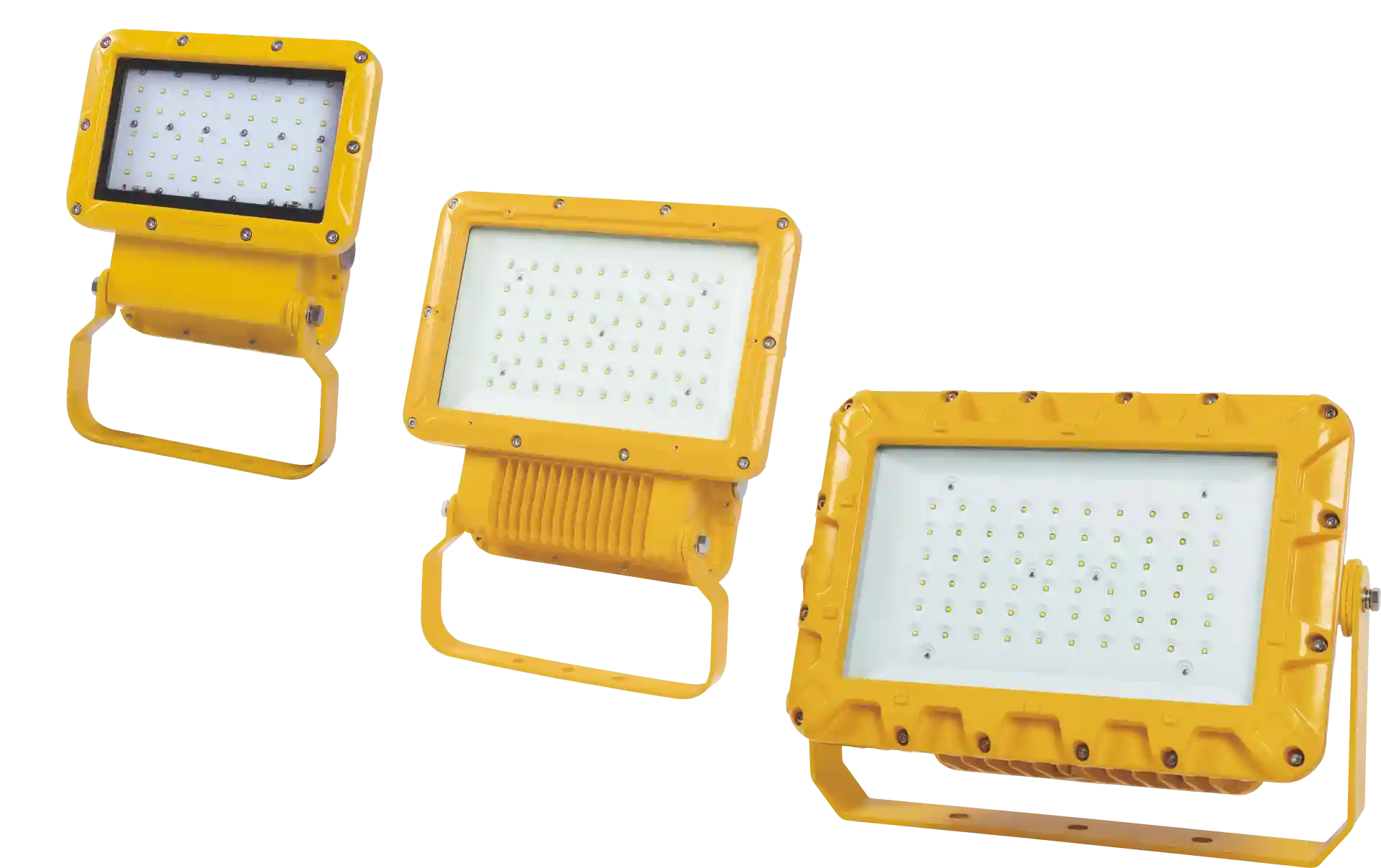
A flameproof LED floodlight is one common Ex d option for open areas and high-mounted illumination.
An Ex e luminaire may house LED or fluorescent sources in a protected enclosure where terminations and driver temperature are controlled.
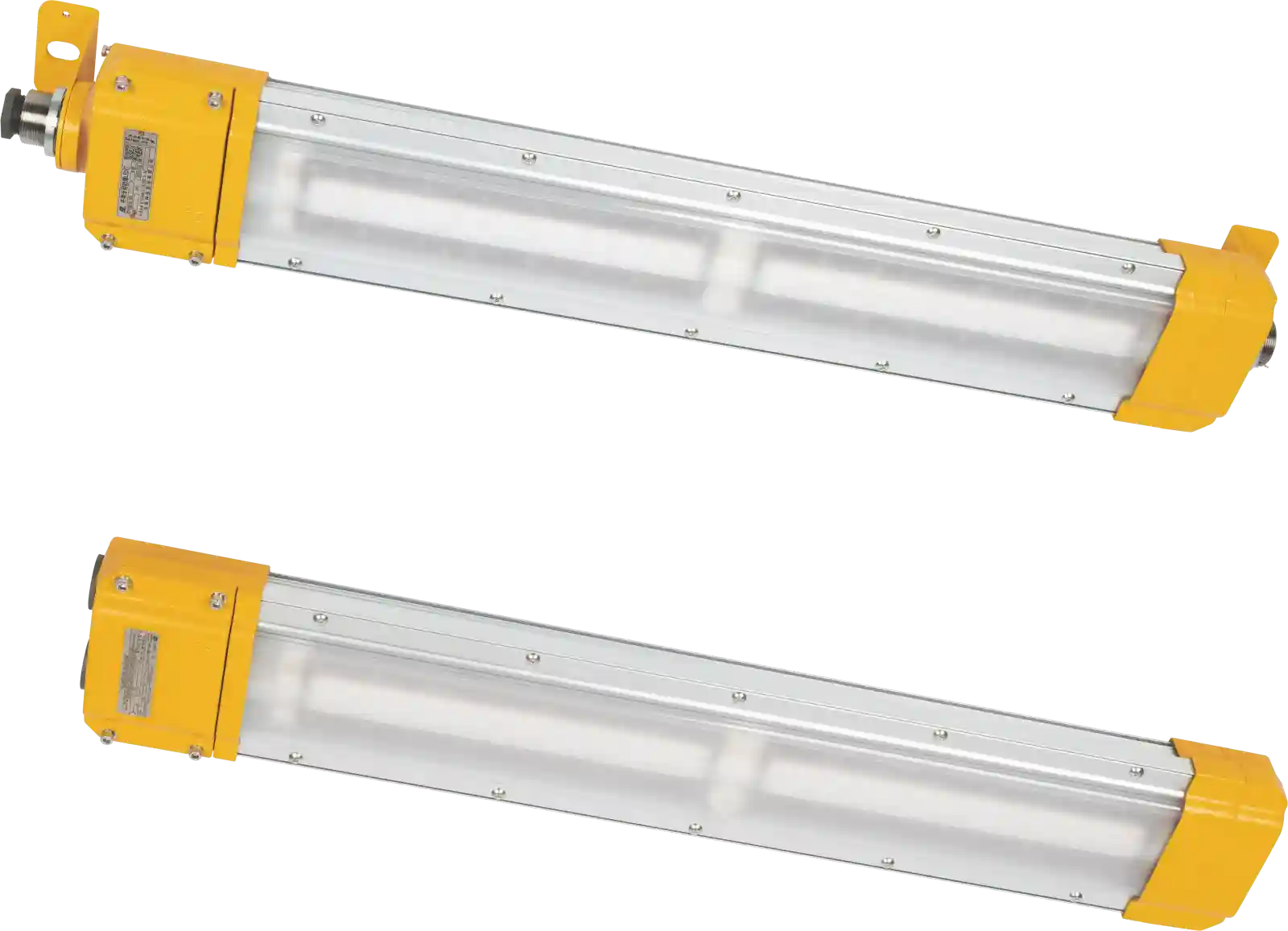
Temperature class choices directly affect luminaires and floodlights in large open hazardous areas. <Explosion-Proof High Mast Lighting for LNG Terminal Safety> covers how high mast lighting addresses LNG terminal safety requirements.
What to Check Before Accepting a Protection Method Proposal
Use a structured check before quotation. First confirm the zone classification and EPL. Second identify the gas group, temperature class, ambient range, and ingress protection. Third state the cable entry type and whether glands are part of the certified assembly. Fourth define the maintenance interval and whether the equipment will be opened frequently. Fifth ask for the certificate number, the certification body, the exact product marking, and the conditions of use on the certificate.
One protection method is not a universal upgrade. A plant that has standardized on Ex d may switch to Ex e for terminal boxes and lighting to reduce weight and ease connection access, while retaining Ex d for motor starters and switching components where the fault risk is harder to control. A mixed installation is acceptable when each item carries the correct protection for its location and function.
Clarify Your Protection Method Before You Order
Before you finalize an Ex d, Ex e, or Ex n equipment package, list the zone or division, gas group, temperature class, ambient range, cable entry type, and the planned maintenance interval. Send these details together with the equipment schedule to Warom at gm*@***om.com or call +86 21 39977076 or +86 21 39972657 so the protection method can be checked against the certified product range.
FAQ
Can I use Ex n equipment in Zone 1?
No. Ex n non-sparking protection is intended for Zone 2, or EPL Gc. In Zone 1 a flammable atmosphere can be present during normal operation or foreseeable faults, so the reduced design assumptions of Ex n are not enough. Select Ex d or Ex e equipment certified for Zone 1 and the required gas group.
Is Ex e always cheaper than Ex d?
Not always. Ex d adds enclosure material and machining, but Ex e adds certified terminals, insulation, clearance distances, and inspection requirements. The lower cost of Ex e often appears in large terminal boxes and luminaires, while Ex d may remain more practical for high-fault switchgear or harsh mechanical environments.
Do Ex d products need special maintenance after opening?
Yes. After opening an Ex d enclosure, the flamepath surfaces, gaskets, fasteners, and cable entries must be restored exactly as specified in the certificate. A damaged or loose flamepath can invalidate the explosion protection even if the equipment still operates electrically.
How do I choose between Ex d and Ex e lighting?
Start with the area classification, gas group, and T class. Ex d lighting is suitable for Zone 1 and Zone 2 and does not depend on unusual electrical design inside the luminaire for containment. Ex e lighting may be suitable for Zone 1 or Zone 2 where component surface temperatures and terminations can be controlled, and it may offer lighter weight and simpler relamping. Confirm the certificate covers the complete luminaire and its installed driver.
If you’re interested, check out these related articles:
ATEX vs UL Classification: Mastering Explosion Proof Lighting
Chint Group Chairman Nan Cunhui and His Party Visited Warom for Investigation and Exchange
Warom Explosion-Proof Marketing Promotion Association 2024
With over a decade of experience, he is a seasoned Explosion-Proof Electrical Engineer specializing in the design and manufacture of safety and explosion-proof products. He possesses in-depth expertise across key areas including explosion-proof systems, nuclear power lighting, marine safety, fire protection, and intelligent control systems. At Warom Technology Incorporated Company, he holds dual leadership roles as Deputy Chief Engineer for International Business and Head of the International R&D Department, where he oversees R&D initiatives and ensures the precise delivery of design documentation for international projects. Committed to advancing global industrial safety, he focuses on translating complex technologies into practical solutions, helping clients implement safer, smarter, and more reliable control systems worldwide.

Qi Lingyi