
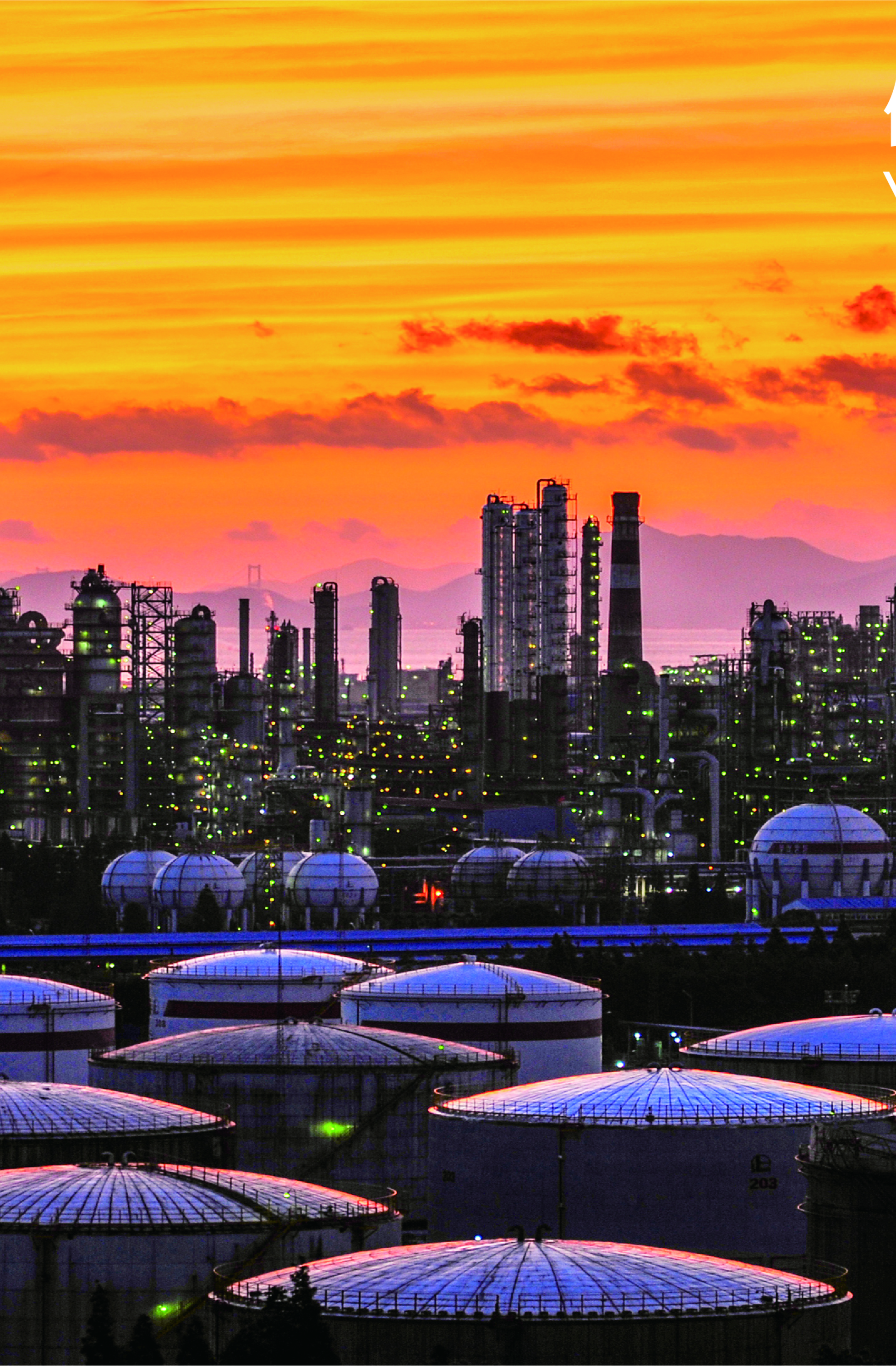
Explosion proof air conditioner cooling capacity cannot be approximated with a generic square‑footage rule. Hazardous area shelters, control rooms, and analyzer houses impose thermal boundaries that standard HVAC sizing ignores: the flameproof enclosure itself limits heat dissipation, and the unit’s surface temperature must stay below the area’s T‑class even at extreme ambient conditions. In thirty years of specifying explosion‑proof systems for offshore platforms, LNG terminals, and chemical plants, I’ve seen under‑sized units fail during the first heat wave, causing costly shutdowns. This article walks through the cooling load components that matter, explains how ambient temperature and enclosure design shift the calculation, and provides a worked example so you can size an explosion‑proof AC unit that will perform reliably from commissioning through the hottest operating days.
Why Standard Cooling Calculations Fail for Explosion‑Proof AC
Standard HVAC sizing relies on square feet, occupancy, and window area. In a hazardous area shelter, those starting points collapse. The explosion‑proof enclosure, a thick cast aluminum or stainless steel casing, does more than contain an internal explosion. It restricts airflow across the condenser and compressor, effectively trapping heat that a conventional AC would shed through its louvered cabinet. I’ve measured internal cabinet temperatures that ran 12 °C hotter than the ambient air during a Middle Eastern summer, simply because the flameproof design slowed convective cooling.
That temperature rise pushes the unit’s surface temperature upward. In a Zone 1 area classified T4 (maximum surface temperature 135 °C), the AC enclosure’s hot spot must remain below that limit even during peak load. Standard commercial AC tests do not account for the thermal inertia of a heavy explosion‑proof housing under 50 °C ambient sunshine. Relying on a catalogue capacity figure that was measured at 35 °C will lead to a unit that can’t hold your shelter below the equipment de‑rating point when the mercury climbs.
Heat Load Components in an Explosion‑Proof Air Conditioner Shelter
When you calculate the total cooling load, the standard categories still apply: conduction through walls and roof, solar radiation, internal equipment, lighting, and personnel. The difference is that every heat source inside a sealed, pressurized, or purged shelter contributes to a cumulative load that has no natural leak path.
Internal electronics — PLCs, transmitters, analyzers, and small motors — convert most of their electrical input to waste heat. A 500‑W analyzer package dumps roughly the same heat gain as a small space heater. Lighting, even LED, adds about 1.2 W per square foot of illuminated area. Two people working inside add around 250 W each.
The table below offers quick reference values for typical shelter loads. Use actual nameplate data where you have it.
| Heat Source | Typical Heat Gain | Notes |
|---|---|---|
| Small analyzer (250 W input) | 250 W | Assume 100% conversion to heat |
| LED lighting per m² | 10–15 W/m² | Varies with lux level |
| Person (sedentary work) | 230–250 W | Adjust for light work |
| Through‑wall conduction (steel insulated panel) | 5–10 W/m²·K per °C ΔT | Depends on insulation thickness |
These loads add up fast. On a recent project, a 4‑panel cubicle in a gas plant with 1.2 kW of electronics, two operators, and LED fixtures demanded 4.5 kW of sensible cooling — before factoring in ambient heat leakage through the walls.
How Ambient Temperature and T‑Class Limit Explosion‑Proof AC Capacity
Ambient temperature is not a single number you pull from a climate table. For a shelter on an offshore platform, the design ambient might be 40 °C on a mild day, but the sun‑baked steel deck can push the intake air to 55 °C. In the Empty Quarter, 52 °C is routine.
The temperature class of your hazardous area directly limits the external surface temperature of the AC unit. T4 allows 135 °C; T5 allows 100 °C; T6 only 85 °C. If your AC casing is running at 72 °C internally near the compressor, you still have room with T4, but with T5 you need to guarantee the hotspot stays under 100 °C. An engineer who checks the unit’s thermal profile sees where the safety margin erodes.
I recall a floating production platform where the client specified T5 for a control room, but the only AC units with the required cooling capacity had a measured casing temperature of 92 °C at 45 °C ambient. We had to switch to a higher‑capacity T4 model and use a pressurization scheme to keep the internal electronics cool while meeting the surface limit. That kind of crossover isn’t captured by a generic load formula — it’s discovered only when you map the actual thermal performance of explosion‑proof equipment.
A Step‑by‑Step Calculation for Sizing Explosion‑Proof AC
To make this concrete, let’s size a shelter for a chemical dosing area.
Dimensions: 4 m × 3 m × 2.5 m (internal volume). Wall and roof U‑value: 0.5 W/m²·K (insulated). Design ambient: 45 °C. Target internal temp: 25 °C (ΔT = 20 K). Zone 1, T4. Internal loads: two 300‑W analyzers, 60 W of LED lighting, one operator, no windows.
-
Conduction and solar
Wall/roof area: 59 m² (sides + roof, ignoring floor). Heat gain = U × A × ΔT = 0.5 × 59 × 20 = 590 W.
Add 10% for solar radiation through dark‑colored shelter: 59 W. Subtotal = 649 W. -
Internal equipment
Analyzers: 2 × 300 W = 600 W. Lighting: 60 W. Operator: 250 W. Subtotal = 910 W. -
Total sensible load
910 W + 649 W = 1559 W ≈ 5,319 BTU/h (using 1 W = 3.412 BTU/h). Add a 15% safety factor for uncertain duty cycles and future equipment: 1.15 × 1559 = 1,793 W (6,117 BTU/h).
Because the shelter has no latent load (only small moisture from the operator), we treat this as purely sensible. A unit rated at 7,000 BTU/h (2.05 kW) at 50 °C ambient would give us comfortable headroom. I would select an explosion‑proof wall‑mounted split unit with a certified cooling capacity of at least 2.0 kW at 45 °C ambient.
Always confirm with the manufacturer that the unit’s capacity curve is measured at the design ambient, not at 35 °C. For offshore or desert sites, request a derating chart.
Specifying an Explosion‑Proof Air Conditioner That Performs
Once you have the calculated load, you need to turn it into a purchase specification. Start with these checks:
- T‑class compatibility: the AC catalogue will state its maximum casing temperature or temperature class. Pick a unit whose T‑class is at least as strict as the area.
- Enclosure material: for coastal or marine locations, 316 stainless steel or corrosion‑resistant powder‑coated aluminum is essential. Salt spray will eat through standard carbon steel in months.
- Power supply: verify voltage, frequency, and phase. Many explosion‑proof AC units accept 380–415 V three‑phase, but some shelters run 230 V single‑phase from a transformer.
- Cooling capacity at site ambient: request the unit’s performance curve. A 7,000 BTU unit at 35 °C may deliver only 5,200 BTU at 50 °C.
Avoiding Sizing Mistakes and Confirming Your Load Calculation
Over the years, I have seen a handful of errors repeat.
- Relying on a generic 300–400 BTU/m² rule. That standard works for office comfort cooling, not for a sealed shelter with process heat sources. In one case, a tank farm shelter was sized at 12,000 BTU based on floor area; actual load after commissioning was 20,000 BTU. The unit ran continuously, never reaching setpoint, until the operations team added a second unit.
- Ignoring the explosion‑proof enclosure’s thermal resistance. The unit’s own condenser discharges hot air into the hazardous area. Because the enclosure constrains airflow, the discharge temperature can be 15–20 °C above ambient, and that reduces the effective temperature difference across the condenser coil. If you don’t account for this, you will undersize.
- Assuming that a T4 unit automatically suits a T4 area. The certification guarantees the casing won’t exceed 135 °C under the test conditions, but inside a hot shelter with 50 °C ambient the casing could reach 110 °C — still T4‑compliant — yet any plastic cable gland touching the case may have a lower temperature rating. Check the whole installation, not just the AC label.
- Not having a maintenance bypass or backup unit. In a continuously operating process, an AC failure can force a shutdown. Oversizing with a redundant unit is cheaper than a production loss.
If your application mixes high ambient temperature with a dense equipment rack that makes the heat load uncertain, a quick review with an experienced engineer can save you from commissioning a unit that then trips on thermal overload. Send your site data, T‑class, and equipment list to gm*@***om.com or call +86 21 39977076, and we will verify that the proposed capacity meets both the thermal and hazardous‑area boundaries.
Common Questions About Explosion‑Proof AC Sizing
How do I estimate heat gain from electronics if I only know the electrical power draw?
A conservative approach is to assume 100% of the input electrical power becomes heat. For a small analyzer drawing 300 W, use 300 W as heat gain. If the equipment has a dedicated cooling fan that exhausts outside, subtract that portion. But inside a sealed shelter, the heat stays. In a pharmaceutical CM/CDMO project we supported, the client’s process computer dissipated nearly 800 W, and using the full electrical figure prevented the AC from being undersized.
Can I apply a single safety factor to the total load, or should I factor each component separately?
A single 10–15% safety factor on the sum is usually enough for standard shelters, provided your input data is accurate. If any load is uncertain, such as future instrument additions, add a separate margin for that. When we sized a shelter for a gas compression station, we added 25% to the external heat load for unshaded solar exposure and another 10% for unknown instrument growth, because the project scope wasn’t frozen. Targeting a rounding‑up to the next available unit capacity often absorbs small uncertainties.
Does the explosion‑proof enclosure design affect the air conditioner’s own efficiency?
Yes. The condenser sits inside a flameproof compartment. Because the compartment restricts natural convection, the condensing temperature can rise 5–10 °C above the local ambient, which reduces the unit’s EER. A split unit with a remote condenser mounted outside the hazardous area avoids this penalty, but then the interconnecting piping must pass through a certified penetration. In offshore projects we handle, we often recommend split systems with the condenser placed in a safe area to maintain cooling efficiency while keeping the evaporator inside the pressurized shelter.
What if I oversize the AC? Can that cause issues?
Slightly oversized cooling is less problematic than undersized, but extreme oversizing leads to short‑cycling: the compressor starts and stops too often, which can cause premature wear on the contactor and drier. In a hazardous area, frequent switching also introduces more arc‑related risks inside the flameproof enclosure. For inverter‑driven explosion‑proof AC, modulation prevents short‑cycling, so oversizing by 20–30% is acceptable if the unit is inverter‑type. Share your project’s worst‑case ambient temperature and a list of heat sources, and we will help you verify that the selected AC capacity aligns with your hazardous area classification. Reach us at gm*@***om.com.
If you’re interested, check out these related articles:
Zone 21 Dust Hazards: Essential Explosion Proof Electrical Equipment
Explosion-Proof High Mast Lighting for LNG Terminal Safety
Warom at 2025 ADIPEC
With over a decade of experience, he is a seasoned Explosion-Proof Electrical Engineer specializing in the design and manufacture of safety and explosion-proof products. He possesses in-depth expertise across key areas including explosion-proof systems, nuclear power lighting, marine safety, fire protection, and intelligent control systems. At Warom Technology Incorporated Company, he holds dual leadership roles as Deputy Chief Engineer for International Business and Head of the International R&D Department, where he oversees R&D initiatives and ensures the precise delivery of design documentation for international projects. Committed to advancing global industrial safety, he focuses on translating complex technologies into practical solutions, helping clients implement safer, smarter, and more reliable control systems worldwide.

Qi Lingyi