
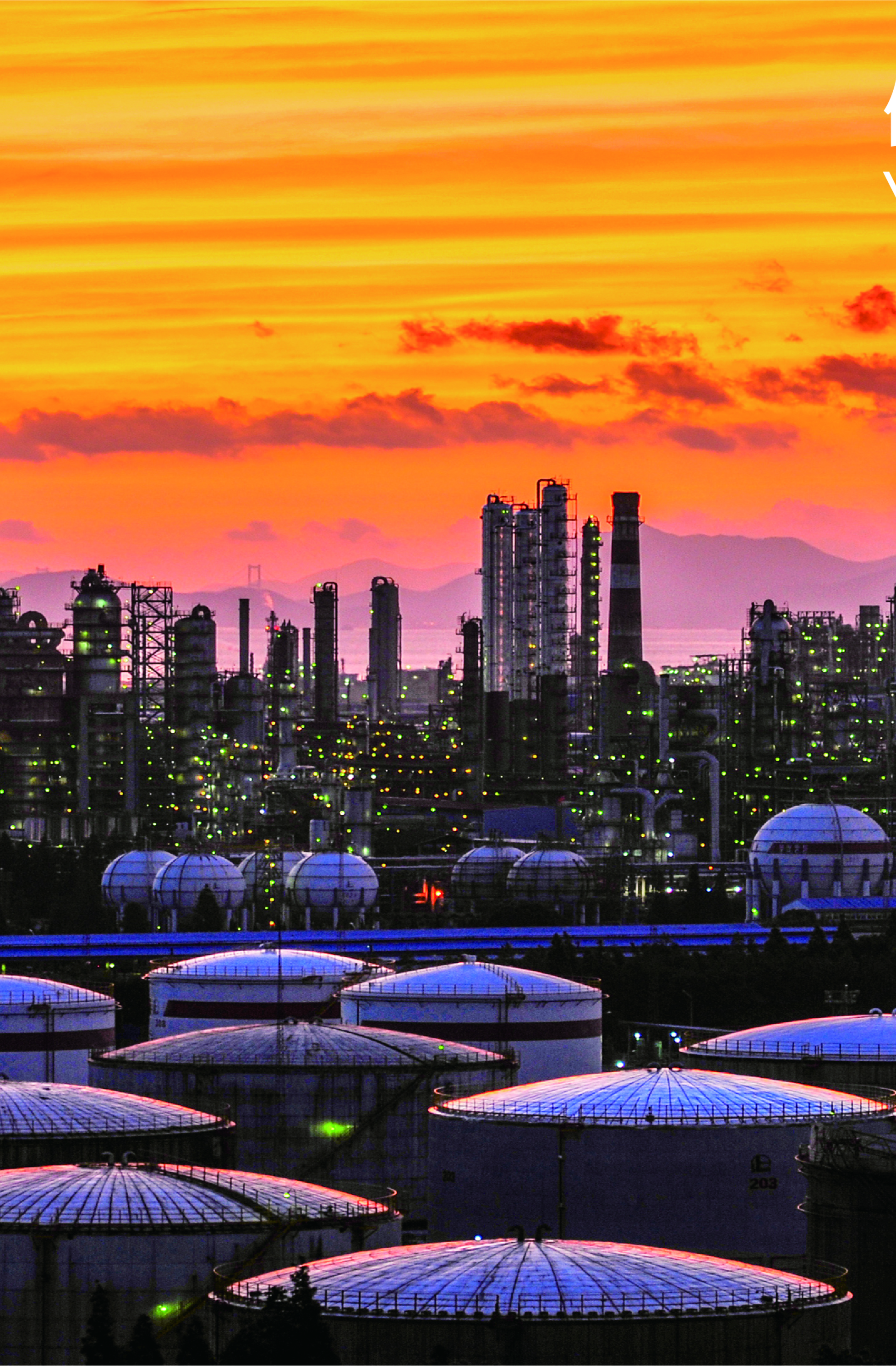
Explosion proof electrical equipment for green hydrogen plants cannot be selected on autopilot using the same specifications that served a conventional refinery project. Hydrogen’s wide flammability range, from 4% to 75% in air, and its exceptionally low ignition energy mean that equipment which passes standard hazardous area certification may still introduce risks if material compatibility and gas-group verification are overlooked. After three decades designing and delivering explosion-proof systems for projects across oil, gas, and chemical sectors, including a complete electrical package for the Tilenga development in Uganda, I’ve learned that hydrogen service demands a harder look at enclosure materials, certification scope, and how each component behaves across the full electrolysis-to-storage chain.
Hydrogen Risks and the Electrical Equipment That Addresses Them
Hydrogen leaks behave differently from heavier hydrocarbon vapors. A hydrogen release disperses upward almost immediately because the gas is 14 times lighter than air. This is good news for outdoor installations where natural ventilation disperses hydrogen rapidly, but inside an electrolyzer building or a compressor shelter the same property creates a ceiling-level accumulation risk that standard gas detection layouts sometimes miss.
The electrical concern is not just about explosion protection in the abstract. Hydrogen is classified as Group IIC with a T1 temperature class. It ignites at roughly 560°C, but the energy needed to trigger ignition is measured in microjoules. A static discharge from a worker’s clothing can set it off. This means the flameproof joint dimensions, the enclosure wall thickness, and the cable gland sealing method must all be verified specifically for IIC, not just for the more common IIB gases like ethylene that much off-the-shelf equipment targets.
I’ve seen projects where procurement teams specified ATEX Zone 1 equipment without checking the gas group appendix on the certificate. When I reviewed one such order for a hydrogen compressor station, half the selected junction boxes carried only IIB markings. They were perfectly fine for a refinery alkylation unit but wrong for hydrogen service. The cost of replacing them after delivery was roughly triple what confirming the gas group during RFQ review would have involved.
Why hydrogen’s Group IIC classification changes equipment design
Group IIC includes hydrogen alongside acetylene and carbon disulfide. The flameproof enclosure for IIC requires narrower flame paths and tighter joint tolerances than IIB. A flameproof Ex d enclosure rated IIB might have a 25mm flame path, but for IIC hydrogen that same enclosure design needs a longer path or a different joint geometry. The practical outcome for the person writing the equipment specification is that listing Ex d alone is not enough. The certificate must state Ex d IIC explicitly.
Temperature class adds another layer. Hydrogen’s auto-ignition temperature of 560°C corresponds to T1, the least restrictive class. Most modern LED luminaires and distribution equipment easily meet T4 or T6, which is fine. But the installation environment sometimes includes other gases or vapors with lower ignition temperatures, and the equipment temperature class must cover the most restrictive gas present. If the plant handles ammonia for thermal management alongside hydrogen, T1-rated equipment may not be adequate for the ammonia zones.
What makes hydrogen different from hydrocarbon gas risks
The practical difference between designing for hydrogen and designing for methane or propane comes down to three factors that compound each other. First, hydrogen’s molecular size means it can leak through gaskets and cable gland seals that would hold back larger hydrocarbon molecules. Second, because the ignition energy is so low, a leak that does not register as a combustible concentration at a gas detector can still ignite if it contacts an electrical arc from a relay or a brushed motor. Third, hydrogen burns with a nearly invisible flame in daylight, making detection by personnel nearly impossible without thermal imaging or dedicated UV/IR flame detectors.
In the Tilenga project in Uganda, hydrogen was not the primary process gas, but the lessons transferred directly. We supplied explosion-proof lighting and electrical systems across wellpads, a central processing facility, and pipeline corridors where gas composition varied by location. The equipment had to be qualified for the most demanding gas group present in each zone, and we verified every certificate line by line before shipment. The approach we used there — gas-group-first specification, not zone-only specification — applies even more strictly to a dedicated green hydrogen plant.
Certifications and Material Requirements for Hydrogen Service
An IECEx or ATEX certificate carries more information than the zone and protection method listed on the cover page. The certificate appendix specifies the gas groups, temperature class, ambient temperature range, and any special conditions of use. For hydrogen service, I tell procurement teams to look at three things on every certificate: the gas group column must show IIC, the enclosure material must be compatible with hydrogen exposure, and the temperature class must align with all gases present in the zone, not just hydrogen.
Material selection cuts deeper than most specifiers realize. Hydrogen embrittlement affects high-strength steels, but even aluminum alloys — the most common explosion-proof enclosure material — require consideration. Standard copper-free aluminum enclosures with powder-coated surfaces perform reliably in hydrogen service, but the fasteners matter too. Stainless steel external fasteners resist the corrosion that forms when hydrogen permeation combines with atmospheric moisture. I’ve specified 316L stainless steel enclosures for coastal hydrogen projects where salt spray and hydrogen exposure overlap, and while the upfront cost is higher than aluminum, the maintenance interval extends by a factor of three to five.
ATEX versus IECEx for hydrogen: which certification path applies
Both ATEX and IECEx cover Group IIC hydrogen. The choice usually depends on the project location and the end user’s regulatory requirements. European projects default to ATEX, Middle Eastern and Asian projects increasingly accept IECEx as the primary or co-equal standard, and North American projects require NEC/CEC with UL or CSA listings. The important practical point is that an ATEX certificate and an IECEx certificate are not automatically interchangeable. A manufacturer must hold both to supply both.
For a green hydrogen plant being built under EPC contract, I recommend writing the specification to accept IECEx certification as the baseline and adding ATEX or NEC as a regional overlay. This opens the supplier pool while maintaining technical rigor. Check each certificate against the IEC 60079-0 and IEC 60079-1 standards for flameproof equipment, and verify the certificate number on the IECEx online database. Counterfeit or expired certificates are a real problem in the hydrogen sector specifically because demand has outpaced the supply of genuinely IIC-certified equipment in some regions.
Enclosure material comparison for hydrogen environments
| Material | Hydrogen Compatibility | Corrosion Resistance | Typical Application |
|---|---|---|---|
| Copper-free aluminum (powder coated) | Good for most indoor and outdoor zones | Moderate with WF2 rating | Distribution boxes, junction boxes, light fittings |
| 316L stainless steel | Excellent with no embrittlement at service temperatures | Excellent for marine and coastal | Distribution cabinets, terminal boxes for offshore plants |
| GRP (glass-reinforced polyester) | Good and chemically inert to hydrogen | Excellent with no corrosion mechanism | Terminal boxes, illumination boxes in corrosive atmospheres |
| Cast iron | Good structurally but heavy | Poor without coating | Legacy designs rarely specified for new hydrogen plants |
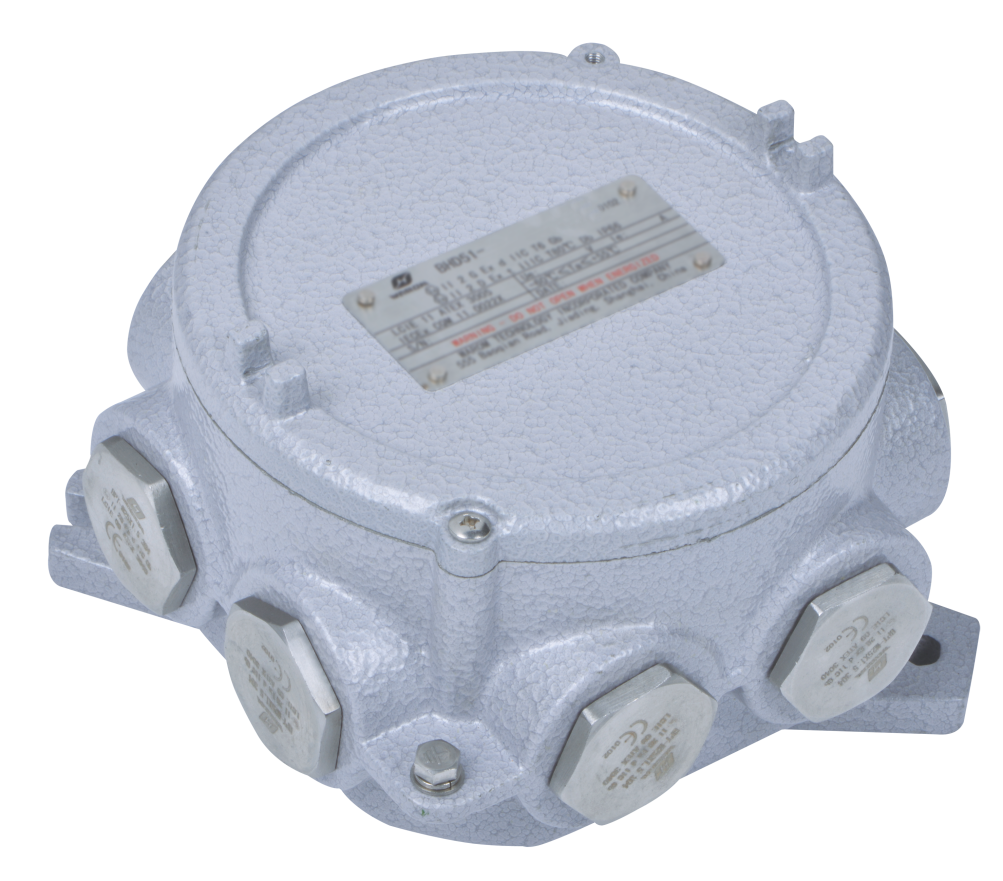
The GRP enclosure line we manufacture under the BCZ8060 and BXJ8050 series has found particular traction in electrolysis buildings where the atmosphere carries not just hydrogen but potassium hydroxide mist from alkaline electrolyzers. GRP does not corrode under caustic exposure the way aluminum eventually will, and the material is inherently anti-static when manufactured with conductive additives.
Power Distribution and Control Systems for Electrolysis Plants
An electrolysis plant’s electrical load profile is unlike anything in a conventional refinery. A 100MW alkaline electrolyzer stack draws power at low voltage and very high current, and the rectifier transformers generate harmonic distortion that feeds back into the plant distribution system. The explosion-proof equipment serving this environment must handle not only the hazardous area classification but also the thermal and electrical stress that comes from operating near large rectifier installations.
Distribution cabinets for electrolysis plants typically follow a tiered architecture. The main low-voltage switchgear sits in a non-hazardous electrical room, but the sub-distribution panels and motor control centers that feed pumps, compressors, cooling fans, and instrumentation inside the hazardous zones need full explosion-proof construction. I’ve found that cabinets combining flameproof Ex d bus bar chambers with increased safety Ex e terminal compartments offer the best balance of protection, accessibility, and cost for these applications. The flameproof chamber contains the circuit breakers and contactors where arcing occurs during switching, while the increased safety section handles the cable terminations where arcing is not expected under normal operation.
Sizing distribution cabinets for electrolyzer auxiliary loads
The auxiliary systems around an electrolyzer stack — electrolyte circulation pumps, hydrogen and oxygen lye separators, de-oxo dryers, cooling water pumps — create a distributed motor load that ranges from fractional kilowatts for small dosing pumps to several hundred kilowatts for main circulation pumps. Each motor circuit in a hazardous zone requires either an Ex d motor starter with thermal overload protection or a remote starter located in a safe area with an Ex e terminal box at the motor.
When I worked on the electrical specification for the Fushilai Pharmaceutical project, the challenge was coordinating distribution boxes across workshops, warehouses, tank farms, and pump controls. The approach we used — modular distribution cabinets with pre-configured circuit layouts — applies to hydrogen plants as well. For a 20MW electrolysis installation, a typical sub-distribution arrangement might include three explosion-proof distribution cabinets rated 400A each, feeding a combination of motor starters, lighting distribution circuits, and instrumentation power supplies. Sizing the bus bar for the rectifier’s harmonic content requires adding roughly 15% to the calculated full-load current to account for additional heating.
If your program involves sizing distribution equipment for an electrolyzer building with rectifier harmonics, confirm the harmonic derating factor with your equipment supplier before finalizing the panel rating. Reach out at gm*@***om.com.
Lighting, Monitoring, and Safety Systems for Hydrogen Zones
LED technology has simplified explosion-proof lighting for hydrogen service in one important way: LED luminaires run cool enough that surface temperature classification is rarely a constraint for T1 hydrogen. The driver electronics inside a flameproof LED fitting generate more heat than the LEDs themselves, and the driver is contained within the flameproof enclosure where any internal ignition is contained. This lets specifiers focus on light distribution, efficacy, and mechanical durability rather than wrestling with temperature class derating tables.
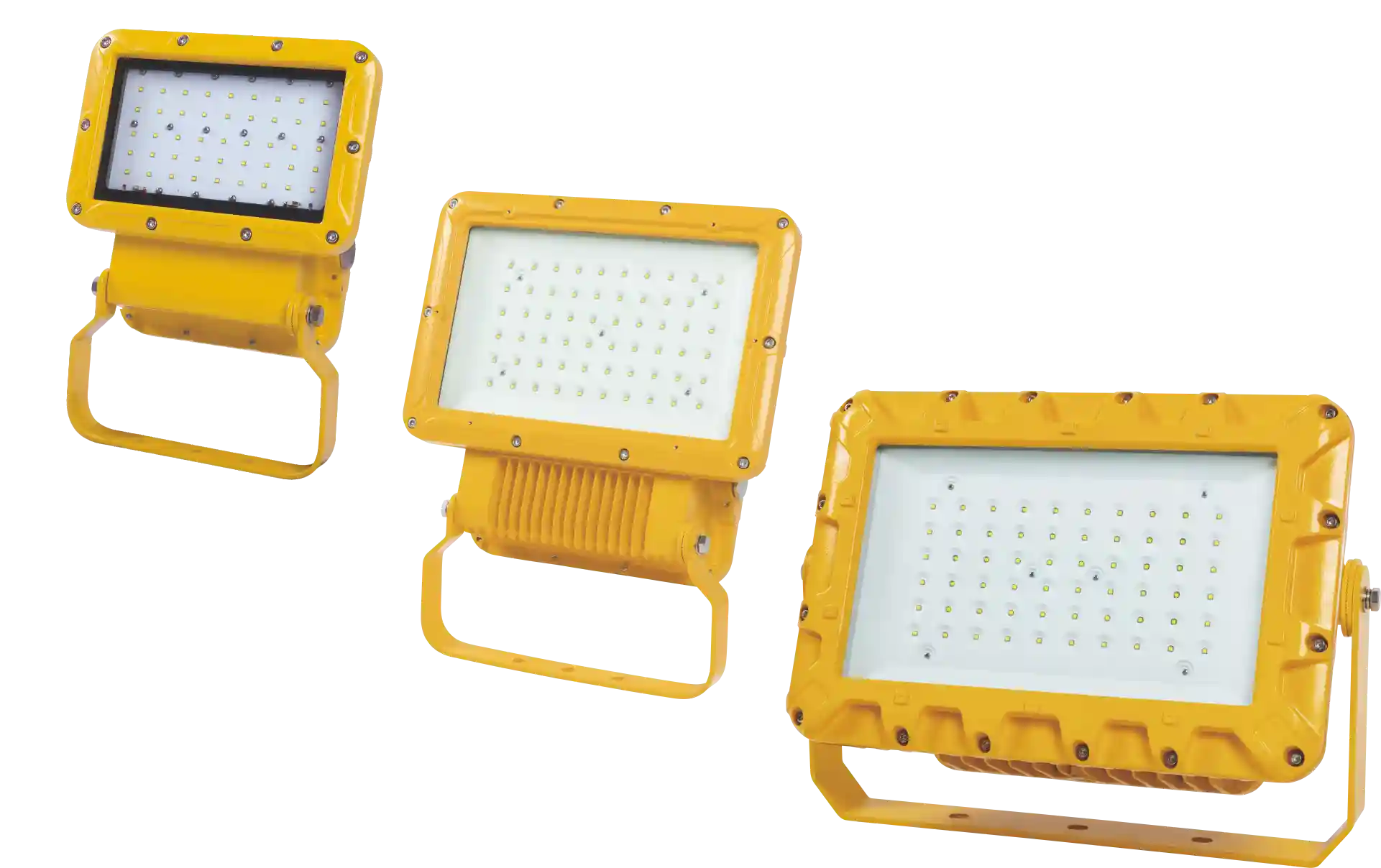
The lighting layout for a green hydrogen plant typically divides into three zones: outdoor process areas covering the electrolyzer yard, hydrogen compression, and storage tube trailers; indoor process buildings such as the electrolyzer hall and purification skids; and non-hazardous support areas including the control room, workshop, and admin buildings. Outdoor zones use floodlights like the BAT86 series with 60W to 300W LED modules, IP66 protection, and an ambient temperature range covering -60°C to +60°C. The wide temperature span is not marketing language. We’ve supplied these to sites in Siberia and to Middle Eastern hydrogen projects where summer ambient exceeds 50°C, and the driver electronics in both cases must survive without derating.
LED floodlights, emergency lighting, and gas detection integration
Emergency lighting in hydrogen zones carries a dual requirement: it must function as explosion-proof equipment and it must deliver sufficient illumination for safe evacuation if the primary power fails. The BAYD85 emergency exit light fittings we manufacture include a battery backup with 120-minute autonomy, which exceeds the 90-minute minimum most standards require. Each fitting is self-contained, meaning the battery and charger reside inside the flameproof enclosure with no external wiring to a central battery system that might itself be located in a hazardous zone.
Gas detection and video surveillance add layers of operational safety that go beyond the minimum code requirements. Explosion-proof cameras like the BJK-S/G series support H.265 compression and can transmit to a central control room over fiber, giving operators visual confirmation of process areas without sending personnel into zones during startup or after a shutdown. I’ve configured these on projects where the camera housings were specified with IP68 rating for locations that undergo regular water deluge testing. When integrating gas detectors, the signal must route through intrinsically safe barriers or Ex e junction boxes before entering the safe-area control system.
Sourcing Explosion Proof Equipment: Supplier Qualification Checklist
The difference between a supplier who understands hydrogen and one who sells explosion-proof equipment as a commodity becomes apparent during the RFQ phase. A hydrogen-competent supplier will ask about the gas group before quoting. A commodity supplier will quote standard IIB equipment and add “suitable for hazardous areas” in the cover letter. I’ve reviewed enough project specifications to know that the second approach creates problems that surface during factory acceptance testing or, worse, during commissioning.
The factory audit is not optional for green hydrogen projects. I recommend visiting the manufacturer or sending a third-party inspector to verify four things: that the testing facility includes a gas-explosion test chamber rated for IIC hydrogen mixtures, that the CNC machining capability can hold the flame path tolerances listed on the certificate, that the surface treatment line operates under controlled conditions whether it is powder coating or passivation for stainless, and that the documentation system can produce material traceability certificates for the enclosure, fasteners, and gaskets.
Beyond the audit, the RFQ should request a document package before shipment that includes: valid IECEx or ATEX certificate with the IIC gas group and T-class clearly stated, material test reports for the enclosure and all wetted fasteners, ingress protection test report at IP66 minimum, factory acceptance test procedure and pass criteria, and an installation and maintenance manual specific to the product type being supplied. Missing any of these documents is a red flag, not an administrative oversight.
Hydrogen service exposes every shortcut in equipment specification and supplier qualification. The same flameproof box that kept a refinery alkylation unit safe for a decade may not hold a valid IIC certificate, and that gap only becomes visible when someone checks the appendix page on the certificate. If you are specifying or procuring explosion-proof electrical equipment for a green hydrogen plant — whether for electrolysis, compression, storage, or dispensing — send your equipment list, zone classification drawings, and target certification standards to gm*@***om.com or call +86 21 39977076. We will review the gas group requirements against each equipment type and return a compliance matrix with product recommendations matched to your project’s certification path. Getting the gas group right during specification costs nothing. Fixing it after installation costs the project schedule.
Common Questions About Explosion Proof Equipment for Hydrogen Plants
Does every component in a hydrogen plant require IIC certification?
Not necessarily for every single component in every location. Equipment located in areas where hydrogen is always diluted below the lower flammable limit, or in non-hazardous electrical rooms separated by gas-tight barriers, does not require explosion-proof construction at all. But any electrical equipment installed in Zone 1 or Zone 2 areas where hydrogen may be present under normal or abnormal operating conditions must carry IIC certification. Zone 2 equipment may use Ex n non-sparking protection instead of Ex d flameproof, but the gas group marking must still show IIC. The zone drawings prepared during the hazardous area classification study define exactly which areas require which level of protection.
Can aluminum enclosures be used in hydrogen service?
Yes, copper-free aluminum enclosures with powder-coated surfaces are widely used in hydrogen service and perform reliably. The powder coating forms a barrier against atmospheric moisture, and the copper-free alloy specification — typically less than 0.4% copper content — prevents galvanic corrosion at cable gland entry points where brass or nickel-plated brass glands interface with the aluminum enclosure. For coastal or offshore hydrogen installations where salt spray is present alongside hydrogen, 316L stainless steel enclosures offer measurably longer service life and should be specified for distribution cabinets and junction boxes in exposed locations.
How long does explosion-proof equipment for hydrogen plants typically take to deliver?
Standard catalog products such as LED floodlights, terminal boxes, cable glands, and push button stations usually ship within 4 to 8 weeks from order confirmation if the manufacturer holds IIC-certified stock. Custom-configured distribution cabinets or control panels with specific circuit layouts, bus bar ratings, and instrumentation can take 12 to 16 weeks depending on complexity. The single biggest factor affecting lead time is whether the manufacturer already holds valid IIC certification for the product type being ordered. If they need to re-certify a design for IIC, add 3 to 6 months. This is why the supplier qualification step matters before the purchase order stage, not after.
What is the difference between Ex d and Ex e for hydrogen areas?
Ex d flameproof enclosures are designed to contain an internal explosion and prevent flame transmission to the external atmosphere through controlled flame path gaps. Ex e increased safety enclosures are designed to prevent arcs, sparks, and hot spots from occurring inside under normal operation by using high-integrity components and connections. For hydrogen service, both methods work when properly certified for IIC, but they serve different purposes. Motor starters, contactors, and circuit breakers — devices that create arcs during normal switching — go in Ex d enclosures. Terminal boxes, junction boxes, and cable connection chambers where arcing does not occur under normal conditions can use Ex e construction, which is lighter and easier to access for maintenance.
Does the NEC accept IECEx-certified equipment for hydrogen plants in the United States?
The NEC does not directly accept IECEx certification for installations in the United States. Equipment installed in the US must carry UL, FM, or other NRTL listings that reference the applicable NEC articles under NFPA 70, Articles 500 through 506. However, some manufacturers hold dual certification — both IECEx and UL — for the same product platform. If you are building a green hydrogen plant in a country that accepts IECEx and sourcing from a supplier whose product also holds UL listing for future US projects, ask for the UL certificate in addition to the IECEx document. Verify both are current and cover the IIC gas group. Share your project location and certification requirements with us at gm*@***om.com and we will confirm which standards each product carries.
If you’re interested, check out these related articles:
Explosion Proof Emergency Exit Light Fittings for Industrial Safety
PETROLEUM ENERGY SHOW 2024
With over a decade of experience, he is a seasoned Explosion-Proof Electrical Engineer specializing in the design and manufacture of safety and explosion-proof products. He possesses in-depth expertise across key areas including explosion-proof systems, nuclear power lighting, marine safety, fire protection, and intelligent control systems. At Warom Technology Incorporated Company, he holds dual leadership roles as Deputy Chief Engineer for International Business and Head of the International R&D Department, where he oversees R&D initiatives and ensures the precise delivery of design documentation for international projects. Committed to advancing global industrial safety, he focuses on translating complex technologies into practical solutions, helping clients implement safer, smarter, and more reliable control systems worldwide.

Qi Lingyi