

Explosion proof motor switch enclosure IP ratings get treated as a minor datasheet line until water enters a casting and trips a starter in a Zone 1 process area. In thirty years of hazardous-area electrical work, I have seen more site failures caused by overlooked ingress protection than by the explosion protection method itself. This article sets out the IP verification checks that matter before ordering: matching the rating to real washdown and dust conditions, checking flanges and cable entries, and confirming that the documentation reflects the assembly you will actually receive.
Motor Switch Enclosure IP Ratings Are Not Optional
An IP rating on a motor switch enclosure does not replace the explosion protection concept. It protects live parts from dust and water. The Ex d or Ex e design keeps an ignition source from reaching the gas or dust outside. The two requirements fail in different ways. I have inspected starter enclosures in chemical plants where condensation inside the enclosure came from an IP rating chosen for an indoor electrical room and then applied to an open-sided process shelter. The flameproof joints were intact, but water still found a way through the gasket face.
When a motor switch enclosure is rated IP66, the first digit 6 means dust tight, and the second digit 6 means protection against powerful water jets. A lower rating may be acceptable for a clean indoor panel, but many hazardous-area motor switch installations sit where cleaning crews, rain, and process dust all meet. If the enclosure holds water, the result is not always an immediate explosion. Corrosion, nuisance tripping, insulation breakdown, and shortened life of the internal switch are more common first failures, and they still shut down production.
The Two IP Digits Define Separate Dust and Water Limits
The IEC 60529 code assigns the first digit to solids and the second digit to liquids. For motor switch enclosures, the two digits are generally discussed together, but they should be read separately. A dust-tight enclosure can still be weak against directed water. A water-resistant enclosure can still breathe in airborne dust. The correct rating depends on which exposure is more severe at the installation point.
| IP rating | Solid protection | Liquid protection | Common motor switch enclosure use |
|---|---|---|---|
| IP54 | Dust limited to harmless amounts | Splashing water from any direction | Indoor clean process areas with no hosedown |
| IP55 | Dust limited to harmless amounts | Low-pressure water jets | Indoor areas with occasional washdown |
| IP65 | Dust tight | Low-pressure water jets | Outdoor or dust-heavy process areas |
| IP66 | Dust tight | Powerful water jets | Outdoor, marine, or hose-down hazardous areas |
Ingress protection is usually read as one number, but the first and second digits describe different failure paths. <IP64 Rating Guide: Practical Device Protection Tests> covers how practical device protection tests separate dust protection from water jet protection and why that distinction changes indoor and outdoor enclosure choices.
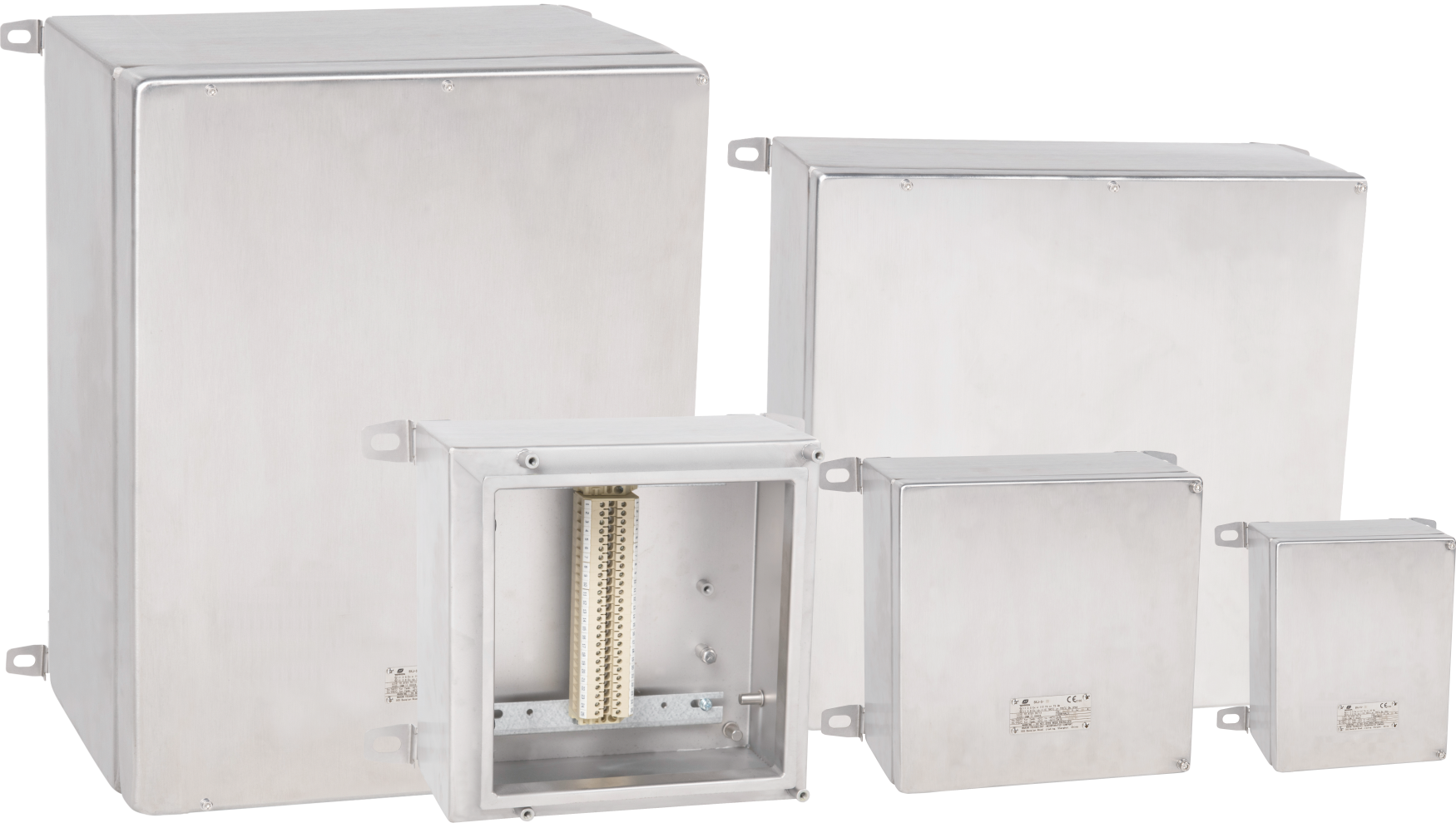
Enclosure material and gasket performance are part of the IP rating. A stainless steel or GRP enclosure that carries IP66 does not stay dust tight if the gasket is silicone in a solvent-heavy environment, or if the cover has been removed for wiring and not reseated properly. The rating assumes correct assembly and the specified entry devices.
Hazardous Area Conditions Determine the Required IP Rating
An IP rating that works in Saudi desert conditions may fail on a North Sea platform. The first checks should be the cleaning method, the weather exposure, and the dust type. Conductive dust, such as metal powder or coal dust, is more dangerous than ordinary housekeeping dust because it can create a conductive path and retain moisture. A motor switch enclosure in a coal handling area or grain mill should start at dust-tight protection, usually IP65 or IP66, and then be checked for water jet rating based on whether the area is hosed down.
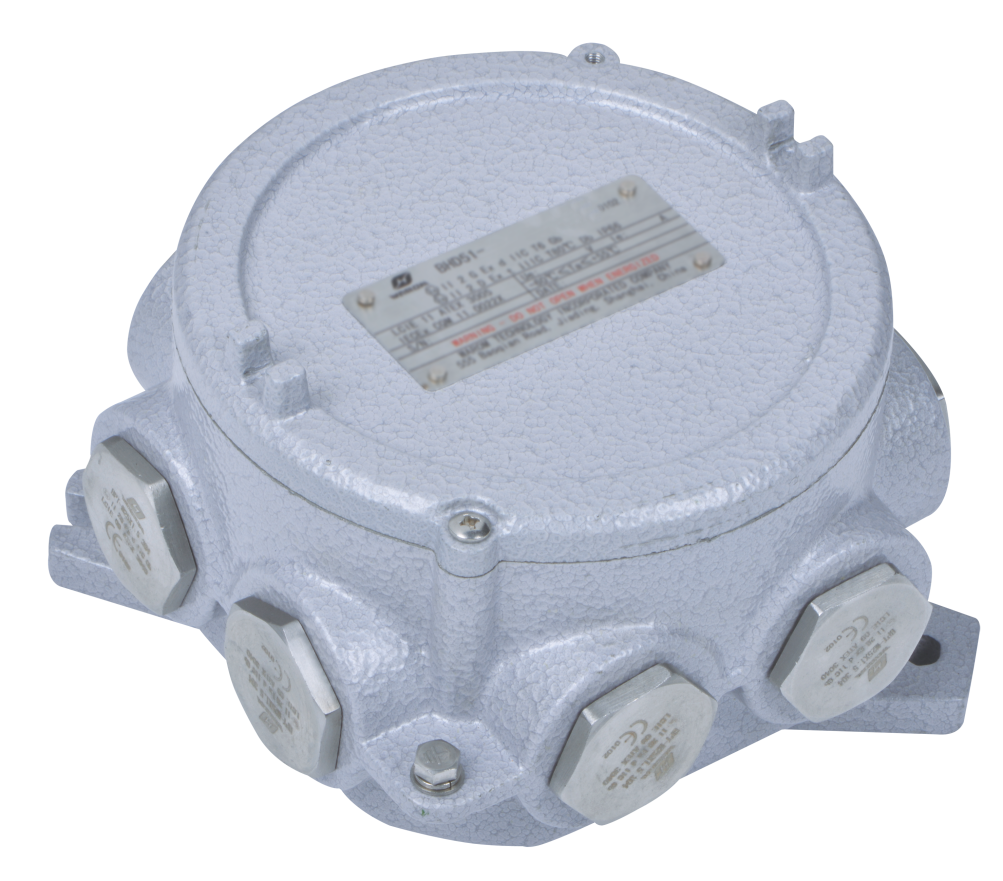
WAROM BHD91 series explosion proof junction boxes, for example, are built with copper-free aluminum alloy and carry IP66 for use in harsh environments. The same enclosure logic applies when a motor switch is mounted beside a cable marshalling or junction box: parameters like IP66 are meaningful only when the environmental context is verified.
If the motor switch enclosure will sit under coastal salt spray, monsoon rain, and periodic hose-down cleaning, it is worth confirming the gasket material and cable gland combination before finalizing the bill of materials. Send the site conditions to gm*@***om.com and we can check whether the proposed enclosure maintains its IP rating under that combined exposure.
Cable Entries and Flanges Cause the Most IP Rating Failures
The enclosure body may pass IP66 testing, but the openings in that body are still vulnerable. A cable entry that uses the wrong gland, an unapproved stopping plug, or an undersized seal makes the wall weak even when the rating is printed on the nameplate. I have seen more failed installations at the cable entries and flange gaskets than at the enclosure casting itself. The problem is not always an undersized entry; it is often a mismatch between the actual cable diameter and the gland sealing range.
On hazardous-area motor switch enclosures, cable glands should be selected for both environmental protection and explosion protection. The product documentation for WAROM DQM-II and DQM-III cable glands lists flameproof Ex db performance with IP66 protection and a sealing range suitable for specific cable diameters. If the gland chosen for a project does not have that range, the installer will either overtighten the seal or leave a path for water. Both failures are easy to avoid at the specification stage and expensive to find after commissioning.
Cable entry sealing is among the most common reasons an enclosure loses its stated IP rating after installation. <Explosion Proof Wiring: Essential Standards for Industrial Safety> covers wiring practices that keep hazardous-area enclosures from becoming the weakest point in the system.
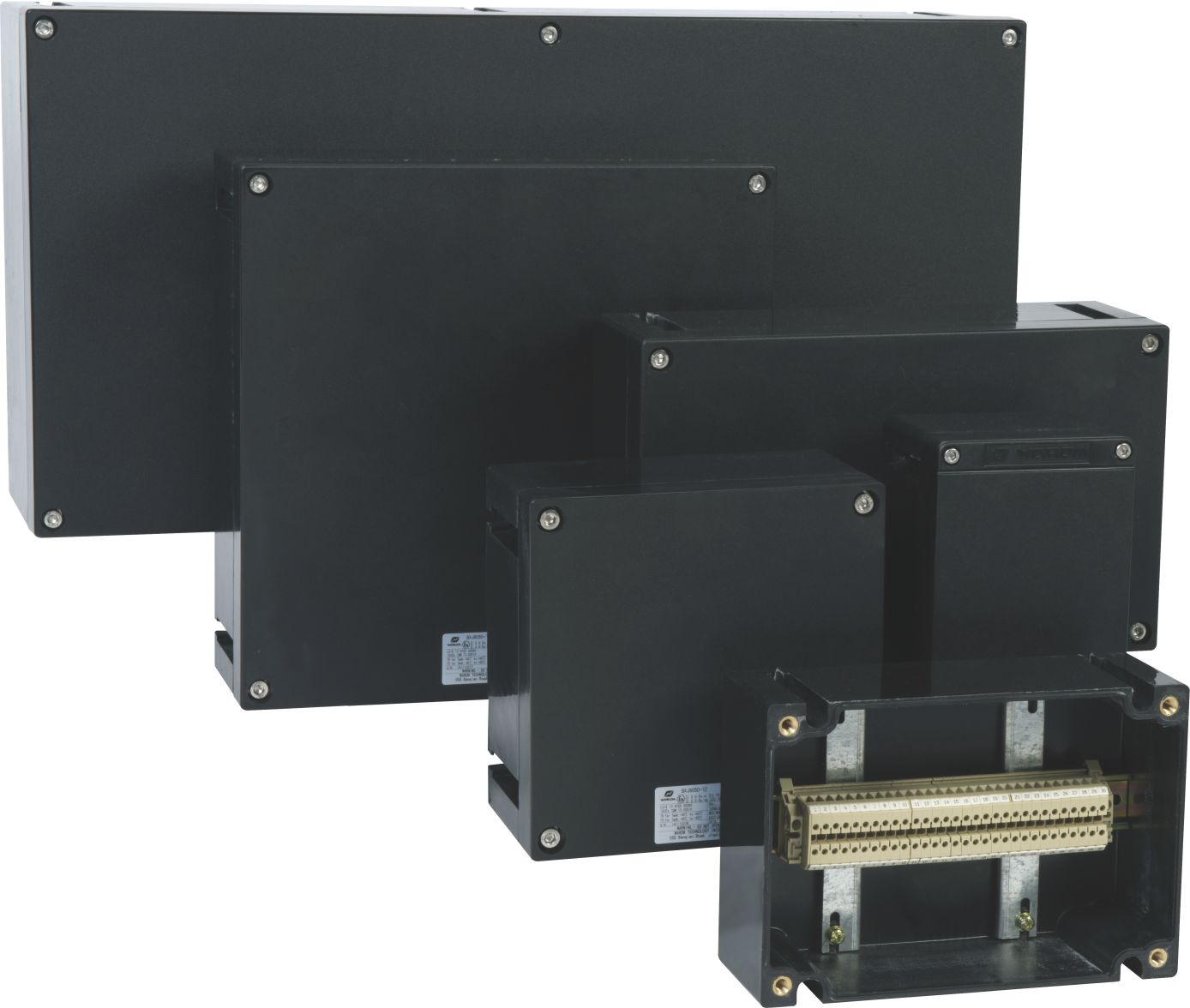
In a medium-sized chemical plant in Mexico, part of the safety upgrade involved replacing ordinary cable joints and enclosures with explosion proof plugs, junction boxes, and distribution boxes after an on-site diagnosis found flammable gas and dust risks. The technical conversation did not stop at the Ex marking; the ingress protection rating had to match the plant’s cleaning routines and the condition of the existing cable entries.
Pre-Shipment Checks Prevent Enclosure Rating Gaps
An IP66 mark on a datasheet is a claim, not a demonstration. Enclosure suppliers may test a representative sample, but production changes, gasket material substitutions, and cable entry configurations can affect the final assembly. Before shipment, request the IP test report or certificate that covers the intended enclosure size and entry arrangement. Check whether the test was performed with the same gasket material, blanking plugs, and gland types that will be used on your order.
At minimum, four checks should be made:
- Confirm the IP test standard referenced, normally IEC 60529, and the specific second digit tested.
- Confirm the documented cable entry arrangement and gland sealing range.
- Confirm the enclosure material and gasket compound match the chemicals and UV exposure at the installation.
- Confirm that the enclosure carries the Ex certificate for the hazardous area regardless of its IP rating; IP protection alone does not make an enclosure explosion proof.
On projects involving IECEx or ATEX-certified equipment, the IP rating should appear alongside the explosion protection marking. The technical documentation package should contain the type examination certificate, the test report, and the manufacturer’s assembly drawings. If the seller cannot produce documentation that connects the IP rating to the actual enclosure configuration, the safest response is to request a deviation.
Specify a Motor Switch Enclosure Rating That Survives Installation
Selecting a motor switch enclosure by IP rating alone leaves out the assembly detail that determines whether the rating survives installation. A buyer who only compares IP66 against IP66 on price can end up with two enclosures that behave very differently once cables, glands, and gaskets are installed. Getting the enclosure assembled from the start by a manufacturer that supplies the matched enclosures, cable glands, and certification data removes that guesswork.
Before you finalize the bill of materials, send the enclosure material, ambient conditions, cleaning routine, and cable entry list to gm*@***om.com, or call +86 21 39977076 / +86 21 39972657. We will check the IP rating against your installation conditions and confirm the enclosure, gland, and gasket combination you actually need.
Motor Switch Enclosure IP Rating Questions Buyers Ask
Does an IP rating replace an Ex certificate?
No, an IP rating does not replace an Ex certificate. An IP rating addresses dust and water ingress, while an Ex certificate addresses the explosion protection design, gas group, temperature class, and permitted cable glands. A motor switch enclosure can be IP66 and still be unsuitable for Zone 1 because it lacks a flameproof or increased-safety design. The reverse is also true: an Ex d enclosure can carry a lower IP rating if it is intended for a clean indoor area. Both marks must be evaluated against the location classification and the actual cleaning and weather conditions.
Is IP66 always the right choice for a motor switch enclosure?
It depends on whether the enclosure is indoors or outdoors, and on what kind of dust and water exposure is present. IP66 is a sensible default for outdoor, coastal, or hose-down locations, but it may add cost and mounting requirements that an indoor clean area does not need. A dust-tight rating, IP65 or IP66, is worth specifying wherever conductive dust, flour, coal, or metal powder is present. The more important check is the second digit: if the area is pressure washed or exposed to heavy rain, IP66 is more appropriate than IP54.
Do cable glands need the same IP rating as the enclosure?
The question moves too quickly if it assumes the gland and enclosure carry separate ratings. What matters is the completed assembly. A cable gland marked IP66 can still leak if the cable outside diameter is smaller than the gland’s sealing range, or if the installer removes the seal to fit an oversized cable. The specification should require a proven enclosure-and-gland combination with a defined clamping range and material compatible with the cable outer sheath. If the cable entry is not proven as an assembled system, the enclosure IP rating alone cannot be assumed.
Can an IP65 enclosure be modified on site to reach IP66?
A common assumption is that sealant or a replacement gasket can lift an IP65 enclosure to IP66. Field modification rarely creates a certified IP rating. Adding sealant on site may stop water under light conditions, but it does not change the enclosure’s flange geometry, cover screws, or gasket groove. Drilling new entries or fitting non-approved glands can invalidate the IP test and possibly the explosion protection certificate. If the site conditions require IP66, the better approach is to order the enclosure with factory-prepared entries and matched plugs or glands from the start.
What IP rating documentation should I request before shipment?
In projects we have worked on, the most useful review item has been the test report rather than the datasheet line. Request the IP test report or certificate that matches the enclosure size, material, and cable entry configuration on order. The report should state the test standard, normally IEC 60529, the rating achieved, and the gasket material tested. If the enclosure carries IECEx or ATEX certification, the IP rating will also appear in the certification documents. Send your rating requirements and cable list to gm*@***om.com and we will confirm which test documents apply to your enclosure assembly.
If you’re interested, check out these related articles:
Happy Mid-Autumn Festival
Explosion Proof Solutions for Coal Conveyor Safety
Explosion Proof Definition: Essential 2025 Safety Facts
Warom has become the first in the explosion-proof industry!
With over a decade of experience, he is a seasoned Explosion-Proof Electrical Engineer specializing in the design and manufacture of safety and explosion-proof products. He possesses in-depth expertise across key areas including explosion-proof systems, nuclear power lighting, marine safety, fire protection, and intelligent control systems. At Warom Technology Incorporated Company, he holds dual leadership roles as Deputy Chief Engineer for International Business and Head of the International R&D Department, where he oversees R&D initiatives and ensures the precise delivery of design documentation for international projects. Committed to advancing global industrial safety, he focuses on translating complex technologies into practical solutions, helping clients implement safer, smarter, and more reliable control systems worldwide.

Qi Lingyi