
Qualifying an explosion proof marine equipment supplier before ordering means verifying more than a certificate file. A valid IECEx or ATEX certificate, a classification society approval, or an inspection report may look complete while the equipment still fails the project’s gas group, temperature class, corrosion, or documentation requirements. Procurement teams should treat supplier qualification as a technical screening process, not a sales confidence check. The goal is to confirm that the certificates apply to the exact enclosure, protection concept, cable entries, ambient range, and marine installation conditions, and that the supplier can produce consistent, traceable equipment at the required schedule.
Why a Certificate Copy Is Not Supplier Qualification
A certificate shared by email proves only that the named equipment was assessed at a particular time. It does not prove that the equipment in the current quotation uses the same enclosure material, cable gland configuration, terminal size, paint system, or drawing revision. In marine projects, the most common supplier qualification failure is a certificate that matches the product family but not the exact model. A stainless steel terminal box can pass certification while the quoted aluminum version may not have the same temperature class or salt spray performance. Buyers should compare the certificate schedule against the drawing revision and the equipment tag before accepting any commercial proposal.
What Marine Explosion Proof Certificates Must Prove
An explosion proof certificate for marine equipment should be checked item by item, not accepted as a general family approval. The certificate is evidence only for the configuration identified in its schedule, and any change to the enclosure, entries, terminals, or protection method can move the equipment outside that evidence.
Certificate Scope Must Match the Exact Equipment
An IECEx or ATEX certificate is useful only when its model designation, drawing number, protection concept, gas group, dust group, temperature class, and equipment protection level match the equipment being offered. Mismatches often hide in small details: a changed cable entry thread, a different gland material, a modified terminal cross section, or a revised gland plate. Ask for the certificate schedule and compare it line by line with the quotation and the manufacturer’s declaration of conformity.
Check the Issuing Body’s Public Database
Certificates can be revoked, suspended, or updated. The supplier’s reference number should be checked against the relevant certification body or IECEx public certificate system. The same discipline applies to ATEX quality assurance notifications and classification society certificates. Do not accept a certificate as current because the label is visible in a photograph.
Marine Class Approval Is Separate From Product Certification
Explosion proof certification by IECEx or ATEX does not automatically satisfy vessel classification requirements. Classification societies may require type approval, design assessment, or witness testing for equipment installed in engine rooms, pump rooms, cargo areas, or open decks. For marine orders, ask which classification society the project requires, such as CCS, DNV, BV, ABS, or LR, and confirm that the supplier has obtained or can obtain the specific approval path.
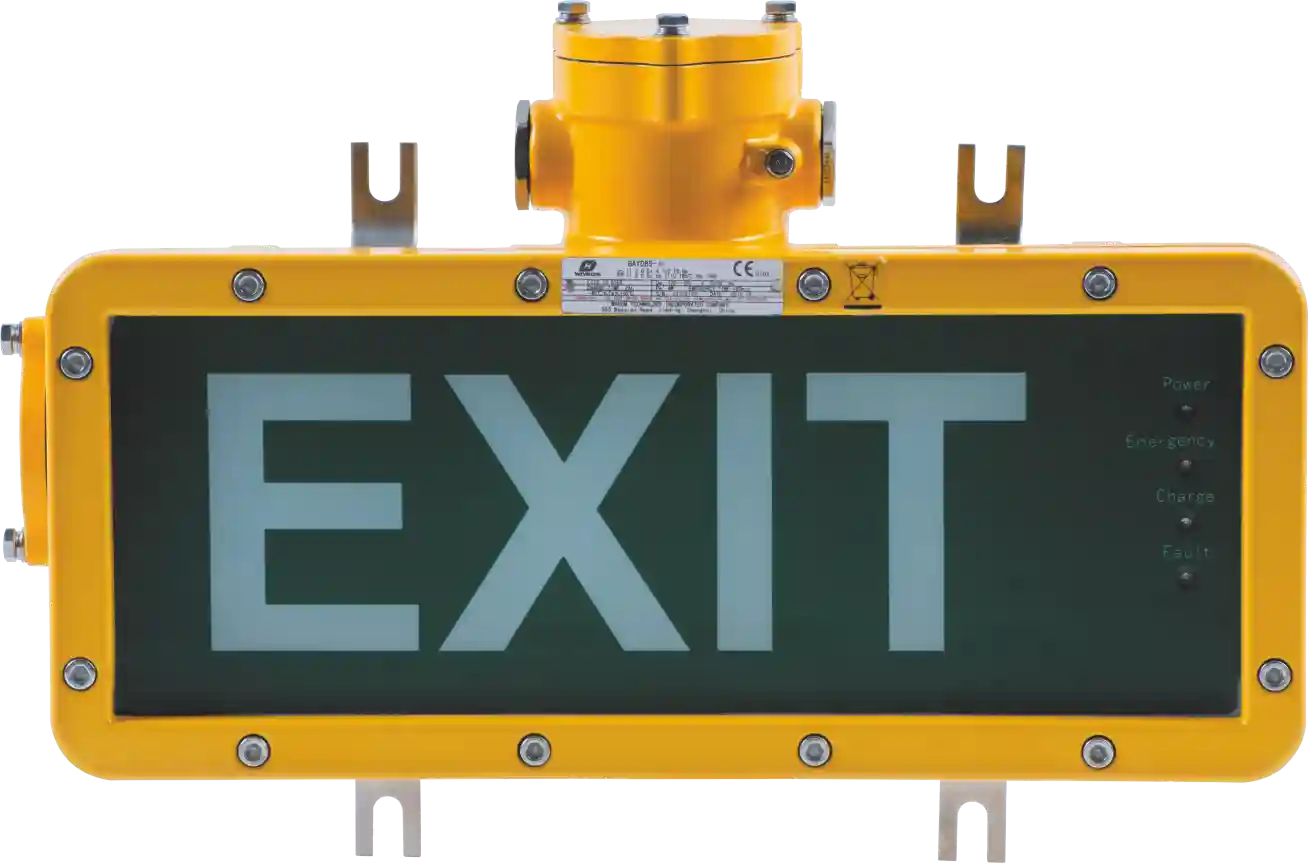
Marine emergency escape lighting is a useful test case because it combines a certified light fitting with emergency system behavior. A supplier may quote an emergency exit light with IP66 and LED source, but the buyer must still check emergency duration, standby switching, and any class requirement for the escape route.
How to Check Marine Project Experience
Project references should show that the supplier has handled the external approval and installation conditions that marine work adds. A land-based oil and gas reference for wellpads, a central processing facility, and pipelines confirms hazardous-area delivery capability. It does not by itself prove that the supplier understands salt-laden marine atmospheres, classification society design review, or vessel installation constraints. Ask for references that identify vessel type, hazardous area classification, equipment category, and the approval path used.
A supplier’s marine experience should line up with the vessel or platform environments in the project scope. <Explosion Proof Solutions for FPSO Vessel Safety> covers explosion proof solutions for FPSO vessel safety, where topside and marine classification requirements meet.
The same logic applies to offshore wind service vessels, drillships, jack-up rigs, and LNG carriers. A supplier should be able to connect each equipment family to the required standard, protection method, and classification deliverable rather than treating marine products as ordinary industrial items with a different paint color.
Documents to Request Before Ordering
A complete RFQ should ask for the documents that allow an independent check before price becomes the main criterion.
| Document or data | What to verify | Why it matters |
|---|---|---|
| IECEx or ATEX certificate and schedule | Model, drawing revision, protection concept, gas or dust group, T class, EPL | Confirms the exact item is certified, not just the series |
| Declaration of conformity | Manufacturer name, signing authority, applied standards, date | Links the equipment to the certificates and applicable directives |
| Material and finish traceability | Enclosure alloy, stainless grade, paint or coating, fasteners | Identifies corrosion risk in salt-laden marine atmospheres |
| Ambient and ingress ratings | Ta or Tamb range, IP66 or IP67, corrosion class | Verifies the equipment can operate in the stated deck or process area |
| Cable entry schedule | Thread form, gland type, plating, cable diameter range, number of entries | Prevents a certified enclosure from being opened incorrectly |
| Routine test records | Earth continuity, dielectric test, torque records, function checks | Confirms the supplier has production controls, not just paperwork |
Reject this RFQ line: “Explosion proof marine equipment suitable for Zone 1, IP66, as per certificates.” Replace it with: “Equipment shall carry a valid IECEx or ATEX certificate and declaration of conformity for the exact model and drawing revision; gas group IIC and T4 or T6 as specified; protection concept Ex d or Ex e as designed; enclosure in 316L stainless steel or copper-free aluminum with WF2 corrosion class; cable entries M25x1.5 with nickel plated brass glands suitable for 12.5 to 20.5 mm cable; operating ambient from -40°C to +60°C; IP66 minimum; classification society approval if required.”
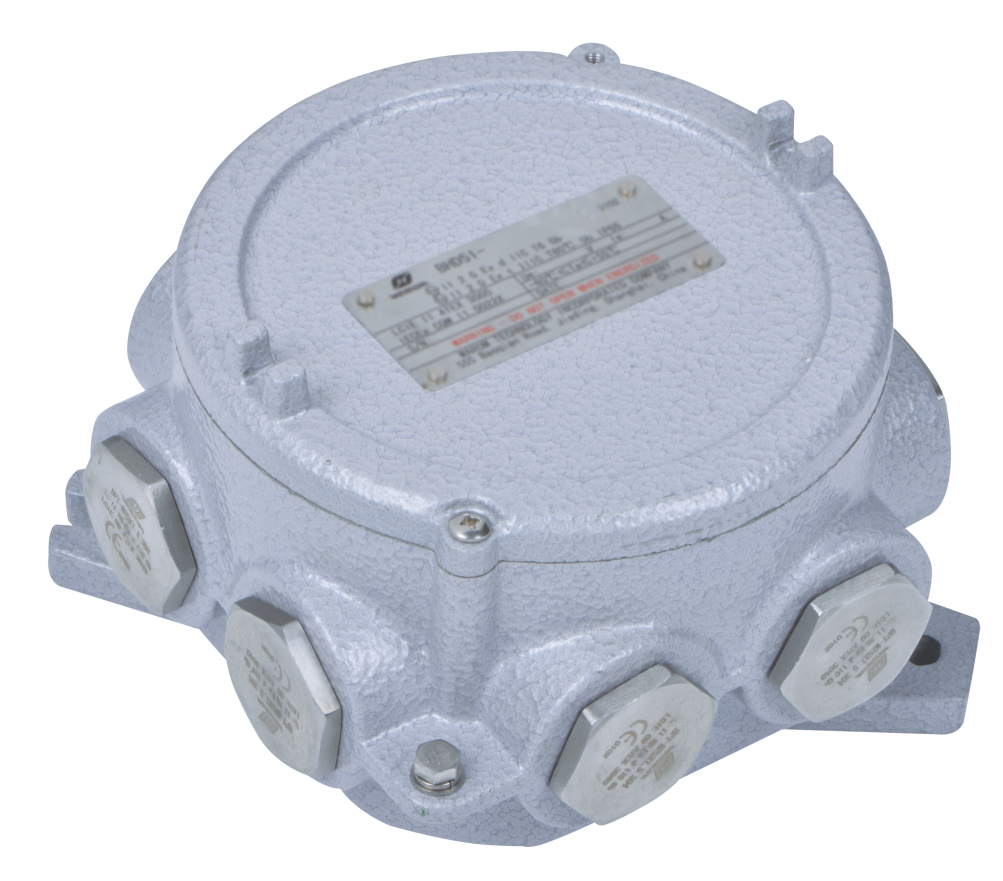
A junction box or terminal box belongs in the same evidence trail. Ask the supplier to show that the enclosure material, earthing points, and cable entry options match the certified drawings.
Factory Controls Worth Auditing Before You Commit
Supplier qualification does not stop at product certification. The production site should be able to demonstrate control over enclosure alloys, fastener grades, thread forms, painting or powder coating, and assembly torque. For marine equipment, salt spray and corrosion performance depend on material selection and surface treatment. A supplier that can trace a stainless steel heat number or confirm that exposed fasteners are stainless steel is easier to audit than one that can only repeat the marketing description.
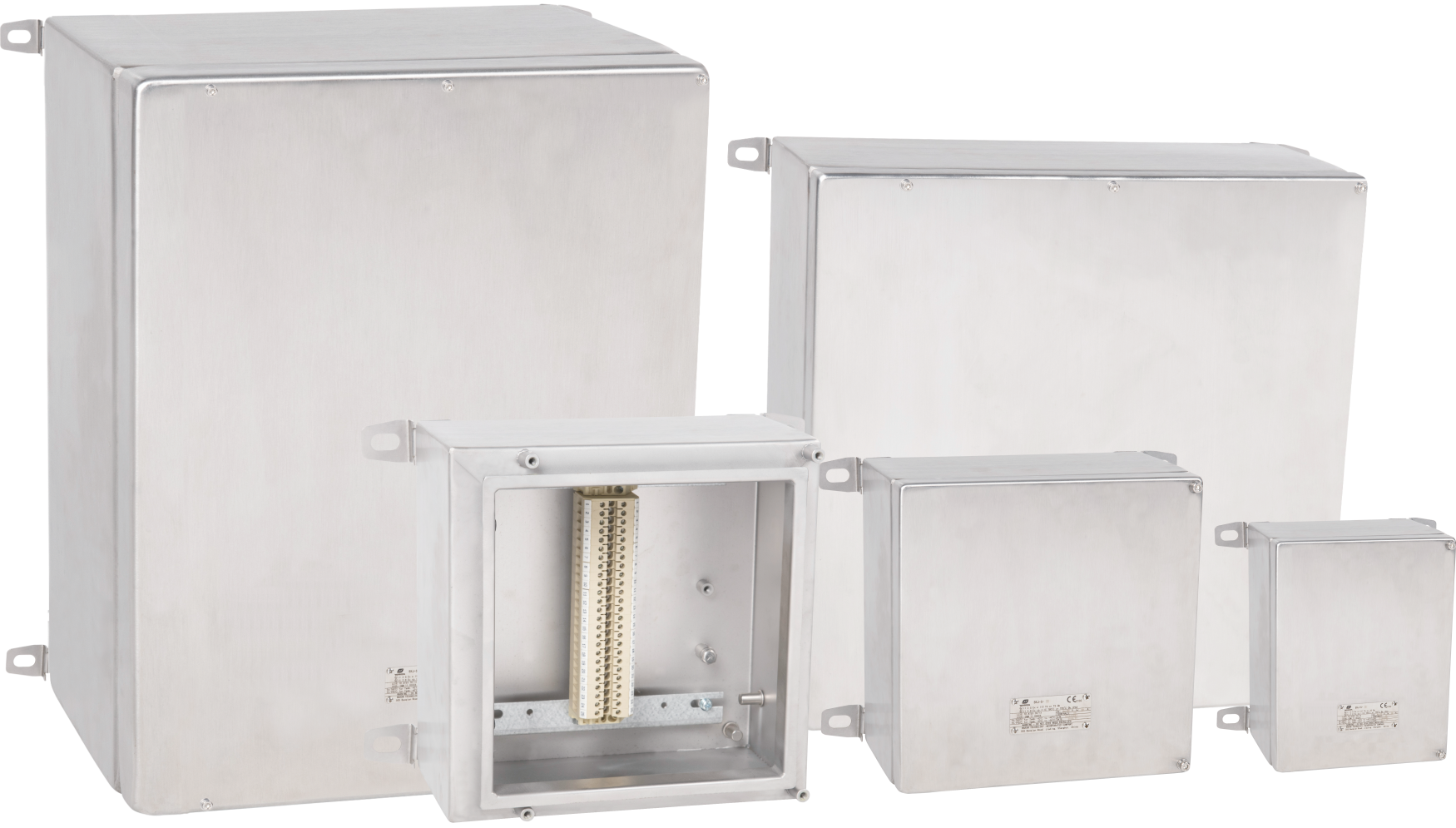
Product data sheets become useful when they carry the same values the buyer can check against routine records. For example, product data from Warom may show a marine terminal box with IP66, stainless steel fasteners, anti-loosening treatment, internal and external earthing, and an operating range at or beyond the project’s ambient limits. The buyer can use those named values to request the matching production records.
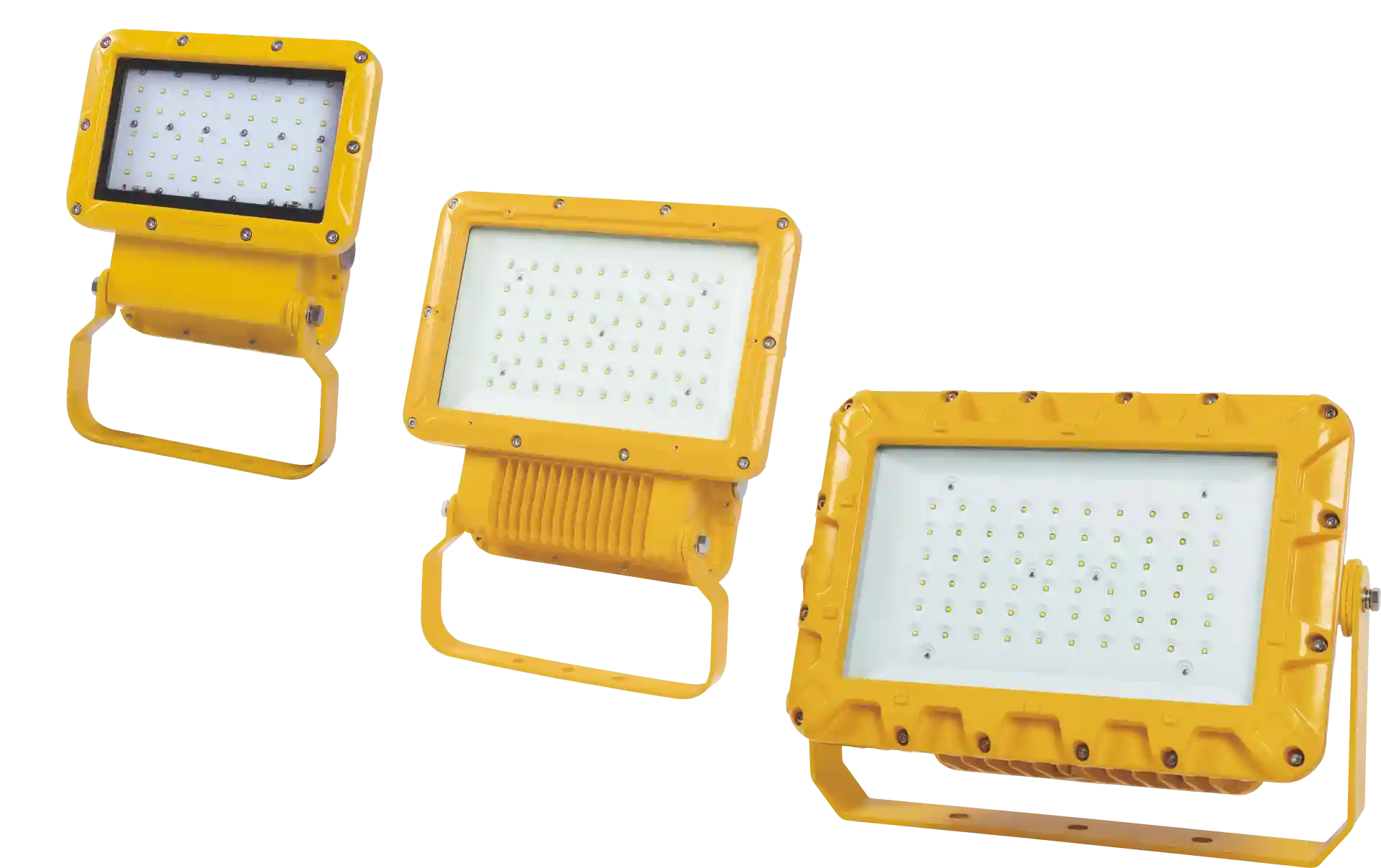
The same approach applies to LED floodlights. A marine floodlight should specify ingress protection, corrosion class, light source, color temperature, cable entry, and acceptable ambient temperatures. Those values are only useful if the supplier can provide the routine test and traceability file for the actual batch.
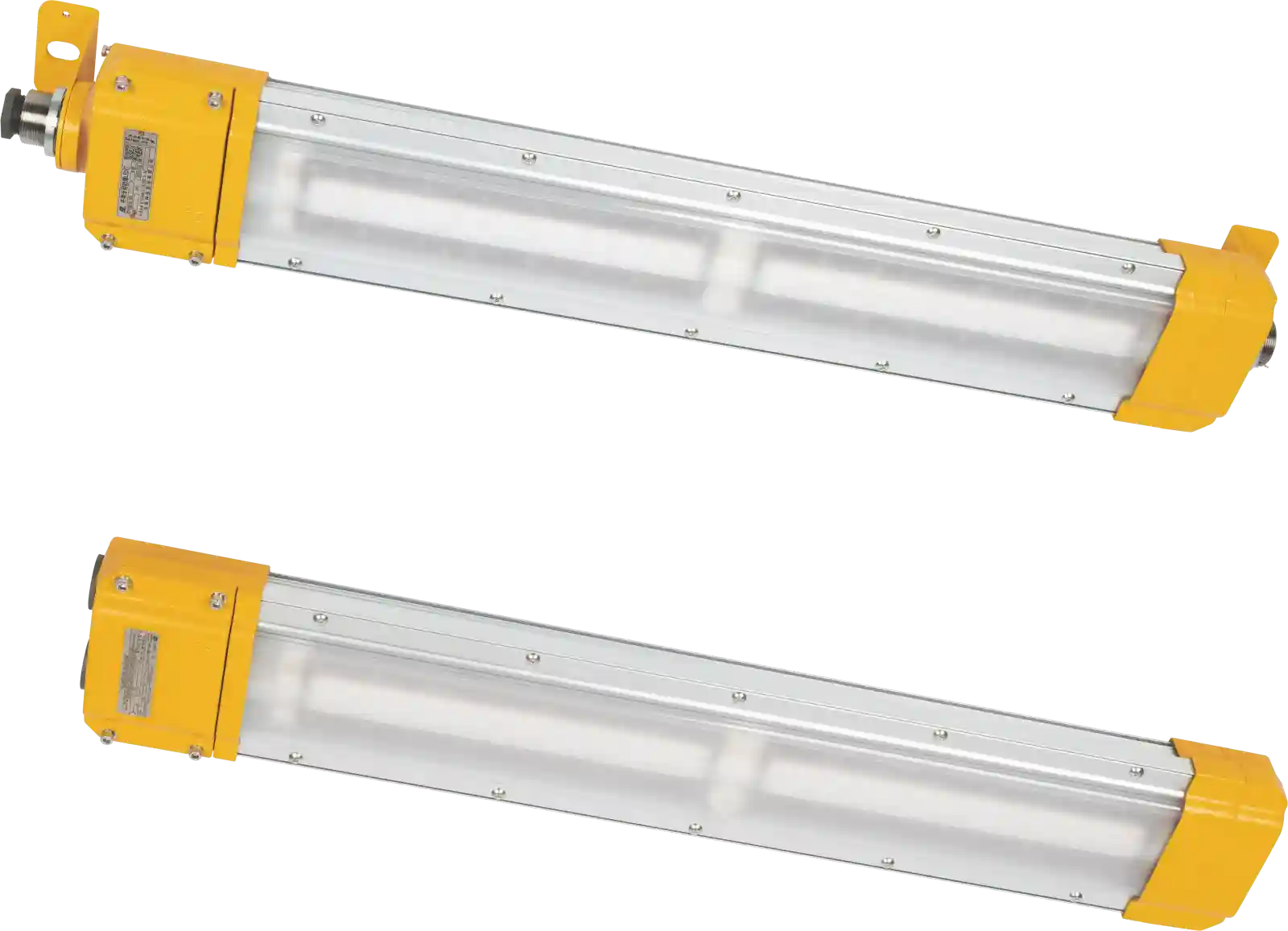
In areas where linear or fluorescent-style lighting is preferred for lower glare or existing layout, the buyer should compare the same control fields: IP rating, ambient range, lamp type, terminal size, and cable entry arrangement.
How to Compare Supplier Quotes Safely
When quotes arrive, do not compare only unit prices. Compare the certified configurations, material grades, entry sizes, approved glands, temperature classes, and test documentation offered. A cheaper quote may omit stainless steel fasteners, simplify the cable entry schedule, or rely on a general certificate that does not cover the proposed configuration. Request a compliance matrix from each supplier so that the differences become visible before commercial negotiation.
The most useful price comparison is not the cheapest line item, but the complete technical package. A lower price that removes traceability, changes the enclosure alloy, or leaves certification ambiguity should be treated as a different scope, not a better deal.
Next Step Request a Qualification Package
Send the supplier your hazardous area classification, equipment tag list, cable schedule, ambient range, and the classification society or marine standard that must be satisfied. Ask for the certificate covering each exact model and drawing revision, declaration of conformity, routine test records, and at least one project reference with comparable vessel or offshore platform conditions. Contact WAROM TECHNOLOGY INCORPORATED COMPANY at gm*@***om.com or +86 21 39977076 / +86 21 39972657 to confirm certification, technical selection, and delivery schedule for your project.
Supplier Qualification FAQ
Is IECEx enough, or does the supplier also need ATEX?
IECEx certification covers the explosion protection assessment, but the destination and vessel may require ATEX, UKEX, local approvals, or classification society acceptance. For European flag or EU projects, ATEX is normally required. For many export projects, an IECEx certificate is useful, but the buyer must confirm which local certificate and marking will be accepted before the order. Ask the supplier for the relevant certificate and declaration of conformity for the destination.
What if the certificate model number matches only part of the quotation?
Any mismatch between the certificate schedule and the exact drawing, enclosure, cable entry, gland, or terminal configuration is a reason to stop. A certificate for an M25 gland does not automatically cover a different cable entry or a modified gland plate. Request an updated certificate, a manufacturer letter confirming coverage, or change the specification to the certified configuration.
How can a buyer check a supplier’s certificate online?
Request the certificate number and issuing body. IECEx certificates can be checked through the IECEx certificate database, and ATEX certificates can be checked with the notified body that issued the certificate. Cross-check the holder name, model, standards, and current status. If the supplier cannot provide a clear certificate number or the database entry shows a different model, do not proceed.
What factory documents should be on the shipping record?
Ask for material and heat traceability for pressure-containing enclosures, routine dielectric test results, earth continuity records, installation and torque instructions, dimensional drawings, and the certificate of conformity. For marine equipment, ask for the surface treatment and fastener material records. These documents should be linked to the equipment serial number and drawing revision.
If you’re interested, check out these related articles:
Warom Technology Shines CSSOPE 2024
Choosing Explosion Proof Lights: An Expert Safety Guide
Happy National Day
WAROM Explosion-proof Accelerates Global Expansion and Deepens Local Services in the Middle East Market
With over a decade of experience, he is a seasoned Explosion-Proof Electrical Engineer specializing in the design and manufacture of safety and explosion-proof products. He possesses in-depth expertise across key areas including explosion-proof systems, nuclear power lighting, marine safety, fire protection, and intelligent control systems. At Warom Technology Incorporated Company, he holds dual leadership roles as Deputy Chief Engineer for International Business and Head of the International R&D Department, where he oversees R&D initiatives and ensures the precise delivery of design documentation for international projects. Committed to advancing global industrial safety, he focuses on translating complex technologies into practical solutions, helping clients implement safer, smarter, and more reliable control systems worldwide.
Qi Lingyi