
A procurement manager receives two quotes for the same Ex d junction box. One is 30 percent cheaper, both carry an IECEx logo, and neither photo shows enough detail to tell them apart. That is the moment counterfeit explosion proof electrical equipment enters a project. In three decades of factory and field work, I have learned that most counterfeits do not fail because the casting looks wrong. They fail because the certificate, the marking, and the supply chain do not match. This article runs through the checks I make before accepting any explosion proof electrical equipment, starting with documentation because that is where an unqualified supplier usually folds first.
Why Counterfeit Explosion Proof Electrical Equipment Reaches Project Sites
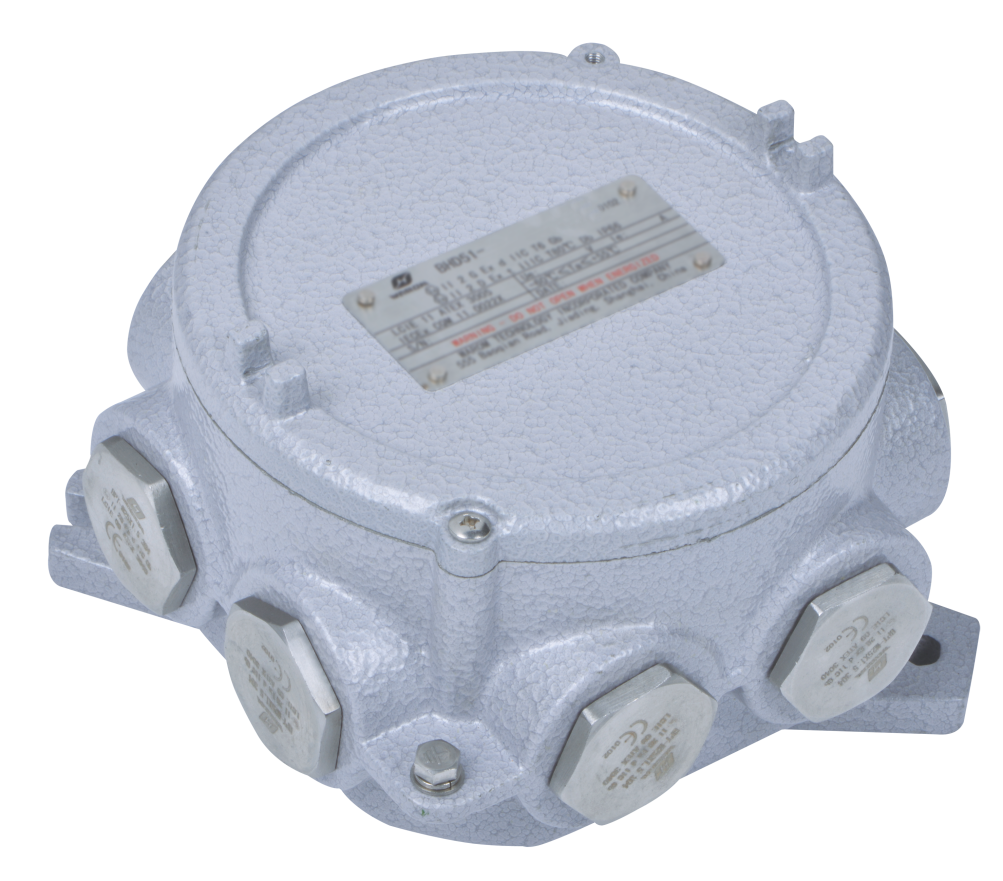
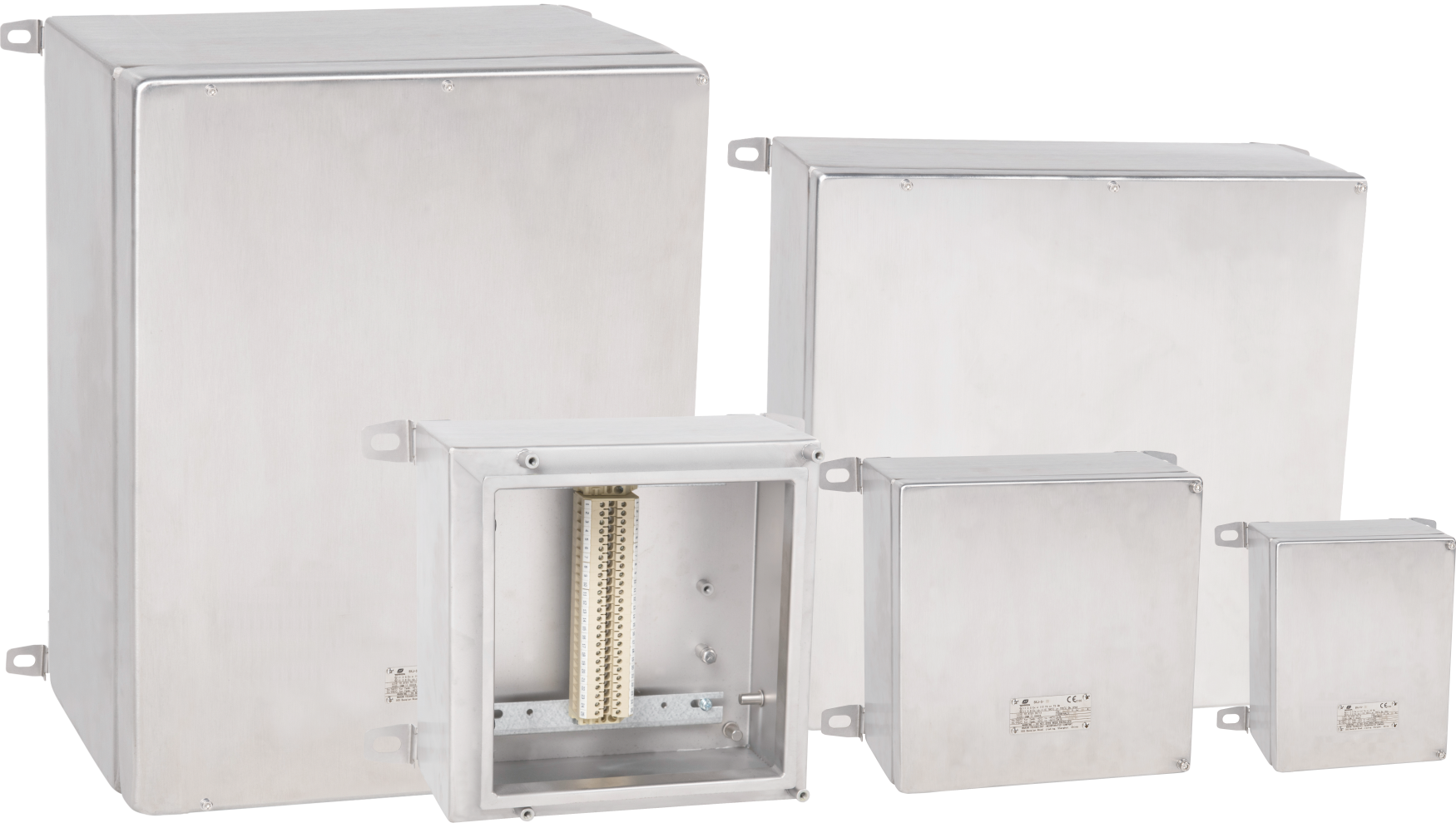
The main pressure is procurement cost. A project buyer gets a target price that is lower than the certified material and machining cost, so someone in the chain finds a trader who can show a certificate. Counterfeiters rely on a simple fact: many purchasing teams stop at the PDF. They do not check whether the certificate number is still valid, whether the product model matches, or whether the manufacturer on the invoice is the same legal entity listed on the certificate. I have seen enclosures with good external castings but flame path surfaces that were rough enough to change the explosion protection behavior. In other cases, the shell was genuine but the internal terminals and glands were replaced with standard industrial parts. A BHD91 series flameproof junction box has a controlled Ex d enclosure and IP66 protection as part of its certified design. A copied shell can carry the same labels and still fail the mechanical checks.
In coal mining projects, the failure risk moves beyond procurement loss. <Group I Explosion Proof Lighting for Coal Mines: Safety First> covers the Group I certification and inspection checks that a genuine fitting must pass before it goes underground.
Which Documents Expose Counterfeit Explosion Proof Equipment Before Purchase
A certificate is a live record, not a decoration. Before you compare prices, ask the supplier for the certificate number and the issuing body. Then look it up on the IECEx certificate database or with the notified body that issued the ATEX certificate. The equipment model on the certificate must match the quotation, and the marking must match the nameplate. If the supplier sends only a paper copy and will not give a number that resolves in the database, stop there. You have already caught the problem before spending anything.
| Field | What to check | Red flag |
|---|---|---|
| Certificate number | Enter it into the IECEx database or check with the notified body | Not found, expired, or linked to another model |
| Equipment model | Must match the nameplate exactly | Extra letter or same number with wrong environment |
| Gas group and T class | Compare certificate and nameplate | Lower rating than the site requires |
| Enclosure material | Must match the certificate and drawing | Certificate says aluminum, quote says steel |
| Manufacturer name and address | Must be consistent across documents | Different legal entity on the invoice |
How to Check an IECEx Certificate Without Delaying the Quote
- Ask for the certificate number, not just the PDF.
- Open the IECEx certificate database and enter the number.
- Check that the holder name matches the seller or the listed manufacturer.
- Confirm the model, gas group, temperature class, and enclosure material.
- If the certificate is revoked or expired, reject the quote.
What the Nameplate Must Match
The certificate description is the baseline. The nameplate should carry the same model, the same Ex marking, the same certificate number, and the same manufacturer name. A missing serial number is not a small detail. Serial numbers link the machining record and final inspection to the installed site, and a counterfeit seller rarely maintains that record.
Why the Supply Chain Record Matters
A valid certificate does not prove that the unit in the box is the one that was certified. Ask for the packing list, the manufacturer’s test report, and the order confirmation that ties the batch to the certificate holder. If the invoice comes from one company and the certificate from another, confirm the relationship in writing. Counterfeit supply chains often hide behind a real certificate borrowed from a different project.
How to Inspect a Nameplate on Explosion Proof Electrical Equipment
Visual inspection adds value after the documentation check. Request a close photo of the nameplate, not a catalogue image. Look for uneven engraving, reprinted labels, incorrect font weight, or an Ex marking that does not match the certificate. On cast enclosures, compare the surface finish and fasteners with the manufacturer’s published drawings. Genuine explosion proof enclosures use stainless steel fasteners and controlled flame paths. Copies often use plated steel fasteners that corrode quickly and do not hold the same dimensional tolerance.
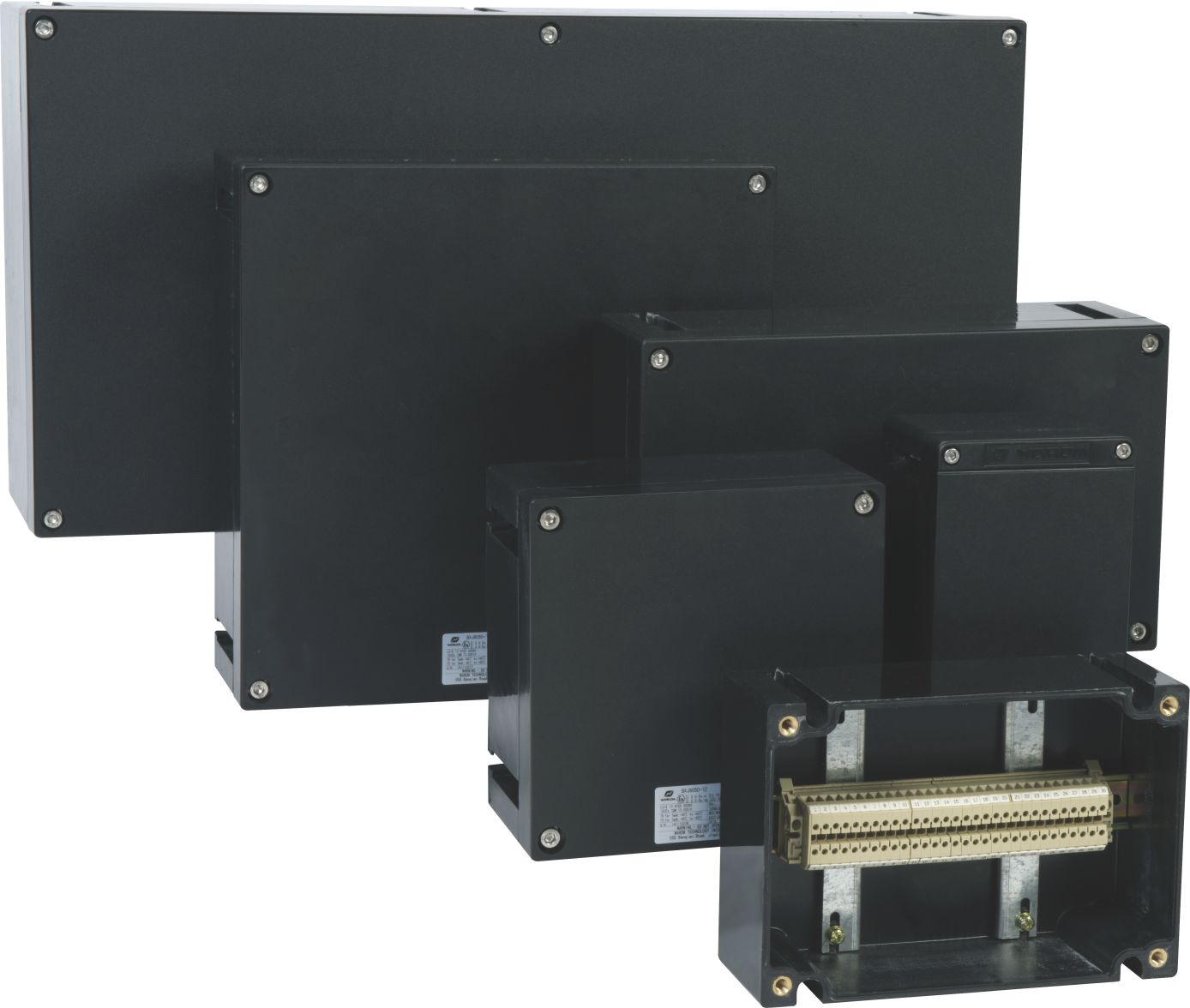
Compare the cable entries with the certificate as well. A terminal box certificate lists the enclosure material, entry thread, rated current, and terminal size. A seller who cannot confirm those details from the certificate is guessing. If the photo shows metric threads where the certificate lists NPT, treat it as a mismatch rather than a minor variation.
If your program includes mixed certified and uncertified components, it is worth confirming the certificate scope before you finalize the bill of materials. Send the certificate number and a clear nameplate photo to gm*@***om.com and we will check the protection method and gas group against your hazardous area classification.
What Factory Tests Separate Certified Equipment from Counterfeit Copies
The difference is not always visible outside. Certified manufacturers control the flame path gaps, surface finish, pressure withstand, and thermal performance against the standard. A counterfeit supplier may copy the outer shape and ignore the internal tolerances. Factory acceptance tests give you a way to see the controls before shipment. If the order size justifies it, ask to witness the routine tests or get a signed test report that matches the serial number you will receive.
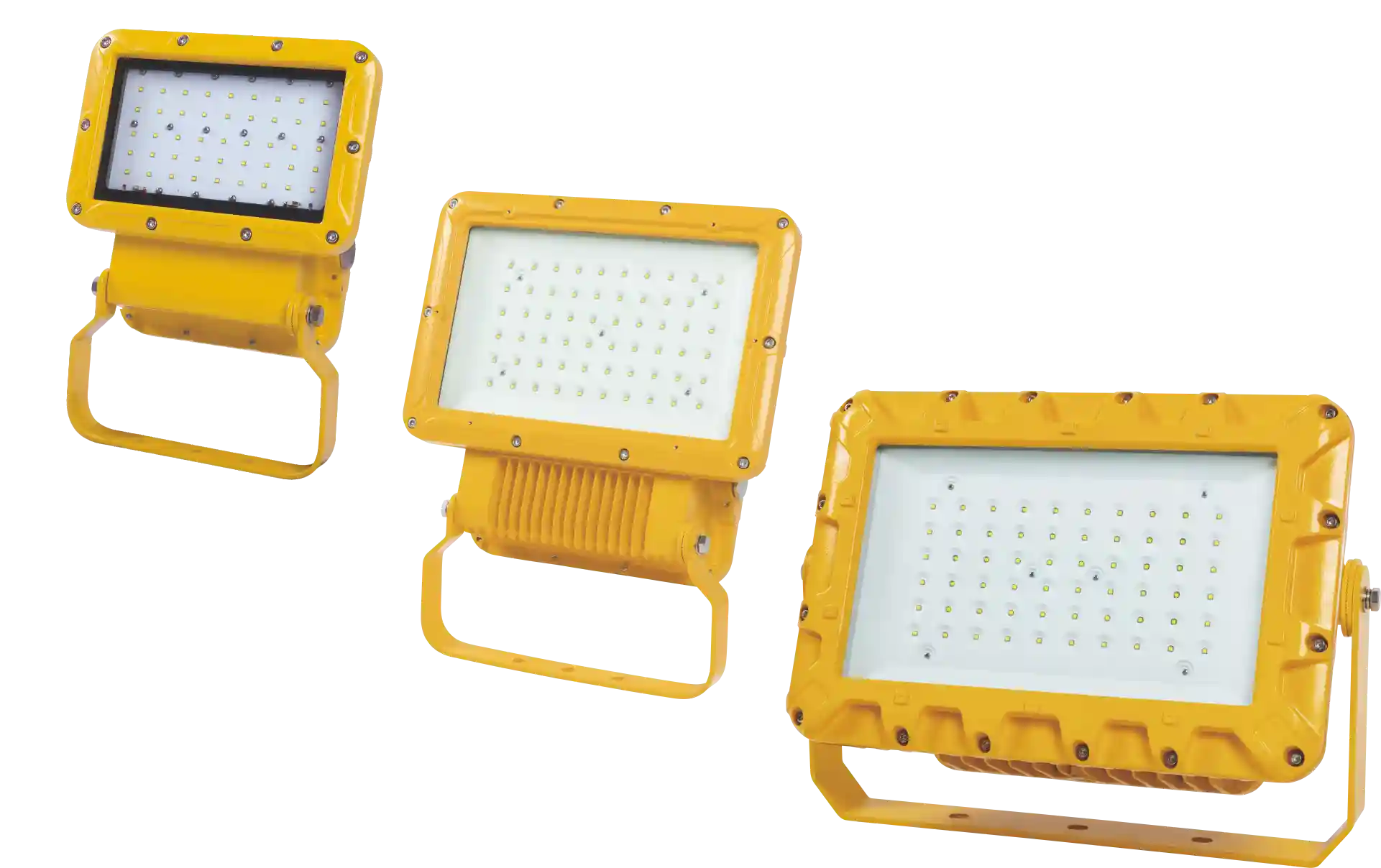
For lighting, the driver and temperature behavior matter because a copied housing with an uncertified LED driver can run hotter than the temperature class allows. In our BAT86 explosion proof LED floodlight, the steel lamp body and built-in constant current LED driver are part of the certified design. A copy that keeps the casting and swaps the driver may no longer hold the intended temperature performance. For terminal boxes and junction boxes, the terminal current rating and creepage distances are the points to compare against the certificate. Ask specifically what was tested and what limits were accepted.
Controlled manufacturing leaves a paper trail that a copied casting cannot match. <Improve Product Quality And Be A Good Safety Guard> walks through the production quality checks that separate a certified manufacturer from a trading company with a laser printer.
What a Supplier Should Confirm Before You Finalize the Order
Before you issue a purchase order, send a short list of requirements. The supplier must confirm the certificate number in the live database, the exact nameplate data, the enclosure material, the cable entry standard, and the factory test report. If any item is missing or the seller says the certificate is equivalent instead of showing the record, move to the next source. This is not a formality. It is the point where a counterfeit supplier either drops out or asks for payment first.
If the equipment must arrive with documentation you can verify, we can check the marking against the certificate before you commit. Send the certificate number and a clear nameplate photo to gm*@***om.com. You can also call +86 21 39977076 or +86 21 39972657 to discuss the hazardous area classification with one of our engineers. The goal is to confirm the product matches the certificate before it reaches your site, not after it is installed.
What Buyers Still Ask About Counterfeit Explosion Proof Equipment
Is a lower price always a sign of counterfeit equipment?
No, but a price far below the certified material and machining cost usually is. If an aluminum Ex d enclosure quote is lower than the raw casting plus terminal blocks and final testing would reasonably cost, someone is removing value from the product. Sometimes the supplier is sitting on old stock, but dated stock still needs a valid certificate and should match the current marking rules. Ask for the certificate and the test report before treating the low price as a win.
Can a valid certificate be used for a counterfeit product?
Yes. This is the most common trick I see. A seller borrows a real certificate number from a different model, an expired project, or another manufacturer and prints it on a reproduced nameplate. That is why the certificate check must go past the PDF. Enter the number in the issuing database and compare the model, gas group, temperature class, enclosure material, and manufacturer name. If any field does not match, the certificate does not cover the product.
Does visual inspection catch most counterfeit explosion proof equipment?
Only if you know what the certified casting and marking should look like. Visual checks are useful after the document check, not before it. A copy can look cleaner than a worn genuine unit, especially in a supplier photograph. The higher-value signals are machining finish on the flame path, fastener material, entry threads, and color or texture on the enclosure. Without the certificate as the reference, visual inspection becomes guesswork rather than verification.
What should I do if I already received suspect equipment?
It depends on whether the equipment has been installed. If it is still in the warehouse, quarantine it immediately and do not open it in a hazardous area. Photograph the nameplate and packing label, then check the certificate number in the IECEx database or with the ATEX notified body. If it has been installed or wired, isolate the circuit and involve the site electrical authority before doing anything else. For a fast check, send the nameplate photo and the certificate number to gm*@***om.com and we will confirm whether the marking is valid for your environment.
If you’re interested, check out these related articles:
APPEA 2024
PETROLEUM ENERGY SHOW 2024
Explosion-Proof High Mast Lighting for LNG Terminal Safety
With over a decade of experience, he is a seasoned Explosion-Proof Electrical Engineer specializing in the design and manufacture of safety and explosion-proof products. He possesses in-depth expertise across key areas including explosion-proof systems, nuclear power lighting, marine safety, fire protection, and intelligent control systems. At Warom Technology Incorporated Company, he holds dual leadership roles as Deputy Chief Engineer for International Business and Head of the International R&D Department, where he oversees R&D initiatives and ensures the precise delivery of design documentation for international projects. Committed to advancing global industrial safety, he focuses on translating complex technologies into practical solutions, helping clients implement safer, smarter, and more reliable control systems worldwide.
Qi Lingyi