

For buyers of explosion proof control equipment, lead time is not a single number quoted at the first inquiry. It is the result of drawing approval, certification scope, enclosure configuration, component availability, factory loading, and final documentation. A standard control station may move quickly after the technical data is complete, while a custom panel with PLC integration and multiple third-party certificates will follow a longer sequence of approvals. The practical planning approach is to define the configuration first and then ask the supplier for a milestone schedule rather than a bare delivery week.
Why Explosion Proof Control Equipment Lead Times Vary
Explosion proof control equipment covers a wide range of products, from pushbutton stations and selector switches to motor starters, distribution panels, control stations, and complete control cabinets. Each order carries a different engineering intensity. A standard catalogue product with a defined wiring layout, terminal arrangement, and certificate package can often enter production sooner than a custom panel that requires new drawings, component selection, and additional review.
The main schedule difference is not always the product itself. It is how much of the technical definition is already fixed. When the zone classification, certificate route, electrical data, enclosure material, cable entries, and control function are confirmed before the order is placed, the supplier can begin design and production without waiting for repeated clarification. When those inputs arrive in stages, the delivery date moves with each open item.
How Engineering Review and Documentation Set the Schedule
The first stage of a real lead time is engineering release. Before production begins, the supplier must review the project data against the requested protection method and the customer’s control sequence. The review typically includes:
- hazardous area classification
- gas or dust group and temperature class
- supply voltage, phase, frequency, and load data
- cable entry type, size, and direction
- control functions such as start, stop, emergency stop, interlock, or PLC interface
- required documentation and witness testing
An incomplete input does not stop the clock. It creates a sequence of approval loops. If the control panel drawing must be revised because a motor rating changes or a cable schedule is updated, the production release date can move even though the equipment type remains the same. The most reliable way to protect the schedule is to freeze the technical data before the drawing review begins.
How Certification and Zone Classification Change the Timeline
The certification route is one of the largest variables in lead time. A project may require ATEX, IECEx, UL, NEC, or a combination of schemes, and each route has its own marking, documentation, and review expectations. A control enclosure that must satisfy both IECEx and UL requirements may need different components, additional marking review, or separate test evidence. The configured package can still be supplied, but the schedule must allow for those parallel or sequential approval steps.
Zone classification also drives the protection method. A Zone 1 gas area may use a flameproof Ex d enclosure or an increased safety Ex e arrangement, while a dust atmosphere requires a dust-tight design with controlled surface temperature. If the specification says only “hazardous area” without stating the gas group, temperature class, or division, the supplier cannot release manufacturing drawings.
Before you freeze a control equipment specification, confirm whether the hazardous area is gas, dust, or a combination. <Zone 21 Dust Hazards: Essential Explosion Proof Electrical Equipment> covers the equipment requirements for Zone 21 dust atmospheres.
How Configuration Materials and Components Affect Delivery
Enclosure configuration has a direct effect on production time. A standard aluminum or GRP enclosure may be available quickly in raw form, but machining for cable entries, pushbutton holes, terminal rails, and mounting plates can add scheduling steps. Stainless steel enclosures used for marine or coastal projects can involve longer material supply and machining time. The same applies to special gland plates, multiple cable entries, and mixed metric and NPT threads.
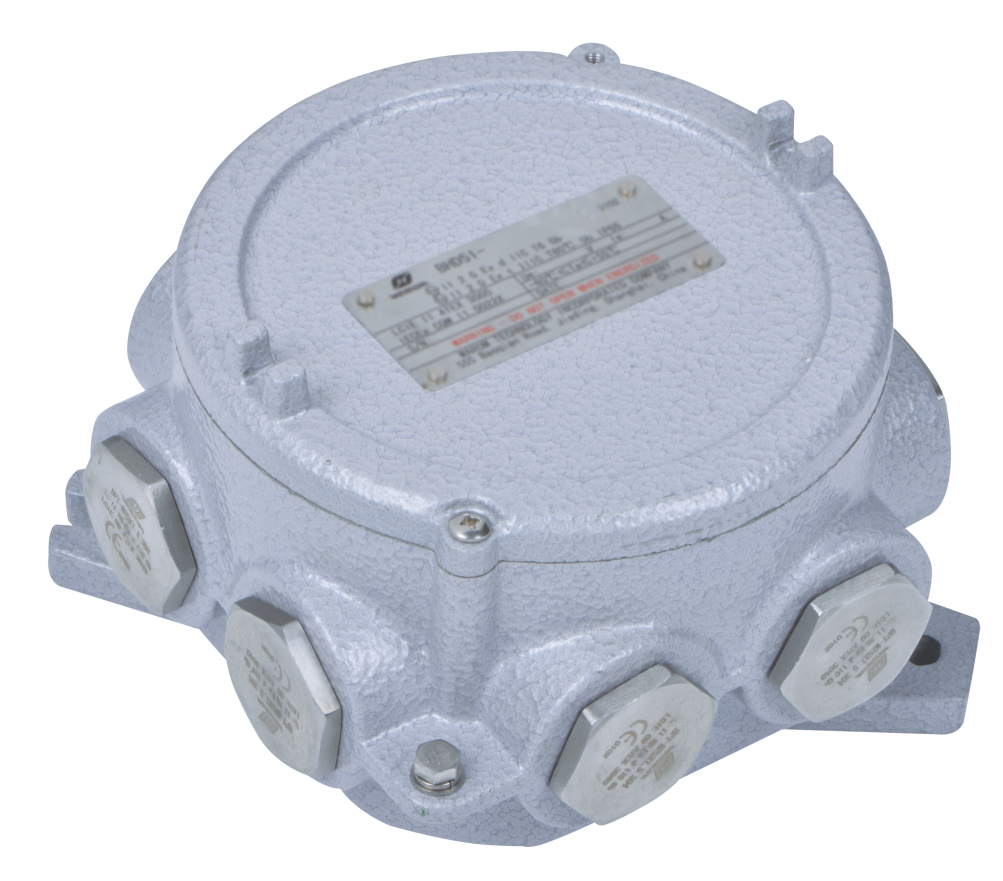
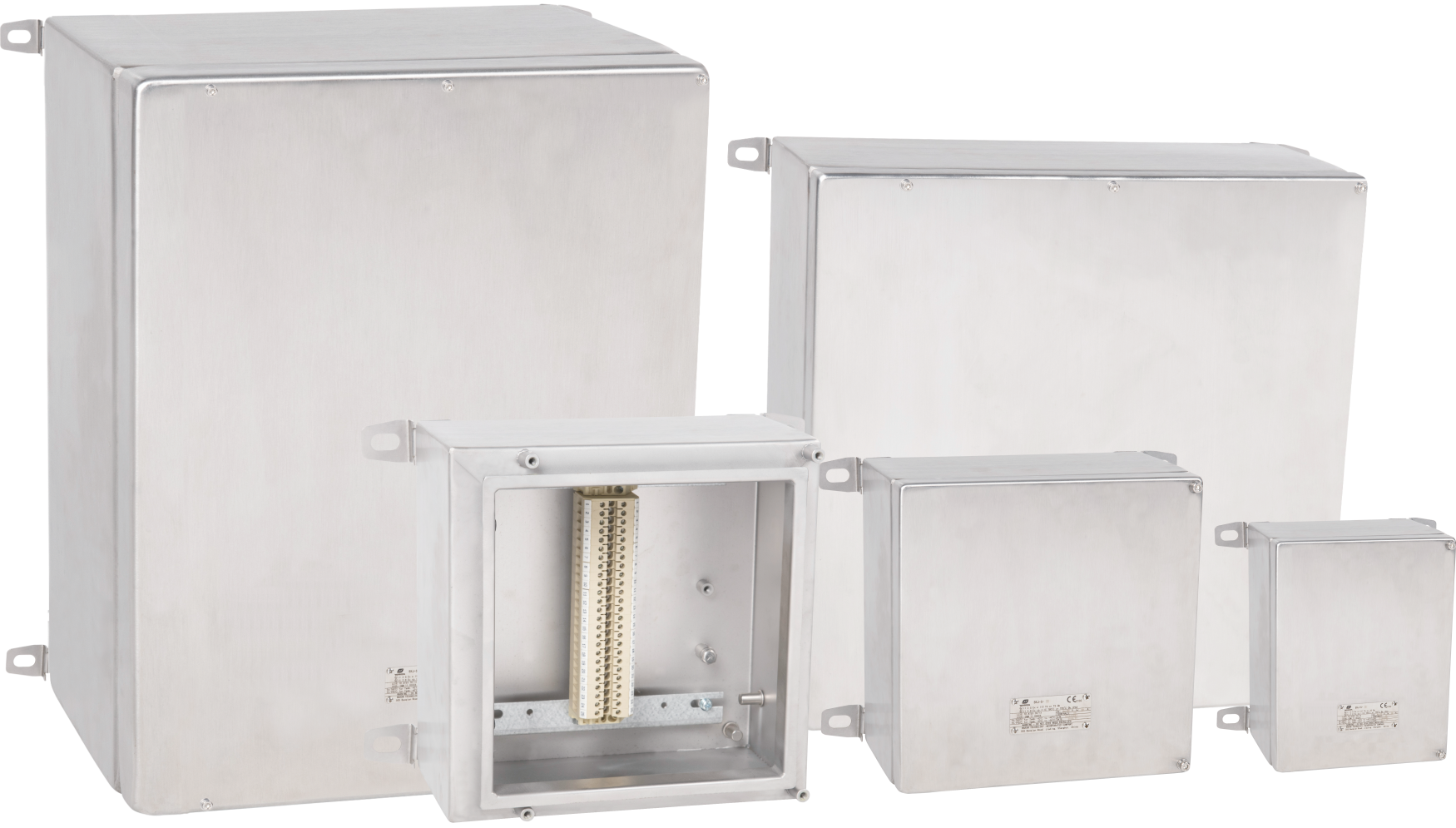
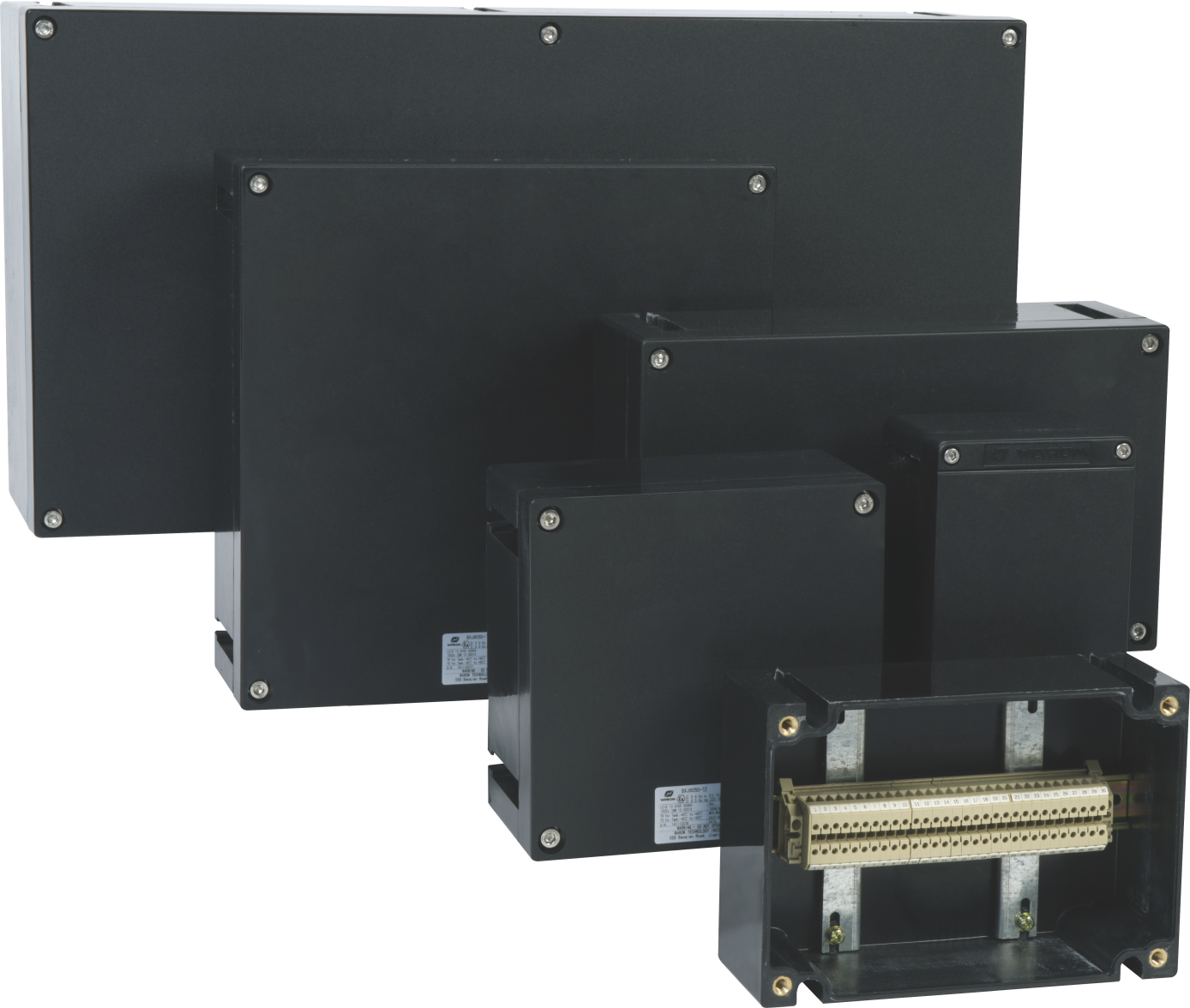
Terminal boxes and junction boxes show how a standard product can still carry schedule risk. A BHD91 explosion-proof junction box and a BXJ8050 terminal box are defined catalogue items, but the production slot can depend on the drilling pattern, terminal count, cable entry type, and whether the enclosure is specified in aluminum, GRP, or stainless steel. A BXJ-S stainless steel terminal box ordered for a marine site introduces different machining and material supply than a standard aluminum enclosure.
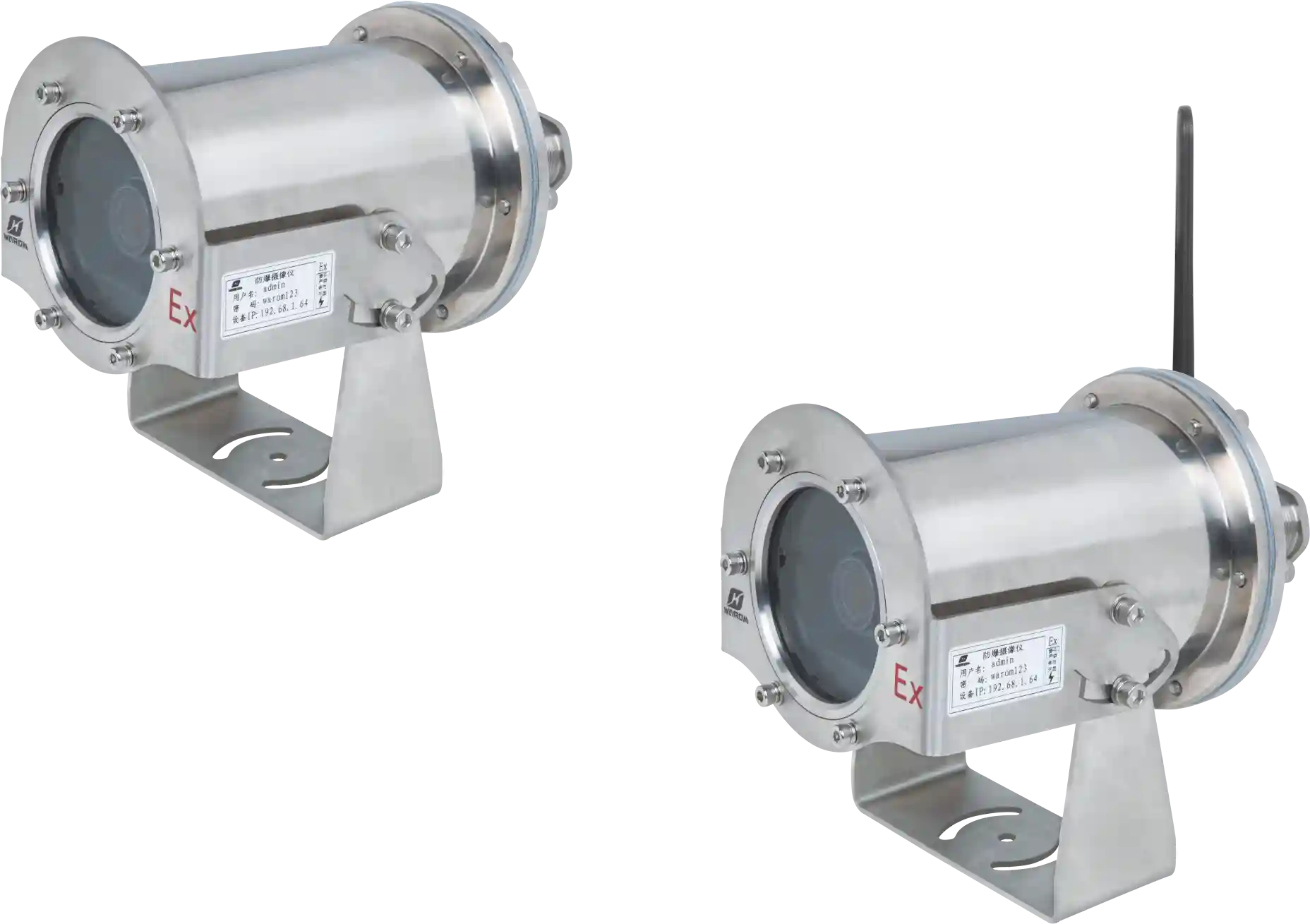
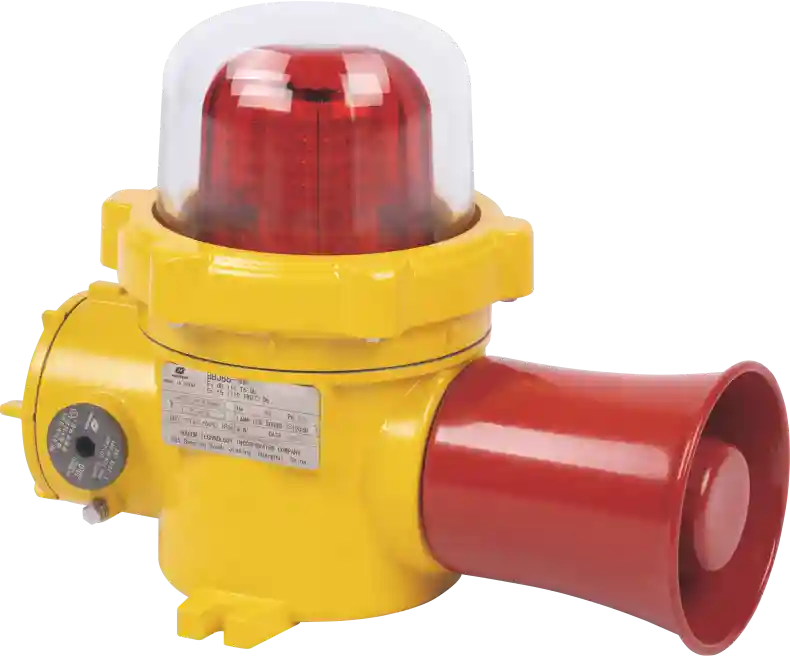
The same package may also include monitoring or alarm devices. A camera used for zone monitoring and an audio and visual caution spotlight used for status warnings add their own certification, wiring, and mounting requirements. When these devices are part of a larger control package, the delivery date follows the slowest item, not the shortest.
Planning a Procurement Schedule Around the Quote
A sensible schedule is built backward from the required on-site date. The buyer should ask the supplier to identify the first drawing approval date, production release date, factory acceptance test date, shipping date, and site delivery window. This milestone view shows where the schedule can move and where it is fixed.
A supplied project example from Warom completed a three-month electrical safety upgrade at a medium-sized chemical plant in Mexico. The scope included site diagnosis, customer alignment, gas detectors, junction and distribution boxes, static discharge devices, and anti-corrosion equipment. That three-month cycle is a project example, not a universal lead time. It shows that delivery can be phased around site readiness when the technical scope is defined early.
What to Send for a Firm Lead Time
A firm schedule requires complete information. The table below maps the most important inquiry inputs to their effect on delivery.
| Information to supply | What to include | Why it affects lead time |
|---|---|---|
| Certification | ATEX, IECEx, UL, NEC, or a named combination | Determines review, marking, and documentation route |
| Hazardous area | Zone or division, gas or dust group, temperature class | Sets protection method and enclosure design |
| Control function | Start, stop, emergency stop, interlock, PLC, metering | Changes layout, components, and test sequence |
| Enclosure | Material, IP rating, cable entries, gland type, entry direction | Drives machining, material supply, and assembly |
| Electrical data | Voltage, phases, frequency, load, short circuit rating | Controls component selection and thermal design |
| Documentation | Drawings, certificates, FAT form, data book, witness points | Adds delivery time after production is complete |
A vague request produces only an estimate. Replace this:
Reject: “Please send your best lead time for an explosion proof control panel.”
Replace with: “We need an Ex d control station for Zone 1, gas group IIC, T4, IP66, 400 V 50 Hz, with emergency stop and run/stop selector, IECEx certificate, two M25 entries. Please quote the production lead time after drawing approval and factory acceptance test.”
The second version allows the supplier to return a realistic schedule instead of a placeholder date.
Requesting a Firm Delivery Schedule
Before you lock the construction programme, send Warom the following project data: hazardous area classification, certification scheme, control functions, electrical data, enclosure material and entries, documentation scope, and the required on-site date. Warom can then return a milestone schedule with drawing approval, production, witness testing, and delivery.
Email gm*@***om.com or call +86 21 39977076 / +86 21 39972657.
FAQ
How far in advance should I order explosion proof control equipment?
Start from the required on-site date and work backward. A standard control station with complete technical data may move faster than a custom panel with integrated drives and multiple certificates. Reserve time for drawing approval, certification review, production, factory acceptance testing, and shipping.
Do standard products ship faster than custom control equipment?
Usually yes when the configuration is unchanged. A standard enclosure and wiring set can enter production sooner, but if the order changes cable entries, gland type, or certification route, even a standard item may need additional engineering review.
Which document is most likely to delay the delivery date?
The approved drawing package and the certificate set are the most common schedule holders. Missing zone classification, gas group, temperature class, or control function data prevents drawing release. After production, final documentation and test records can also add time.
Can I shorten lead time by paying a premium?
Sometimes production queuing and freight can be expedited, but certification review and witness testing cannot be compressed without changing the specification. Freezing the technical data early is usually more effective than relying on expediting after approval.
If you’re interested, check out these related articles:
2024 Merry Christmas
WAROM at Australian Energy Producers Conference &Exhibition 2026
IECEx International Hydrogen Conference 2024
With over a decade of experience, he is a seasoned Explosion-Proof Electrical Engineer specializing in the design and manufacture of safety and explosion-proof products. He possesses in-depth expertise across key areas including explosion-proof systems, nuclear power lighting, marine safety, fire protection, and intelligent control systems. At Warom Technology Incorporated Company, he holds dual leadership roles as Deputy Chief Engineer for International Business and Head of the International R&D Department, where he oversees R&D initiatives and ensures the precise delivery of design documentation for international projects. Committed to advancing global industrial safety, he focuses on translating complex technologies into practical solutions, helping clients implement safer, smarter, and more reliable control systems worldwide.

Qi Lingyi