Explosion proof marine electrical equipment for tanker vessels must be selected from the hazardous area schedule, the gas group and temperature class, the expected saltwater exposure, and the applicable classification society rules. A flameproof enclosure that works in a refinery building is not automatically suitable for an open deck or a cargo pump room. The most reliable tanker packages combine IEC 60079 protection methods with marine-grade enclosures, IP66 or higher ingress protection, WF2 corrosion resistance, and documentation accepted by the vessel classification society. This guide explains how to specify zones, materials, cable entries, approval documents, and the pre-order checks that reduce rework.
What Makes Marine Hazardous Areas Different on a Tanker Vessel
Tanker vessels concentrate flammable cargo vapors near vents, loading manifolds, pump rooms, and enclosed spaces while also exposing equipment to salt spray, condensation, continuous motion, and frequent washdowns. These conditions create two separate problems that must be solved together. The first is electrical safety in a hazardous area, and the second is mechanical survival in a marine environment. An enclosure that solves only one problem can become a weak point in the other.
A flameproof enclosure is not a sealed box. Explosion proof design accepts that gas may enter, but the enclosure must contain an internal explosion and prevent flame transmission through the joint path. Increased safety Ex e equipment takes a different approach by preventing arcs, sparking contacts, and excessive surface temperatures during normal operation. > Explosion proof does not mean the equipment is vapor tight, only that it can contain an internal ignition. <Explosion Proof Definition: Essential 2025 Safety Facts> covers the difference between explosion proof design and hazardous area classification.
Tanker cargo decks and offshore support vessels also share a practical issue. Equipment must remain accessible for inspection while standing up to saltwater, vibration, and variable cable movement. > Floating production vessels face the same hydrocarbon and saltwater exposure that governs tanker electrical design. <Explosion Proof Solutions for FPSO Vessel Safety> covers how explosion proof equipment is applied to vessel safety systems in floating production environments.
How Zone, Gas Group and Temperature Class Drive Equipment Selection
A tanker electrical package starts with the vessel hazardous area schedule. The schedule assigns each location a zone, a gas group, and a temperature class, and this determines which protection methods are acceptable. Zone 0 applies where an explosive atmosphere is present continuously or for long periods. Zone 1 applies where an explosive atmosphere is likely in normal operation. Zone 2 applies where an explosive atmosphere is not likely in normal operation and will exist for only a short period if it occurs.
| Zone | Typical tanker location | Protection methods commonly used |
|---|---|---|
| Zone 0 | Cargo tank vapor spaces where a flammable atmosphere can be present | Intrinsically safe Ex ia circuits; ordinary field devices are avoided |
| Zone 1 | Cargo pump rooms, vent outlets, loading manifolds | Ex d, Ex e combinations, or combined Ex db eb equipment |
| Zone 2 | Open deck areas outside the Zone 1 boundary | Ex e, Ex nA, Ex nR, or Ex d depending on load and wiring |
Gas group selection must follow the actual cargo and atmosphere. Many petroleum vapor atmospheres fall within Group IIA or IIB, but hydrogen and certain process gases require the more restrictive Group IIC classification. Temperature class follows the same principle. A lower surface temperature limit such as T5 or T6 may be required for low ignition temperature gases, but it can increase cost and reduce the available equipment range. The correct approach is to transfer the schedule requirements directly to the equipment specification, not to specify the strictest class as a precaution.
Marine Corrosion Protection and Enclosure Materials
Saltwater is the main life-cycle risk for tanker electrical equipment. The relevant protection is not only the explosion protection method, but also the enclosure material, surface treatment, fastener material, and gasket performance. Aluminum alloys used in marine areas should be copper-free to reduce galvanic corrosion, and exposed fasteners should be stainless steel. GRP enclosures offer light weight and corrosion resistance but may be less suitable where high mechanical impact is expected.
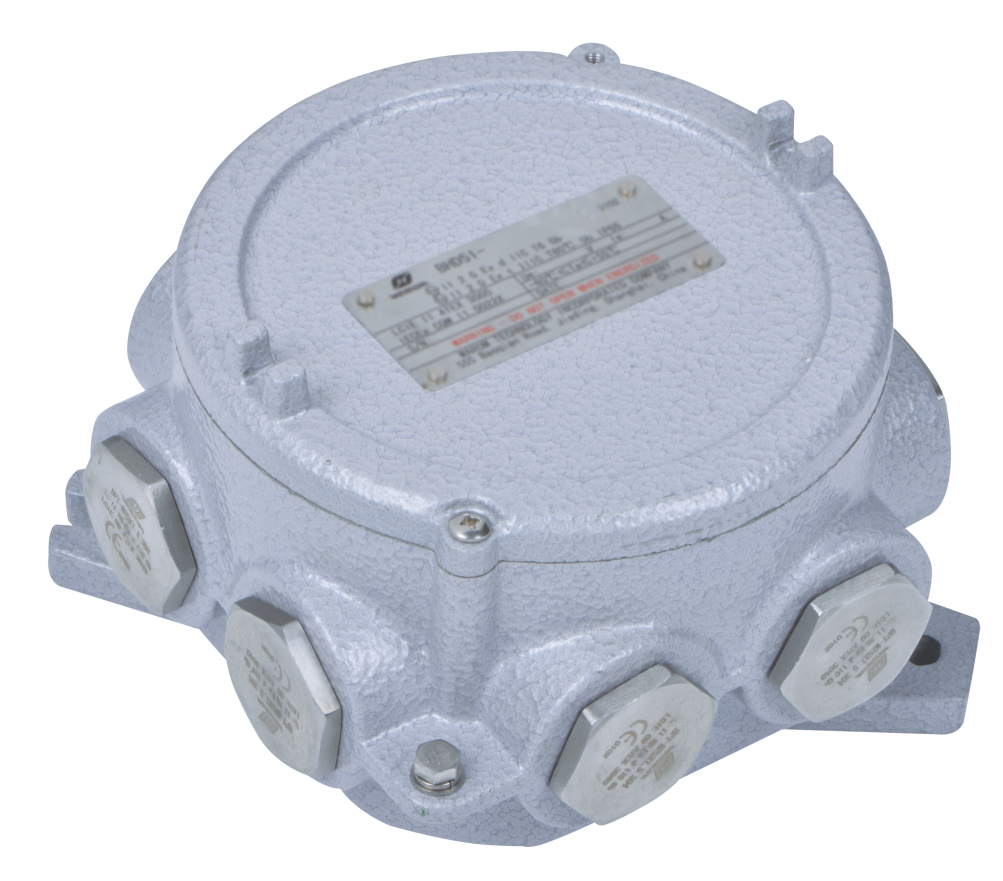
Copper-free aluminum alloy with a powder-coated surface, stainless steel fasteners, and an IP66 enclosure is a common balance for tanker junction boxes and lighting. A junction box with these features can house terminals while resisting salt spray and condensation. > Aluminum enclosures need careful selection in marine projects. <Explosion Proof Solutions for FPSO Vessel Safety> covers why corrosion resistance and explosion protection must be evaluated together for vessel equipment.
Stainless steel is more corrosion resistant but heavier and more expensive. GRP is lighter than stainless steel and resists many corrosive atmospheres, but it must be correctly secured and may have more limited thermal performance. The best choice depends on the specific deck exposure, impact risk, cable entry direction, and whether the enclosure will sit inside a pump room or on an open deck.
Essential Equipment Categories for Tanker Decks and Pump Rooms
Tanker electrical packages typically include lighting, terminal and junction boxes, cable glands, control stations, and sometimes audio or visual signaling devices. Each category needs the same zone and marine rating check.
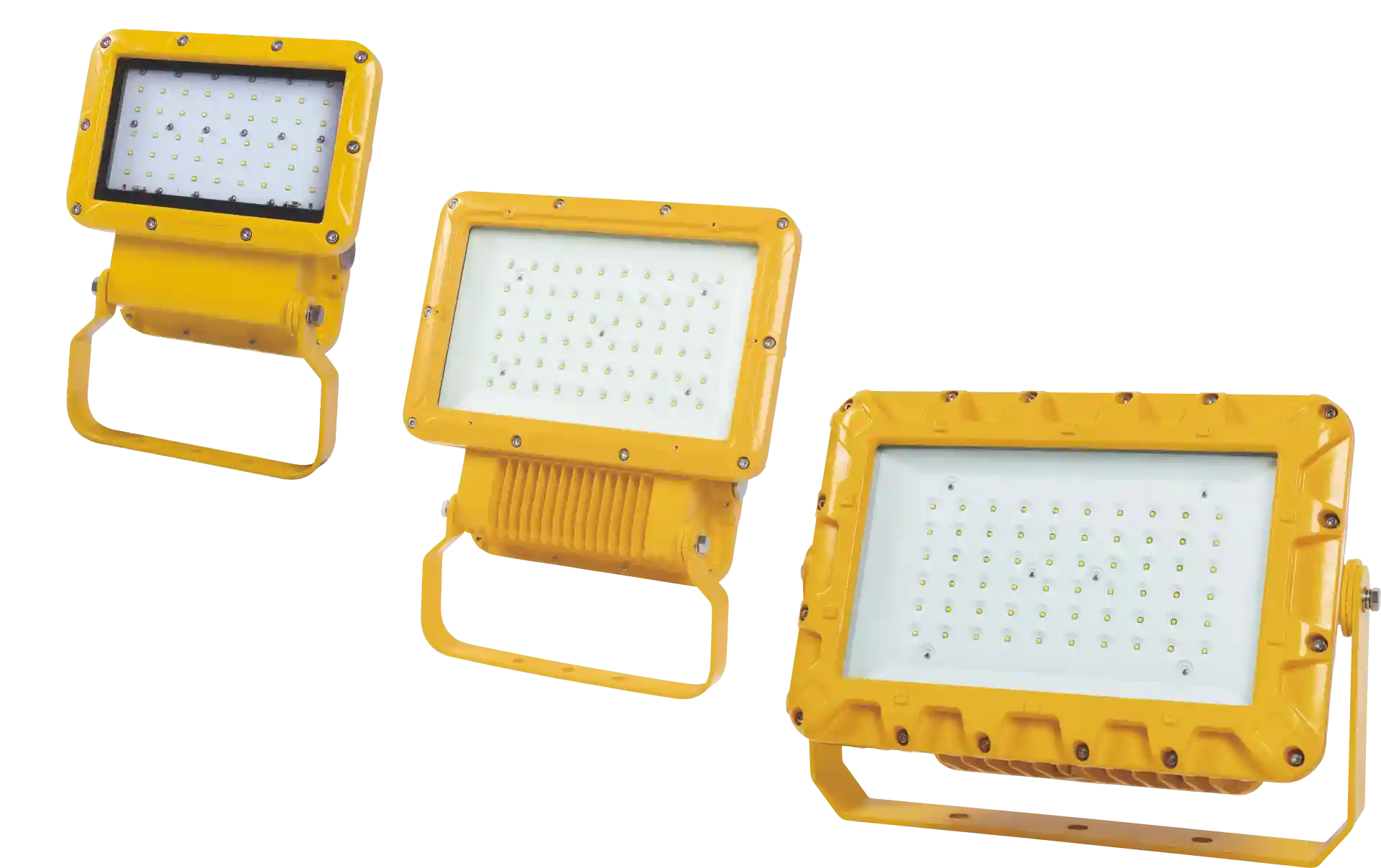
For deck and pump room lighting, LED floodlights and linear fittings reduce maintenance access compared with older fluorescent sources. A marine tanker lighting package may use LED floodlights with IP66 ingress protection, WF2 corrosion resistance, and marine-compatible cable entry threads. > Deck lighting for tanker vessels must combine explosion protection with corrosion resistance. <Explosion Proof Solutions for FPSO Vessel Safety> covers how explosion proof lighting is applied to vessel decks and topsides.
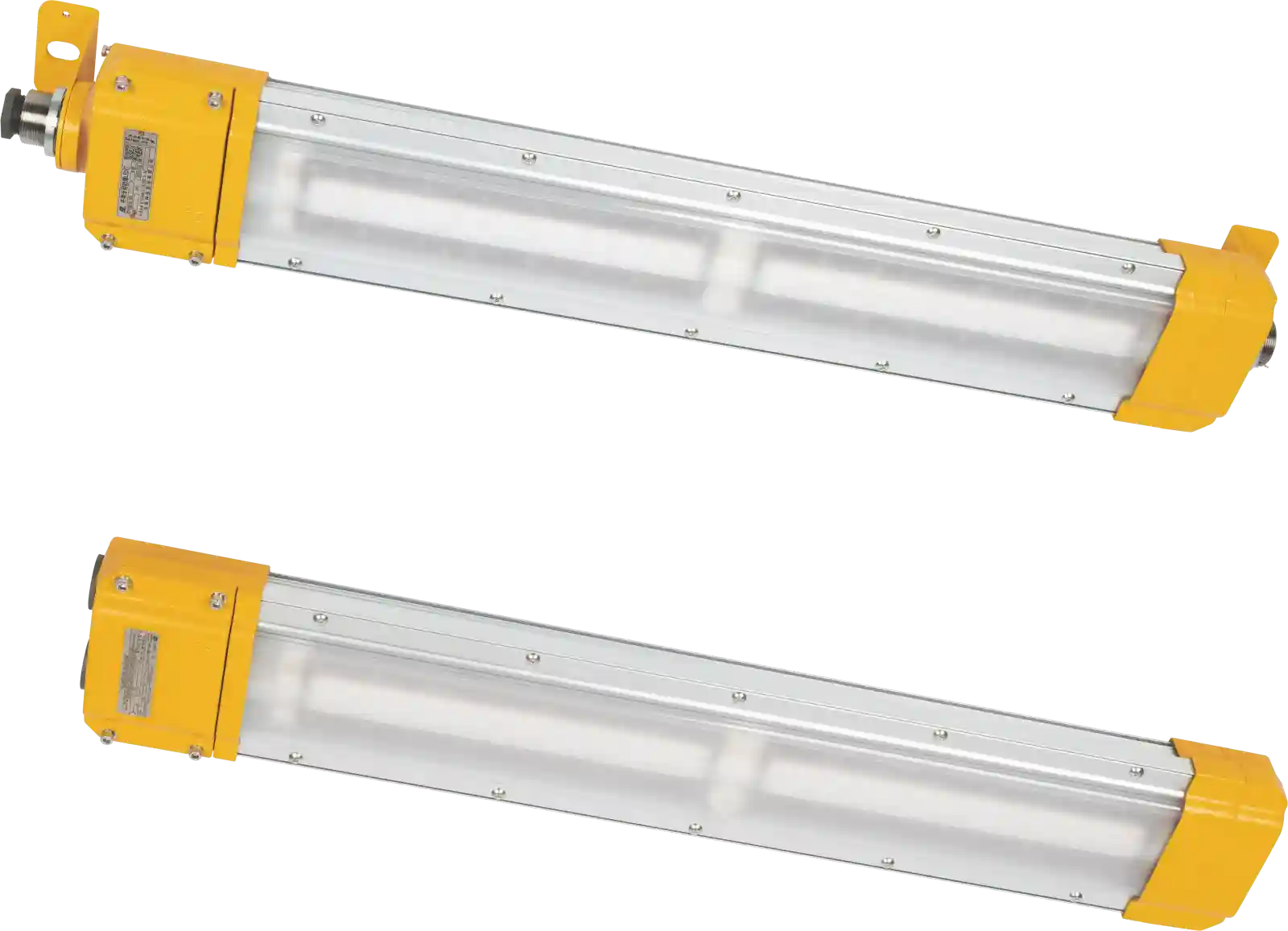
Linear LED fittings are often used in walkways, stair towers, and accommodation transitions where wide even light is more useful than a point source. They should be specified with the same IP and corrosion class as the adjacent floodlights, and with an emergency option where egress lighting is required.
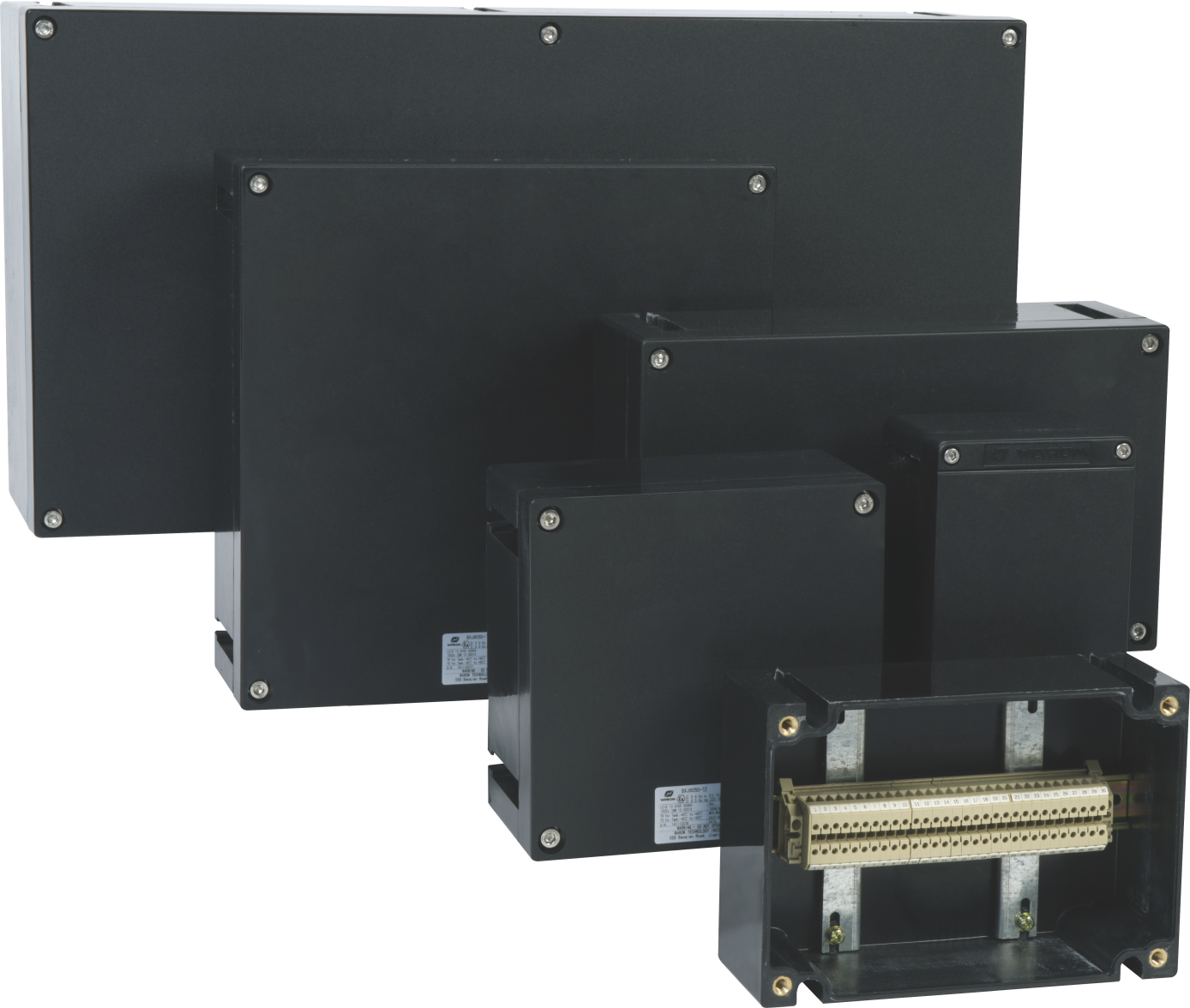
Terminal boxes and junction boxes support the lighting and control circuits. They provide cable termination, earthing, and a maintainable boundary between field cables and fixed wiring. A terminal box should have enough terminals for the actual circuit count, a compatible earthing arrangement, and cable entries that match the specified glands or plugs.
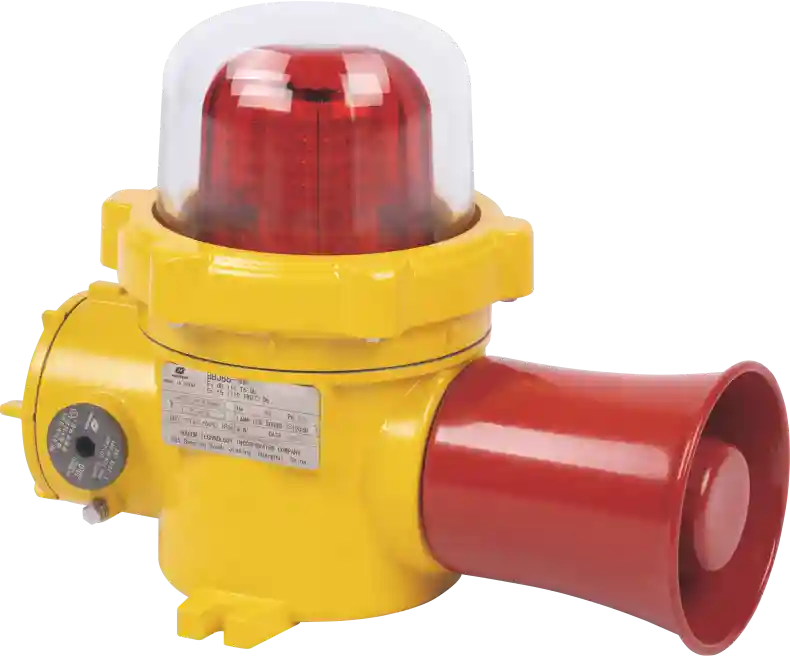
Audio and visual caution devices may be used where tanker operations require a warning signal at a work station, pump room entrance, or navigation-related position. These devices must be selected with the same attention to IP rating, impact resistance, and ambient temperature range as the rest of the package.
A coordinated tanker package from one manufacturer such as WAROM can simplify the interface between light fittings, terminal boxes, junction boxes, and cable glands because the cable entries and protection methods are designed to work together.
Classification Society Approval and Documentation
Classification society acceptance is often the final approval gate for tanker equipment. The equipment should have valid explosion protection certificates such as IECEx or ATEX, and the documentation should support marine use under the applicable society rules. The certificate markings must match the equipment nameplate for gas group, temperature class, ambient temperature range, ingress protection, and cable entry details.
Before ordering, request a documentation set that includes the certificate of conformity, the product marking schedule, enclosure drawings, material certificates where required, cable entry and gland details, earthing information, and installation instructions. Check that the certificate number belongs to the exact model and variant being offered. A certificate for a similar product is not a substitute for the product that will be installed.
A Practical Pre-Order Checklist for Tanker Projects
Use this sequence before releasing an order.
- Obtain the vessel hazardous area schedule with zone, gas group, and temperature class for each location.
- Select the protection method for each equipment category from Zone 0, Zone 1, or Zone 2 requirements.
- Confirm the marine corrosion requirement for each area, including material, coating, fasteners, and IP rating.
- Check cable gland compatibility by thread type, cable outside diameter, armored or unarmored construction, and spare plug requirements.
- Verify classification society acceptance for the exact product model and certificate.
- Request the full documentation package before shipment and review the nameplate markings.
Do not choose equipment by price or by IP rating alone. A low-cost enclosure can still create rework if its cable entries, temperature class, or certificate scope do not match the tanker schedule.
Confirm the Tanker Equipment Inquiry Before You Release the Order
The next step in a tanker project is to turn the vessel hazardous area schedule into a checked equipment list. Send the zones, gas group, temperature class, ambient range, enclosure material preference, cable entry details, and classification society requirements. We can then verify which lighting, boxes, glands, and control devices match the project.
Contact WAROM Technology at gm*@***om.com or +86 21 39977076 +86 21 39972657.
FAQ
What is the difference between a flameproof light and a marine weatherproof light?
A marine weatherproof light is designed against water and weather, but it is not automatically safe in a flammable atmosphere. A flameproof Ex d light is designed to contain an internal explosion and prevent flame transmission. On a tanker, many locations require both explosion protection and marine-grade weather resistance, so the equipment must meet both requirements.
Does every tanker zone require the highest gas group IIC and T6 temperature class?
No. The gas group and temperature class come from the actual hazardous area schedule. Specifying IIC and T6 for every location can increase cost and reduce equipment options without adding safety when the atmosphere does not require it. The correct practice is to match each location to the documented classification.
Can one IECEx certificate cover the complete tanker equipment package?
Usually not. Certificates are issued for specific product types, models, and variants. A lighting fitting, junction box, gland, and control station each need their own certificate or a clear statement of the certified range. Check that the certificate number and marking schedule match the exact product offered.
What cable glands should be specified for saltwater decks?
Cable glands for saltwater decks should use a corrosion resistant material such as nickel plated brass or stainless steel, with an ingress protection rating suited to the enclosure. They must also match the cable outside diameter, armor or braid type, and the enclosure entry thread. Spare metal plugs should be specified for unused entries.
Does CCS classification accept IECEx or ATEX certification alone?
Classification society acceptance depends on the vessel and the project rules. IECEx or ATEX certification is normally part of the technical submission, but the society may also require marine type approval, specific documentation, or review of the equipment against its own rules. Confirm the society requirements before ordering and keep the certificate package ready for submission.
If you’re interested, check out these related articles:
Warom Technology “International explosion-proof technology Vietnam special Forum” was successfully held
WAROM at Australian Energy Producers Conference &Exhibition 2026
WAROM to Exhibit at Oil & Gas Asia Kuala Lumpur 2025
With over a decade of experience, he is a seasoned Explosion-Proof Electrical Engineer specializing in the design and manufacture of safety and explosion-proof products. He possesses in-depth expertise across key areas including explosion-proof systems, nuclear power lighting, marine safety, fire protection, and intelligent control systems. At Warom Technology Incorporated Company, he holds dual leadership roles as Deputy Chief Engineer for International Business and Head of the International R&D Department, where he oversees R&D initiatives and ensures the precise delivery of design documentation for international projects. Committed to advancing global industrial safety, he focuses on translating complex technologies into practical solutions, helping clients implement safer, smarter, and more reliable control systems worldwide.
Qi Lingyi