
Factory acceptance testing for explosion proof electrical equipment is not a formality, and treating it that way transfers risk from the factory to your site. Over more than thirty years working on hazardous area projects, I have seen the same pattern too often: buyers approve a unit from photographs or a signed certificate and miss the flame path condition, tightening torque, or traceability detail that determines whether the equipment belongs in its zone. A disciplined FAT checks material, construction, marking, and electrical function before shipment. This article sets out the checks that matter most for light fittings, junction boxes, distribution panels, and cable glands.
Factory Acceptance Test Scope for Explosion Proof Equipment
An effective FAT is scoped in the purchase order or inspection and test plan. It is not a repeat of every production test, and it is not a factory tour. I look for three layers: the equipment matches the certified drawing, the materials and components match the approved submittal, and the finished assembly passes the routine tests required by the certificate. If those three layers are not written into the ITP, the FAT can become a comfortable visit that produces photographs instead of evidence.
The first acceptance question is whether the equipment matches the site classification, not whether it looks well made. <Where Explosion Proof Lighting is Required: Critical Safety Standards> explains how different hazardous locations drive different equipment requirements, so a nameplate that shows the wrong gas group or zone should stop the FAT immediately.
| Equipment type | What to verify during the FAT | Common evidence |
|---|---|---|
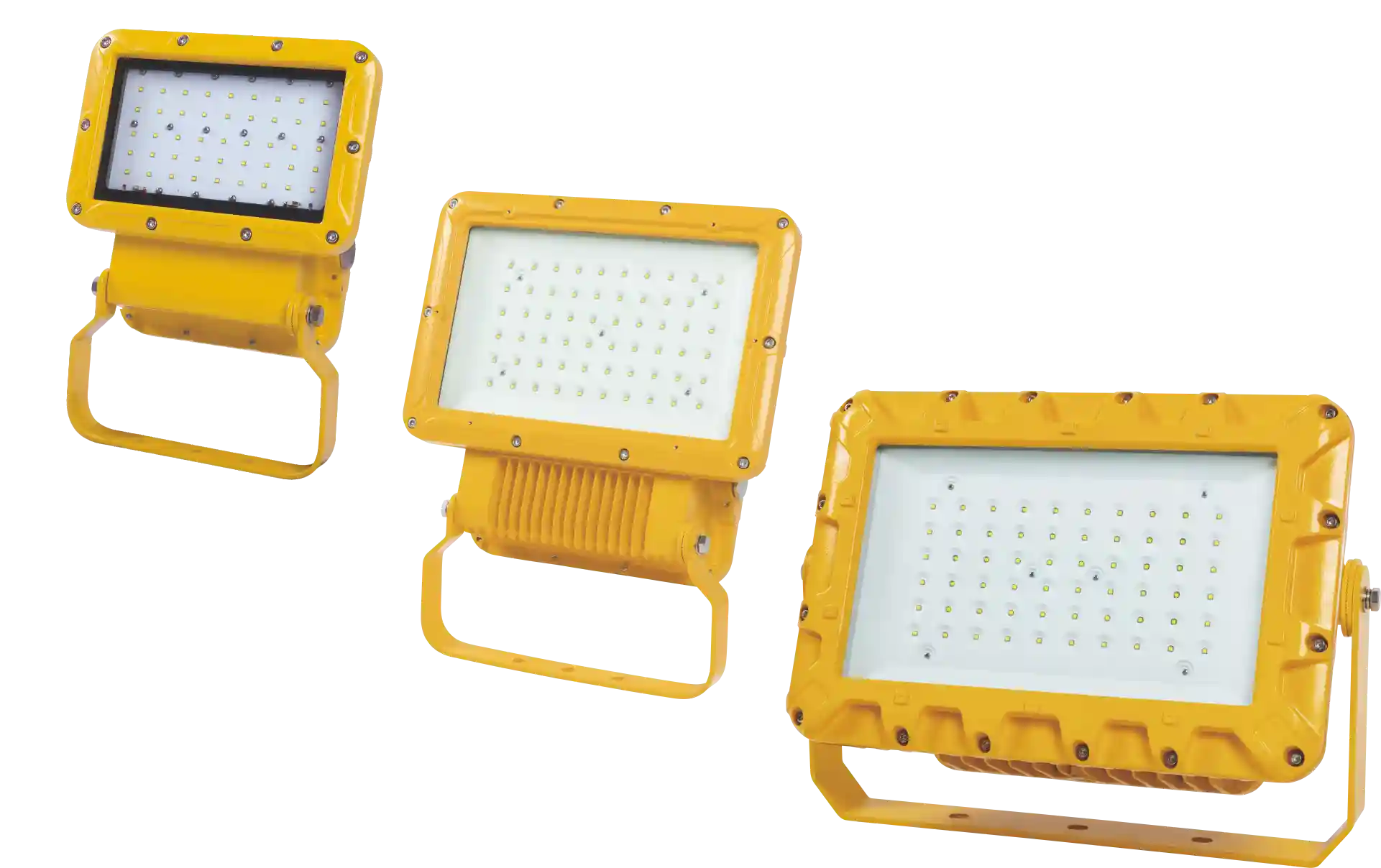
| Light fittings | Lens integrity, LED function, emergency runtime | Photometric sample, runtime record |
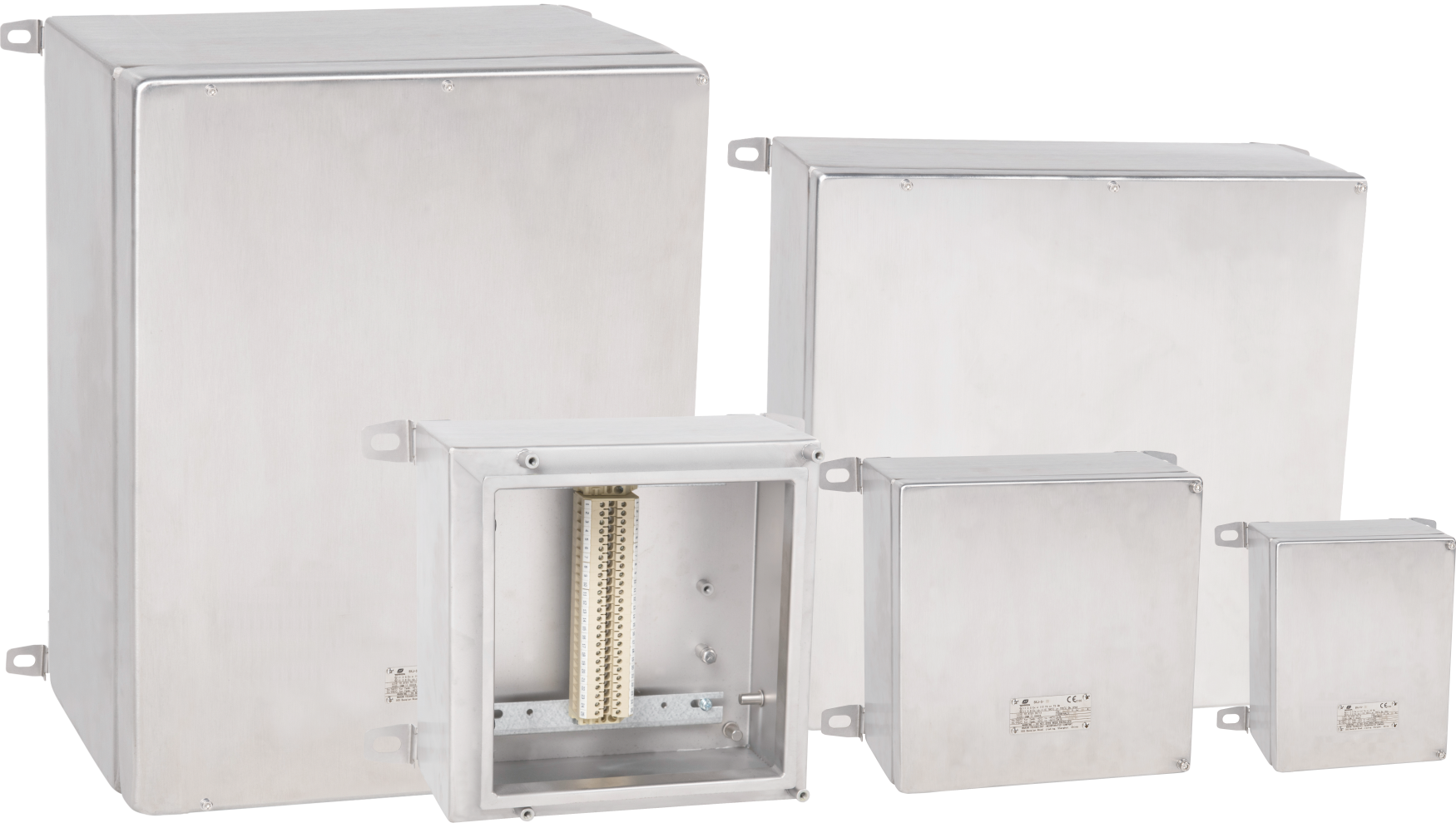
| Junction boxes | Flame path condition, IP66 sealing, earthing | Dimensional report, torque log |
| Distribution panels | Component ratings, busbar torque, interlock | Circuit check record, interlock test |
| Cable glands | Thread form, material, flame path | Batch material certificate, gauge record |
On a project like Tilenga in Uganda, where the scope covered wellpads, a central processing facility, and pipelines, the FAT was the last controlled point to confirm that the delivered package matched the operating conditions before it reached remote sites.
Factory Acceptance Test Documentation to Check Before You Arrive
Review the certificate pack before booking the visit. For each model, compare the certificate number on the nameplate with the certificate listed in the technical file. We check that the marking is complete: Ex code, temperature class, equipment protection level, ambient range, and issuing body. If any element is missing, the equipment has a documentation defect even when the hardware looks correct.
What should the certificate actually confirm?
I look for three things. The certificate must cover the exact model, not a similar product. The standard edition must still be accepted in the destination country. The certificate must be backed by a test report or verified copy rather than a marketing datasheet. For global projects, ATEX, IECEx, CNEX, or UL certification may be required in different regions. I do not accept a certificate for a series if the filed drawing does not match the item under test.
Certification scheme differences surface quickly in the marking and document set. <ATEX vs UL Classification: Mastering Explosion Proof Lighting> covers how ATEX and UL classifications differ in zone compatibility, marking requirements, and documentation, which matters when a FAT review must decide whether a certificate is valid in the buyer’s jurisdiction rather than only the factory’s home market.
Why traceability data matters more than the physical inspection
The physical enclosure can pass inspection while the internal components are wrong. I require a traceability pack that connects the serial number to the certificate, the test report, the material batch, and the component list. Where the destination specification calls for stainless steel fasteners or nickel plated brass glands, the pack must show that this batch received those materials, not just that the catalogue says so. A missing batch record does not always mean failure, but it means the FAT cannot close until the record is produced.
Enclosure and Construction Checks That Catch Problems Early
For flameproof enclosures, the flame path is the most important surface in the equipment. If it is scratched, painted over, or covered after machining, the equipment is not acceptable even if the electrical function test passes. I make the inspector measure flame path gaps with the certified drawing and record the value. Paint or filler in the flame path is a hard fail. I then verify that all bolts are present and torqued to the drawing value, cable entry threads match the order, IP66 gaskets are seated and continuous, and the earthing terminals are present and marked.
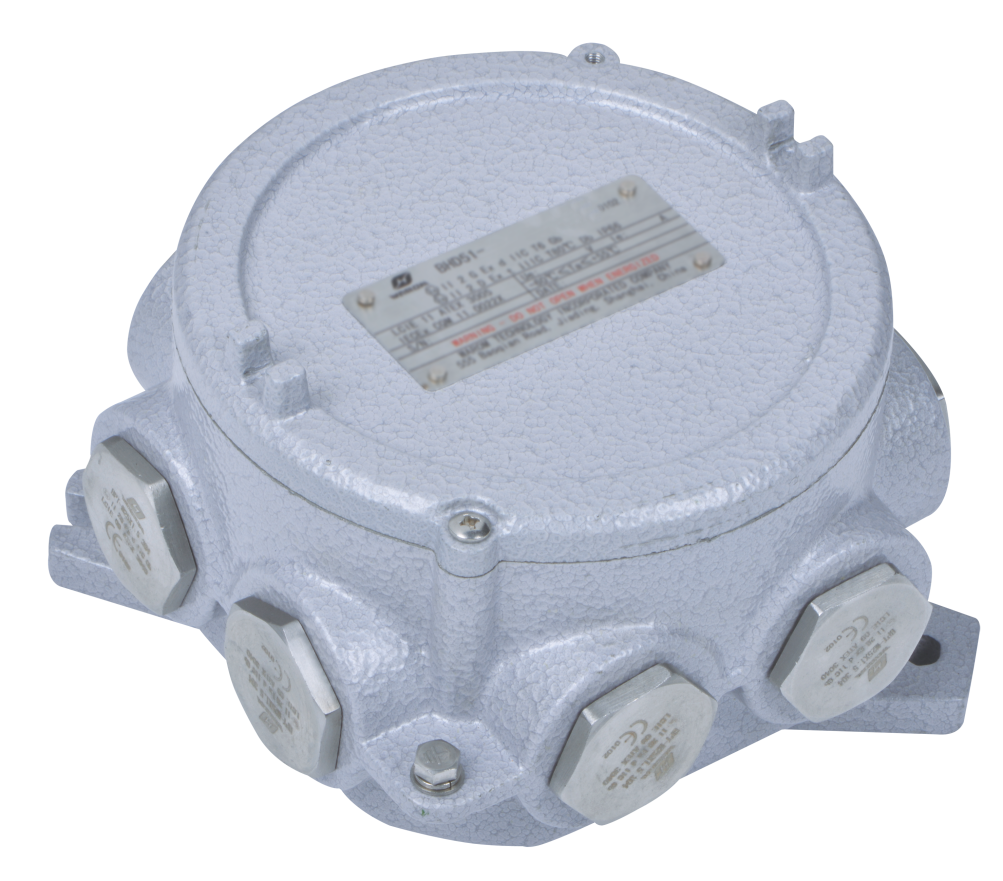
BHD91 flameproof junction boxes show why these checks are practical. The product line uses a copper-free aluminium alloy enclosure, IP66 protection, and an ambient temperature range of -60°C to +60°C. During acceptance, I would confirm the actual material grade and protection features against the drawing, not just the model number. A visual check can miss a substituted alloy or a missing internal earth connection. The torque log is the only evidence that counts.
At a chemical plant in Mexico with flammable gas and dust risks, the real hazards were not visible from the factory floor. The scope included gas detectors, explosion-proof plugs, junction boxes, distribution boxes, static discharge devices, and anti-corrosion equipment. That made the enclosure and seal checks part of the acceptance pass/fail, not a supplementary comment.
Where a project mixes flameproof and increased safety equipment across several certificates, it is worth confirming the acceptance criteria for each protection concept before the visit. Send your certified drawing list and destination requirements to gm*@***om.com and we can work with you to define the pass/fail points for each item.
Electrical and Protection System Tests Worth Witnessing
Electrical tests depend on product type, but a buyer should witness a sample that reflects the actual order. For distribution and terminal boxes, I want insulation resistance, earth continuity, and torque checks on the largest and smallest conductor sizes. For plugs and sockets, I want the interlock sequence demonstrated: the plug cannot be withdrawn while the switch is on, and the switch cannot close before the plug is inserted. For emergency lighting, the declared runtime should be verified, not assumed.

For Ex e terminal boxes, the acceptance focus is separation distances, terminal torque, and rated current. The BXJ8050 series, for example, lists current ratings from 20 A for 2.5 mm² conductors up to 100 A for 35 mm². A FAT that only checks continuity may miss a terminal rated for 35 mm² but tightened to the wrong torque. Sampling the largest and smallest conductor sizes against the terminal schedule catches most installation problems before the box leaves the factory.
For cable glands, the check is dimensional. The certificate may list an ambient range and protection level, but the delivered thread form and material batch still need checking against the certificate. A gland that threads freely into the enclosure may have the wrong flame path clearance. DQM-III glands listed with an ambient range of -60°C to +90°C and IP66 protection should still be checked for the correct thread form and material batch.
When should a partial retest be rejected?
If the test report shows a retest result but no explanation for the first failure, I ask for the failure record. A repaired unit can still be acceptable, but only when the original defect, the correction, and the retest result are all documented. Without that sequence, the retest value may belong to a new unit tested under different conditions rather than the repaired item.
Closing the Factory Acceptance Test and Approving Shipment
A FAT that produces only a signed form and a folder of photographs does not close the risk. The value is a punch list with owners and due dates. If any nonconformity remains open, shipment should not be approved simply because the project schedule is pressing. On a pharmaceutical API project with a 48,000 m² facility and 15 production lines, construction phasing controlled when each distribution box had to arrive, and open punch items would have become site installation delays. In that situation, the FAT was the last controlled point to catch the problem.
Before you sign the acceptance certificate, confirm that every open item is either closed with evidence or assigned to a specific person with a documented date. If the supplier cannot produce the certificate pack or the original test data, that is a sourcing risk worth resolving before the equipment ships. Send your equipment list and destination certification requirements to gm*@***om.com, or call +86 21 39977076 or +86 21 39972657, and we can work with you to define the test points and documentation your FAT should include.
Common Questions About Factory Acceptance Tests
Who should witness the factory acceptance test?
Send someone who can read the certified drawing and the test data, not only a commercial representative. A site engineer, commissioning lead, or third-party inspector should be present when the flame path, torque, and certificate checks are performed. If the buyer sends no technical person, the factory will often walk through the visual items and leave the difficult details in the report. The witness does not need to perform the test, but they need enough technical background to know when a result is missing or when a retest claim needs explanation.
Does a passed FAT mean the equipment is certified for my site?
A common misunderstanding is that a passed FAT confirms site compatibility. It does not. The FAT confirms the equipment matches the purchase contract and the manufacturer’s routine production tests. The hazardous area classification, gas group, temperature class, and ambient conditions at your site are separate subjects that should have been resolved in the design and certification review. If the nameplate does not match the site classification, the FAT should fail even if all electrical tests pass. Passing a FAT without that alignment would simply ship a problem closer to your site.
Can I attend the factory acceptance test remotely?
It depends on the equipment and the supplier’s test practice. For simple light fittings with clear certificate data, a live video witness can be enough if the camera shows the serial number and the test leads continuously. For large distribution panels or flameproof enclosures, a remote check cannot replace physical measurement of flame paths, torque, or gasket seating. If you attend remotely, require the factory to send the raw test data and photos after the call, and ask for the serial number to be visible on camera during every test.
What should I do if the supplier asks for early shipment before the punch list is closed?
On projects we have worked on, early shipment with open FAT items is one of the most common sources of later site disputes. The right response is usually conditional approval: the supplier may pack and stage the equipment, but shipment is released only after the open items are closed with evidence or after the project manager accepts a written deviation. If the schedule is genuinely critical, separate the remaining items from flame path, earthing, and torque checks. Those three should not be waived. Share your punch list and contract terms with us at gm*@***om.com and we can advise which items are truly shippable.
If you’re interested, check out these related articles:
Shanghai Emergency Management Bureau expert bank electrical explosion-proof safety professional group learning seminar was held in Warom.
Explosion-Proof Solenoid Valves: Gas Pipeline Control Safety
With over a decade of experience, he is a seasoned Explosion-Proof Electrical Engineer specializing in the design and manufacture of safety and explosion-proof products. He possesses in-depth expertise across key areas including explosion-proof systems, nuclear power lighting, marine safety, fire protection, and intelligent control systems. At Warom Technology Incorporated Company, he holds dual leadership roles as Deputy Chief Engineer for International Business and Head of the International R&D Department, where he oversees R&D initiatives and ensures the precise delivery of design documentation for international projects. Committed to advancing global industrial safety, he focuses on translating complex technologies into practical solutions, helping clients implement safer, smarter, and more reliable control systems worldwide.
Qi Lingyi