
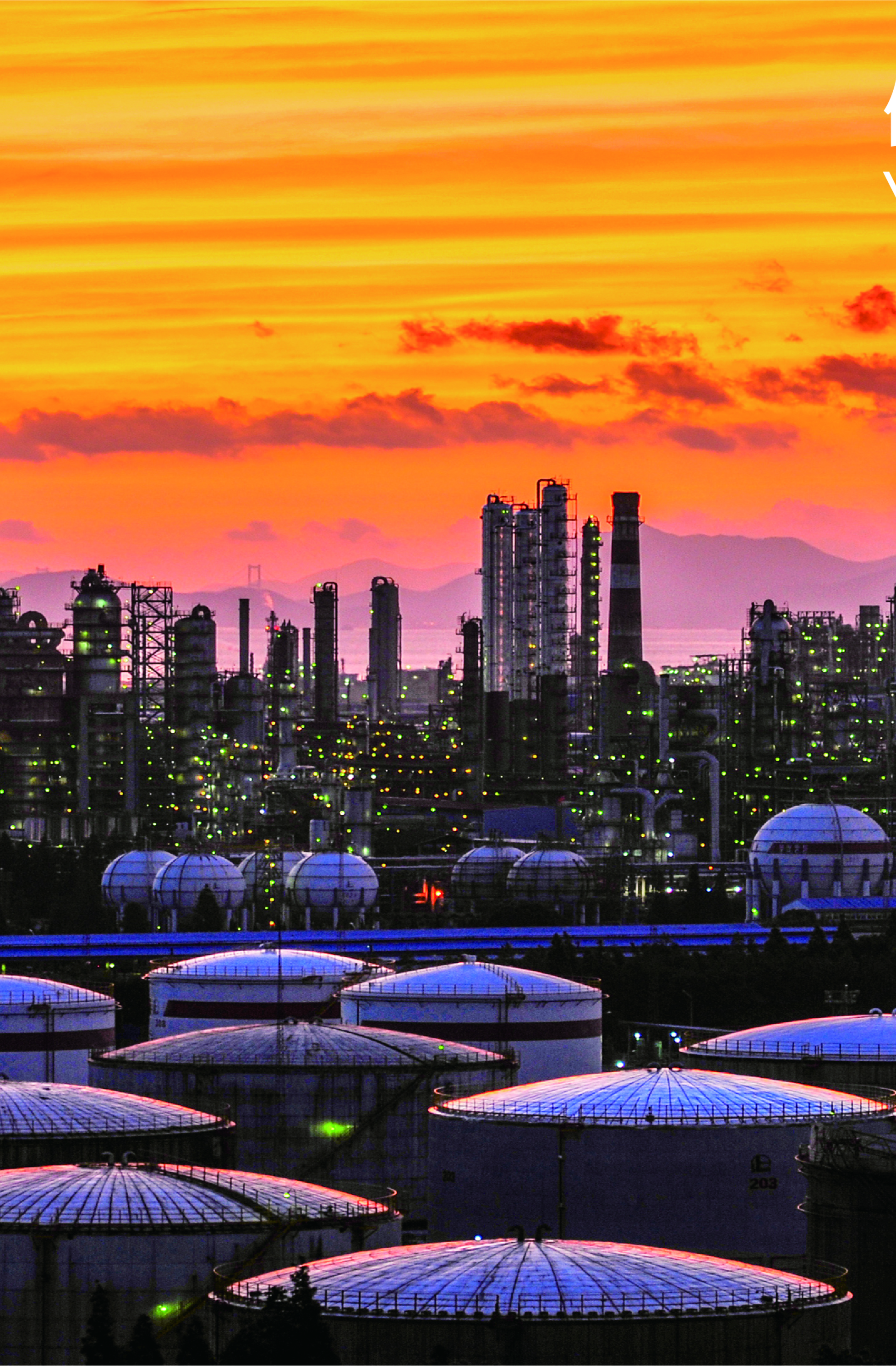
Temperature class T1 to T6 is not a quality grade. It sets the maximum surface temperature an explosion proof device can reach in normal operation or under fault conditions. Matching the equipment T class to the ignition temperature of the gas or vapor in your process is the step that most often decides whether a hazardous area installation stays safe after commissioning. A device rated T4 may suit methane but would be wrong for carbon disulfide. This article walks through that selection sequence for engineers, safety managers, and procurement teams.
How Does Temperature Class T1 to T6 Limit Surface Temperature?
The six temperature classes are defined in IEC 60079-0 and mirrored in ATEX, IECEx, and most national standards. T1 permits the highest maximum surface temperature, 450°C. T6 permits the lowest, 85°C. The lower the class number is, the hotter a device surface may become. A T1 rated motor can run much hotter than a T6 rated instrument before it creates an ignition risk.
| Temperature class | Maximum surface temperature | Selection signal |
|---|---|---|
| T1 | 450°C | Highest allowable surface temperature |
| T2 | 300°C | Common for process equipment and motors |
| T3 | 200°C | Covers many moderate temperature vapors |
| T4 | 135°C | Typical baseline in oil and gas process areas |
| T5 | 100°C | Required for low ignition temperature vapors |
| T6 | 85°C | Most restrictive, used for carbon disulfide and similar gases |
The relationship is a ceiling, not a target. A T4 device may operate well below 135°C in service. That margin is useful because ignition temperature is also affected by pressure, oxygen concentration, and surface geometry. Certification uses a reference test condition, so the T class does not guarantee the device will never reach that temperature if it is overloaded or installed outside its rated ambient range.
How Do You Match Gas Ignition Temperature to Equipment Temperature Class?
Start with the ignition temperature of the specific gas or vapor in your process. The selected equipment T class must have a maximum surface temperature below that ignition temperature, with a workable margin. For a single component gas such as propane with an ignition temperature around 470°C, a T1 or T2 device is technically possible. For a mixed solvent atmosphere containing a low ignition temperature component such as carbon disulfide near 100°C, only T6 equipment can meet the rule.
That margin matters more than the listed class alone. IEC and ATEX do not require a fixed numerical spread, but experienced project teams often look for a clear gap where process conditions vary. A T5 rated fitting with a 100°C ceiling should not be used in an atmosphere whose ignition temperature is barely above that limit.
Gas group is not a substitute for temperature class. IIC gases can have high ignition temperatures, and IIA gases can have low ignition temperatures. During an electrical safety upgrade for a chemical plant in Mexico, our team found that the original equipment list had been selected mostly by gas group and zone. The temperature class review changed several fittings because the process included low ignition temperature solvent vapors. That one review step avoided a much larger retrofit later.
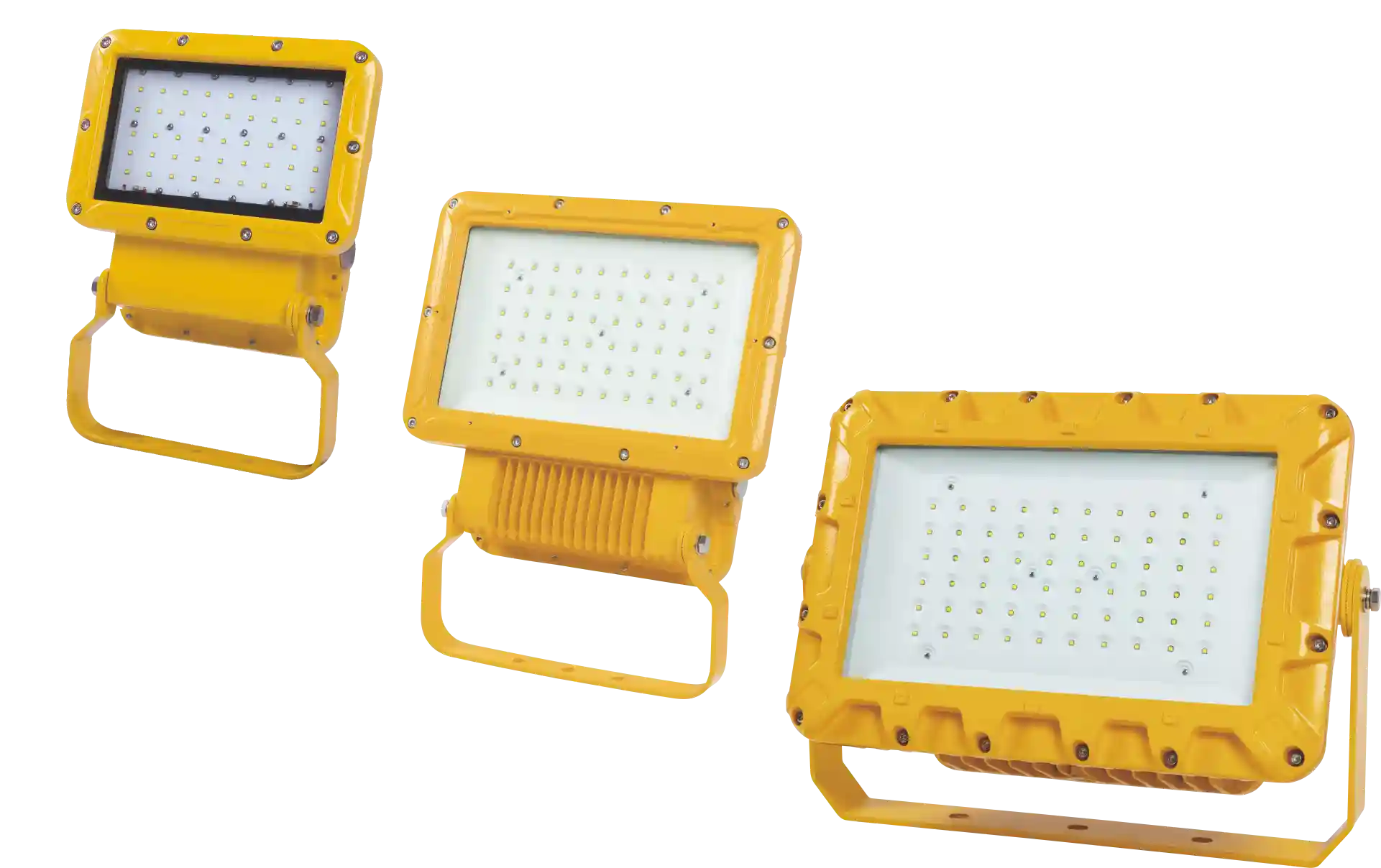
Temperature class marking shows up alongside zone and gas group on certified luminaires. <Explosion Proof Light Fittings for Zone 1 Hazardous Areas> covers how LED fittings manage heat rise and what to verify on a Zone 1 lighting certificate before accepting a T rating.
What Do Temperature Class Markings on Explosion Proof Equipment Mean?
On an ATEX or IECEx product, the marking will look like II 2 G Ex db eb IIC T6 Gb. The T6 at the end is the temperature class, not the zone or the gas group. Gb identifies the equipment protection level for Zone 1 gas atmospheres. The same device may show different temperature class values on the certificate and the nameplate if it has multiple ambient range options.
This is where procurement teams should stop and compare the certificate with the nameplate. A certificate may list T6 at 40°C ambient and T5 at 55°C ambient. The nameplate will usually show the most restrictive practical rating, but the full range appears in the certification document. If the site runs at 50°C, a device ordered as T6 based on the headline marking may actually be certified only as T5 at that condition.
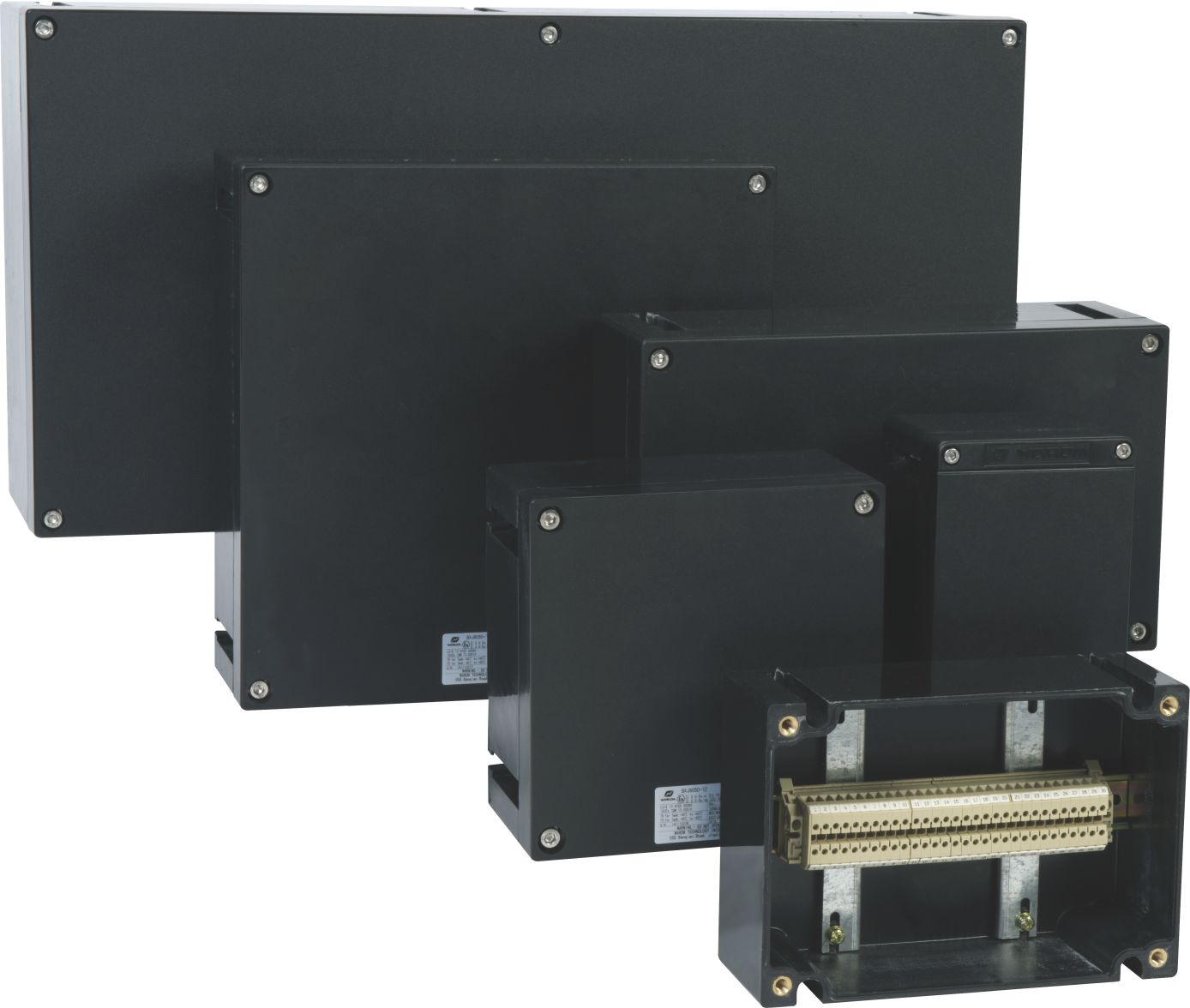
Our BXJ8050 series terminal boxes are marked Ex e IIC T6 for Tamb -40°C to +40°C, and T5 for Tamb -40°C to +55°C. That is not a defect. It reflects how internal temperature rise changes with ambient temperature.
If your process gas has several solvents, or the site ambient crosses the certification range, confirm the final T class at the actual operating condition before you freeze the bill of materials. Send your gas list and maximum ambient to gm*@***om.com.
Which Temperature Class Do You Need for Common Industrial Gases?
The common default for general process areas in oil and gas is T4. Most hydrocarbons such as propane, butane, and gasoline vapors have ignition temperatures well above 135°C, so T4 equipment leaves a substantial margin. T5 and T6 are normally reserved for processes involving solvents with low autoignition temperatures, carbon disulfide, some ethers, or gas mixtures with volatile low flash components.
Selecting T6 when T4 would satisfy the hazard adds cost and limits product availability. T6 rated enclosure systems often require lower internal losses, different thermal management, or reduced ambient ratings. From a sourcing perspective, the higher rating can lock you out of standardized shelf products and force custom engineering. For a known gas with ignition temperature above 300°C, that premium is difficult to justify.
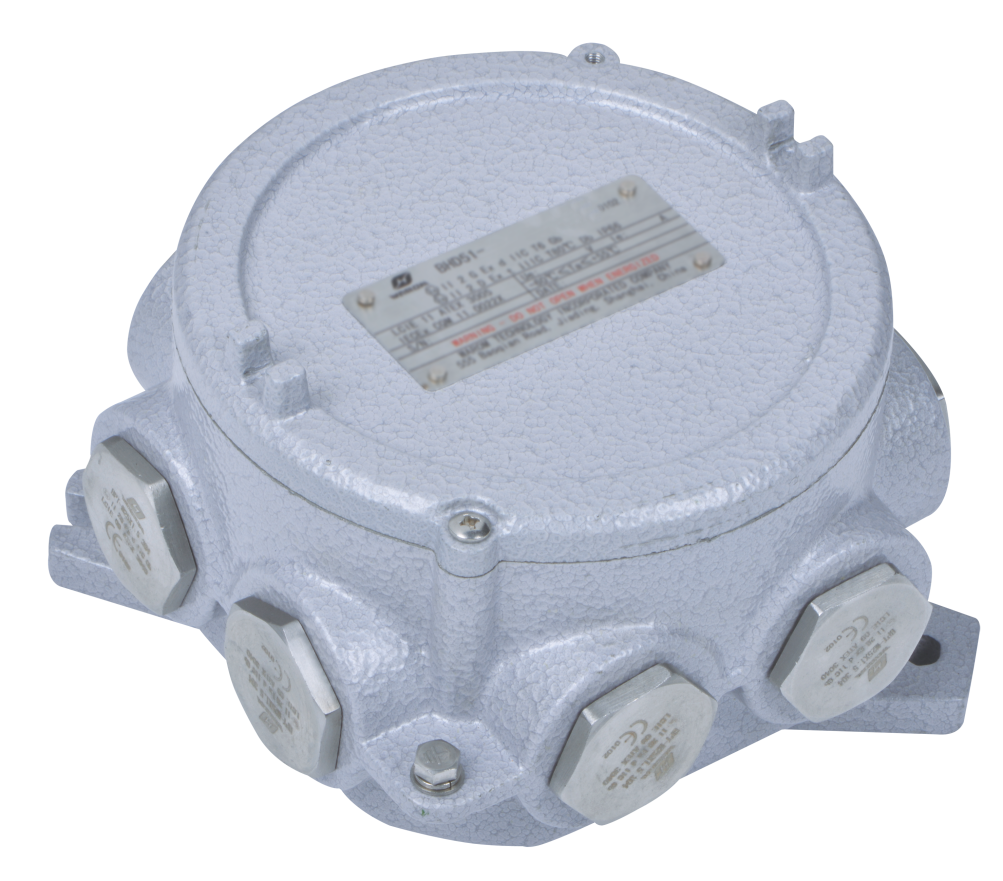
For US or Middle East packages, cable gland certifications also carry temperature class limits that must match the process gas. <NPT Explosion Proof [Cable Glands](https://www.waromgroup.com/product-category/explosion-proof-cable-glands/cable-glands/) for US & Middle East Projects> explains what to check in NPT entries and how the certification markings line up with the equipment package.
Need Temperature Class Confirmed for Your Gas?
A temperature class mismatch usually does not appear during installation. It appears later as a failed audit, a rejected certificate package, or a rework order on site. If your process includes a gas mixture, an elevated ambient such as the Middle East summer, or a certification body with stricter documentation requirements, it is worth confirming the final T class before you finalize the specification.
Send your gas or vapor list, maximum ambient temperature, and zone classification to gm*@***om.com. Or call +86 21 39977076 or +86 21 39972657. We will confirm the required temperature class and certificate documentation before you issue the quotation.
What Questions Do Buyers Ask About Temperature Class T1 to T6?
Is Temperature Class the Same as Gas Group?
No. Gas group such as IIA, IIB, or IIC covers how easily a gas can be ignited by flame or spark and affects flamepath design. Temperature class sets the maximum surface temperature. A gas can be IIC with a high ignition temperature, or IIA with a low one. A project can specify a T6 IIC device where T6 is needed for the gas and IIC is needed for the gas group. Both ratings must be checked separately.
Does Ambient Temperature Control the Final T Class?
It depends on the certified ambient range. A product certified T6 at a 40°C ambient may only be certified T5 at 55°C because the internal temperature rise adds to the ambient. The published certificate lists the temperature class at each ambient range. If your site ambient exceeds the rated range for the desired T class, you need either a different product or a lower T class that still stays below the gas ignition temperature.
Is T6 Always Safer?
T6 is not automatically the right choice. It limits the surface temperature to 85°C, which is necessary for low ignition temperature vapors such as carbon disulfide, but it can be more expensive, harder to source, and unnecessary when the process gas has an ignition temperature well above 300°C. For propane or methane service, a T4 or T3 device may meet the same safety rule with a wider selection. The safest choice is the class that matches the gas with the correct margin.
What Documents Should I Check Before Accepting a Temperature Class Rating?
Request the full IECEx or ATEX certificate, not just the nameplate photo. Open the certificate and compare the equipment marking, the ambient temperature range, and the declared T class. Confirm the certificate covers the exact product version, including the lamp wattage, cable entries, and accessories. In the explosion proof lighting and terminal box packages our team reviews for international projects, the most common mismatch is a T6 marketing claim with a certificate that only lists T5 at the buyer’s actual site ambient. If the certificate language is unclear, send the file with your gas list to gm*@***om.com and we will confirm compliance before you place the order.
If you’re interested, check out these related articles:
Warom at 2025 Canton Fair
IPTC 2024
Local Caution Spotlights: Enhancing Safety in Hazardous Zones
With over a decade of experience, he is a seasoned Explosion-Proof Electrical Engineer specializing in the design and manufacture of safety and explosion-proof products. He possesses in-depth expertise across key areas including explosion-proof systems, nuclear power lighting, marine safety, fire protection, and intelligent control systems. At Warom Technology Incorporated Company, he holds dual leadership roles as Deputy Chief Engineer for International Business and Head of the International R&D Department, where he oversees R&D initiatives and ensures the precise delivery of design documentation for international projects. Committed to advancing global industrial safety, he focuses on translating complex technologies into practical solutions, helping clients implement safer, smarter, and more reliable control systems worldwide.

Qi Lingyi