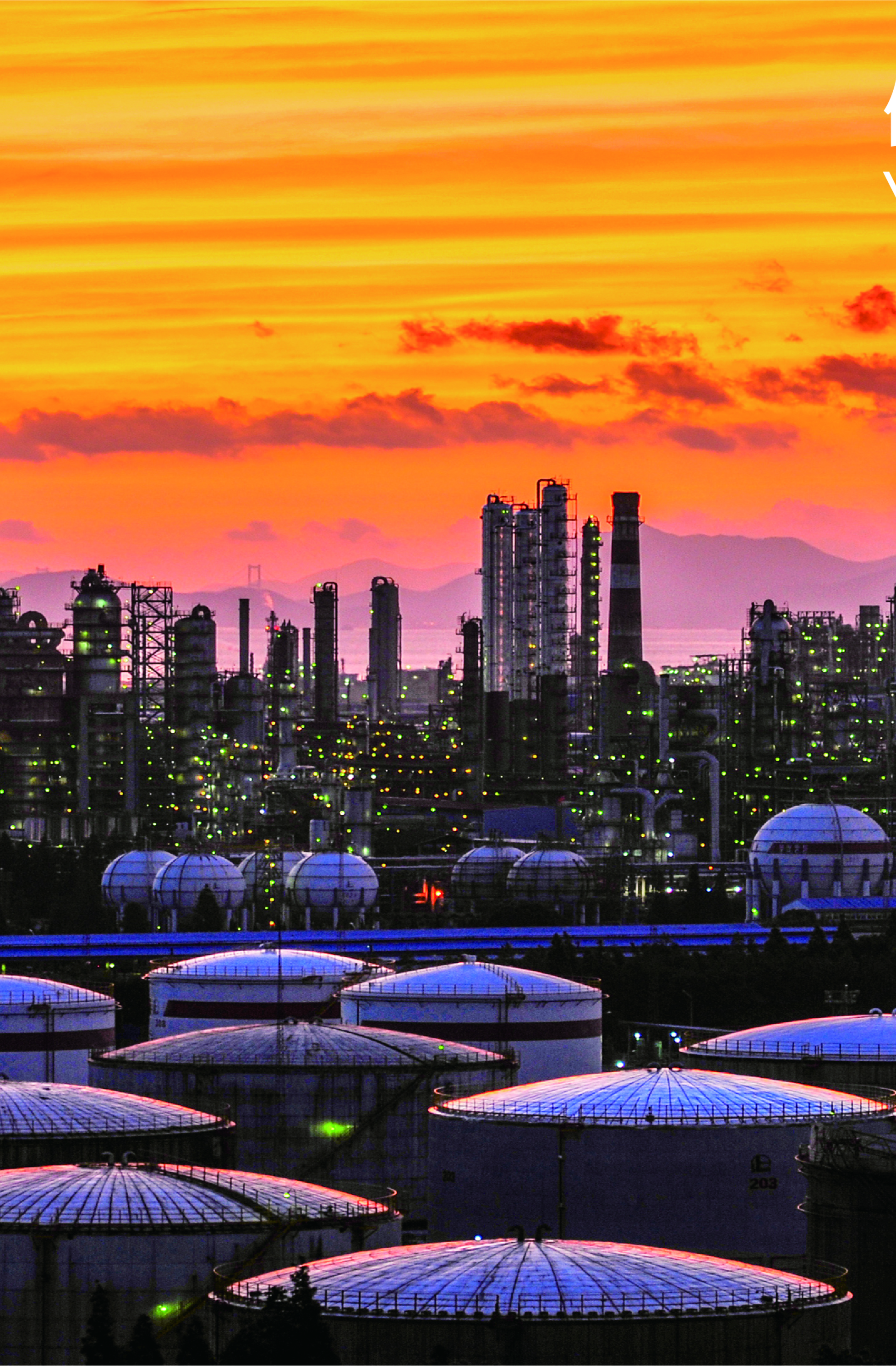
Explosion proof equipment for offshore platform topsides is usually specified before the environment that will attack it is fully considered. I see the same pattern on salt laden decks, in deluge zones, and along cable routes: a certified enclosure in the wrong material or gland arrangement becomes a maintenance liability within months. The key factors are not limited to zone classification. Material grade, temperature class, cable entry direction, and certificate verification must be aligned before the order is placed. This article works through those specification points from a field engineering perspective, with the aim of reducing late stage substitutions and acceptance disputes.
Why Do Offshore Topsides Need Stricter Explosion Proof Equipment Specifications?
A topside module is not the same as an onshore process plant. Wave motion, wind driven salt spray, crane impacts, and deck deflection load every enclosure differently. That means a piece of explosion proof equipment that is electrically adequate can still fail on mechanical and corrosion grounds. For platform topsides, I start the specification from the deck location and the environmental load before I look at the circuit schedule. A fixture mounted near the helideck faces different stress than a junction box inside the utility area.
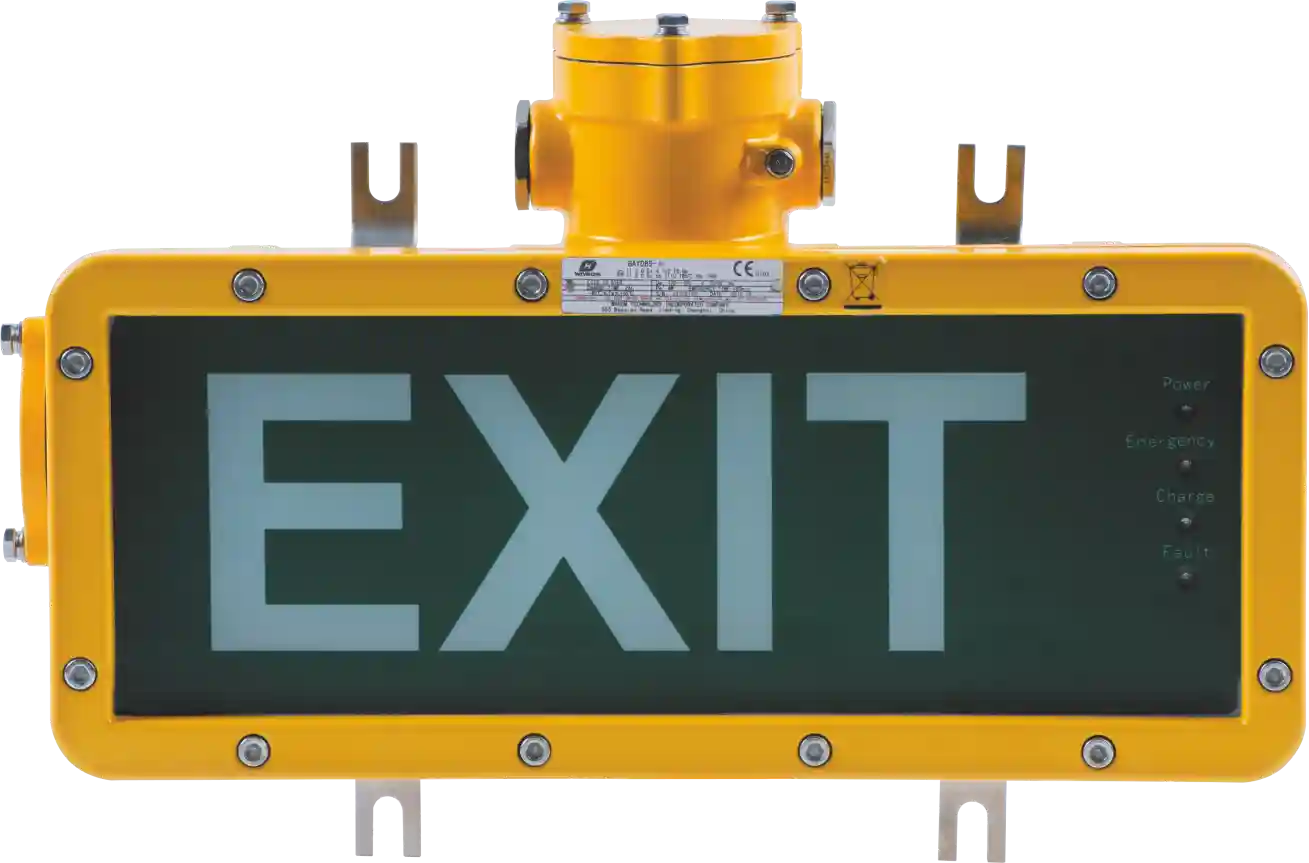
Emergency exit lighting is part of the same equation. A failed emergency fixture on a muster or escape route is a larger safety problem than a failed process floodlight, so the escape route fixtures should be treated as critical electrical loads and given the same material review as process equipment.
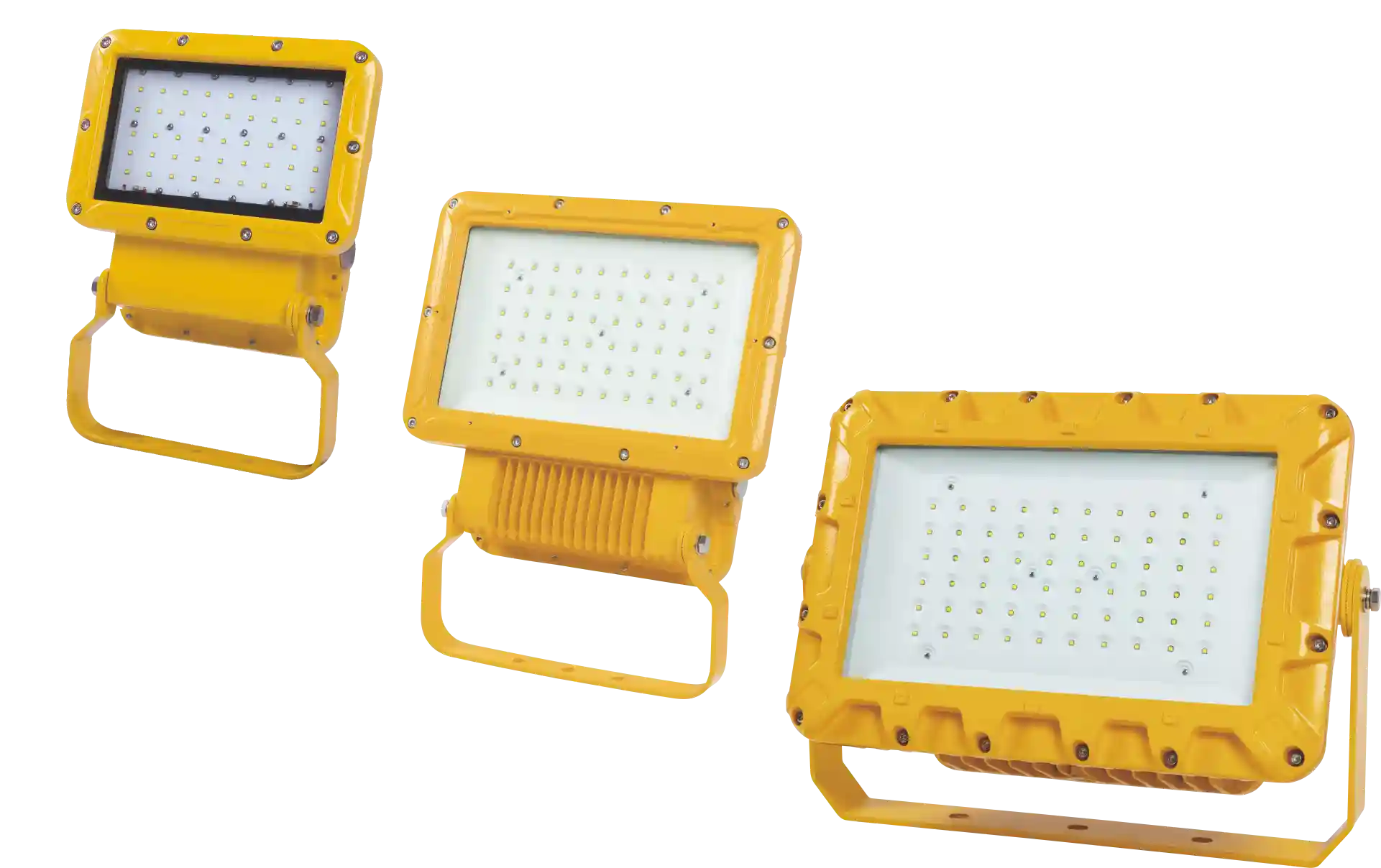
Zone and gas group rules are the starting point, not the finishing point. The drawings may show the same Zone 1 area as an onshore plant, but the topside installation must also survive continuous salt exposure and movement. Vibration loosens fasteners and flexes cable entries. Salt deposits creep into any unprotected joint. This is why the specification should require IP66 as a minimum and WF2 corrosion proof rating for deck mounted units.
The same logic applies to drilling units, where motion and salt spray expose every enclosure to repeated stress. <Explosion-Proof Marine Products for Drillships & Jack-Up Rigs> covers how marine certified lighting and electrical packages are matched to deck vibration and topside layout constraints.
How Does Material Selection Affect Explosion Proof Equipment on Offshore Topsides?
Material choice is where offshore specification often goes wrong. Copper-free aluminum alloy enclosures are workable for many upper deck areas because they are light and can accept a powder coated finish. However, they do not perform equally in deluge zones, splash areas, or locations where chlorides collect in crevices. Stainless steel is the safer default for open decks and any position reached by seawater spray. GRP enclosures resist corrosion well, but their mechanical behavior and flame path options have to be checked against the specific Ex d or Ex e requirement.
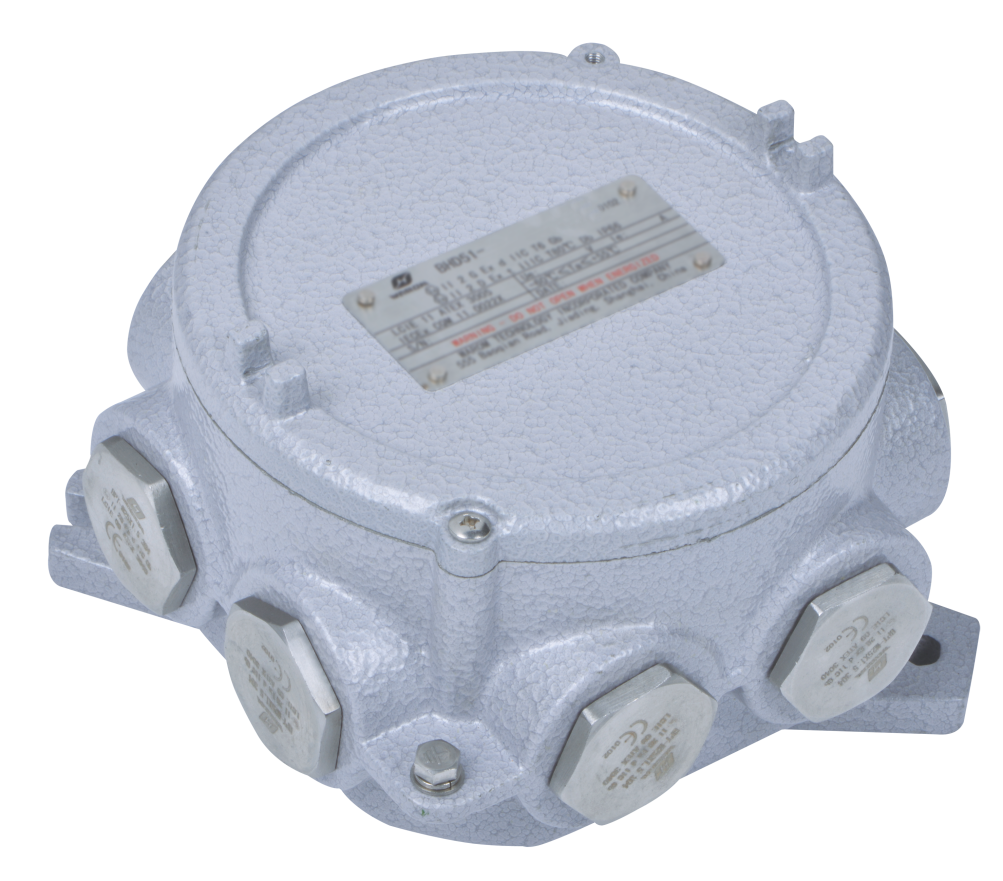
| Topside location | Preferred enclosure material | Typical equipment | Specification note |
|---|---|---|---|
| Upper weather deck | Copper-free aluminum alloy or stainess steel | Floodlights, junction boxes | IP66 and WF2 corrosion proof rating |
| Deluge or splash zone | 316L stainess steel | Junction boxes, terminal boxes, cameras | Nickel plated glands and stainess fasteners |
| Process skid | Stainess steel or GRP | Junction boxes, control stations | Confirm gas group before material selection |
| Accommodation or utility room | Copper-free aluminum alloy or GRP | Distribution boxes, terminal boxes | Less salt exposure; still confirm IP rating |
The table does not remove the need to read the material certificate. I have seen enclosures specified as stainess steel with carbon steel external fasteners, which corrode first and then compromise the joint. A practical rule is to match every exposed fastener to the enclosure material and require nickel plated brass glands for offshore cable entry.
For deck level electrical systems, material choice is directly tied to chloride exposure and gland corrosion risk. <Stainless Steel Explosion Protection for Marine Electrical Systems> covers how stainess steel enclosure selection is matched to marine conditions and why exposed fastener material cannot be treated as a minor detail.
Which Zone and Temperature Class Rules Apply to Explosion Proof Equipment on Offshore Topsides?
The hazardous area drawing tells you Zone 0, Zone 1, or Zone 2 for gas and Zone 21 or Zone 22 for dust, but it does not tell you how to buy. Most topside decks combine Zone 1 near wellheads and risers with Zone 2 across the rest of the process area. Specifying Ex d everywhere is conservative but heavy and expensive. Specifying Ex e or Ex n in the wrong location creates a compliance failure.
How Does Gas Group Change the Equipment Decision?
IEC 60079-10-1 and the relevant area classification study define the gas group for each part of the platform. Group IIC covers gases such as hydrogen and acetylene, and it demands the tightest flame path. Group IIB covers ethylene and similar gases. Group IIA covers propane and most common hydrocarbons. A junction box rated Ex db IIC can be used for IIA and IIB applications, but a IIA enclosure cannot be used where IIC is required. The equipment list must record the required gas group for each tag, not just the zone.
Why Does Temperature Class Matter More on a Topside?
Temperature class defines the maximum surface temperature of the equipment. T6 is 85°C and T4 is 135°C. A process line that could release ethylene or hydrogen usually requires the lower T class. On a topside, ambient solar gain and heat from adjacent process piping also raise the enclosure surface temperature before the internal electronics are even considered. I prefer to assign the temperature class only after checking the actual ambient on the deck, because a fixture rated up to +60°C can be marginal on a sunlit deck in a tropical field.
If your equipment list mixes Zone 1 and Zone 2 tags or includes Group IIC processes, do not finalize the BOM until the gas group, temperature class, and ambient rating have been checked against the hazardous area drawing. Send the zone drawing and equipment list to gm*@***om.com for a protection method check before ordering.
How Should Cable Entries and Power Distribution Be Sized for Topside Explosion Proof Equipment?
Cable entry is where water and gas ingress usually start. The gland and cable outer diameter must match, and the entry direction must suit the location. Bottom entry keeps water out on an open deck but complicates drainage if a cable leaks. Side entry is workable when the cable tray runs at the same level. Top entry should be avoided on exposed decks unless the enclosure is inside a protected room or has a proven drainage design.
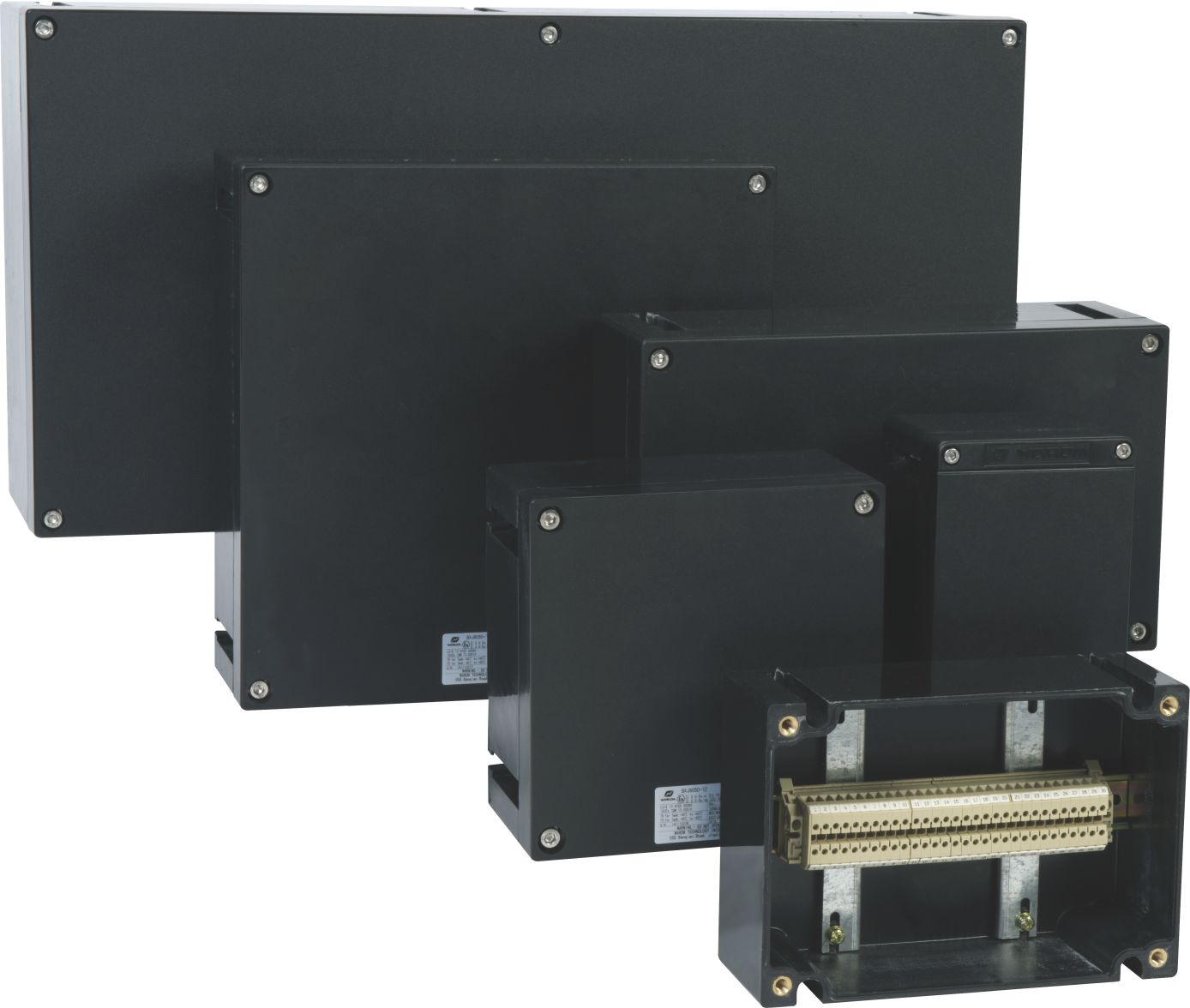
For terminal boxes, the installed terminal current rating must match the actual circuit load, not just the upstream breaker. The BXJ8050 terminal box line is rated up to 690V AC and offers Ex e terminal ratings from 20A at 2.5mm² to 100A at 35mm², depending on the configuration. That detail matters when the same enclosure family has to handle instrument circuits and small power circuits in one topside module. If the load changes after tender, the terminal assignment and temperature class may change with it.
For projects where the topside package also feeds adjacent electrical buildings, <Offshore Wind Substations: Explosion Proof Electrical Distribution Solutions> covers how distribution schemes are arranged in constrained spaces and how multiple circuits share one enclosure group.
What Should Be Confirmed Before Ordering Topside Explosion Proof Equipment?
After material, zone, temperature class, and cable entry are resolved, the most common remaining problem is a mismatch between the approved vendor list and what actually arrives. A package can be correct on paper but arrive with the wrong cable gland type or an enclosure coating not approved for the top deck. That becomes a site acceptance dispute and a schedule delay.
Warom checks the specific topside arrangement before release: zone drawing, equipment list, cable schedule, ambient conditions, and classification society requirements are reviewed together, then the enclosure, gland, and marking package is confirmed against the hazardous area plan. Send the topside equipment list, zone drawing, and cable schedule to gm*@***om.com. For urgent tender support, call +86 21 39977076 or +86 21 39972657.
What Do Buyers Ask About Explosion Proof Equipment for Offshore Topsides?
Is an IP66 enclosure automatically explosion proof for offshore topsides?
No. IP66 is an ingress protection rating for dust and water, not a gas protection rating. An enclosure can be weatherproof to IP66 and still lack the Ex d, Ex e, or Ex n rating needed for the classified area. The nameplate must show both the IP rating and the Ex marking, such as Ex db IIC Gb or Ex eb IIC Gb, together with the certificate reference. On an offshore deck, IP66 is normally the minimum, but it does not replace the explosion protection method.
Does every enclosure on an offshore platform need to be stainless steel?
It depends on the location and the corrosion class. In deluge zones, splash zones, and open decks, stainless steel makes the maintenance case clear. In upper deck areas with limited salt spray, copper-free aluminum alloy with a powder coated finish and stainless fasteners can work. In accommodation spaces, GRP or aluminum alloy may be more practical. The specification should tie material choice to the deck area rather than defaulting to one material for the whole platform.
What should site personnel check before accepting topside explosion proof equipment?
The first check is the nameplate against the hazardous area drawing. Confirm the zone, gas group, temperature class, Ex marking, certificate number, and ambient rating line by line. Then look at the physical condition: fasteners, cable glands, coating damage, and any sign of water inside the enclosure. A unit that is correct on paper can still be rejected if the flame path has been damaged in shipping or the cable entry has been opened without the matching gland. If the incoming inspection procedure needs certification packages or document verification before acceptance, send the equipment list and required standards to gm*@***om.com and we will confirm what can be supplied.
If you’re interested, check out these related articles:
WAROM at NOG ENERGY WEEK
Choosing Confined Space Lighting for Hazardous Areas: A Guide
With over a decade of experience, he is a seasoned Explosion-Proof Electrical Engineer specializing in the design and manufacture of safety and explosion-proof products. He possesses in-depth expertise across key areas including explosion-proof systems, nuclear power lighting, marine safety, fire protection, and intelligent control systems. At Warom Technology Incorporated Company, he holds dual leadership roles as Deputy Chief Engineer for International Business and Head of the International R&D Department, where he oversees R&D initiatives and ensures the precise delivery of design documentation for international projects. Committed to advancing global industrial safety, he focuses on translating complex technologies into practical solutions, helping clients implement safer, smarter, and more reliable control systems worldwide.
Qi Lingyi