
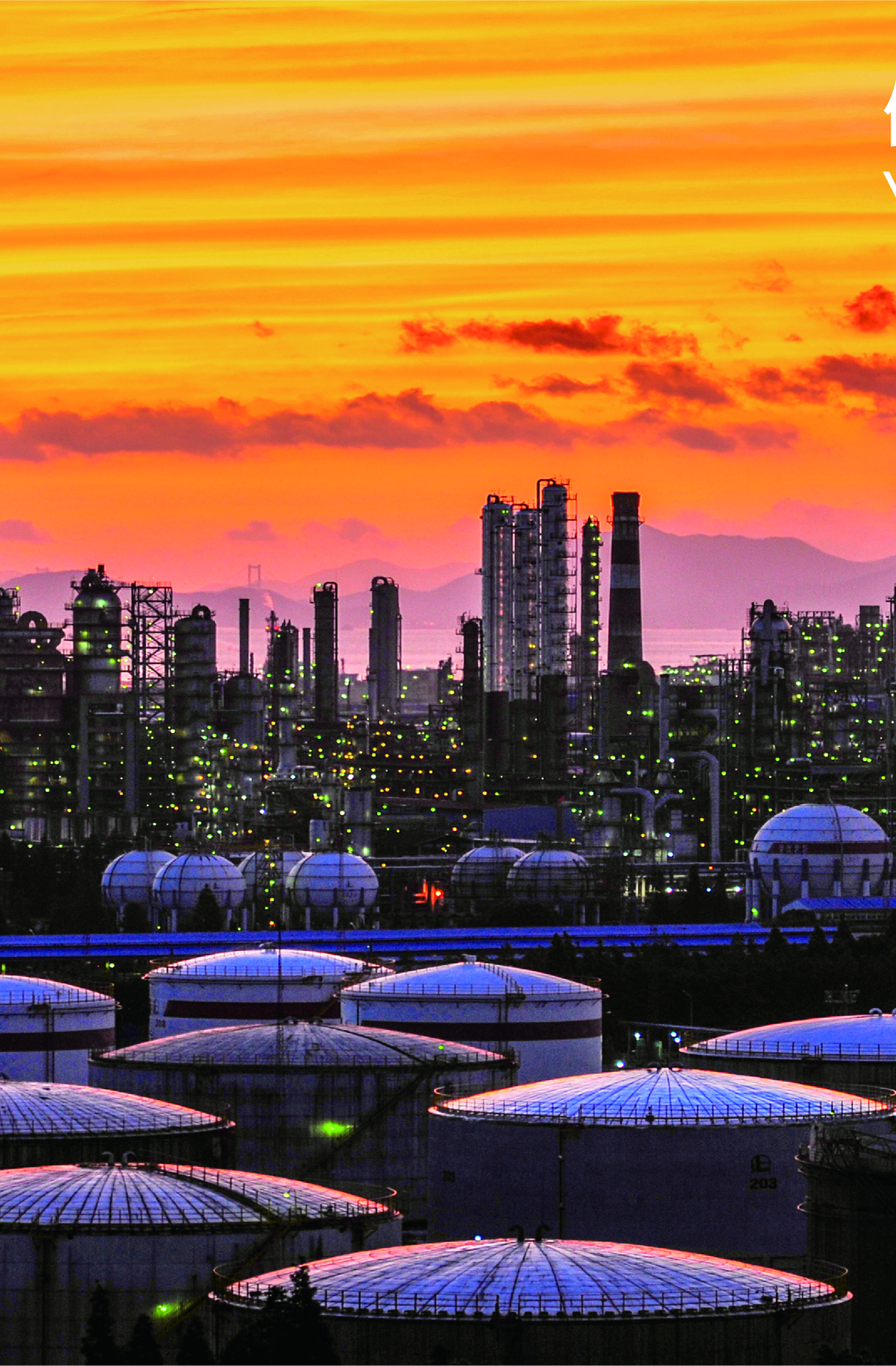
Explosion proof street lights for refinery roads must do more than provide illumination. The fitting has to operate safely in a classified hazardous atmosphere, survive corrosive process emissions, handle thermal stress from nearby equipment and direct sun, resist vibration from trucks and pumps, and remain safe to maintain after years in service. The strongest specification starts with the actual hazardous area classification, gas group, temperature class, mounting plan, cable entry method, and certification evidence. A product label alone cannot replace that site-specific information.
What Makes a Refinery Road a Hazardous Location
A refinery road is not automatically a Zone 1 or Division 1 area simply because it is inside a refinery. The classification depends on where the road runs relative to process vents, pump seals, sample points, tank vents, loading racks, and drainage paths. A well-ventilated open road may be Zone 2, while an area near a frequent hydrocarbon release source may be Zone 1. An access way inside an enclosed process bay or next to a low point where heavier-than-air vapors can collect may need a more demanding classification.
The road lighting specification must therefore begin with the project hazardous area drawing, not with a generic assumption. Under the IEC system, the document should identify the zone, gas group, and temperature class. Under the North American system, it should identify the Class, Division or Zone, group, and temperature class. The lighting fitting must match that classification with a recognized protection method such as Ex db, Ex eb, or Ex nA for gas atmospheres, and the certificate must cover the complete luminaire.
OSHA general industry electrical safety requirements also require that equipment used in classified locations be approved for the intended classification. If the same road passes a construction or turnaround area, lighting compliance may have to cover both permanent process areas and temporary work zones.
Refinery road lighting can also intersect construction or maintenance zones where site lighting compliance rules overlap. <OSHA Guide: Essential Construction Site Lighting Compliance> covers lighting compliance considerations for construction-area work.
Reading the Explosion Proof Certificate and Marking
A credible street light fitting should carry a certificate from a recognized third-party scheme such as ATEX, IECEx, or the applicable national system, and the certificate must describe the luminaire as tested. Buyers should read more than the word “explosion proof” in a catalog. The marking itself contains the selection boundaries.
| Marking element | What it indicates | What to verify |
|---|---|---|
| Ex db | Flameproof enclosure that can withstand and contain an internal explosion | Certificate matches the exact enclosure and no unauthorized drilling has occurred |
| IIC | Suitability for IIC gas group, including hydrogen and acetylene | Site gas list falls within the declared group; IIC may be conservative but must not be assumed unnecessary |
| T4 | Maximum surface temperature remains below 135 °C under rated ambient | Expected gases have autoignition temperatures above the marked class; T4 is not automatically safe for every gas |
| Gb | Equipment protection level suitable for Zone 1 and Zone 2 | Road classification is not Zone 0 and the EPL matches the zone |
| IP66 | Dust tight and protected against powerful water jets | Ingress protection is present, but IP rating does not by itself establish explosion protection |
| WF2 | Corrosion resistance class for aggressive outdoor environments | Coating, gaskets, fasteners, and entry materials support the declared class |
A useful check is to compare the certificate number, model, and marking against the offer. If the certificate covers one enclosure size but the quotation changes the wattage, driver type, entry orientation, or mounting assembly, the site team should confirm that the change remains inside the certified configuration. Flameproof enclosures are especially sensitive to field modifications such as extra drilled holes, because the flame path and enclosure strength are part of the protection concept.
Matching the Fitting to the Road and Pole Plan
Road lighting performance depends on more than total lumens. The mounting height, pole spacing, arm length, road width, and required uniformity decide whether a given LED module actually makes the route safe and legible for drivers and operators. A fitting that works as a floodlight at the edge of a process unit does not automatically work as a street light along a refinery road.
For a street-lamp configuration, the light distribution should be checked against the pole plan, not only against the product wattage. The beam should reduce glare for vehicle operators while maintaining enough vertical illumination to reveal people, curbs, pipe racks, and crossing equipment. The selected color temperature also matters. In a process environment, cooler light near 5000 K can improve visibility, but the final choice should follow the project lighting study and should not be driven only by catalog preference.
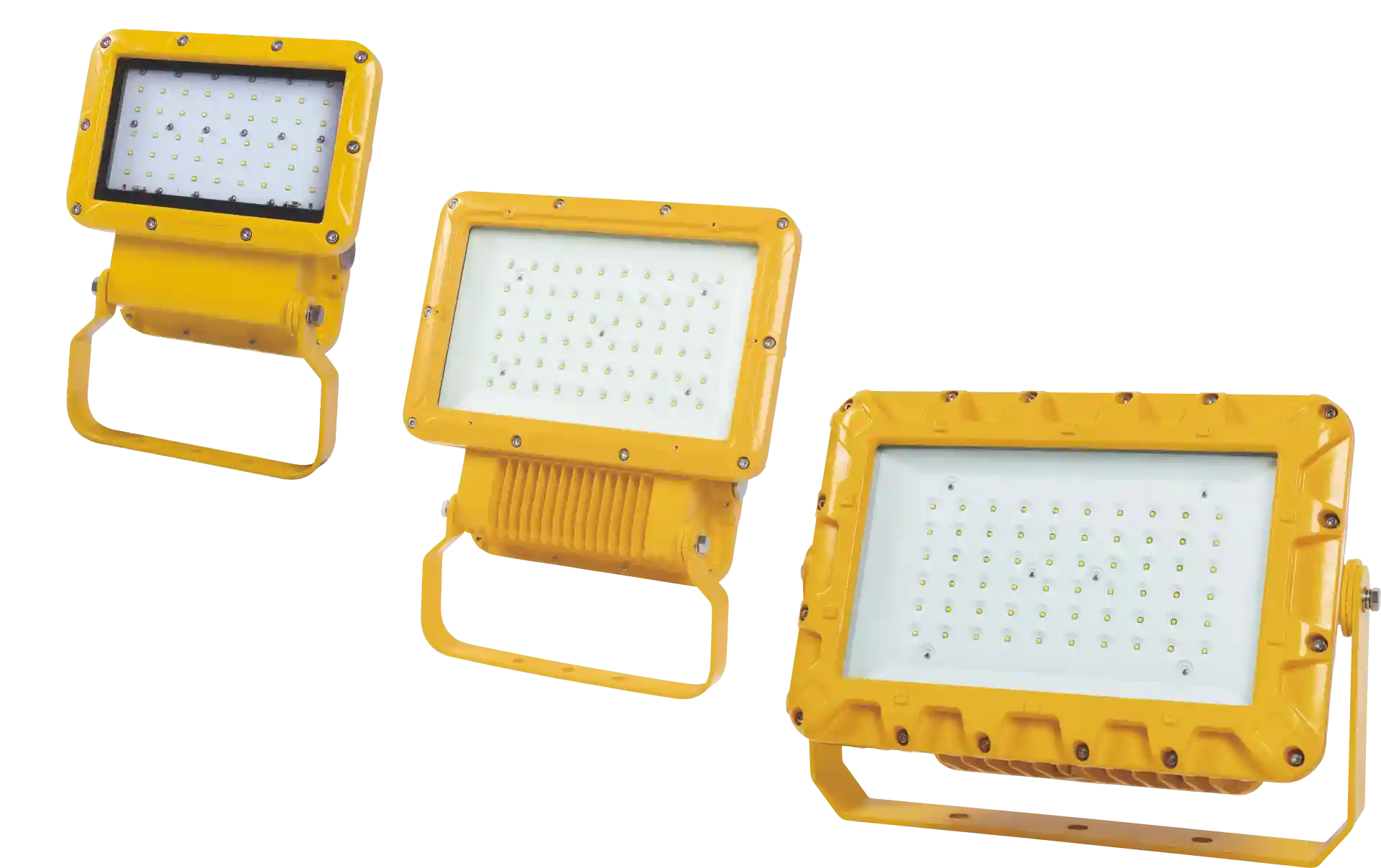
As an example, the WAROM BAT86 LED light fitting is available in a street-lamp mounting type and uses an LED module in an IP66 enclosure with powder-coated finish. It is built around a constant current and constant voltage driver with overload protection and end-of-life function. That type of driver protection is relevant for refinery roads because the fitting may be connected to a long distributed lighting circuit with voltage variation, switching transients, or temporary generator supply during turnarounds.
The specification should also state the expected ambient temperature range. A fitting installed near a hot pipe rack may see a higher local ambient than a fitting on an open road. The luminaire manufacturer should confirm the maximum allowable ambient for the selected wattage and temperature class, and the project should check whether the fitting needs a higher temperature rating or a different mounting location.
Corrosion, Thermal, and Mechanical Survival
Refinery roads are rarely benign. Sulfur compounds, salt mist, spilled hydrocarbons, dust, and frequent wetting can attack enclosures, fasteners, cable glands, and gaskets. The enclosure material and finish should match the environment. Copper-free aluminum alloy with a powder-coated surface is common for road lighting because it combines weight control with corrosion resistance, but the purchaser should still review the coating system and exposed fasteners.
The fitting should be specified with stainless steel fasteners and a gasket that can tolerate the local chemical atmosphere and temperature swings. On the product data side, a WF2 corrosion class and IP66 ingress protection indicate outdoor suitability, but they do not remove the need to inspect material compatibility. For example, an aluminum enclosure with an unsuitable entry gland or a plain steel mounting bracket can still degrade even when the luminaire body itself is well specified.
Glass covers should resist mechanical impact. A toughened glass cover is appropriate for a road environment where stones, tools, or wind-blown debris can strike the luminaire. The mounting arm and bracket should have enough mechanical margin for the luminaire weight plus wind load, especially on high masts or open sections where the road crosses a diked tank area. Vibration from passing heavy vehicles and nearby pumps also supports anti-loosening fasteners and a bracket design that does not rely on constant retightening.
Mounting, Cabling, and Maintenance Access
The mounting method affects both safety and long-term maintenance. Street lamp fittings can be configured for pole, bracket, fixed, or hook mounting depending on the road edge and available poles. The project should define the fixing hole pattern, arm angle, and orientation before ordering because these choices affect the certified installation and the light distribution.
Cable entry is part of the explosion proof boundary. The specified cable gland must match the cable outer diameter and the sealing method. For a luminaire with M25 entries, the cable range might be matched to a certified flameproof or increased safety gland. The purpose should not be to order a generic gland and hope the installer can make it fit. The thread form, clamping range, and cable type should be written into the request.
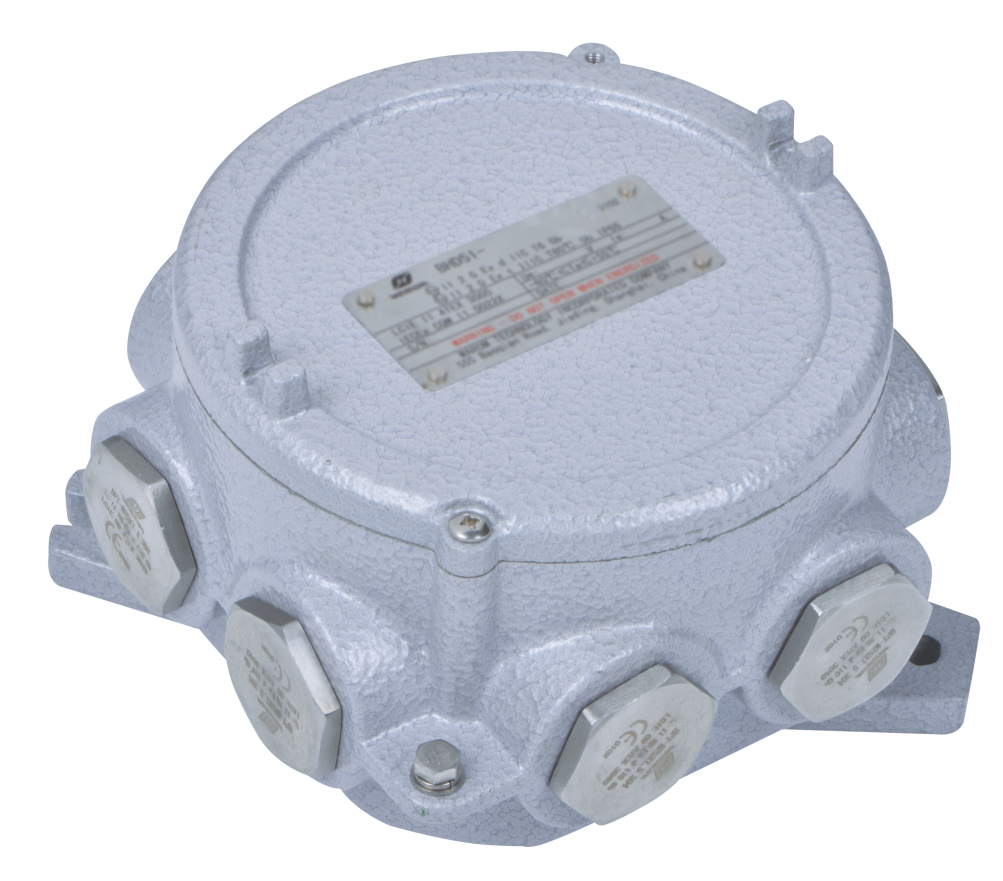
On a road circuit, each pole usually needs a loop-in and loop-out connection. That connection point must also be suitable for the hazardous area. A pole-mounted explosion proof junction box provides a controlled connection point and keeps the supply wiring accessible without opening the luminaire under live conditions.
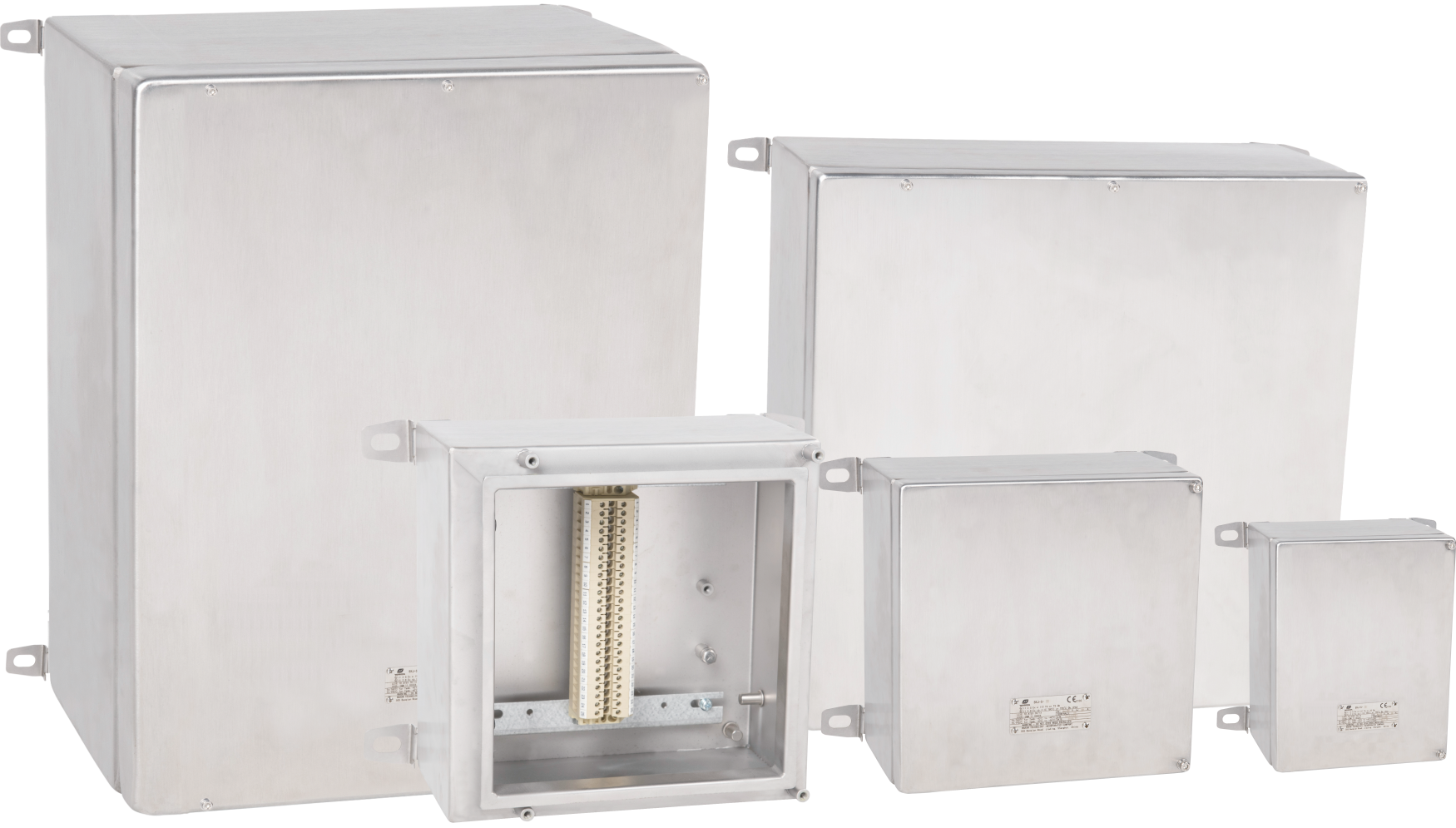
For more complex distribution, a certified terminal box can separate the road lighting circuit from monitoring or auxiliary circuits while keeping the cable arrangement organized.
Maintenance planning should be part of the initial specification. The site should know how the driver is replaced, how the LED module is accessed, whether the cover interlock must disconnect power, and what torque settings the terminal block requires. In a hazardous area, live opening is generally not acceptable unless the area is confirmed safe and the work control procedure permits it. A fitting that is easy to maintain in a workshop can still be difficult on a live refinery road at night, so access and replacement time should be reviewed before purchase.
Road Safety, Emergency Lighting, and Controls
Street lighting is not only about general visibility. Gates, crossings, weighbridge approaches, and emergency assembly routes may need additional signal and escape lighting. An audio and visual caution spotlight can mark a road crossing or gate movement where a plain street light does not provide enough warning. In a noisy refinery, a visual signal alone may be missed, so the fitting should be placed where drivers and pedestrians can see it directly.
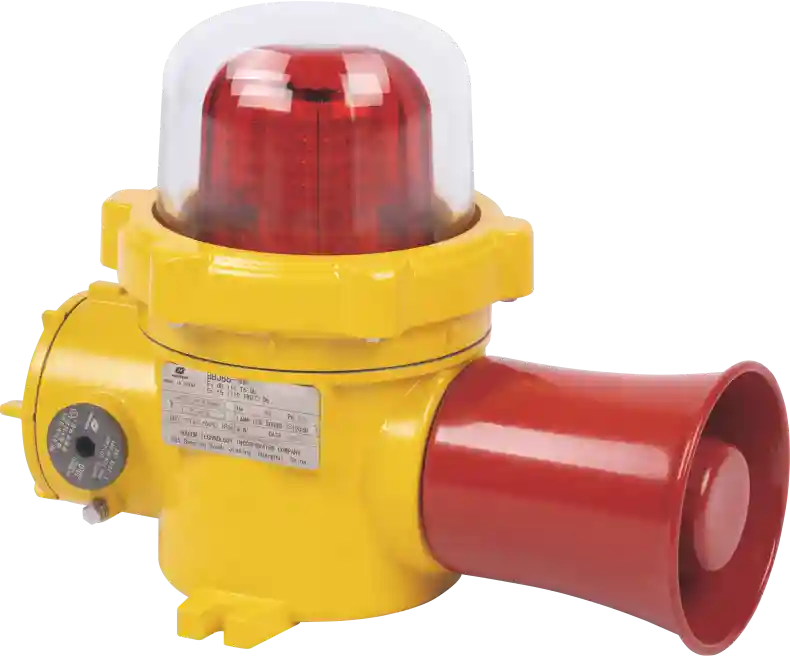
Escape routes and emergency signs near process roads may also need their own explosion proof emergency or exit lighting, separate from the general road lighting circuit. The emergency function should be tested and the battery or central supply should match the required duration. A site should not assume that general LED street lighting will remain available during a power failure.
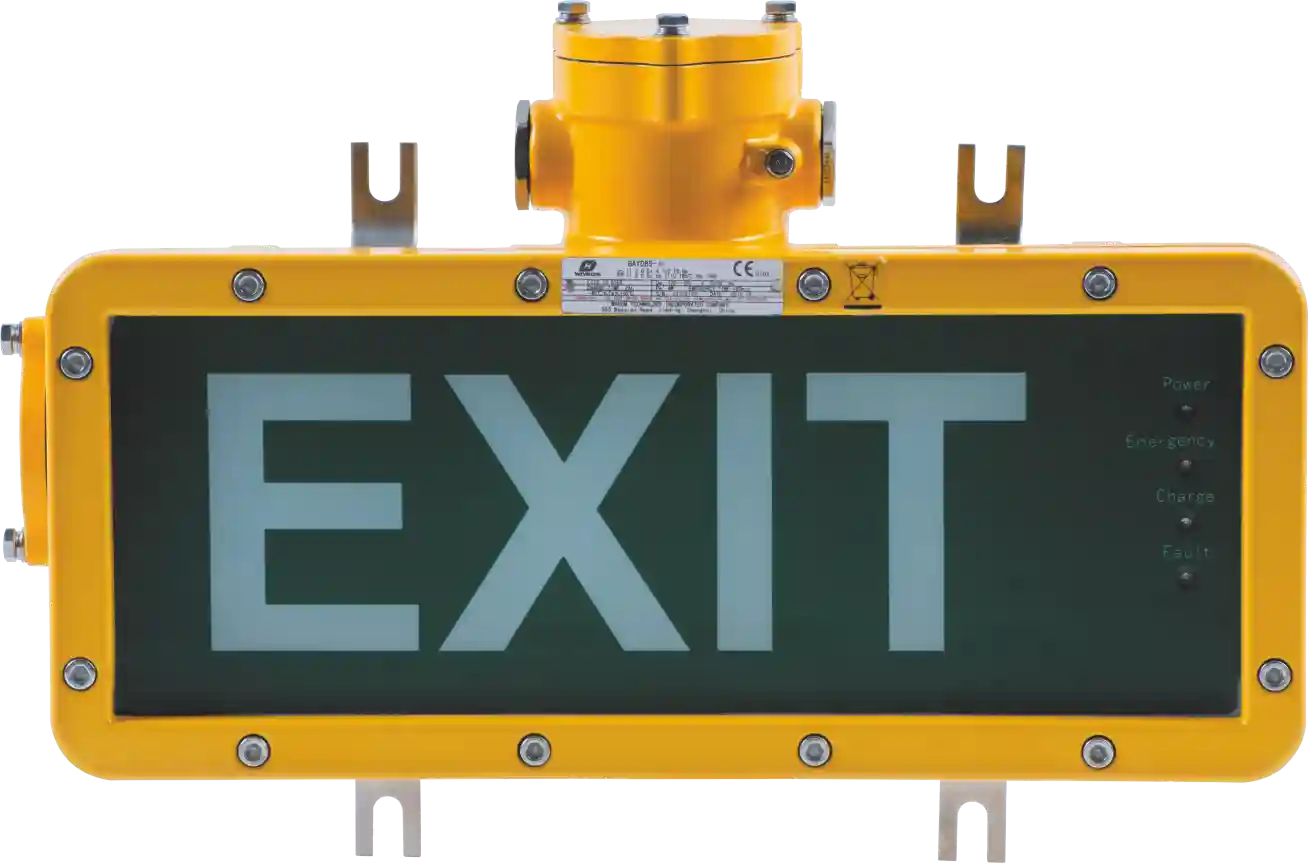
Control requirements should be defined early. Photocell switching, manual override at a gatehouse, or integration with a plant lighting control panel all affect the luminaire driver and wiring. If the road lighting will be dimmed or switched in groups, the driver must tolerate the selected control method without degrading the certified protection. The control circuit and its cable glands must also be suitable for the area, especially where shielded control cables pass through hazardous locations.
Specification Shortcuts That Create Risk
A weak purchase description creates risk even when the selected fitting is otherwise acceptable. The table below shows common specification shortcuts and the stronger request that should replace them.
| Poor specification | Failure risk | Stronger request |
|---|---|---|
| “Explosion proof street light” | Does not identify zone, gas group, or temperature class | Zone or Division, gas group, T class, and certificate scheme |
| “IP66 luminaire” | Ingress protection can be mistaken for explosion protection | Ex-marked certified fitting with certificate number and protection concept |
| “Standard cable gland” | Entry may not match cable diameter or sealed boundary | Certified gland type, thread form, clamping range, and cable outer diameter |
| “Any LED wattage” | Optical spacing may fail road uniformity or create glare | Mounting height, pole spacing, light distribution, and minimum uniformity |
| “Corrosion-resistant coating” | Coating systems differ by chemical and thermal exposure | Finish system, corrosion class, gasket material, and fastener rating |
| “Install later” | Field drilling or entry modification can void certification | Factory-configured entries and no site drilling into a flameproof enclosure |
The most important step is to keep the certification boundary intact. A flameproof enclosure is only safe when the flame paths, cover gaps, cable entries, mounting orientation, and internal components remain within the certified design. Any change made after delivery should be reviewed against the certificate, not treated as a normal field modification.
Preparing a Refinery Road Lighting Specification
Before you finalize a fitting, confirm the hazardous area classification, gas group, temperature class, mounting height and pole spacing, cable entry type and approximate cable diameter, required controls, and the certification scheme accepted by the project. Also state the road width, expected ambient range, and whether the location requires emergency or signal lighting on the same circuit.
Send those details to Warom Technology Incorporated Company at gm*@***om.com or call +86 21 39977076 / +86 21 39972657, and we can help match a certified street-lamp configuration to the road and maintenance requirements.
FAQ
Is every refinery road a Zone 1 hazardous area?
No. A refinery road may be Zone 1, Zone 2, or unclassified depending on its distance from release sources, ventilation, and the project hazardous area drawing. The classification must come from the site study, not from the road surface or a general description of the refinery.
Does IP66 mean the street light is explosion proof?
No. IP66 describes protection against dust and water ingress. Explosion protection is provided by a separate certified protection concept such as Ex db or Ex eb. A fitting can be IP66 and still not be suitable for a hazardous area unless the Ex certificate covers the complete luminaire.
Can any LED street light fitting be installed on an existing pole?
Not automatically. The mounting arm, bolt pattern, weight, wind load, and cable entry arrangement must match the certified installation. Reusing an old pole from another fitting may require an adapter or bracket, and the resulting arrangement must not compromise the light distribution or the explosion proof boundary.
What temperature class should I choose?
The temperature class must be compared with the autoignition temperature of the gases present at the location. T4 is common for many hydrocarbon areas, but it is not automatically safe for every gas. The site gas list and hazardous area report determine the required class.
Do I need a junction box at every street light pole?
Not always, but any loop-in or loop-out connection in a hazardous area must use equipment suitable for that classification. If the connection is made at the pole, the junction box, terminal box, cable glands, and sealing method must all be certified and compatible with the cable type.
If you’re interested, check out these related articles:
ACHEMA 2024 is Underway
Hannover Messe 2024
With over a decade of experience, he is a seasoned Explosion-Proof Electrical Engineer specializing in the design and manufacture of safety and explosion-proof products. He possesses in-depth expertise across key areas including explosion-proof systems, nuclear power lighting, marine safety, fire protection, and intelligent control systems. At Warom Technology Incorporated Company, he holds dual leadership roles as Deputy Chief Engineer for International Business and Head of the International R&D Department, where he oversees R&D initiatives and ensures the precise delivery of design documentation for international projects. Committed to advancing global industrial safety, he focuses on translating complex technologies into practical solutions, helping clients implement safer, smarter, and more reliable control systems worldwide.

Qi Lingyi